REVIEW · CHICAGO
Chicago Walking Tour: Historic Skyscrapers
Book on Viator →Operated by Chicago Architecture Center · Bookable on Viator
Skyscrapers get human, not just tall. This small-group walk through the Loop’s historic buildings turns facades into stories, and I like that it stays personal with a cap of 10. You’ll also get included admission to the Chicago Architecture Center galleries, which helps you connect the designs to how Chicago grew. One heads-up: access to interiors can change on weekends and holidays, so parts of the tour may be exterior-focused.
You’ll start at 410 Michigan Ave (meet by the Fine Arts Building) and end near the Monadnock Building at 53 W Jackson Blvd. The route moves at a comfortable walking pace for about 1 hour 30 minutes, with short stops outside most of the time. Guides tied to the Chicago Architecture Center bring the buildings to life, and the energy you’ll hear often matches what folks highlight about guides like Deborah, Audrey, and Angela Platt.
If you’re short on time but want real structure, this is a smart choice. You get a concentrated look at late-1800s and early-1900s skyscrapers that built the template for modern Chicago. If you’re bringing little kids, this one may feel like a lot of walking and listening, and it’s not recommended for young children.
In This Review
- Key highlights you’ll care about
- Why the Loop skyline teaches Chicago fast (and well)
- Meeting at 410 Michigan Ave, ending by the Monadnock: what the timing feels like
- Fine Arts Building and the Auditorium: the story starts with style and purpose
- The Rookery Building: when the exterior hints at what’s inside
- Board of Trade and Marquette: big-city ambition in stone and steel
- Monadnock and the Architecture Center: where the tour connects to context
- What makes the guide experience work (from the way it’s described)
- Price and value: $35 that actually buys something tangible
- Who this tour suits best (and who might want to skip)
- When you might feel let down: closures and exterior-only time
- Should you book the Historic Skyscrapers walking tour?
- FAQ
- How long is the Chicago Historic Skyscrapers walking tour?
- How much does the tour cost?
- How many people are in the group?
- What is included in the ticket price?
- Where does the tour start and end?
- Are there any restrictions for pets or service animals?
- Is there coat check or storage for luggage and strollers?
- Is the tour suitable for young children?
- What should I know about building interior access?
Key highlights you’ll care about
- Small group (max 10) means you’re more likely to ask questions and get specific answers
- Certified Chicago Architecture Center guide narration keeps the story clear and focused
- Chicago Architecture Center galleries included so you can see context beyond the street view
- Historic Loop lineup in one loop of walking—Fine Arts, Auditorium, Rookery, Board of Trade, Marquette, Monadnock
- Mobile ticket makes check-in easier and less fiddly on busy streets
Why the Loop skyline teaches Chicago fast (and well)
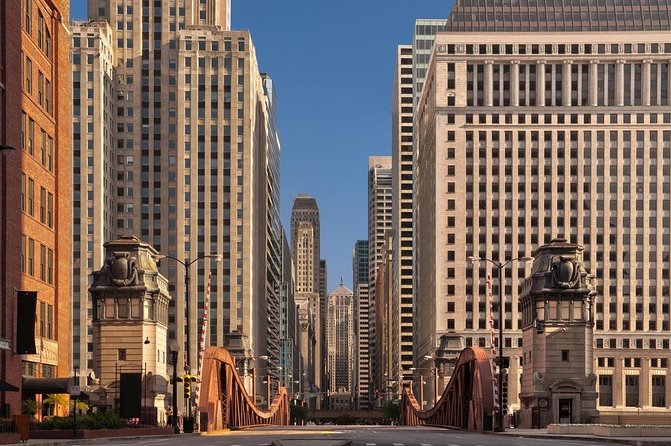
Chicago’s Loop can feel like a maze if you’re just wandering. This tour fixes that by walking you through a set of landmark buildings that explain how Chicago rose from the late 19th century into the early 20th. In about 90 minutes, you’ll go from one style and building idea to the next without losing your bearings.
I love that the tour doesn’t try to cover everything in Chicago. Instead, it focuses on the kind of buildings that shaped the city’s architectural language. That makes it a strong fit for history buffs and architecture lovers who want to leave with names, styles, and real context, not just photos.
The included stop at the Chicago Architecture Center galleries matters too. Street views explain a lot, but galleries help you interpret what you’re seeing—so your brain gets the bigger picture while the details are still fresh.
You can also read our reviews of more walking tours in Chicago



Meeting at 410 Michigan Ave, ending by the Monadnock: what the timing feels like
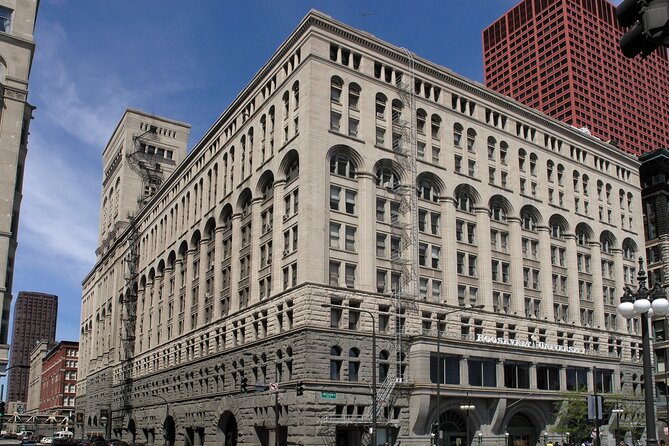
The tour departs from 410 Michigan Ave, at the Fine Arts Building. From there, you’ll walk between stops that are mostly exterior views, with time set aside for each major landmark. The total duration is about 1 hour 30 minutes, so you’re not stuck for the whole afternoon.
You should expect short stop times and quick transitions. That’s part of the value: you’ll see a lot of famous architecture without feeling dragged down by long lines or slow logistics. If you’re sensitive to pacing, aim to arrive a few minutes early so you can start calm instead of rushing.
Practical bits that make a difference: a mobile ticket is used, and the tour is near public transportation. There’s no coat check, and there’s no storage for luggage or strollers, so pack light and plan accordingly. If you’re traveling with a pet, note that pets aren’t allowed, but service animals are allowed.
Fine Arts Building and the Auditorium: the story starts with style and purpose
Stop 1 is the Fine Arts Building, where you meet to start the tour. This is a smart opening because it sets the theme: older skyscrapers didn’t just chase height. They were built to signal style, stability, and civic importance.
At Stop 2, you’ll view the Auditorium Building from the outside. The exterior look is the point here, and the guide’s narration gives you a way to read what you’re seeing. Even when you only have a brief viewing window, the context can make the details click—like why certain design choices mattered at the time.
The only real drawback to keep in mind is that interior access can change. For some of these historic buildings, access isn’t guaranteed on every day. The guide can still give you plenty outdoors, but if you’re hoping for every interior stop, you’ll want to stay flexible.
The Rookery Building: when the exterior hints at what’s inside
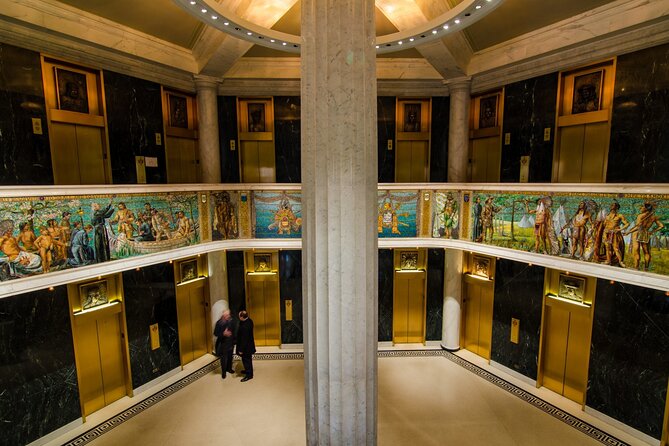
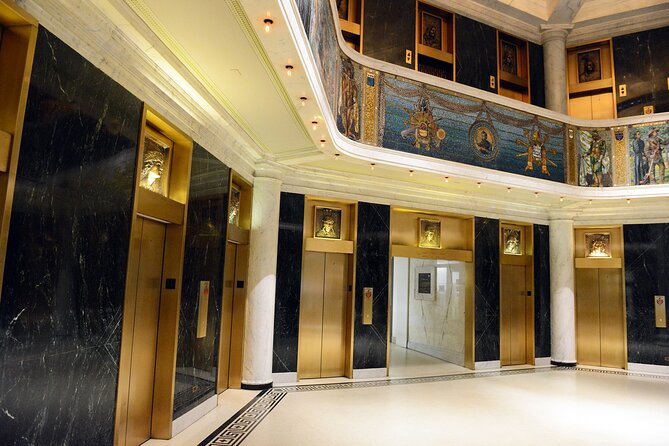
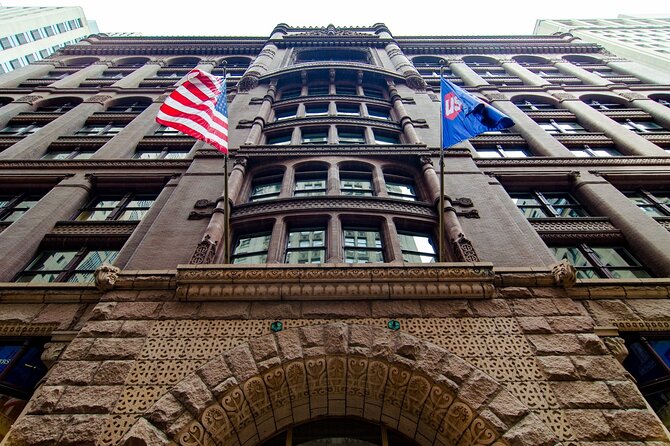
Stop 3 is the Rookery Building, again with an exterior view. The Rookery is one of those Chicago names that people throw around for a reason: it has enough architectural character that even from outside you start thinking about how the building works as a space, not just a skyline silhouette.
This stop is where narration can do a lot of the heavy lifting. You’ll likely get a sense of how designers and builders approached materials and form during the city’s skyscraper boom. If you’re into Art Deco, this tour can also be a strong match, since some guides put extra emphasis on style through the era-to-era comparisons.
One thing I’d watch for: exterior-focused stops can move quickly. Stand where you can see the facade clearly, and don’t worry if you miss a small detail at first. The guide’s job is to point you to what to notice, and repetition helps you catch it on the second pass.
Board of Trade and Marquette: big-city ambition in stone and steel
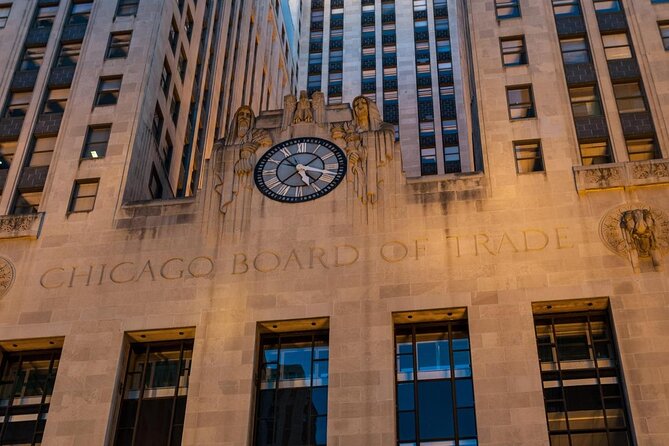
Stop 4 is the Chicago Board of Trade Building, with an exterior view and a short stop time. This is where the tour shifts from “pretty architecture” to architecture with authority. The building’s presence communicates finance and power, and the guide’s story helps you understand what that meant in the era when these institutions were reshaping the city.
Stop 5 is the Marquette Building, also viewed from the outside. The shift here feels natural: you go from a major economic landmark to another key downtown statement. It’s a good way to compare how different buildings project prestige, without needing to stand in one spot for too long.
If you like learning how architects expressed values through design, these two stops are likely to be memorable. They’re short, but they’re positioned to build your mental timeline of Chicago’s growth.
You can also read our reviews of more historical tours in Chicago






Monadnock and the Architecture Center: where the tour connects to context

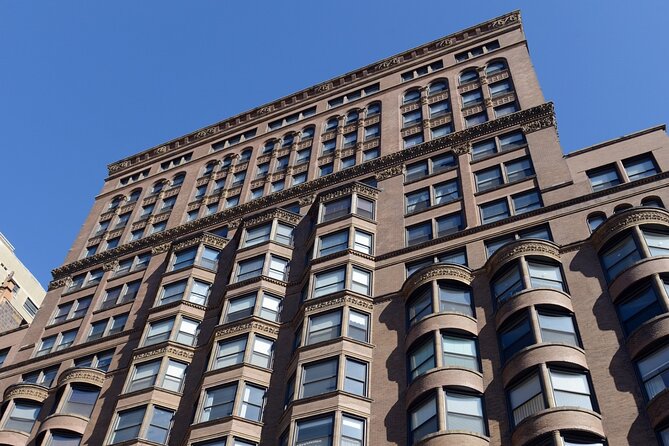
Stop 6 is the Monadnock Building, again an exterior view with a short stop time. By the time you reach Monadnock, you’re already “trained” to look for style cues and historical transitions. This is where the tour’s pacing helps: you’re not starting from scratch at the midpoint.
Then you shift to the Chicago Architecture Center at Stop 7. This is a different kind of stop. The tour ticket includes admission to the galleries, and you’ll spend about a minute at the center as part of the walking sequence.
Even though the time at the center is short within the tour, the included gallery access is a big value add. It gives you a place to pause and connect the names you heard on the street with interpretive displays. If you’re the type who likes to understand the “why” behind the “what,” the galleries can turn a good walk into a stronger takeaway.
And one more practical point: because interior access to buildings on the walking route may vary, the galleries can act like your reliable indoor anchor. That’s useful on days when schedules or closures affect what you can see outside.
What makes the guide experience work (from the way it’s described)
The narration is led by a professional guide certified by the Chicago Architecture Center, and this matters more than it sounds. A good guide doesn’t just name buildings. They explain how Chicago built its skyscraper identity: why certain designs appeared, how the city’s needs shaped architecture, and what to notice while you’re standing on a crowded sidewalk.
You’ll see that theme in the guide praise tied to people like Deborah, Audrey, and Angela Platt. Their common thread in the feedback is passion for living history—making you feel like these buildings have something to say beyond their age. If you enjoy hearing how builders and designers thought, this tour can feel like a conversation with the skyline.
I also like that the group stays small. With a maximum of 10 travelers, the guide can slow down for questions or adjust to how the group is reacting. If you’ve ever done a big walking tour where you can’t hear over the chatter, the size here is a direct quality upgrade.
Price and value: $35 that actually buys something tangible
At $35 per person for about 1 hour 30 minutes, the price looks simple on paper. The value shows up in what’s included and how the time is structured.
Here’s what you’re paying for that you’d otherwise have to piece together:
- narration by a certified guide
- a compact walk that hits multiple major Loop landmarks
- admission to the Chicago Architecture Center galleries included in the ticket
That gallery admission is the key piece. It turns the experience from just a street walk into a mix of outdoors learning and indoor context. For many visitors, that indoor piece is what helps the architecture stick after the tour ends.
Also, you’re not paying extra for the size limit. A capped group of 10 keeps the guide’s attention from getting diluted. If you’re comparing this to self-guided browsing, the guide saves you time and gives you a storyline, which is often the real cost—your limited vacation hours.
Who this tour suits best (and who might want to skip)
This tour is a strong match if you love history, enjoy architecture details, or want an easy way to understand Chicago’s evolution without spending the whole day researching. It’s also ideal for people who want a concentrated walk—one where you can go from stop to stop and still feel like you’re learning something coherent.
It’s less ideal for families with young children, since it’s not recommended for young kids. It also isn’t a good fit if you need luggage or stroller storage, since none is offered. If you prefer long stays inside buildings, keep expectations flexible because interior access can change.
If you’re visiting for a short time and want to prioritize the Loop’s iconic architecture, this tour makes sense. It’s structured, efficient, and focused on the landmarks that define the skyline.
When you might feel let down: closures and exterior-only time
Here’s the realistic consideration: access to building interiors featured on the tour may change without notice due to weekend and holiday schedules or unforeseen closures. That means you could get more exterior viewing than you expected on a given day.
If you’re the type who plans around interior access, this is the biggest reason to choose flexibility over certainty. On the flip side, exterior stops still give you a lot, especially when the guide explains design choices and historical context.
Another small factor: the stop times are short. If you’re slow to read details or you like to linger at every building corner, you may need to choose your favorites and accept that the tour is designed to move.
Should you book the Historic Skyscrapers walking tour?
If you want a smart, time-saving way to understand Chicago’s Loop architecture, I’d book it. The included Chicago Architecture Center gallery admission makes the ticket feel complete, and the small group size helps the guide keep the story clear. With a lineup that hits major landmarks like the Fine Arts Building, Auditorium Building, Rookery, Board of Trade, Marquette, and Monadnock, you get a meaningful cross-section of the city’s skyscraper era.
Skip or reconsider if you need lots of guaranteed interior access, if you’re traveling with very young children, or if you require on-site storage for strollers or luggage. Also, if you hate walking, keep in mind this is still a walking tour with multiple stops.
FAQ
How long is the Chicago Historic Skyscrapers walking tour?
It runs for approximately 1 hour 30 minutes.
How much does the tour cost?
The price is $35.00 per person.
How many people are in the group?
The tour has a maximum of 10 travelers.
What is included in the ticket price?
You get narration by a professional, Chicago Architecture Center–certified guide, the historic walking tour, and admission to the galleries at the Chicago Architecture Center.
Where does the tour start and end?
It starts at 410 Michigan Ave, Chicago, IL 60611 (Fine Arts Building) and ends at the Monadnock Building, 53 W Jackson Blvd, Chicago, IL 60604.
Are there any restrictions for pets or service animals?
Service animals are allowed, but pets are not allowed.
Is there coat check or storage for luggage and strollers?
No coat check is offered, and there is no storage for luggage or strollers.
Is the tour suitable for young children?
It is not recommended for young children. Most travelers can participate.
What should I know about building interior access?
Access to interiors featured on the tour may change due to weekend and holiday schedules or unforeseen closures.