REVIEW · CHICAGO
Chicago River 90-Minute Architecture Tour
Book on Viator →Operated by Wendella Tours & Cruises · Bookable on Viator
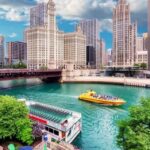
A river cruise is the fastest way to grasp Chicago’s architecture story. This Chicago River architecture tour takes you along the three branches of the Chicago River for 90 minutes, with guided narration and views of major buildings up close. I like how the boat layout gives you big sightlines and the chance to swap between indoor comfort and outdoor viewing as the weather changes. I also like that the guide’s humor and clear commentary turn skyline trivia into something you can actually remember, with guides such as Lucas, Jack, and Alyssa often praised for keeping it lively.
One possible drawback: if it’s cold and windy, you may find the indoor seating fills up faster than people expect, so you’ll want to arrive early and dress for the deck. Even though the lower lounge is climate controlled, the best views are often up top, and winter can be a character-building test.
If you want a high-impact Chicago experience that avoids taxis and helps you “see the city in one go,” this cruise fits that goal. The ride covers more than 130 years of architecture as you pass landmark after landmark, then returns you to the same dock.
In This Review
- Quick Key Points Before You Go
- Why a Chicago River Cruise Changes How You See the Skyline
- Getting on Board: The Wrigley Building Dock on Michigan Avenue
- The 90 Minutes Route: From the Wrigley Area to the River’s Big Icons
- Marina City’s Corn-Cob Look
- Wrigley Building’s White Terra-Cotta Presence
- Merchandise Mart: Big Business Energy
- Willis Tower and the Modern Skyline
- Michigan Avenue: Cultural Stops You Can Put on a Map
- Lyric Opera of Chicago’s Art Deco Interior
- Chicago Riverwalk: The Waterfront as a City Space
- Indoor vs Outdoor: How to Get the Views You Want
- The Narration: Where the Buildings Become a Story
- Cost and Value: Is $45 Worth 90 Minutes on the Water?
- When to Go and What to Pack for Real-World Chicago Weather
- Who This Tour Fits Best
- Should You Book the Chicago River 90-Minute Architecture Tour?
- FAQ
- Where do we meet for the Chicago River 90-minute architecture tour?
- What time should I arrive?
- Does the boat have indoor and outdoor seating?
- Are food or drinks included?
- Are there restrooms on board?
- Is the cruise accessible for wheelchair users?
Quick Key Points Before You Go
- Best views are on the upper deck: dress for wind, because that’s where the sightlines are.
- Indoor lounge is real comfort: it’s climate controlled and includes onboard restrooms.
- You’ll pass major buildings in one circuit: Willis Tower, Merchandise Mart, Wrigley Building, and more.
- The guide narration is the value driver: it connects the buildings to the city’s river-and-industry story.
- Onboard rules keep it simple: no outside alcohol, bar available for purchase, bags subject to search.
- Winter planning matters: indoor space can feel tight when many people want warmth at once.
Why a Chicago River Cruise Changes How You See the Skyline
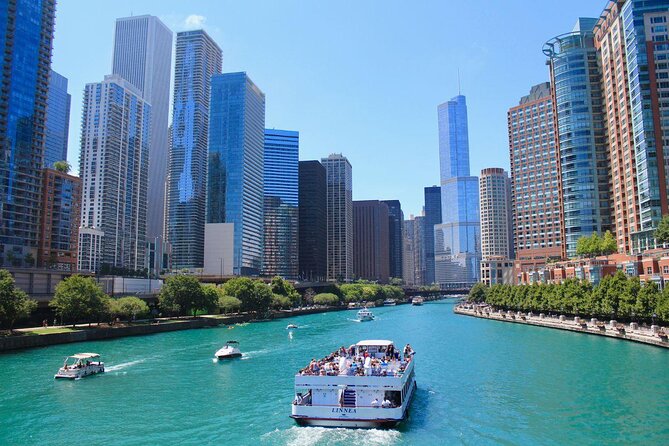
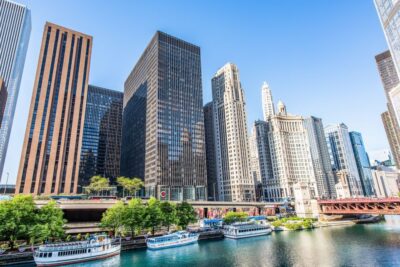
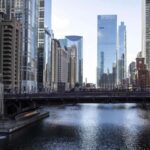
Chicago’s architecture looks one way from the street and a different way from the water. From the river, you get perspective you can’t easily copy with photos from Michigan Avenue. You see how buildings “face” the river, how bridges slice the view, and how the skyline evolved as the city grew around trade, industry, and engineering.
This 90-minute format is built for momentum. You’re not stuck on one stretch of water or waiting for one famous building to appear. You glide along multiple parts of the river and learn what you’re looking at as you go, rather than trying to decode it after the fact. That’s especially useful if it’s your first time in Chicago and you’d rather spend your limited time getting your bearings fast.
Also, the cruise’s narration is designed to connect architecture with the river’s role in the city. You’ll hear about the evolution of Chicago’s skyline, and you’ll also learn why the river itself became a huge part of Chicago’s modern story—literally, because the tour points out engineering landmarks connected to how the river operates.
You can also read our reviews of more tours and experiences in Chicago.

Getting on Board: The Wrigley Building Dock on Michigan Avenue
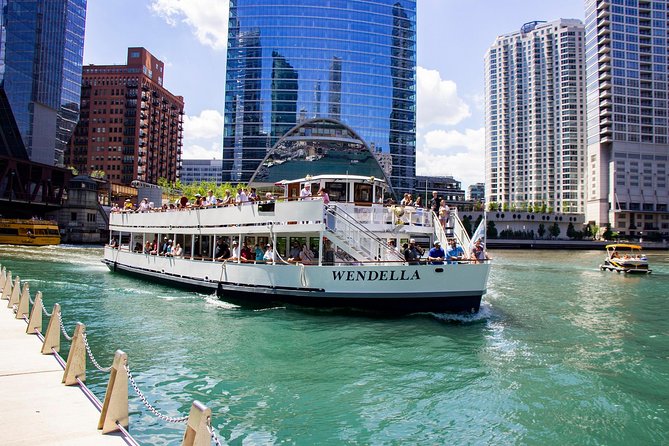
Your starting point is 400 N Michigan Ave, right by the historic Wrigley Building area. Boats depart from the Wendella docks at the northwest corner of the Michigan Avenue Bridge (DuSable Bridge), at the foot of the Wrigley Building.
A practical note: Wendella has multiple dock locations extending west from Michigan Avenue (DuSable) Bridge to Wabash Avenue. So when you arrive, follow the signage for your specific departure and don’t assume every nearby dock is for your exact boat.
Timing helps. Plan to arrive about 15–30 minutes before departure. This isn’t just about boarding early—it’s also your best chance to get the seat you want. Indoor and outdoor areas are offered on a first-come, first-served basis, and the upper deck is the most in-demand spot when the weather is good (or when it’s cold enough that you want to escape quickly between decks).
You’ll use a mobile ticket, and bags are subject to search. And since the U.S. Coast Guard prohibits weapons on board, keep your bag simple.
If you’re relying on transit, this is near public transportation. There are also nearby garages for parking, including AMA Plaza parking at 401 N State St and InterPark Public Parking at 430 N Rush St (parking fees apply).
The 90 Minutes Route: From the Wrigley Area to the River’s Big Icons
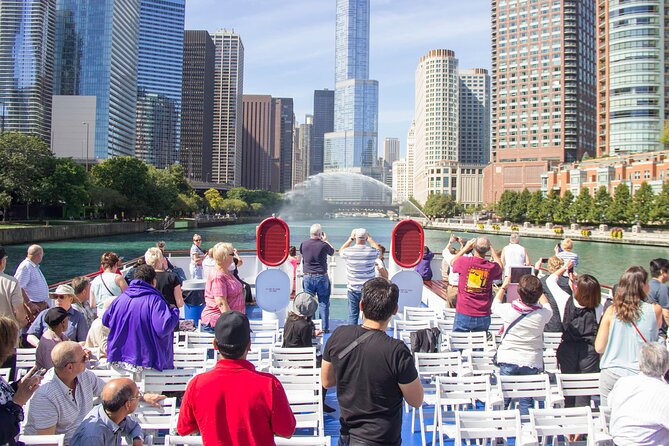
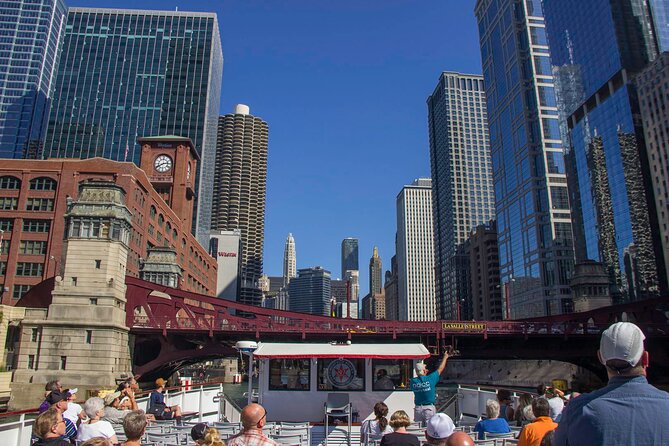
The whole trip is focused on what you see as you cruise along all three branches of the Chicago River, guided by a professional local narrator. As you move, you’ll pick up the “why” behind a lot of what you recognize from postcards and skyline shots.
Here’s what you can expect to catch along the way:
Marina City’s Corn-Cob Look
You’ll pass the mixed-use Marina City apartment buildings, the ones with the unmistakable corn-cob exterior. From the river, this style reads differently than it does from street level—because you’re seeing volume and form from a more direct angle.
Wrigley Building’s White Terra-Cotta Presence
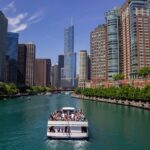
The Wrigley Building is one of those structures that looks like it belongs in a skyline montage—and from the river you get a solid look at its texture and scale. It was built in 1922 as the headquarters for the Wrigley chewing gum company, and the narration helps explain why it became such a standout part of the downtown skyline.
Merchandise Mart: Big Business Energy
You’ll also see Merchandise Mart, which is the largest commercial building in the world. It’s the kind of structure that can feel “too big for one glance” from a walking route, but on the cruise you get time to register its mass and its place in Chicago’s commercial identity.
Willis Tower and the Modern Skyline
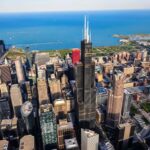
As you head through the skyline corridor, you’ll pass Willis Tower as well. This is one of those moments where the tour helps you connect the older commercial-and-industrial era to the newer era of skyscrapers.
Michigan Avenue: Cultural Stops You Can Put on a Map
Michigan Avenue isn’t just shopping from the river. The tour ties it to major city stops you can plan after the cruise. You’ll hear how this is home to the Chicago Water Tower, the Art Institute of Chicago, Millennium Park, and the Magnificent Mile. Even if you don’t jump off and wander, it helps you plot your next steps.
Lyric Opera of Chicago’s Art Deco Interior
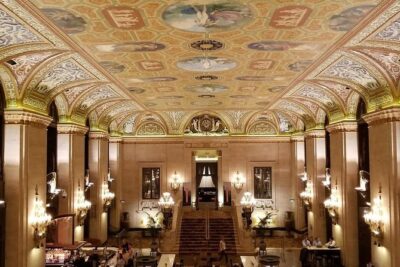
You’ll pass the Lyric Opera of Chicago. It’s described as the second-largest opera auditorium in North America, and it features an Art Deco interior. From the water, you’re not touring inside, but you still get that sense of place—especially if you’re the type who likes architecture even when it’s not in museums.
Chicago Riverwalk: The Waterfront as a City Space
The cruise also shows you the Chicago Riverwalk and refers to the area as the city’s Second Lakefront. That phrase matters because it explains why the riverfront became a destination, not just a utility corridor.
Indoor vs Outdoor: How to Get the Views You Want
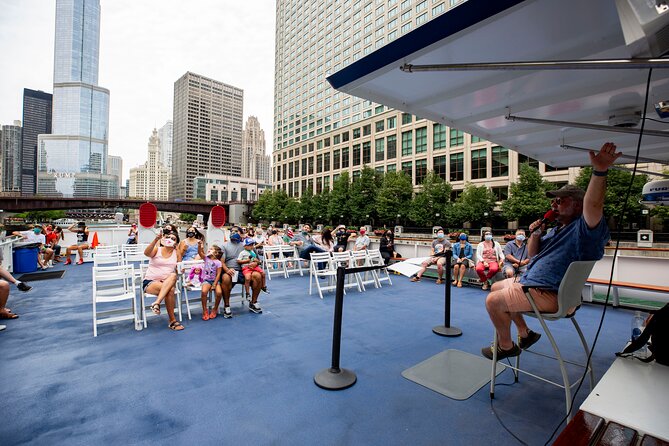
This is the part that decides whether you love the tour or just tolerate it.
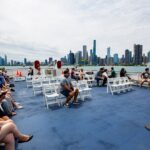
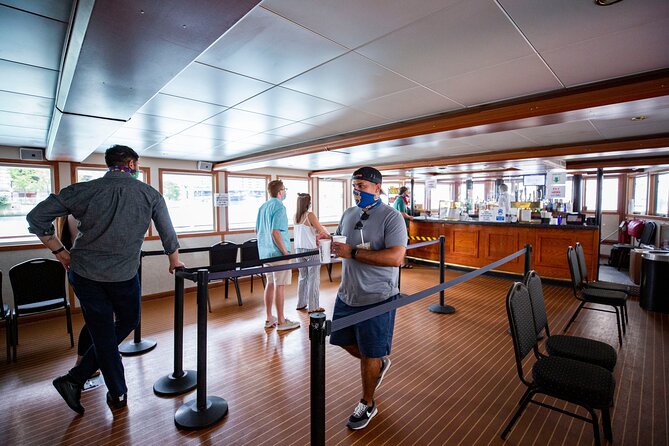
You can choose between indoor and outdoor seating. The indoor area is climate controlled, which is a lifesaver in winter. But the best views are typically on the upper deck because you get fewer visual barriers and a more open line of sight.
That winter reality is also where you should be careful. In cold weather, people tend to crowd to the indoor lower deck. When indoor capacity feels tight, you can end up standing or squeezed near less favorable sightlines. The fix is simple: arrive early, move quickly to the seating area you prefer, and accept that on a windy day, the outside deck is a commitment.
Here’s a balanced strategy:
- If it’s mild and clear, take the upper deck for the photos.
- If it’s cold or rainy, dress warmly and expect you’ll do some deck switching.
- If you know you’ll need warmth often, prioritize getting an indoor spot early, even if the view is more limited.
Good news: the ride itself is often described as smooth. If you’re worried about motion sickness, this tour style tends to be easier than many people expect for a city cruise. You’ll also have a restroom on board, located on the lower deck, including changing tables.
If you’re traveling with kids or someone who needs a rest stop, this matters. On a 90-minute outing, the difference between having a restroom onboard and trying to time a return to shore can be huge.
The Narration: Where the Buildings Become a Story
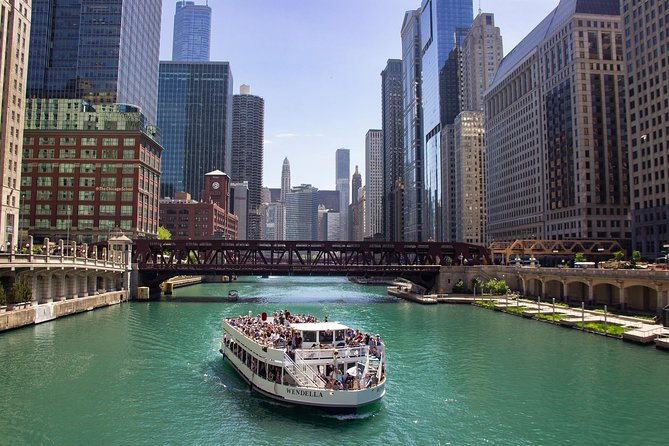
The tour is guided by professionally trained staff, and the narration is what turns scenery into understanding. The guide is constantly connecting structures to the river and to Chicago’s larger growth pattern.
A great example is the way the cruise addresses the river itself. Right near the tour route you’ll see a fountain dedicated in 1989 to celebrate the 100th anniversary of the Metropolitan Water Reclamation District of Greater Chicago. This is tied to the story of reversing the flow of the Chicago River in 1900. The detail is oddly specific in the best way: for the first five minutes of every hour, the fountain shoots a water arc across the river from a tiered waterfall. Watching that while you learn the context makes the engineering feel human.
The narration also helps you see the city as a living system. When you pass the Merchandise Mart, you’re not only seeing a massive building—you’re learning what kind of commercial power shaped downtown. When you pass the Wrigley Building, you’re not just spotting terra-cotta and letters—you’re getting the why behind its role.
And the delivery often lands well with humor. People often mention guides like Lucas, Jack, and Alyssa for being funny and entertaining while still explaining what you’re looking at. Even if you’re not an architecture nerd, that tone keeps the time from dragging.
Cost and Value: Is $45 Worth 90 Minutes on the Water?
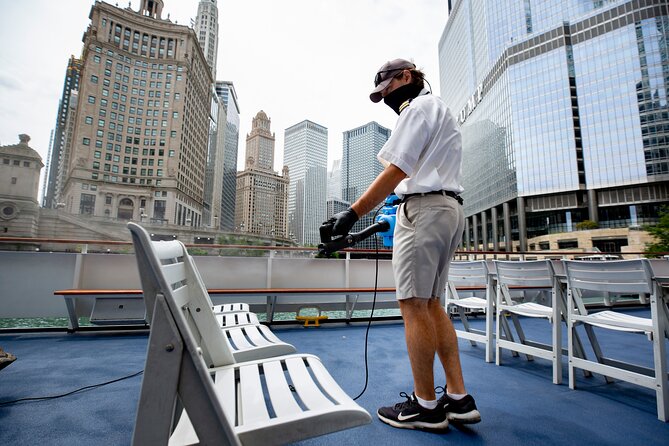
At $45 per person for about 90 minutes, you’re paying for three things at once: transportation, narration, and a concentrated skyline view.
Could you recreate parts of this yourself? Sure—you could walk Michigan Avenue, hop on buses, and piece together the skyline photo angles. But you’d spend more time crossing the city and more energy figuring out where to stand for each building. This cruise does that work for you, and it does it while you stay in one place and listen.
It also has a value edge because you’re not just seeing one view. You’re cruising past a sequence of big-name structures and learning what they mean. With the time box of 90 minutes, it’s a strong add-on on arrival day or as your first major activity.
One more practical value point: the experience has a maximum of 300 travelers. That doesn’t mean it’s empty, but it suggests they’re operating at a scale where you still get access to the boat spaces rather than feeling like cattle in a tube.
Food-wise, you should plan to budget separately. Alcoholic beverages and snacks are available for purchase on board. If you want coffee or hot drinks in colder months, you’ll likely find onboard options helpful (and the bar can also help warm you up). You can’t bring outside alcohol.
When to Go and What to Pack for Real-World Chicago Weather
This cruise runs in typical everyday conditions: it departs rain or shine. That said, in severe weather where the cruise must be canceled, you’ll be offered a different date or a full refund.
On a regular rainy day, you’re not stranded—you’ll have sheltered areas and climate-controlled lounges on board. Ponchos are available for purchase onboard, which is handy if you forget.
For packing, treat this like a boat day, not a walking tour:
- Dress in layers and protect your hands. Wind off the water can make cold feel way worse than the city street temperature.
- Bring a hat and something for your ears if you get cold easily.
- Wear shoes with decent grip if the deck area gets slick.
Summer is easier on the body, but you’ll still want sun protection. And if you’re the type who loves skyline photos, bring a light camera strap or secure your phone so you’re not fighting your own gear while leaning for the best angle.
Also keep in mind onboard behavior: all bags are subject to search, and outside alcohol is prohibited. Weapons are prohibited by the U.S. Coast Guard. If you’re arriving with a big backpack, plan for inspection time.
Who This Tour Fits Best
This is a good match if you:
- Want a first-time Chicago activity that gives you a lot of skyline context quickly.
- Like architecture but don’t want to study guidebooks for hours.
- Prefer comfortable sightseeing with minimal logistics and easy pacing.
- Travel with mixed ages, since the cruise is straightforward and has restrooms onboard.
It’s also a solid choice for couples and families who want something memorable without needing tickets for multiple museums. The route keeps you seeing different areas of the downtown core, while the narration keeps everyone included.
If you hate cold weather and you’re visiting in winter, you can still go—but adjust your expectations and show up early so you can claim indoor comfort when you need it.
Should You Book the Chicago River 90-Minute Architecture Tour?
Yes, if you want a high-value way to understand Chicago’s skyline and the river’s role in shaping it, all in one calm, guided outing. The $45 price makes sense when you consider that you’re getting transportation by boat plus a guided architecture explanation plus a focused 90-minute route through the city’s best-known buildings.
Book with confidence if you’re okay dressing for the weather and using the indoor lounge strategically. Skip (or rethink timing) if you’re going during peak cold snaps and you know you won’t tolerate the outside deck at all—winter departures can make indoor seating feel competitive.
If you’re flexible on dates, choose a day with better conditions and you’ll get the best of both worlds: clear views up top and warmth when you need it.
FAQ
Where do we meet for the Chicago River 90-minute architecture tour?
Meet at 400 N Michigan Avenue, Chicago, IL 60611, near the historic Wrigley Building. Wendella docks extend along Michigan Avenue from the DuSable Bridge area to Wabash Avenue.
What time should I arrive?
Arrive about 30 minutes before departure. Boarding begins 15–30 minutes prior to the scheduled departure time.
Does the boat have indoor and outdoor seating?
Yes. The tour offers indoor and outdoor seating. The indoor area is climate controlled, and seating is first come, first served.
Are food or drinks included?
No. Drinks and snacks are available for purchase onboard, including a full-service bar. Outside alcohol is prohibited.
Are there restrooms on board?
Yes. Restrooms are located on the lower deck of each vessel.
Is the cruise accessible for wheelchair users?
Wendella operates boats with wheelchair lifts between decks, and the boats can accommodate wheelchairs. ADA-compliant toilets are available.