REVIEW · CHICAGO
Chicago River Architecture Tour with Small Boat Upgrade Option
Book on Viator →Operated by Chicago River Boat Architecture Tours · Bookable on Viator
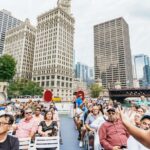
Chicago skyline studies look better from water. I like the up-close boat perspective and I love the guide-led architecture stories that connect the city’s big-name buildings to how Chicago thinking evolved over time. You’ll glide past landmark areas like Navy Pier and Cloud Gate, with a narration that ties it all together without making you feel like you’re in a classroom.
One consideration: weather can turn the deck into a wind-chill contest, and seat position matters more on smaller boats. If you’re cold easily or you end up far from the speaker, you’ll feel it during the narration and may need to bundle up fast.
In This Review
- Key Takeaways Before You Go
- Why This Boat Tour Feels Faster Than It Is
- Where You Meet and How the 1.5-Hour Plan Plays Out
- The Chicago River Segment: Art Deco to Modern Skyscrapers
- Navy Pier: The Icon You Can Spot Even While You’re Learning
- Cloud Gate (The Bean): More Than a Photo Stop
- Small Boat Upgrade vs Standard Experience: Seats and Sightlines Matter
- The Guides: Why the Commentary Changes Everything
- Food, Coffee, Water, and Drinks: What’s Included Onboard
- Price and Value: Is $49 a Good Deal?
- Timing Tip: Sunset Departures Can Change the Entire Mood
- Weather and Comfort: How to Avoid the Cold-Boat Problem
- Who Should Book This Tour (and Who Might Skip It)
- Should You Book This Chicago River Architecture Tour?
- FAQ
- How long is the Chicago River architecture boat tour?
- What does the tour cost?
- Where is the meeting point?
- What’s included onboard?
- Do you see landmarks like Navy Pier and Cloud Gate?
- What happens if the weather is poor?
Key Takeaways Before You Go
- Local guide narration makes the architecture easier to see and remember
- River views add angles you just can’t get from the sidewalks
- Big photo stops include Cloud Gate (the Bean) and a pass by Navy Pier
- Small boat upgrade caps group size at 60, but seat layout can affect sightlines
- Drinks and snacks are part of the onboard setup, with coffee/tea included
- Timing matters: later departures can mean daylight plus city lights
Why This Boat Tour Feels Faster Than It Is
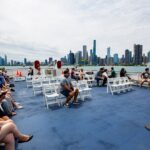
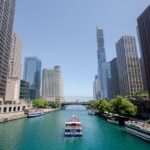
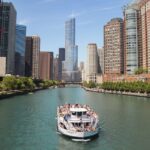
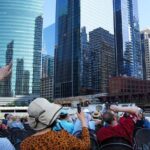
This is a great “starter” architecture tour because it doesn’t waste time. In about 1 hour 30 minutes, you get a moving, guided skyline survey that’s built around how Chicago’s buildings look from the water.
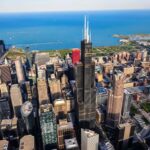
Chicago’s design story is all about contrast: older styles next to newer ones, decorative towers beside sleek glass-and-steel work. From the river, those layers read more clearly because you’re seeing proportions, materials, and height changes from a consistent vantage point.
You can also read our reviews of more boat tours in Chicago
Where You Meet and How the 1.5-Hour Plan Plays Out
The meeting point is 465 N McClurg Ct, Chicago, IL 60611. The tour ends back at the same place, so you’re not spending extra time figuring out how to get home after you dock.
Because the format is relatively short, you’ll want to be on time. The experience runs on a schedule, and the better you sync with it, the more you’ll enjoy the ride instead of standing around.
If you choose the combo tour option, there’s an added 90-minute minibus architecture sightseeing component. That can be a smart choice if you want the river views plus extra time on land, but the core boat segment stays the heart of the experience.
The Chicago River Segment: Art Deco to Modern Skyscrapers
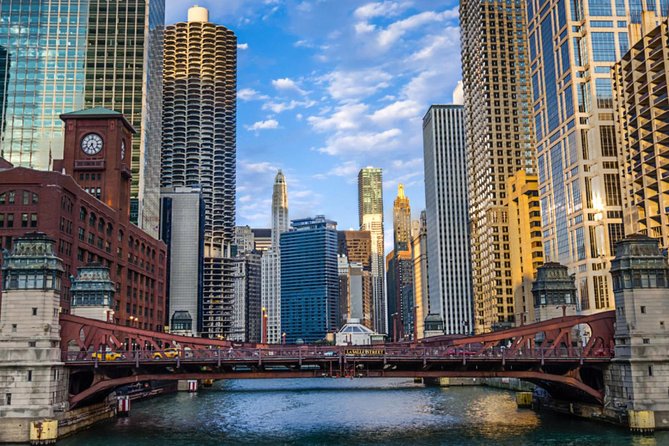
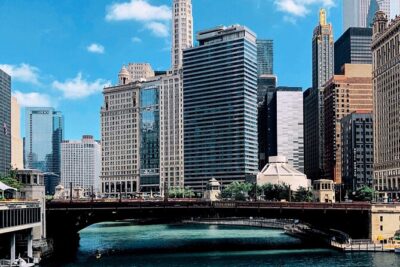
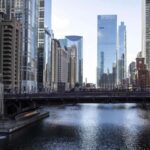
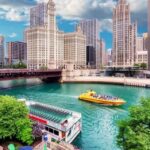
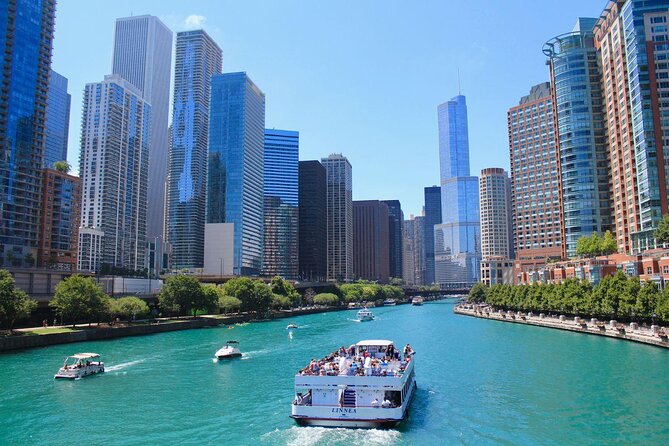
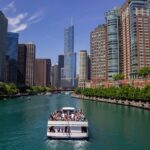
Your central stop is the Chicago River, and that’s where the tour earns its keep. You’ll learn how different waves of design shaped what you see along the water, with examples spanning Art Deco, Neo-Classical, and Gothic influences, plus the city’s modern skyline ambition.
What I like about this part is that it frames architecture as a living timeline. You’re not just hearing names; you’re getting a sense of how Chicago’s buildings reflect different eras, different priorities, and different styles of engineering.
On a boat, that story lands differently. From land, it’s easy to focus on the front of a building. From the river, you notice setbacks, rooflines, and how towers sit in relation to bridges and river curves—details that make the design feel real instead of theoretical.
Navy Pier: The Icon You Can Spot Even While You’re Learning
As you pass Navy Pier, you get a quick taste of Chicago’s visitor-facing side. You’ll see it as a lively hub with shops and restaurants, and you’ll likely recognize the Centennial Wheel even from the water.
This stop works well because it breaks up the architecture-only focus. After you’ve been thinking about styles on the river, seeing a landmark built around recreation helps you keep the bigger picture: Chicago isn’t just a skyline; it’s a working city with places people actually want to go.
It also gives you an easy visual anchor. If you’re new to Chicago, this makes your mental map click faster.
Cloud Gate (The Bean): More Than a Photo Stop
You’ll also see Cloud Gate, better known as the Bean. It’s one of Chicago’s most photographed sculptures, but from the water it feels different because of how the reflection plays with the skyline around it.
This is one of those moments where the tour’s storytelling pays off. When you’ve already been hearing how Chicago’s architecture evolved, you’re more likely to notice how the city’s public spaces and signature landmarks fit into the same overall idea: design used to shape how people move through the city.

Small Boat Upgrade vs Standard Experience: Seats and Sightlines Matter
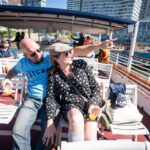
There’s an upgrade option to a small boat with a maximum of 60 people. In theory, smaller groups usually mean a better chance to hear the guide clearly and feel less crowded.
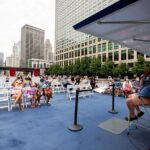
In practice, seat location can make or break the experience on smaller boats. One key caution from past riders is that some seats can limit your view of one side of the boat, and narration can be harder to follow if the guide is referencing the opposite bank.
So here’s my practical take:
- If you upgrade, aim for seats that keep you close to where the guide’s attention stays centered.
- If you’re picky about photos, treat seat choice as part of your strategy, not an afterthought.
If you’ve got mobility needs, it’s worth knowing the crew has been reported as accommodating. One rider described a wheelchair user in their group and noted the team handled it kindly and practically. Still, since boats can vary, it’s smart to be clear about your needs when you book.
The Guides: Why the Commentary Changes Everything
The value here is the narration. You’re getting a local guide, and the tour is built around how Chicago-born passion shows up in the way the stories are told. The team describes itself as born-and-raised Chicagoans, and that personal angle is part of why the architecture feels connected to real places.
You’ll hear entertaining, fast-moving explanations, and guide personalities can vary. Past riders have specifically named Justine and Jim as excellent hosts, both praised for being energetic and for making the history feel clear.
Two useful notes from what people report experiencing:
- Some guides speak at a quick pace, so being positioned where you can hear easily matters.
- Listening improves when you mentally match the story to what you can actually see outside the window/rail—so don’t tune out after the first few minutes.
If you want the best audio experience, don’t assume the “best seat” is the most scenic seat. Often it’s the one that puts you closer to the speaker.
Food, Coffee, Water, and Drinks: What’s Included Onboard
This tour includes bottled water, and you’ll get coffee and/or tea (including Starbucks coffee) plus snacks. That’s a real quality-of-life feature on a river cruise, because you’re not stuck rationing energy while you take in the sights.
Alcoholic beverages are available for purchase onboard. If you order something, plan to tip the staff. One rider specifically called out how friendly the bar team was.
My suggestion: treat the drinks like a bonus, not the plan. The narration is nonstop, and if you want to enjoy the architecture details, you’ll hear more and focus better if you keep things light.
Price and Value: Is $49 a Good Deal?
At $49, this is priced like an efficient, high-value orientation to Chicago’s architecture. You get a guided 1.5-hour boat ride, plus food and drinks included (water, coffee/tea, snacks). That combination matters because it reduces the usual “pay extra for everything” feeling you can get on city tours.
What you’re paying for isn’t just transportation. It’s the storytelling tied to what you’re actually looking at—especially the mix of classic styles (Art Deco, Neo-Classical, Gothic) and modern skyscraper energy.
If you like the idea of adding land viewpoints, the combo tour option can improve value by giving you more time seeing architecture overall. The combo includes a 90-minute minibus tour, and if your priority is variety, that can be the best use of time.
Timing Tip: Sunset Departures Can Change the Entire Mood
The tour can be especially good when the light shifts. One past rider described a 6pm departure that left right before sunset and returned as the city lit up, creating a second round of views as the skyline changed tone.
So if your schedule allows it, consider a later departure. You’ll still learn the architecture in daylight, then you’ll get the added “wow” factor of evening lighting.
Weather and Comfort: How to Avoid the Cold-Boat Problem
The experience requires good weather, and that’s not just a legal line—it’s part of enjoying the ride. One rider called out how cold it can get on the boat and suggested the boats could be better for the price.
Even if you bring the right layers, wind off the water is real. My practical checklist:
- Dress in warm layers you can move in
- Bring something that blocks wind
- Plan to stay on deck long enough to see the views, then warm up when you can
If conditions are poor, the tour may be canceled, and you’ll be offered a different date or a full refund. That’s helpful, because you’re not locked into showing up for weather that ruins the experience.
Who Should Book This Tour (and Who Might Skip It)
This tour fits best if you want:
- A guided overview of Chicago’s architectural styles in a short time
- A river perspective with real landmarks like the Bean and Navy Pier
- A group setting where the guide handles the story, so you don’t have to research on the fly
You might consider a different option if:
- You’re very sensitive to cold and expect to stay on deck for the whole ride
- You’re picky about having a perfect view from every angle and you’re choosing a smaller boat without checking seat location
Should You Book This Chicago River Architecture Tour?
Yes—if you want an efficient, guided introduction to Chicago architecture and you like seeing the city from the water. The included coffee/tea, snacks, and bottled water make it feel more complete than many “just a boat” deals, and the guide narration is the big reason it works.
Upgrade to the small boat only if you’re comfortable managing seat choice and you care about a group capped at 60. If you’re unsure, you’ll still get a strong experience from the standard setup because the tour’s structure is designed for quick understanding: styles, landmarks, and river-side context.
If you’re planning your day, aim for a departure that gives you daylight plus city lights, especially if you can snag a late afternoon or early evening slot.
FAQ
How long is the Chicago River architecture boat tour?
It runs about 1 hour 30 minutes.
What does the tour cost?
The price listed is $49.
Where is the meeting point?
You meet at 465 N McClurg Ct, Chicago, IL 60611, USA.
What’s included onboard?
The tour includes a local guide, bottled water, coffee and/or tea (including Starbucks coffee), snacks, and alcoholic beverages available for purchase onboard.
Do you see landmarks like Navy Pier and Cloud Gate?
Yes. You’ll pass by Navy Pier and you’ll see Cloud Gate (the Bean).
What happens if the weather is poor?
The experience requires good weather. If it’s canceled due to poor weather, you’ll be offered a different date or a full refund.
If you want, tell me what time of day you’re considering and whether you prefer maximum comfort or maximum photos, and I’ll help you choose between the standard and small-boat options.