REVIEW · CHICAGO
Chicago Architecture Center River Cruise aboard First Lady
Book on Viator →Operated by Chicago Architecture Foundation & Chicago's First Lady Cruises · Bookable on Viator
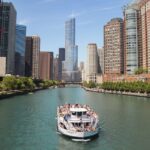
A river cruise that feels like Chicago’s cheat code. You’ll get a docent-guided tour along the Chicago River, with skyline hits like the Marina City towers and Navy Pier from the water. It’s built for pace too: multiple departure times, one simple route, and a comfortable boat setup with an enclosed, climate-controlled lower level.
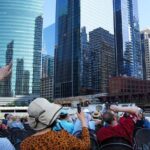
What I love most is the way the guide turns buildings into stories you can actually remember. A good docent (you may hear names like Cynthia, Laura, Amy, Nick, Mark, or Russell) explains why each design shows up where it does and how the city grew around it. Second, you’re not stuck outside the whole time: the top deck is open-air for views, while the lower salon keeps you warm when the wind cuts down the river.
One drawback to plan around: boarding is general admission and it’s first come, first served. If you arrive late, you can end up farther back, and there’s also no elevator access at the dock.
In This Review
- Quick Wins Before You Board
- Why the Chicago Architecture Center River Cruise Feels Like a Fast Intro
- Price: What $57 Buys You (and Where the Value Really Comes From)
- Getting There: Wacker Drive Is Convenient, So Plan Your Arrival Time
- Boat Comfort: Two Levels, Real Restrooms, and Weather-Proof Sailing
- What You’ll See: The Chicago River as an Architecture Timeline
- Marina City: Bertrand Goldberg’s Urban Experiment in Motion
- Navy Pier: Adaptive Reuse That Changed the Riverfront Mood
- Willis Tower and the Sears Tower Era: Size, Scale, and Ambition
- The Mies van der Rohe Modernist Moment on the River
- Trump International Hotel & Tower: Reflections That Match the Surroundings
- Engineering Talk: 150 North Riverside Plaza and the “Gravity-Defying” Feel
- Boeing International Headquarters and Chicago’s Riverfront Power
- Chicago Mercantile Exchange and the River’s Commerce Identity
- Chicago Tribune Freedom Center: Turning Story into Place
- Practical Tips That Make the Cruise Feel Easier
- Who This Cruise Suits Best (and Who Might Want Another Option)
- Should You Book the First Lady Architecture Cruise?
- FAQ
- Where does the cruise depart and end?
- What’s the duration of the Chicago Architecture Center River Cruise?
- How much does it cost?
- Are there restrooms onboard?
- Can I buy drinks or snacks on the boat?
- Is seating assigned?
- What should I wear or bring?
- Does the boat have climate control?
- Is the ticket refundable?
- Is luggage allowed on board?
Quick Wins Before You Board
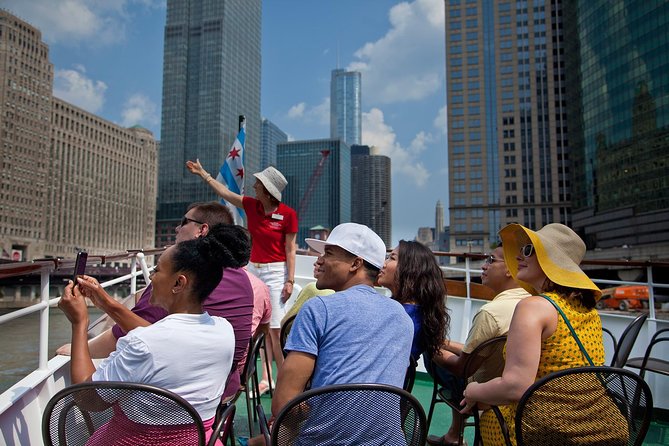
- Docent-led architecture narration ties landmarks to Chicago’s growth, engineering, and design choices
- Two-level comfort: open-air top deck plus a climate-controlled lower salon
- Best for time-strapped trips: big-picture skyline views in about 90 minutes
- Icon spotting from the river: Willis Tower, Marina City, Navy Pier, and more
- Photo-friendly angles as you glide past the riverfront landmarks
- Onboard bar for purchases makes colder evenings feel more social
Why the Chicago Architecture Center River Cruise Feels Like a Fast Intro
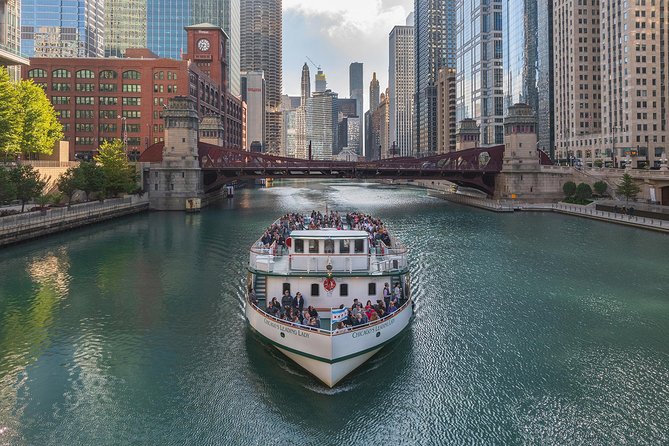
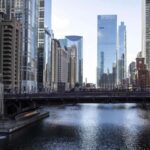
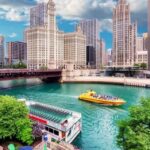
Chicago is a tall-city. The downtown skyline can look like one big blur when you’re walking, especially if you’re trying to see a lot in a short trip. This First Lady architecture cruise solves that by changing your viewpoint. From the river, you watch the city “stack” and you see patterns in what’s built close to the water versus what stretches outward.
The second reason it works is the pacing. You’re on the water for about 1 hour 30 minutes, and the narration is designed to keep the story moving as you pass each cluster of landmarks. That means you leave with a mental map you can use when you later wander near Wacker Drive, the Riverwalk, Millennium Park, or the Magnificent Mile.
If you’re the kind of traveler who likes context—why a building looks the way it does, and why it sits where it sits—this is one of the best value plays in the city. It costs less than a full day of separate museums and it’s far easier than trying to stitch together river views on your own.
You can also read our reviews of more boat tours in Chicago
Price: What $57 Buys You (and Where the Value Really Comes From)
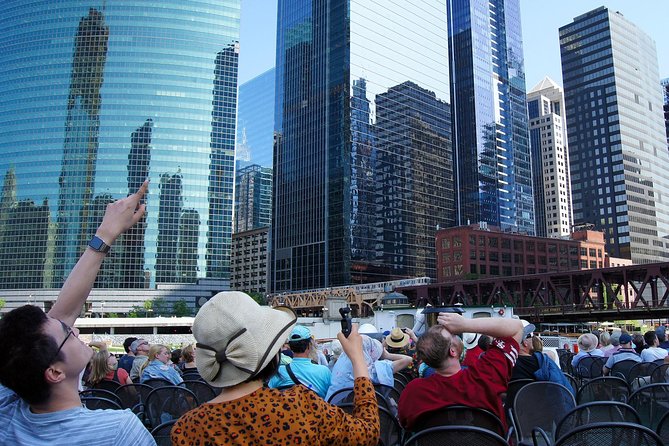
At $57 per person for roughly 90 minutes, this isn’t a “cheap” activity. It also isn’t just a scenic ride. The ticket includes live commentary, a docent, and a comfortable sightseeing boat setup, including restrooms onboard and a climate-controlled lower level.
Here’s the value logic: you’re paying for a guide to compress a lot of architecture knowledge into one flowing route. If you tried to recreate the same experience by self-guided walking plus transit plus multiple viewpoints, you’d spend more time and likely more money. This gives you the “greatest hits” of the riverfront in one stretch.
There’s also a nice perk if you want to go deeper later. The Chicago Architecture Center offers discounted admission of $5 per person if you show your river cruise ticket, so the cruise can act like a trailer for what you might explore on land after.
Getting There: Wacker Drive Is Convenient, So Plan Your Arrival Time
The meeting point is at 112 E Wacker Dr. It’s right on the Chicago Riverwalk area, and it’s close enough that many people pair it with other central sights.
One practical tip that matters: arrive at least 30 minutes before departure. Boarding is first come, first served, and the process can take time—especially when the boat is filling up for a popular time slot. The ticket office is street-level on the Riverwalk level near the Wacker Drive side, so give yourself buffer time to find the right line and settle in.
Parking is available nearby. The closest garage listed is LAZ Parkins Garage at 111 E Wacker Dr, across from the stairway to the dock. If you’re taking transit, the departure area is near public transportation, which makes the whole thing less stressful.
Boat Comfort: Two Levels, Real Restrooms, and Weather-Proof Sailing
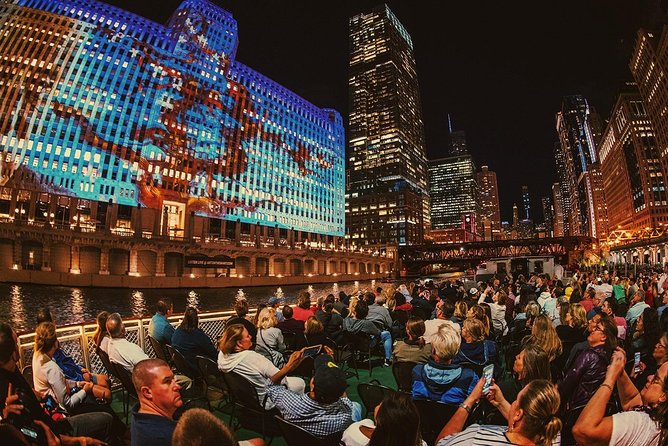
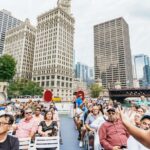
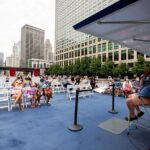
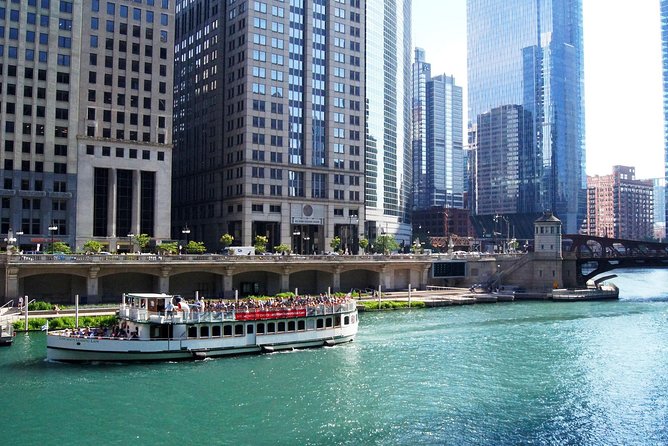
This cruise operates in all weather. That’s huge for Chicago, because weather can flip fast. You get two options while you’re out there: the top deck is open-air for unobstructed views, while the lower deck is enclosed and climate controlled with large windows.
This setup means you can match the deck to your mood. Want maximum skyline exposure for photos? Go up top. Want less wind when the sun drops or it turns chilly in the shade? Stay below and still see plenty.
Restrooms are onboard too, but plan ahead: they close 15 minutes before the end of the tour for safety reasons. If you’re bringing kids or you’re the type who likes to use facilities early, set expectations and don’t wait until the final stretch.
Also note what isn’t included: there’s no WiFi onboard, and you can’t bring luggage due to security reasons. Leave bags at your hotel.
What You’ll See: The Chicago River as an Architecture Timeline
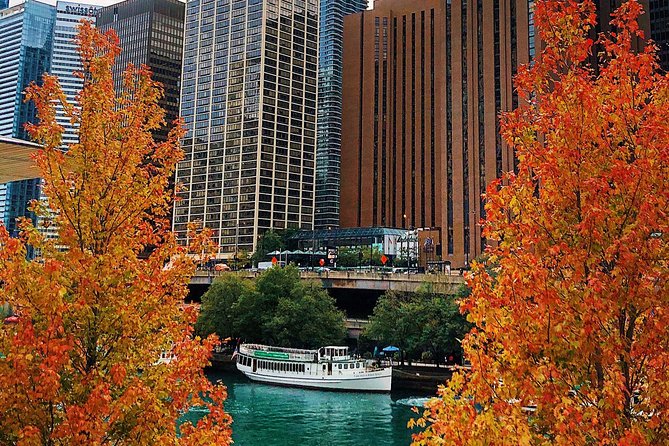
The ride is essentially a moving lecture along the river. You start with the Chicago River itself—how it has evolved through industry, transportation, revitalization, and recreation. That “start” matters because it frames everything you see next. Instead of treating buildings as random skyline decoration, you understand them as answers to Chicago’s changing needs.
Then the landmarks come in a steady sequence. Some stops are best understood visually (big towers, riverfront icons), while others are best understood through the narration because the design choices only make sense with context.
You’ll also be close to major riverfront structures, so it’s not one of those tours where you spend most of the time looking at tiny silhouettes. The river puts you near the action.

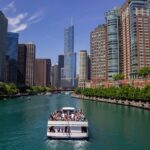
Marina City: Bertrand Goldberg’s Urban Experiment in Motion
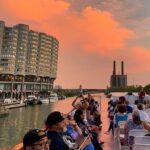
Marina City is one of those Chicago landmarks that looks futuristic even if you know it’s not new. When Bertrand Goldberg envisioned it, he wasn’t only building towers—he was running an urban experiment to bring middle-class Chicagoans back to the city after more than a decade of suburban migration.
From the river, the towers feel different than they do in photos from streets and brochures. You get height perception and scale without needing to stand directly in front of the complex. The narration helps you see why the design was trying to solve a social problem, not just create a dramatic skyline profile.
Practical note: if you want the cleanest views for pictures, try to stand where you’re not blocking other people. On general admission boats, that can mean arriving early and staking out a spot before you hit the most photographed stretches.
Navy Pier: Adaptive Reuse That Changed the Riverfront Mood
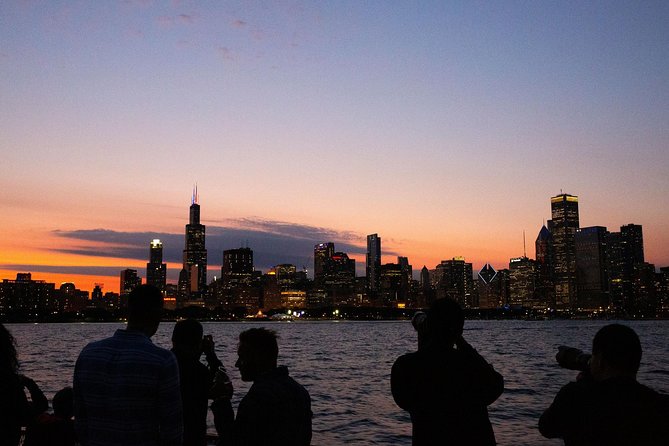
Navy Pier shows up as another “reinvention” story. It’s described as a hallmark of adaptive reuse—turning a naval base and a university campus history into a shipping hub, then into a major entertainment destination.
The value here is how you learn to read the riverfront like a timeline. Many cities have waterfronts that stay basically the same. Chicago keeps changing what the river is for, and Navy Pier is a visible marker of that shift.
If your plan includes walking Navy Pier later, this cruise can help you choose which parts are worth your time. You’ll already understand the shape of the place and the kind of activity it was designed to support.
Willis Tower and the Sears Tower Era: Size, Scale, and Ambition
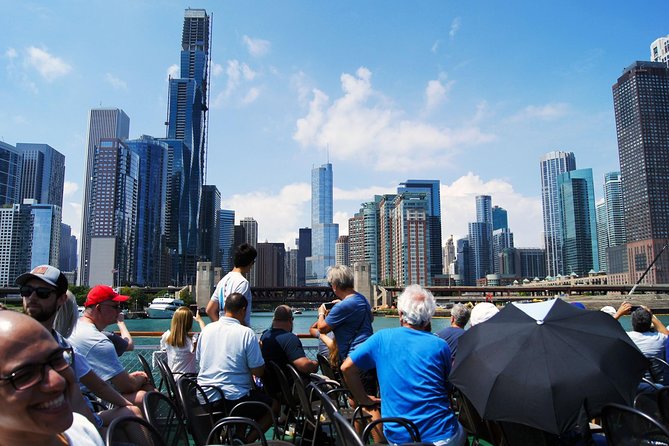
The cruise brings you past the Willis Tower (formerly known as the Sears Tower), which held the title of tallest building in the world for nearly 25 years after it was completed. On top of the skyline wow-factor, the narration gives you a key Chicago theme: size has always mattered here.
When Willis Tower opened in 1930, it was described as the largest building in the world and it served as Marshall Field’s wholesale warehouse at the time. So the tower isn’t only an icon—it’s a snapshot of how commerce worked before today’s office-and-lobby rhythm.
From a visitor standpoint, that context helps a lot. You’re not just seeing height. You’re seeing the building’s “job” when the city was organizing itself into modern patterns.
The Mies van der Rohe Modernist Moment on the River
One of the last American projects by Ludwig Mies van der Rohe is pointed out during the cruise. Modernist buildings can feel cold or “same-y” if you only see them from one angle, but a river cruise gives you movement and perspective.
What the narration does is connect the dots for why this structure matters in Chicago’s architectural evolution. Instead of staring at a facade and hoping it clicks, you get the design rationale packaged into a passing moment.
For photo fans: modernist shapes plus river reflections can make great shots. Use the windowed lower deck if it’s windy or harsh outside, but don’t be afraid to go up top when the lighting looks good.
Trump International Hotel & Tower: Reflections That Match the Surroundings
The cruise doesn’t treat the Trump International Hotel & Tower as only a glossy object. The explanation focuses on how the tower reflects and interacts with its surroundings—not just its shiny exterior.
That’s a clever thing for visitors to hear because it changes how you look at reflective glass while you’re on the river. You start watching not only the building itself, but also what it’s mirroring around it: water, nearby structures, and the sky over downtown.
It’s also a reminder that architecture here isn’t isolated. Buildings are in conversation with neighboring styles, materials, and riverfront conditions.
Engineering Talk: 150 North Riverside Plaza and the “Gravity-Defying” Feel
The stop around 150 North Riverside Plaza gets called out for its engineering drama, described as gravity-defying. Whether you’re an architecture nerd or just someone who likes clever structures, this section of the cruise tends to be the kind where you pause and re-look because the shape reads differently when viewed from a boat.
What I like about including stops like this is that it prevents the tour from becoming only “design and dates.” Chicago is also an engineering city, and this portion leans into that reality.
If you’re traveling with people who usually tune out in lectures, this kind of highlight helps keep everyone interested.
Boeing International Headquarters and Chicago’s Riverfront Power
The cruise also shows Boeing International Headquarters at 100 N Riverside Plaza. This isn’t just a name-drop moment. It’s a reminder that corporate presence along the river isn’t random; it ties into accessibility, prestige, and the way Chicago organizes business around central waterways.
When you see headquarters from the river, it feels more grounded than when you only see them from street level. You can sense how the riverfront connects to movement across the city.
If you’re planning any later time in the Loop, this segment helps you connect street addresses you might spot on maps with real skyline shapes you recognize.
Chicago Mercantile Exchange and the River’s Commerce Identity
Passing the Chicago Mercantile Exchange Building at 20 S Wacker Drive reinforces another Chicago theme: commerce and design are linked. You’re not just floating past pretty towers. You’re passing buildings that helped shape how markets and trade work.
And save Half-Day Best of LA Sightseeing Tour for the next trip.
This portion is especially useful if you’re the type who likes to understand modern Chicago, not just old Chicago. Even if you don’t know a trading floor from a bakery counter, the narration gives you a framework for why the building belongs here.
Chicago Tribune Freedom Center: Turning Story into Place
The cruise points out the Chicago Tribune Freedom Center. This isn’t a “look at the shape” stop as much as it is a “what this place represents” stop.
On a short trip, these stops help you avoid the common mistake of treating the riverfront as purely a photography strip. Chicago’s landmarks often carry cultural meanings, and the narration brings that forward in a way that doesn’t require museum time.
If you want a fuller story later, you’ll know what to seek.
Practical Tips That Make the Cruise Feel Easier
A few small details can change how enjoyable this tour feels:
Bring layers. Even if it’s sunny at boarding time, the open-air top deck gets colder in shade. You’ll be glad for a warm layer when the river wind finds you.
Wear something for sun and view lines. Sunglasses and a cap help with glare. The sun can interfere with your sightlines to the buildings.
Arrive early if you care about where you sit. Because it’s first come, first serve general admission, early boarding is your best friend. The boat can be comfortable even when full, but your view is better if you’re near the best sight lines.
Remember the restroom timing. They close 15 minutes before the tour ends, so don’t save it for the last stretch.
Don’t bring luggage. Security rules mean you can’t carry bags onboard, and there’s no dockside storage. Travel light.
Who This Cruise Suits Best (and Who Might Want Another Option)
This is a strong fit for:
- First-time visitors who want orientation fast
- People who love architecture plus city context
- Anyone short on time who still wants real skyline views
- Travelers who want a plan that works in bad weather because you can shelter below
It may be less ideal if:
- You want a long, slow sightseeing experience. This is about 90 minutes, so it’s intentionally paced.
- You’re traveling with younger kids. The guidance says it’s not recommended for children younger than 12.
If you’re going at night, you may enjoy the lighting and the mood—just dress for it. If you’re going daytime, you’ll likely get brighter angles on the riverfront.
Should You Book the First Lady Architecture Cruise?
Yes, if your goal is to understand Chicago faster and see major riverfront icons without spending the whole day in transit. The price makes sense when you factor in live docent narration, weather-proof comfort, and a route packed with recognizable landmarks like Marina City, Navy Pier, Willis Tower, and the Chicago Mercantile Exchange area.
I’d book it especially if it’s day one of your trip. It helps you connect the dots later when you walk around town. You’ll come away with a better sense of where the city’s architecture came from and how it’s still shaping the river today.
FAQ
Where does the cruise depart and end?
The cruise departs from the Chicago Riverwalk dock area at 112 E Wacker Dr. It ends back at the same meeting point.
What’s the duration of the Chicago Architecture Center River Cruise?
The tour runs about 1 hour 30 minutes (approximately).
How much does it cost?
The price is $57.00 per person.
Are there restrooms onboard?
Yes. There are restrooms onboard, and they close 15 minutes before the tour ends for safety reasons.
Can I buy drinks or snacks on the boat?
Drinks & light snacks are available to purchase, and there is a full bar onboard.
Is seating assigned?
No. Seating is general admission. Boarding is first come, first served.
What should I wear or bring?
Dress for the weather and bring items like sunglasses and a cap/visor for sun glare. The cruise runs in all weather, so layers help.
Does the boat have climate control?
Yes. The lower level is climate controlled, and the top deck is open-air.
Is the ticket refundable?
Tickets are not refundable and not transferrable to other departures.
Is luggage allowed on board?
No. Due to security reasons, there is no luggage storage and luggage can’t be brought onto the boat.