REVIEW · CHICAGO
Chicago River 45-Minute Architecture Tour from Magnificent Mile
Book on Viator →Operated by Wendella Tours & Cruises · Bookable on Viator
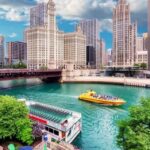
Chicago’s skyline looks different from the water. This 45-minute architecture cruise gives you a fast, front-row view of landmark buildings along the Chicago River, with live narration focused on how this city grew. You’ll pass the Riverwalk, the Michigan Avenue Bridge, and iconic names like the Wrigley Building and Merchandise Mart.
I especially like how easy this tour fits real trip schedules. It’s short enough to enjoy without burning your whole day, but it still points out enough details that you’ll leave with a clearer picture of Chicago’s architectural story. One possible drawback: seating is first come, and on colder days the open-air deck will feel frigid fast, so plan for a quick swap between decks.
In This Review
- Quick hit value: why 45 minutes feels perfect here
- Ticket value at $28: what you’re really paying for
- Where you meet the boat at the Wrigley Building
- Choosing your deck: open-air views vs a warm lower lounge
- The route: what you’ll see and what each stop is really about
- Michigan Avenue Bridge and the Riverwalk: the city in motion
- Wrigley Building: industry, style, and landmark identity
- Merchandise Mart: scale you can feel
- Lyric Opera House: culture as a downtown anchor
- Mixed-use apartment towers with a corn-cob look
- Willis Tower views: the skyline big finish
- Live narration: why the guide matters (and who you might hear)
- Cold-weather reality: how to stay comfortable and still enjoy photos
- Onboard extras: snacks, drinks, and what’s worth planning for
- Size and flow: a small group feel on a big-city icon run
- Best for whom: who will love this tour most
- Should you book the Chicago River 45-minute architecture cruise?
- FAQ
- Where do we meet for the Chicago River 45-minute architecture tour from the Magnificent Mile?
- How long is the cruise?
- What seating options are available on board?
- Is there a restroom onboard?
- What landmarks does the tour highlight?
- Does the tour include food or drinks?
- Is the bar card-only or cash?
- Is the tour wheelchair accessible?
- Can I cancel, and what happens if weather is bad?
Quick hit value: why 45 minutes feels perfect here
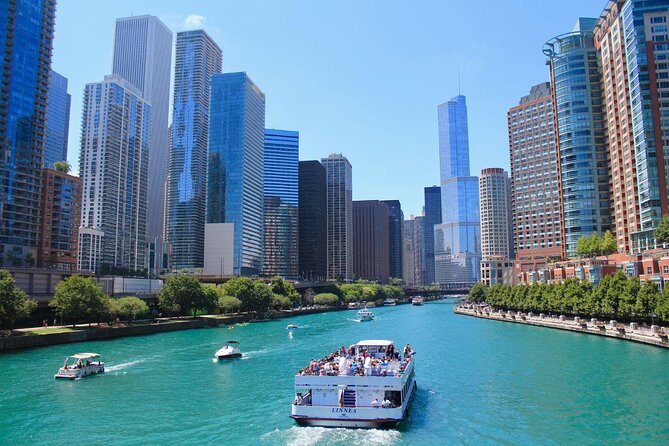
This is one of those Chicago experiences that respects your time. Forty-five minutes sounds short on paper, but on the river you’re moving past major architectural highlights at a steady pace, so you get variety without exhaustion. It also helps that the route covers the river’s most visually important stretches in one loop-like ride rather than asking you to guess what you’re seeing.
If you’re pairing this with other Magnificent Mile plans—museums, shopping, or a meal—this timing is a lifesaver. You can do it early in the day for daylight photos, or in the evening when the buildings light up and the whole skyline has more mood. And for families, the shorter length is usually the difference between a win and a meltdown.
Ticket value at $28: what you’re really paying for
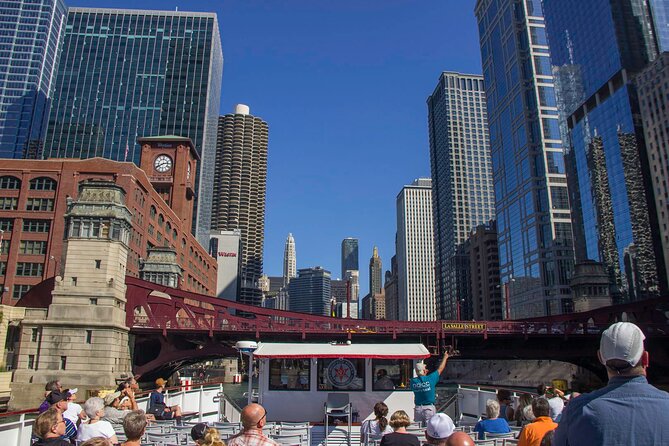
At $28 per person, you’re not just paying for a boat ride. You’re buying three practical things: a guided, spoken walkthrough, close-up viewing from the river, and weather protection onboard.
The live commentary is the money-maker. You’ll hear how the landmarks connect to Chicago’s growth and how the river shaped what got built. With a guide speaking in real time (and an enclosed lounge with speakers), it’s designed so you’re not stuck scanning quietly while you try to interpret buildings yourself.
You also get the kind of comfort that makes the price make sense in real life. The lower deck includes an enclosed, climate-controlled lounge plus a restroom on board, so if the weather turns, you’re not stuck freezing for the full tour.
You can also read our reviews of more tours and experiences in Chicago.

Where you meet the boat at the Wrigley Building
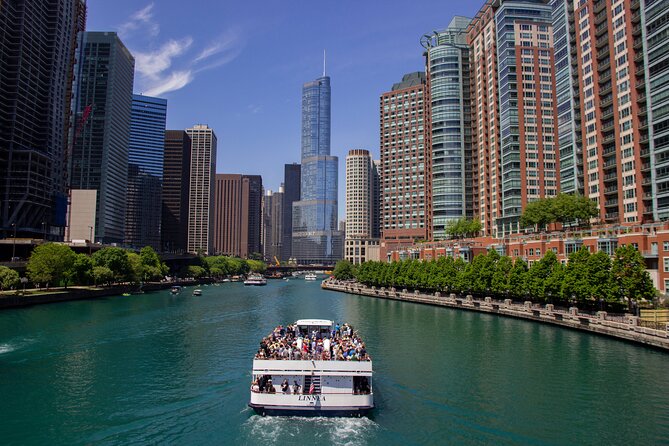
Meet at 400 N Michigan Avenue, at the historic Wrigley Building. From there, Wendella has docks positioned along the west side of the Michigan Avenue (DuSable) Bridge area, so you’re not wandering across the city trying to “find the right dock.”
Arrive about 30 minutes before departure. That’s not “extra.” It’s for parking hassles, searches of bags, and getting seated before the boat pulls away. Since this is a mobile-ticket setup, having your ticket ready and easy to show cuts stress right away.
Parking is available nearby in two garages: AMA Plaza parking (401 N. State Street) and InterPark Public Parking (430 N. Rush St.). Both charge fees, but they’re close enough to make this workable even if you’re driving in for a short visit.
Choosing your deck: open-air views vs a warm lower lounge
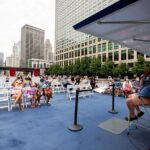
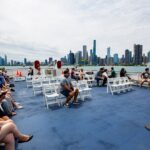
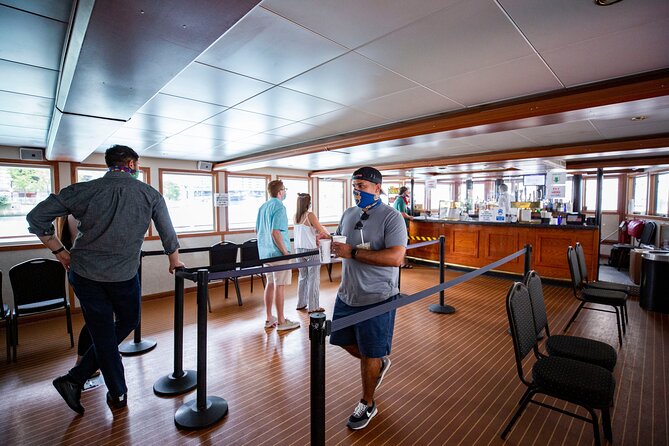
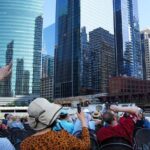
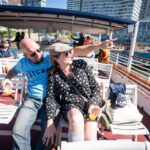
You can sit outside on the top deck or inside in the sheltered bottom deck. In practice, I’d treat this as a two-mode tour: go up for the best skyline shots, then drop inside when the wind or temperature bites.
The lower deck isn’t just “covered.” It’s described as climate-controlled, and it includes speakers so you can still hear the narration clearly. Multiple people also highlight that there’s plenty of seating options and that the ride feels organized, which matters because seating is first come, first served.
Here’s a practical photo tip from the vibe of the tour: if you’re trying to nail the best views, follow the boat seating rhythm and aim for the side that gives you clean angles. One strong tip that comes up is that the left side is often best when you’re facing the front of the boat, with good sightlines along the bench area.
The route: what you’ll see and what each stop is really about
This cruise covers the main part of the Chicago River and part of the south branch. The narration ties together not just what each building looks like, but why that building matters in Chicago’s architecture and business history.
Michigan Avenue Bridge and the Riverwalk: the city in motion
Early on, you’ll pass the Michigan Avenue Bridge and get oriented to the river’s role as a kind of urban spine. This is where the tour helps you stop treating the skyline as separate icons and start seeing how the city grew around the waterway.
The Chicago Riverwalk is a key theme here. It’s not just a pretty edge—it’s a designed public space that changed how people experience the river. Seeing it from the boat gives you a different angle than the sidewalk view, and that contrast is part of the value.
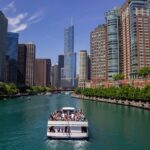
Wrigley Building: industry, style, and landmark identity
You’ll glide past the Wrigley Building at 400 N Michigan Avenue, named for one of Chicago’s famous industrialists. This is one of those buildings that people recognize right away, then realize they don’t actually know why it’s such a big deal until a guide puts it in context.
On the water, the Wrigley Building looks tall and slightly imposing—exactly the effect you want from an architecture tour. The narration connects it to Chicago’s industrial era and its lasting impact on the city’s identity.
Merchandise Mart: scale you can feel
Next up: the Merchandise Mart. It’s described as one of the largest buildings in Chicago and the country, and when you pass it by river level you can really grasp the sheer size.
This stop is valuable because it shifts the focus from “pretty skyline” to how Chicago built at massive scale. It helps you see that architecture here isn’t just decoration—it’s about commerce, movement, and business infrastructure.
Lyric Opera House: culture as a downtown anchor
You’ll also learn about the Lyric Opera House, Chicago’s grand venue for live performance, business, and entertainment. From the river, it reads like part of a broader downtown stage—where art and commerce share space in the same architectural neighborhood.
Even if you’ve never been to the opera, this is still a meaningful stop. It reminds you that cities invest in culture the same way they invest in offices and trade, and the skyline reflects that.
Mixed-use apartment towers with a corn-cob look
The tour also passes iconic mixed-use apartment buildings described with a unique corn-cob exterior—essentially a “city within a city” idea. From the water, those facades can look patterned and rhythmic, which makes the narration easier to follow because you can visually connect the design to the concept.
This part of the cruise is a nice balance if you’ve been mostly focused on classic landmark structures. It adds variety and keeps the story moving toward modern downtown living.
Willis Tower views: the skyline big finish
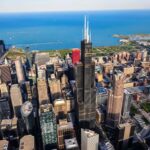
The tour highlights major views that include the Willis Tower area, so the experience feels like a complete skyline wrap-up rather than a scattered tour of a few buildings. If you like getting a quick “big picture” sweep, this is a strong ending note.
Live narration: why the guide matters (and who you might hear)
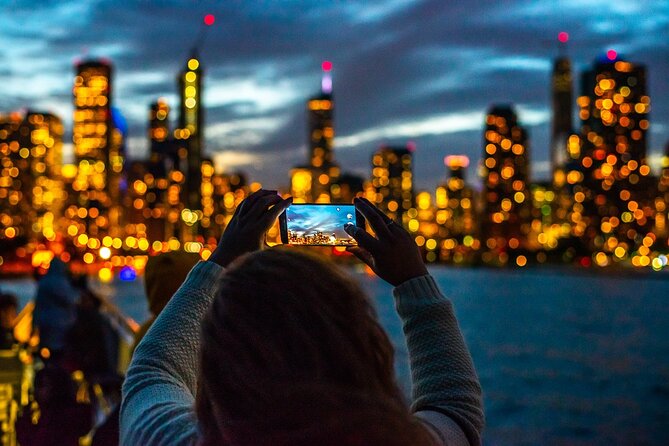
This tour lives or dies on the spoken commentary. Multiple guides are mentioned by name in the experience, including Tess, Chris, Zach, and Alyssa—and the common thread is that the narration is lively, clear, and easy to hear from both decks.
I love when a guide doesn’t just read building facts. Here, the best moments come when the narration connects architecture to real Chicago history: industry, commerce, and the river’s influence on where buildings went and why.
Also, cold-weather tours make sound quality matter even more. The tour setup includes an enclosed lounge and speakers so you’re not stuck straining to hear while you’re busy shivering.
Cold-weather reality: how to stay comfortable and still enjoy photos
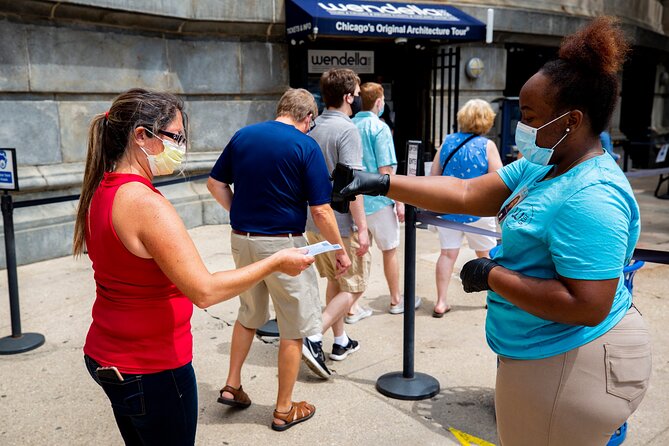
If you’re going in fall or winter, dress like the wind is your main enemy. The open-air deck will feel colder than you expect, and the boat ride can feel even breezier than being on land. One helpful approach: start outside for a few minutes, then rotate back inside until you warm up.
People doing January tours often recommend staying in the lower, climate-controlled area longer, then coming out near the end for final photo angles. That way you don’t waste the whole ride fighting numb hands at the railing.
There’s also a reminder that the boat is sheltered and the lounge is climate-controlled, so you’re not “committed” to freezing the entire time. The tour is built for real weather, not ideal weather.
Onboard extras: snacks, drinks, and what’s worth planning for
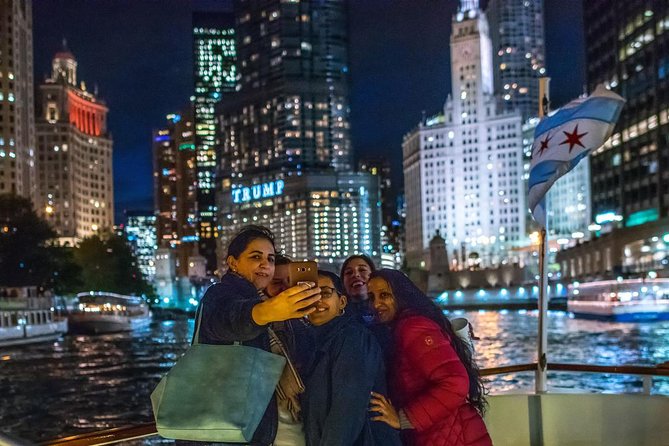
You can purchase snacks and drinks onboard, plus souvenirs. There’s also a full-service bar.
If you plan to buy anything, know that bar sales use credit cards only—no cash purchases. One small annoyance that’s worth factoring in from a cold-weather perspective: some people report that the hot drink options weren’t great, so don’t plan on the onboard café experience being the highlight.
Restroom access is a plus—restrooms are located on the lower deck. The tour also notes changing tables are available in the restrooms, which is especially handy if you’re traveling with small kids.
Size and flow: a small group feel on a big-city icon run
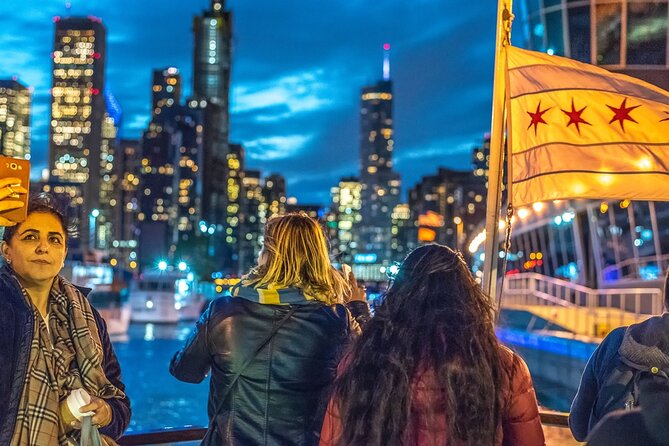
The boat capacity is kept reasonable, with a maximum of 100 travelers. That matters because you’re less likely to feel swallowed by crowds while you’re trying to listen to narration and line up photos.
Boarding and seating follow a first come, first served rhythm, so arrive early. The tour also runs in English, and it’s marked as suitable for most travelers.
If you’re sensitive about storage, keep it simple: there’s no storage on the dock, and bags are subject to search. Plan to bring only what you can comfortably carry aboard.
Best for whom: who will love this tour most
This tour is a great fit if you want a single, efficient architecture outing without committing to a long day. It works well for first-time visitors who want a “get your bearings fast” version of Chicago’s architectural story.
It’s also family-friendly because the ride stays relatively short and the narration is designed to be understandable while you’re moving past the landmarks. Solo travelers like it too, since you’re seated and guided rather than building your own route from stop to stop.
Should you book the Chicago River 45-minute architecture cruise?
If you want a quick, structured way to experience Chicago’s skyline from the water, I’d book it. The timing is ideal, and the mix of major landmarks plus clear live narration is what turns the river view into an actual experience, not just a pretty photo session.
Choose it especially if you’re short on time, traveling with kids, or you want a plan that works in mixed weather since the lower deck is climate-controlled. I’d pass on it only if you hate boats, dislike crowds with first-come seating, or you’re expecting a long, slow architecture lecture. For a tight and memorable river hit from the Magnificent Mile area, this one earns its repeat-book status.
FAQ
Where do we meet for the Chicago River 45-minute architecture tour from the Magnificent Mile?
You meet at 400 N Michigan Avenue, at the historic Wrigley Building. The Wendella docks extend west from the Michigan Avenue (DuSable) Bridge to Wabash Avenue.
How long is the cruise?
The cruise is about 45 minutes.
What seating options are available on board?
You can choose the open-air top deck or the sheltered, enclosed bottom deck. Indoor and outdoor seating are available on a first come, first served basis.
Is there a restroom onboard?
Yes. Restrooms are located on the lower deck of each vessel.
What landmarks does the tour highlight?
The tour includes landmarks and areas such as the Chicago Riverwalk, Michigan Avenue Bridge, Wrigley Building, Merchandise Mart, and the Lyric Opera House. Willis Tower is also listed among the highlights.
Does the tour include food or drinks?
Snacks, drinks, and souvenirs are available for purchase onboard, but they are not included in the price.
Is the bar card-only or cash?
Bar sales are credit cards only, and no cash purchases are mentioned.
Is the tour wheelchair accessible?
Wheelchair lifts operate between decks on the boats, and the tour notes ADA-compliant toilets.
Can I cancel, and what happens if weather is bad?
You can cancel for a full refund up to 24 hours before the start time. The cruise requires good weather, and if it’s canceled due to poor weather, you’ll be offered a different date or a full refund.