REVIEW · CHICAGO
Chicago City Tour: Elevated Architecture Tour with Train Ticket Included
Book on Viator →Operated by Chicago Architecture Center · Bookable on Viator
The L turns Chicago buildings into a moving lesson. On this Chicago Loop architecture tour, you ride the tracks with a certified guide and then spend most of your time standing on platforms, looking up at major landmarks while the story connects back to what you’re seeing. I love the small group cap of 10, which keeps the pace human and the questions easy.
I also like that the ticket value is clean: Chicago Architecture Center gallery admission and your L train fare are both built into the price. One thing to plan for: the tour is not ADA accessible and a lot of time is spent outdoors and standing with stairs involved, so mobility limits can be a deal-breaker.
In This Review
- Key highlights
- Why the Chicago “L” makes architecture make sense fast
- Starting at the Chicago Architecture Center (and the Ventra card tip)
- The Loop stops: what you’ll see and what to watch for
- Stop 1: Chicago Architecture Center
- Stop 2: Washington/Wabash (L station)
- Stop 3: Trump International Hotel & Tower Chicago (view)
- Stop 4: Marshall Field and Company Building (view)
- Stop 5: Harold Washington Library Center + State/Van Buren station (view)
- Stop 6: Metropolitan Correction Center (MCC Chicago)
- Stop 7: 343 S Dearborn St (Fisher Building view)
- Stop 8: DePaul University – DePaul Center
- Stop 9: 175 W Jackson Blvd (Insurance Exchange Building view)
- Stop 10: Clinton (Clinton St/Lake St L station)
- Stop 11: 567 W Lake St (CTA headquarters view)
- Stop 12: Chicago Board of Trade building
- Stop 13: 180 N Wabash Ave (LeMoyne Building view)
- Stop 14: Washington/Wabash (L station again)
- Stop 15: Back to Chicago Architecture Center
- Guides who make the concrete feel human
- How to plan for the time on platforms (and what not to expect)
- Price: $41 that includes the two most expensive parts (context + transit)
- Who this fits best—and who should skip it
- Should you book the L architecture tour?
- FAQ
- How long is the Chicago City Tour?
- How large is the group?
- What’s included in the $41 price?
- Do I need a Ventra card?
- Is food or drink included?
- Is seating guaranteed during the tour?
- Are pets allowed?
Key highlights
- Train fare included so you can focus on the ride, not tickets
- Chicago Architecture Center galleries included to give context before the stops
- Small-group size (max 10) for a calmer, more interactive feel
- Major Loop landmarks spotted from the L and station areas
- Guided narration with story-driven architecture history (including guide names like Steve, Howard, Dan, and Doug)
- Good-weather dependent format with most time outdoors
Why the Chicago “L” makes architecture make sense fast
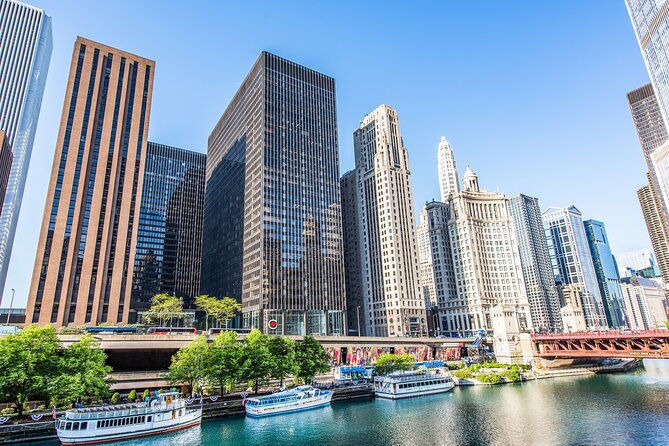
Chicago’s Loop has plenty of architecture tours that stay on sidewalks. This one adds something smarter: you experience the city the way commuters do—by moving through it on the L. Even though you’re only on the train for a relatively short stretch, the ride changes how the buildings look. From the stations and along the line, you see the city in “layers”: street-level blocks, then the downtown canyon, then the skyline framed by the elevated tracks.
That matters because Loop architecture isn’t just about individual famous facades. It’s about density, engineering, and how the city learned to build upward. When your guide ties design choices to the rail line and the neighborhood’s growth, the stops stop feeling random. You begin to connect the dots between transit, land use, and why certain buildings stand where they do.
The best part is that it’s not a dry lecture. The narration is designed to run while you can actually see the results. Guides like Steve (praised for professional delivery and history stories), Howard (noted for being highly knowledgeable), Dan (handled rough spring weather with determination), and Doug (commended for giving a different perspective) all point in the same direction: story + visuals.
You can also read our reviews of more tours and experiences in Chicago



Starting at the Chicago Architecture Center (and the Ventra card tip)
You meet at 111 E Wacker Dr and start at the Chicago Architecture Center. This is a good move because it gives you a mental map before you start hopping between stations. The tour begins with a short window—about 10 minutes—that includes admission to the galleries.
Here’s the practical detail that can save you stress: you’ll need a Ventra card to ride. The tour instructions say you should request a Ventra card from the Chicago Architecture Box Office when you check in for the tour. If you arrive a bit early, you’ll have an easier time handling that without rushing.
Why that matters: the Chicago Architecture Center isn’t just a waiting room. It’s the place where the architectural context clicks—so later, when your guide mentions the personalities and planning behind what you see, it lands faster.
The Loop stops: what you’ll see and what to watch for
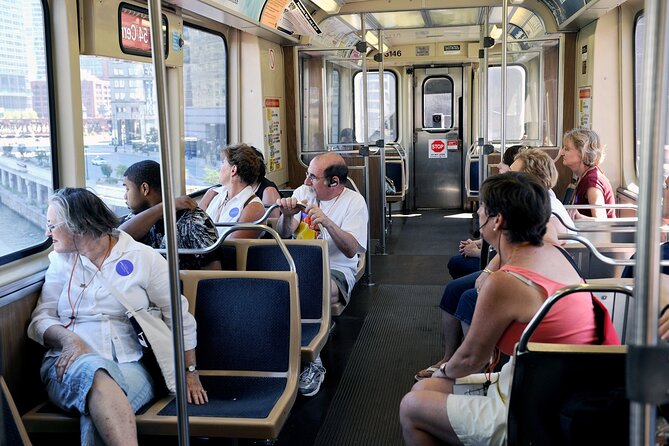
The tour is about 2 hours, and only around 15 minutes total are on the train. The rest is spent outdoors on station platforms, with short viewing stops. That structure is a feature, not a bug: you get movement, but you also get time to look closely and take photos.
Here’s how the stops shape the experience.
Stop 1: Chicago Architecture Center
You start with gallery admission included and a chance to get oriented. Treat this as your “warm-up.” If you want to understand what you’re about to see—especially how Chicago became Chicago—this is where the tour quietly builds momentum.
Stop 2: Washington/Wabash (L station)
At Washington/Wabash, you get your first real look at the L as transportation infrastructure, not a novelty. The time here is about 10 minutes, which is long enough to notice the station flow and how the tracks frame the surrounding buildings.
Tip for photos: station viewpoints can change depending on where the group is positioned, so be ready to move when your guide calls it out.
You can also read our reviews of more city tours in Chicago

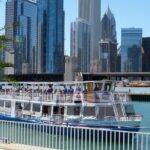




Stop 3: Trump International Hotel & Tower Chicago (view)
You get a short look (about 5 minutes) at Trump International Hotel & Tower. This stop is less about details you can read from afar and more about recognizing scale and location—how it sits in the downtown mix and how the L line brings your perspective up and out.
Stop 4: Marshall Field and Company Building (view)
Another 5-minute exterior view takes you past the Marshall Field and Company Building area. This is a good contrast stop: it helps you see how different eras of Chicago building design still coexist within the same rail corridor.
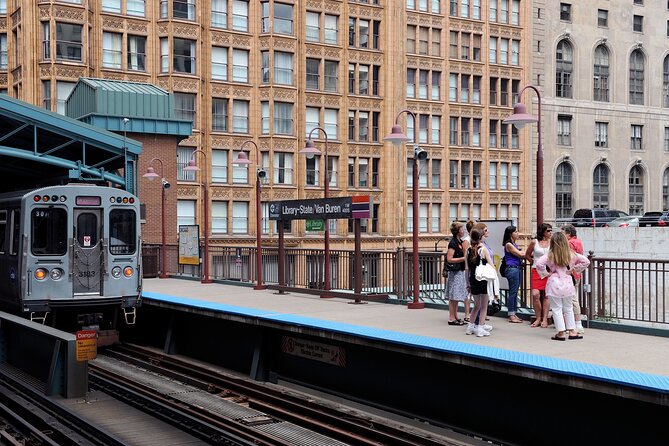
Stop 5: Harold Washington Library Center + State/Van Buren station (view)
This is one of the longer platform moments at about 15 minutes. You’ll see the Harold Washington Library Center and the nearby State/Van Buren Station area.
A longer stop like this is useful because libraries and civic buildings aren’t just “pretty towers.” They change how people move and how a neighborhood feels. When your guide connects the dots here, you get more than a quick photo—you get a sense of downtown life.
Stop 6: Metropolitan Correction Center (MCC Chicago)
A 5-minute view with the Metropolitan Correction Center on the route. It’s a reminder that the Loop architecture story isn’t only about skylines; it includes the institutions that shape public life.
Note: admission is listed as not included here, but this is still a viewing stop—no ticket expectation.
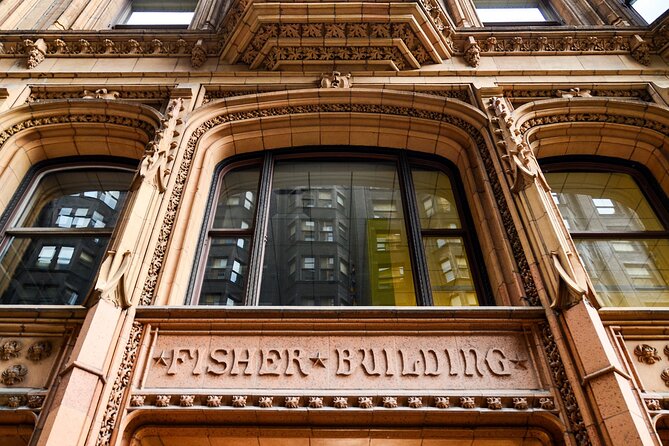
Stop 7: 343 S Dearborn St (Fisher Building view)
You’ll have about 5 minutes for a view at 343 S Dearborn St, including the Fisher Building. This kind of stop is ideal for architecture lovers who like ornament and façade rhythm. Even from a distance, you can pick out distinctive lines and textures.
Stop 8: DePaul University – DePaul Center
Another 5-minute look at the DePaul Center. A university presence adds a different flavor to the Loop, and this stop helps you notice how education and civic density mix with commerce.
Stop 9: 175 W Jackson Blvd (Insurance Exchange Building view)
About 5 minutes here for the Insurance Exchange Building. These buildings often signal how Chicago business grew—so keep an eye out for how the structure reads from different angles as the L line passes.
Stop 10: Clinton (Clinton St/Lake St L station)
This is another longer viewing stretch at about 15 minutes. You’re at the Clinton station area for a bigger look. If you like architecture photography, this is a stop where you can slow down and actually scan details rather than just snap and move.
Stop 11: 567 W Lake St (CTA headquarters view)
A 5-minute view at the CTA headquarters area. It’s a neat way to end up thinking about transit governance, not just transit vibes.
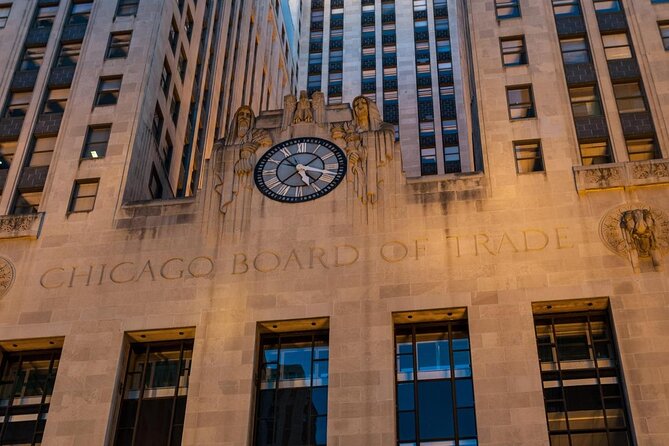
Stop 12: Chicago Board of Trade building
Another 5-minute view, this time at the Chicago Board of Trade. Financial architecture tends to tell you what a city values at the time—so even a brief stop can pay off when your guide ties it back to the neighborhood story.
Stop 13: 180 N Wabash Ave (LeMoyne Building view)
A 5-minute view at 180 N Wabash Ave, including the LeMoyne Building. Short stops like this are great for pattern recognition: once your brain learns what to look for, the skyline becomes a set of readable clues.
Stop 14: Washington/Wabash (L station again)
You revisit Washington/Wabash for about 15 minutes. This repeat helps you compare angles and understand movement—how the same station area can feel different as you shift position and perspective.
Stop 15: Back to Chicago Architecture Center
You finish with a return to the Chicago Architecture Center (about 5 minutes). At this point, the “why” usually starts to click: transit corridors, building eras, and how the Loop stays connected.
Guides who make the concrete feel human
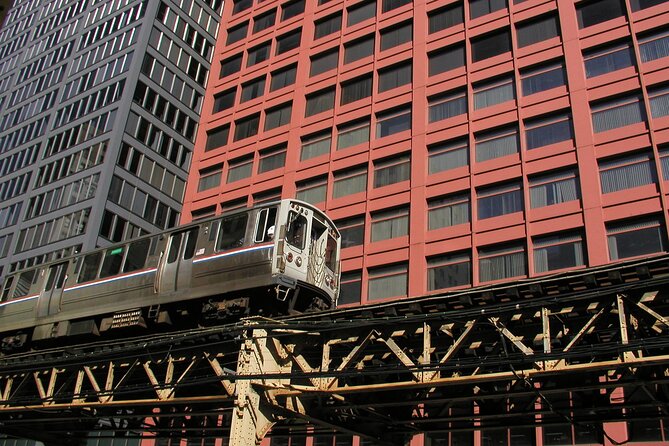
The narration is a huge part of why this works. The tour is led by a professional, certified guide, and the delivery is story-forward—less timeline-y and more character-driven.
I especially liked that the reviews highlight different guides for the same reason: they don’t just name buildings; they explain the people and planning behind the L system. When a guide like Steve leans into professional presentation and entertaining history, or when Howard keeps the information grounded and clear, the ride becomes more than sightseeing.
Weather matters too. One guide, Dan, is specifically noted for handling a tough spring day with a mix of rain, hail, and cold winds while still keeping the group moving through the stops. That’s a useful expectation to set: you’ll likely spend time outdoors, so dress for shifting conditions.
How to plan for the time on platforms (and what not to expect)
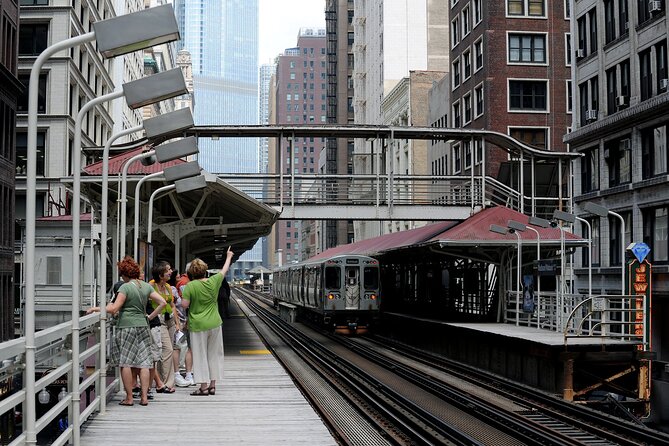
The tour is about 2 hours, but only around 15 minutes is spent actually riding the train. That’s why the rest of the experience feels like an outdoor architecture walk with transit breaks—just with a guide and quick station viewing stops.
Two practical points matter here:
- Seating isn’t guaranteed at stations or on the train. If you’re hoping for lots of sitting, plan for standing.
- The tour requires stairs and is not ADA accessible. It’s listed as not recommended if you have difficulty walking or standing. That’s not small print; it’s the core reality of the format.
Also remember: no food or drink is included, and there’s no storage for luggage or strollers. If you’re traveling light, you’ll be happier. If you’re carrying anything bulky, you’ll want to think twice before booking.
Price: $41 that includes the two most expensive parts (context + transit)
At $41 per person, this tour is positioned as strong value because it includes both:
- Admission to the Chicago Architecture Center galleries
- Fare to ride the Chicago elevated/raised rail system (the L ride is included)
When a tour includes both entry context and the transportation cost, you’re less likely to feel nickeled-and-dimed. And since the group is capped at 10, you’re also paying for more guide attention per person.
It’s also worth noting the demand signal: it’s typically booked about 23 days in advance on average. That doesn’t mean you can’t find spots last-minute, but it suggests this is popular and the schedule can fill.
Who this fits best—and who should skip it
This tour is a great match if you:
- love architecture but also like seeing it through real urban systems
- want a route that’s more than looking up from one corner
- enjoy transit culture—how trains change where you see buildings from
It’s less ideal if you:
- need step-free access, since stairs are required and it’s not ADA accessible
- can’t handle standing outdoors for long stretches
- expect a big chunk of time on the train (most time is on station platforms)
One more simple note: pets aren’t allowed, and service animals are allowed.
Should you book the L architecture tour?
If you want Chicago architecture with momentum—where the guide connects what you see to how the city works—this is an easy yes. The blend of Chicago Architecture Center context, included L fare, and a small group makes it feel efficient and personal.
But book with eyes open. This is not an all-weather, seated show. It’s outdoors, standing-heavy, and stair-involved. If your mobility or comfort level is limited, or if you hate being outside in changeable weather, you might be happier with a different architecture option that stays more level and inside.
If you like the idea of looking at the Loop from the moving rail corridor—even briefly—this is a practical, cost-smart way to do it.
FAQ
How long is the Chicago City Tour?
The tour is about 2 hours.
How large is the group?
It’s a small-group tour capped at a maximum of 10 travelers.
What’s included in the $41 price?
You get narration from a professional guide, admission to the Chicago Architecture Center galleries, and the fare to ride the Chicago L.
Do I need a Ventra card?
Yes. When you check in for the tour at the Chicago Architecture Box Office, request a Ventra card.
Is food or drink included?
No. Food and drink are not included.
Is seating guaranteed during the tour?
No. Seating at stations and on the train is not guaranteed.
Are pets allowed?
No. Pets are not allowed, but service animals are allowed.