REVIEW · CHICAGO
Chicago Loop Walking Tour
Book on Viator →Operated by Wild Onion Walks Chicago · Bookable on Viator
Two hours, and the Loop clicks into place. This small-group walk is an easy way to see major downtown sights without getting lost, with a guide who ties architecture to Chicago’s bigger story. It’s built for first-time visitors and anyone short on time.
I especially love how the stop at the Chicago Cultural Center turns a quick visit into a wow moment. The Healy and Millet mosaics, plus the art glass and the world-famous Tiffany dome, give you something beautiful to look at and something meaningful to understand.
One possible drawback: it’s still a city walking tour. You’ll want a moderate fitness level, and it’s not recommended if you have mobility issues. It also runs in all weather, so you’ll need to dress for the day.
In This Review
- Key things I’d circle before you go
- Why this Loop walk works when you’re short on time
- Meeting at the Chicago Cultural Center, and what you’ll actually see
- How your guide turns buildings into city stories
- Loop landmarks and interiors: what you might catch along the route
- Pace, weather, and the walking reality of downtown
- Price and value: is $60 worth 2 hours?
- Best match: who should book this Chicago Loop tour?
- Should you book this Chicago Loop Walking Tour?
- FAQ
- How long is the Chicago Loop Walking Tour?
- What’s the price per person?
- How big is the group?
- Where does the tour start?
- Where does the tour end?
- What time does the tour begin?
- Is the Cultural Center stop included, and is there an admission fee?
- Is food included?
- What language is the tour offered in?
- What if the weather is bad?
Key things I’d circle before you go
- Max 10 guests: easier questions, less crowd pressure, and a more personal pacing.
- Free admission stop: the Chicago Cultural Center visit is included without extra ticket cost.
- Big architecture payoff fast: you get a guided thread through downtown design and history.
- Stories beyond buildings: social and personal context, not just dates and names.
- Ends at the Marquette Building: a convenient downtown finish point for onward plans.
- Multiple guide styles: you may hear different emphases, from architecture to El-era city life.
Why this Loop walk works when you’re short on time
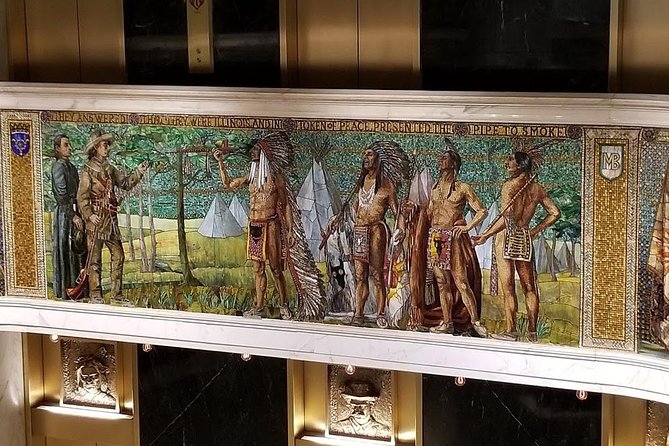
The Loop is Chicago’s best shortcut to understanding the city. It’s where you can stand in a single area and see how the skyline, commerce, transit, and neighborhoods evolved. This tour is built for that reality: you get a structured walk through the downtown core, but the small group size keeps it from feeling like a textbook.
The practical win is that you’re not trying to figure out what matters by yourself. A good guide does the sorting for you—what to notice on a façade, why a building’s style shows up when it does, and how the street level connects to the bigger picture.
And since the group is capped at 10, you’re more likely to get an answer to your specific question than if you’re in a giant herd. If you like details, the guide tends to match that energy.
You can also read our reviews of more walking tours in Chicago



Meeting at the Chicago Cultural Center, and what you’ll actually see
Your tour starts at the Chicago Cultural Center, 78 E Washington St, at 11:00 am. This matters because it puts you right where Chicago loves to show off: inside a historic building packed with art and design.
At Stop 1, you’ll spend about 20 minutes at the Cultural Center. The highlights to watch for are the Healy and Millet mosaics and the art glass work, plus the big headliner: the Tiffany dome, described as the largest Tiffany dome in the world. Even if you’re not an art person, this is the kind of place where your eyes slow down.
Why this stop works so well on a walking tour: it teaches you how Chicago’s architecture can be both public and personal. The building isn’t just a landmark you pass by—it’s an interior experience. You’ll also get a sense of how the city used visual artistry in civic spaces, not only in private wealth.
A small timing note: 20 minutes isn’t long enough to wander every corner. So if you’re the type who likes to look closely, focus first on the dome and the mosaics, then let the guide point out what they think you’ll care about most.
How your guide turns buildings into city stories
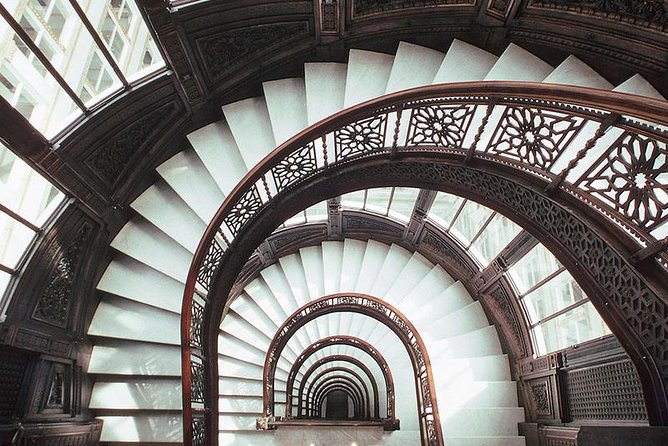
This tour isn’t only about seeing famous shapes. It’s about learning what those shapes meant to the people who built and used them.
The guide’s job is to connect architecture and history into something you can hold in your head. You’ll hear commentary that goes beyond style—things like why particular eras produced particular building choices, and how the Loop’s role in commerce and everyday life affected the skyline.
From the types of stories the guides are known for, you can expect a mix of:
- Architecture and design context
- Historical background that’s meant to be understandable, not encyclopedic
- Social and personal history, the human side of why downtown looks the way it does
This is especially valuable if you’re visiting for the first time. Without guidance, the Loop can feel like a pile of great buildings. With guidance, it turns into a timeline you can walk through.
If you happen to get a guide like Kevin (a name that shows up often), the tone can be friendly and story-driven, with a lot of attention to details that most people miss while texting and rushing to the next stop. Another guide style you might encounter, like Marlin or Keith, also leans into tailoring the walk—so if you ask questions, the pace and focus can shift.
Loop landmarks and interiors: what you might catch along the route
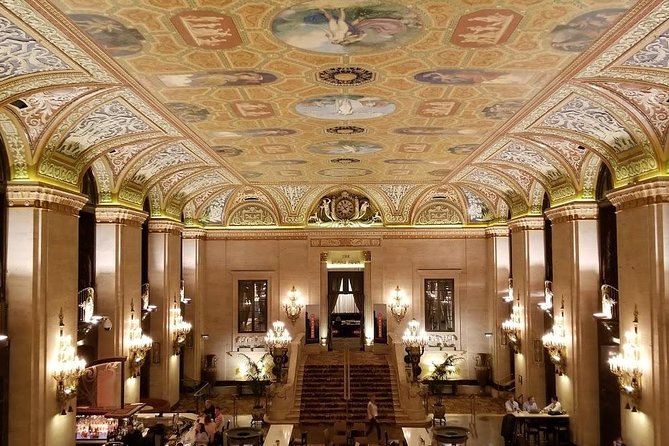
After the Cultural Center, you’ll continue walking through the downtown core and end at the Marquette Building at 140 S Dearborn St. The tour doesn’t feel like a checklist because the guide’s commentary shapes what you notice as you go.
What’s fair to expect: you’ll pass and talk about major downtown architecture, and the guide typically points out places you likely would not find on your own. Some versions of this tour also include time in impressive building interiors, depending on what’s accessible during your walk.
Based on past tour experiences shared with the operator, you may also hear attention paid to places like:
- The former Chicago Public Library building
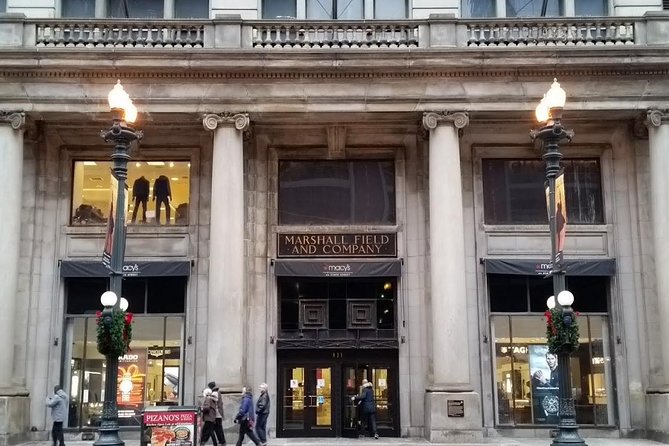
- The Marshall Field’s building
- Views and stories connected to the El, since elevated transit is part of the Loop’s history
I like this approach because it gives you a real sense of how the Loop developed. It’s not only about what you see from the street. It’s about how downtown functions—how people moved, shopped, worked, and gathered.
One caution: since it’s a walking tour, you’ll have fewer chances to linger at every stop. That’s normal. Let the guide’s pacing keep you moving, and if something really grabs you, you can always return later on your own.
Pace, weather, and the walking reality of downtown
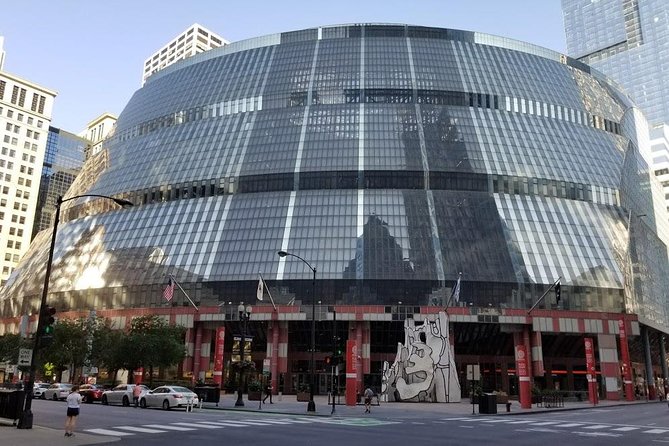
This is a 2-hour walking tour, approx., and it’s designed for people with moderate physical fitness. You’re moving through downtown streets and sidewalks for most of that time.
The good news: guides can adjust pace when needed. In past experiences, guides have been ready to accommodate different needs during hot weather. Still, don’t plan this as a sit-everywhere kind of activity.
Weather matters because the tour operates in all weather conditions. That means:
- Bring a light rain layer if rain threatens
- Wear shoes you can walk in for the full duration
- Have a hat or sunglasses on sunny days
If you’re prone to getting cold, consider a packable jacket. The Loop can move from sunny sidewalks to shaded stretches quickly.
Also, this tour is not recommended for those with mobility issues. So if walking distance or limited mobility is a concern for you, you’ll want to look for a more accessible option.




Price and value: is $60 worth 2 hours?
$60 per person for about 2 hours is not cheap, but it’s also not out of line for a guided architecture walk in a dense downtown area—especially with a small group cap of 10.
Here’s why I think it can be good value:
- You’re paying for a guide who can interpret what you’re seeing (not just point it out)
- The group size supports questions and interaction
- The Cultural Center stop is built in and is noted as free admission for that stop
Add it up: you get a structured introduction to Chicago’s architecture and downtown evolution, you don’t waste time hunting for the right places, and you leave with a mental map that makes the rest of your visit easier.
Is it for everyone? If you only want a self-guided photo walk, you might prefer spending that money elsewhere. But if you want the city to make sense while you’re standing in front of it, this price can feel fair.
Best match: who should book this Chicago Loop tour?
This tour fits best if you’re one of these types:
- First-time Chicago visitors who want to get oriented fast
- People who like architecture but don’t want to memorize a syllabus
- Families and couples who want a shared activity that’s not boring
- Solo travelers who prefer walking with guidance instead of planning every stop
It’s also a smart choice if your trip is tight. The Loop is central, so you can use the tour as a foundation and then branch out afterward with more confidence.
One more reason I like it: the guide’s focus on stories and context means you’ll probably spot more on your own later. Even if you don’t care about every architectural detail, you’ll gain the habit of noticing.
Should you book this Chicago Loop Walking Tour?
Yes—if you want the Loop to feel understandable in a short window, this is an excellent way to do it. The combination of a free, high-impact Cultural Center stop and a guided thread through architecture and history is exactly the kind of trip that pays off fast.
Skip it only if walking distance is a challenge for you, or if you’d rather spend your time purely photographing without interpretation. Otherwise, book it, show up with comfortable shoes, and let the guide help you see Chicago the way locals learn to see it.
FAQ
How long is the Chicago Loop Walking Tour?
It’s listed as about 2 hours.
What’s the price per person?
The price is $60.00 per person.
How big is the group?
The tour has a maximum of 10 travelers.
Where does the tour start?
It starts at Chicago Cultural Center, 78 E Washington St, Chicago, IL 60602.
Where does the tour end?
It ends at the Marquette Building, 140 S Dearborn St, Chicago, IL 60603.
What time does the tour begin?
The start time is 11:00 am.
Is the Cultural Center stop included, and is there an admission fee?
Stop 1 is Chicago Cultural Center, and admission is listed as free for that stop.
Is food included?
No. Food and drinks are not included.
What language is the tour offered in?
It’s offered in English.
What if the weather is bad?
The tour operates in all weather conditions, but if it’s canceled due to poor weather, you’ll be offered a different date or a full refund.