REVIEW · CHICAGO
Chicago: Art Deco Skyscrapers Walking Tour
Book on GetYourGuide →Operated by Chicago Architecture Center · Bookable on GetYourGuide
Art Deco looks different when you see the lobbies. This 90-minute Chicago Architecture Center walk puts you inside Art Deco lobbies while a Chicago Architecture Center docent connects the ornament on the outside to the drama on the inside. I love that the guide’s storytelling keeps you engaged and moving at a comfortable pace, and I love how the same motifs keep popping up once you know what to look for.
One thing to plan for: there’s no secure storage for luggage or strollers, and there’s no coat check. If you’re carrying a lot, the experience can start to feel more stressful than it needs to be.
In This Review
- Key things you’ll notice on this Art Deco Chicago tour
- Why Art Deco in Chicago starts at the river (not in a museum)
- The 90-minute format: small group, easy pace, inside access
- Carbide and Carbon Building (now St. Jane Hotel): the lobby as a design statement
- Chicago Motor Club Building (now Hampton Inn): from business power to playful geometry
- Trustees System Service Building (now Century Tower): color, pattern, and the joy of detail
- Engineering Building and the fifth lobby: structure plus showmanship
- Ending at Merchandise Mart: carry the Art Deco story forward
- The real value: what your ticket supports in Chicago
- Should you book this Art Deco skyscraper walking tour?
- FAQ
- How long is the Chicago Art Deco skyscrapers walking tour?
- How many Art Deco buildings do you enter during the tour?
- What is included with the ticket?
- Where do I meet the tour, and when should I arrive?
- Where does the tour end?
- Is the tour wheelchair accessible?
- Are pets allowed on the tour?
- What is the cancellation or weather policy?
Key things you’ll notice on this Art Deco Chicago tour
- Paris to Chicago, with dates: you’ll trace how Art Deco arrives via international attention and spreads during the 1920s and beyond.
- Motifs you can spot fast: zigzags, octagons, sunbursts, and flower-like patterns become easy to recognize.
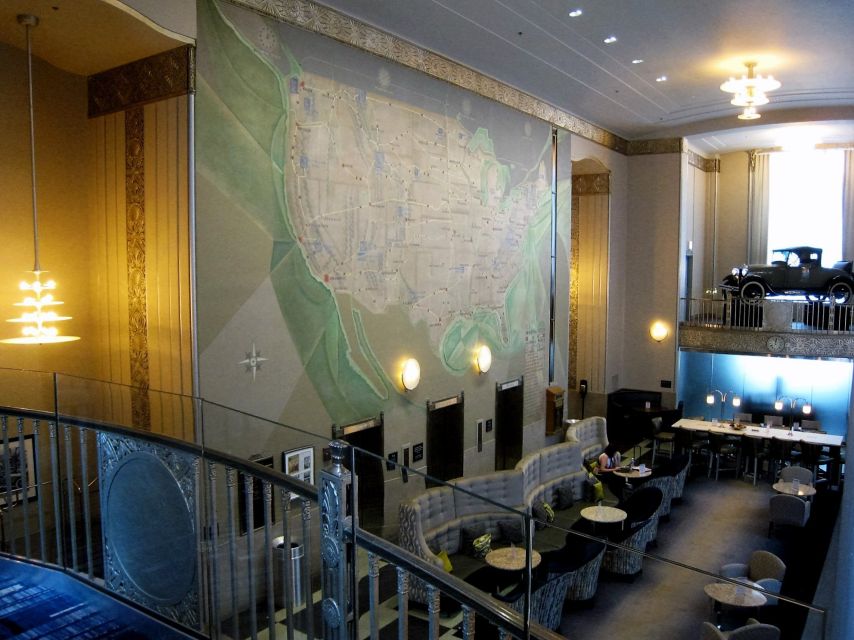
- You don’t just look up: you’ll go into the lobbies of five opulent Art Deco skyscrapers.
- Landmark buildings on the river: the stops focus on Chicago landmarks near the Chicago River during the business boom.
- Docent training shows: the guide is Chicago Architecture Center–certified and trained with hundreds of hours of architecture history.
- A strong finish point: the tour ends at the Merchandise Mart, so you leave with a bigger sense of the city’s design story.
Why Art Deco in Chicago starts at the river (not in a museum)
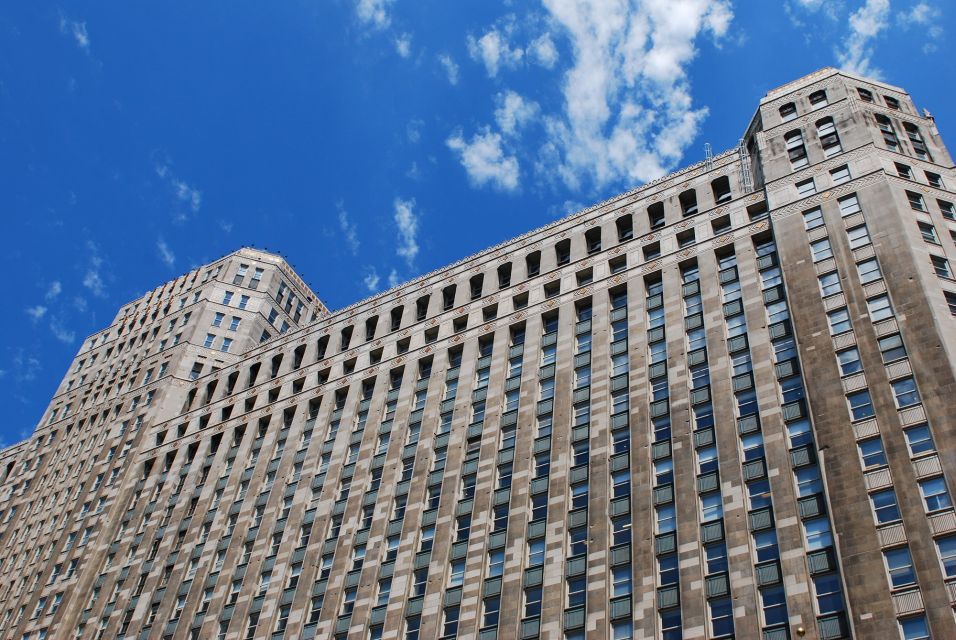
Art Deco has a way of turning a skyline into a giant design lesson. On this walk, you’re right where the story grew: along the Chicago River corridor, where big-building momentum took off in the Roaring ’20s. The tour is built around that logic—architecture first, design vocabulary next, then the payoff of going inside.
You’ll learn that Art Deco made its entrance in Chicago after it was showcased at an international art exposition in Paris. And it wasn’t just a passing fad. Art Deco also showed up prominently in Chicago during the 1933–1934 Century of Progress Exposition, when people were hungry for modern styles and optimism.
The best part is the guide’s framework. Art Deco isn’t random decoration; it’s a design language. You’ll hear how it draws from Cubism and ancient Middle East art and architecture, then you’ll spot the visual clues: zigzags, octagons, sunbursts, and flower-like motifs. After that, you start reading the buildings like a puzzle you can actually solve.
You can also read our reviews of more walking tours in Chicago



The 90-minute format: small group, easy pace, inside access
This isn’t a long marathon tour. It’s 90 minutes with a small group limited to 10 people, which matters because it keeps the docent’s attention on your questions and the details that help you see. The walking is real, but the pace is designed for comfort—especially because you’ll spend meaningful time in lobbies, not just on sidewalks.
You also get a practical add-on: your ticket includes admission to Chicago Architecture Center exhibits. That’s a nice option if you want a little extra context before or after the walk, rather than rushing out as soon as you finish.
Plan to arrive a bit early at the meeting point—30 N LaSalle Street—and have your confirmation ready so the docent can check you off. And remember the group setting: this is built for a lively conversation, not a silent photo-journey. If you like learning on your feet, this format fits well.
Carbide and Carbon Building (now St. Jane Hotel): the lobby as a design statement
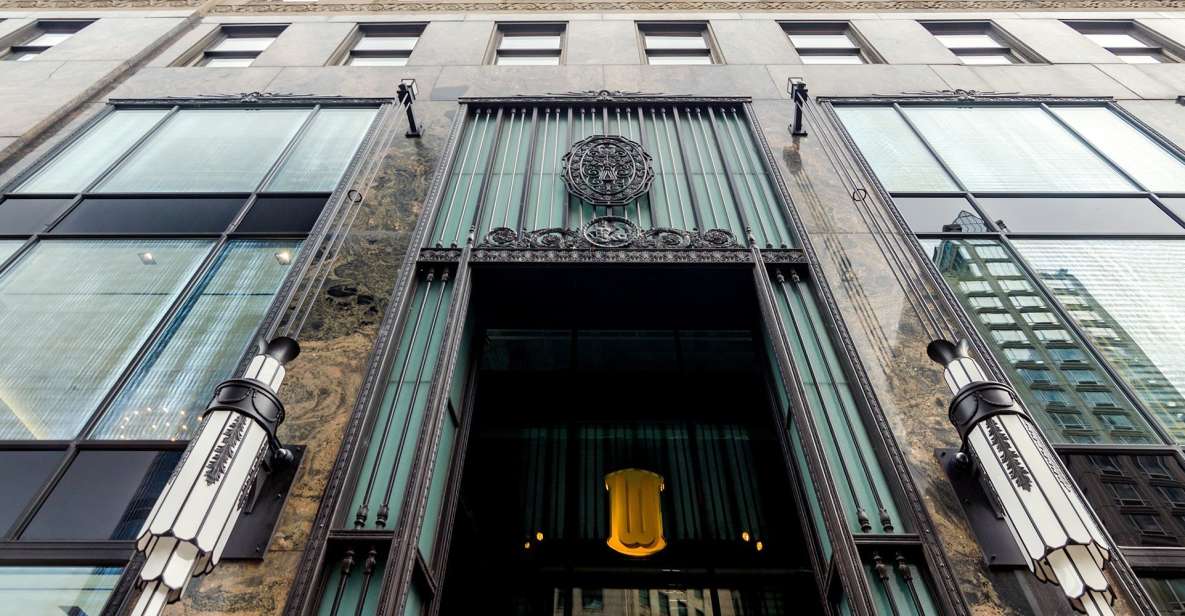
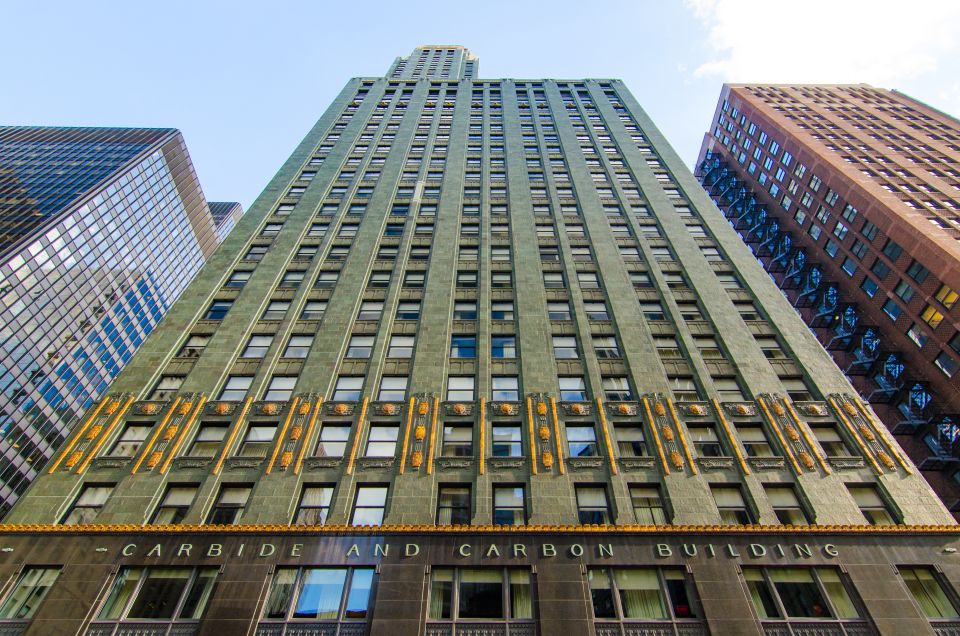
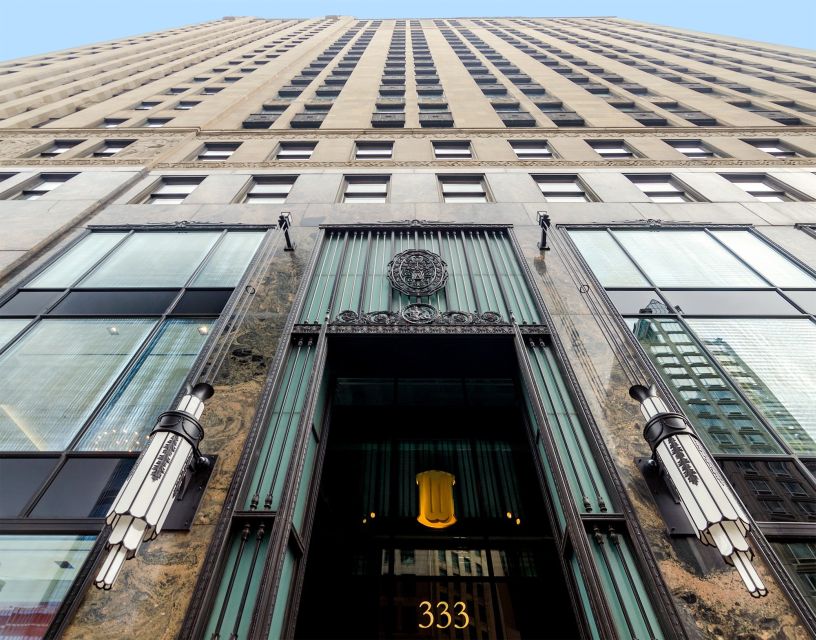
One of the anchor stops is the Carbide and Carbon Building, now the St. Jane Hotel. This is the kind of building where Art Deco isn’t only about style—it’s about attitude. You’ll see how the design world of the 1920s translated into bold geometry and decorative confidence, then you’ll connect that to what’s happening on the street.
When you step into an Art Deco lobby, you start understanding why the exterior feels so tall and theatrical. The guide helps you read the motifs instead of just admiring them. You’ll be encouraged to look for things like zigzag rhythms and sunburst-like effects that reinforce that modern, forward-looking vibe.
This stop is especially valuable because it shows you how an “opulent interior” isn’t just fancy finishes. It’s part of the same message as the skyscraper’s exterior. The lobby becomes the building’s handshake: grand, designed, and meant to impress people arriving for business.
You’ll also hear that this building is a Chicago landmark, which gives the tour extra weight. It’s not just pretty design; it’s protected architecture tied to Chicago’s identity.
Chicago Motor Club Building (now Hampton Inn): from business power to playful geometry
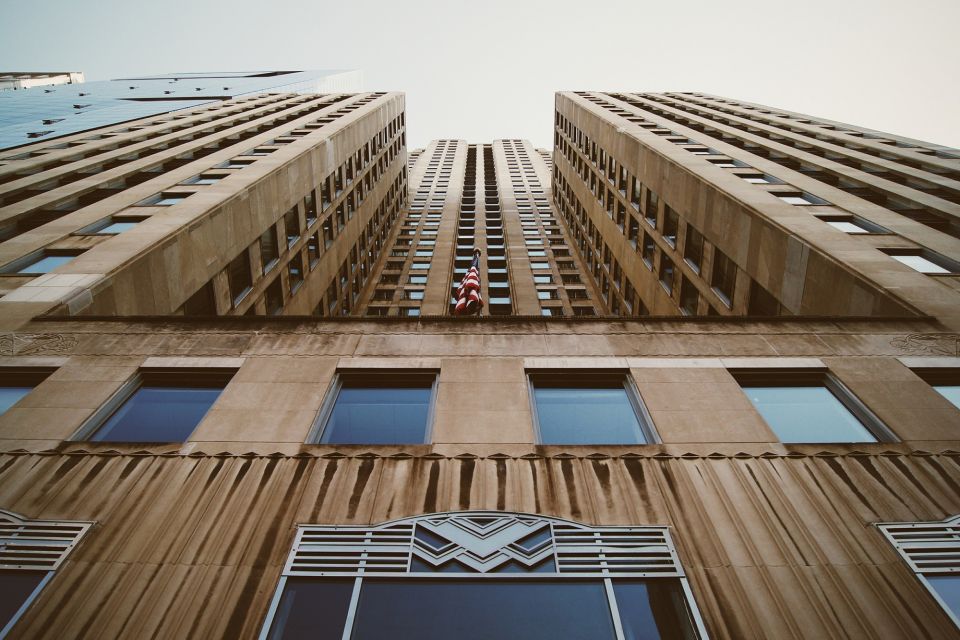
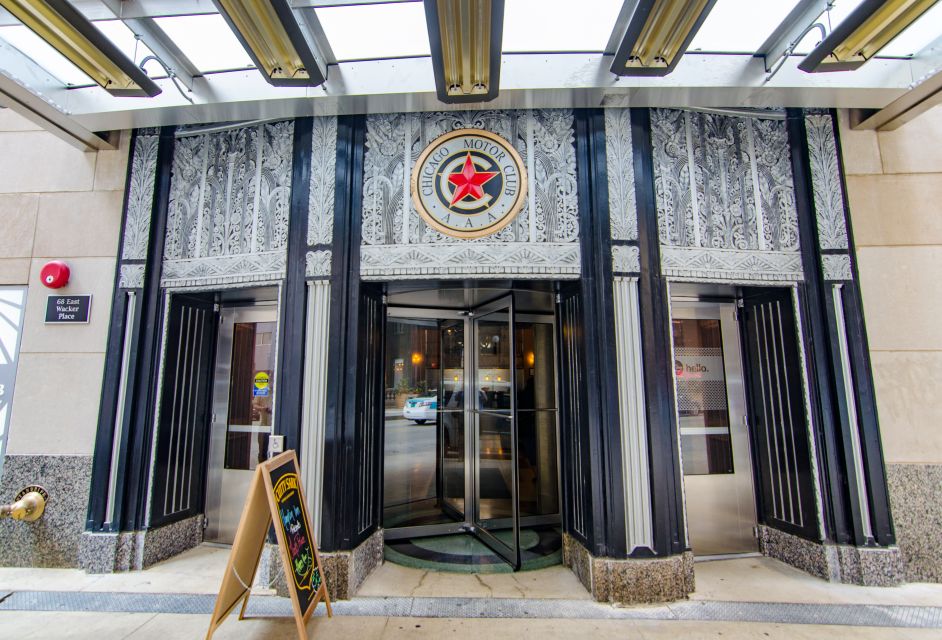
Another interior highlight is the Chicago Motor Club Building, now the Hampton Inn. The Motor Club Building has that classic riverfront-skyline presence, and the lobby visit helps you understand why Art Deco worked so well for skyscrapers. It turns “upward” into something decorative and intentional.
In Art Deco, geometry isn’t a side project. It’s the main event. As you learn the motifs—octagons and other repeating patterns—you start noticing how design elements bring order to what could have been plain office space. That’s what makes the lobby feel opulent without needing to shout. It’s ornament with a job: guiding your eye and projecting confidence.
The guide also ties the style back to its roots. Art Deco’s connection to Cubism and ancient art influences shows up in how forms are arranged—like the building is built from design ideas you can recognize. That makes the interior feel more meaningful because it connects to a bigger story beyond Chicago.
And since the stop is a Chicago landmark, you’re seeing something preserved that helped define the era’s look.
Trustees System Service Building (now Century Tower): color, pattern, and the joy of detail
Next up is the Trustees System Service Building, now the Century Tower. This one is described as colorful, and it’s also a reminder of how some Art Deco buildings get overlooked just because they don’t sit in the most obvious tourist spotlight.
Here’s the practical takeaway: when a guide gives you motif “handles,” you start finding details faster. You’re more likely to catch things like sunburst patterns and zigzag motifs because you know what they signal in the design language. That turns the interior visit into an active experience instead of passive staring.
You’ll also learn the reason this style fit the moment. Art Deco reflects the era’s fun-loving optimism—lavish materials and geometric ornaments were a way to say the future would be sleek, modern, and fun. In the lobby, you feel that optimism more directly than you would from the sidewalk alone.
Like the other named stops, the Trustees System Service Building is a Chicago landmark. So even when it feels playful and decorative, it still lands as a significant piece of the city’s architectural record.





Engineering Building and the fifth lobby: structure plus showmanship
You’ll also visit the Engineering Building, another Chicago landmark. This stop helps answer a question you might have before the tour: can Art Deco work on buildings tied to industry and technical life, not just “showy” offices? The lobby visit gives you the answer quickly.
Art Deco shows up as clean, organized pattern-making. The design helps soften the hard edges of engineering and makes it feel like the building belongs to a modern, aspirational era. The docent’s explanation connects this to how the style mixes influences and turns them into something Chicago could live with and admire.
There’s also a fifth opulent Art Deco lobby stop in the tour. Even if you don’t memorize the name before you arrive, you can still use the tour’s motif toolkit. Look for the repeated geometric language—octagons, zigzags, and sunburst-like forms. Once you can identify those, every lobby starts telling you the same story from a slightly different angle.
Ending at Merchandise Mart: carry the Art Deco story forward
The tour finishes at the Merchandise Mart. Even though you’re wrapping up a guided walk, the ending matters because it ties the Art Deco narrative to a larger sense of Chicago’s commercial energy. You leave with a new habit: you’ll start noticing design choices like geometric rhythm and ornamental logic across the city, not only at the specific buildings you visited.
This ending point also helps you place what you saw. By the time you reach the Mart area, you’ve already learned where Art Deco came from (Paris and international attention), what influenced it (Cubism and ancient Middle East art/architecture), and which motifs to track (zigzags, octagons, sunbursts, and flowers). The final stretch becomes a quick “now look again” moment.
If you want a next step after the tour, your ticket also includes admission to Chicago Architecture Center exhibits. That’s a smart move because it lets you keep the design vocabulary going while the details are still fresh.
And if you’re thinking about where to spend the rest of your day, this route naturally orients you around the river and the city’s historic high-rise corridor.
The real value: what your ticket supports in Chicago
A tour like this can feel like “just buildings.” This one does a better job of tying it to something concrete. Tickets support Chicago Architecture Center education initiatives, which matters because it’s not just a guide fee and an itinerary.
Your purchase helps build community through programs like Girls Build!, Teen Fellows, and the Newhouse Architecture + Design Competition. It also supports efforts that keep Open House Chicago free for participants in future years. The Chicago Architecture Center is a certified nonprofit, and your ticket directly supports those local education and engagement projects.
That gives the tour a second purpose. You’re not only getting five lobby interiors and a clean Art Deco lesson—you’re helping keep architecture education alive in the city.
Should you book this Art Deco skyscraper walking tour?
Book it if you want to see Art Deco the way it was meant to be seen: up close, inside, and explained with clear design clues. You’ll get a strong learning payoff for the time—five iconic lobby entries plus the “why” behind the style (Paris origins, the Roaring ’20s spread, and the motif toolkit). I also think it’s a great choice for first-timers who want an architecture overview without feeling overwhelmed.
Skip it if you’re carrying lots of bags or need stroller/luggage storage—this tour doesn’t provide secure storage or coat check. Also, if you dislike walking and prefer a fully indoor day, this may feel a bit too active for your taste.
FAQ
How long is the Chicago Art Deco skyscrapers walking tour?
The tour lasts 90 minutes.
How many Art Deco buildings do you enter during the tour?
You’ll enter the lobbies of five iconic Art Deco skyscrapers.
What is included with the ticket?
The ticket includes admission to Chicago Architecture Center exhibits, the 90-minute walking tour, entry into five iconic Art Deco buildings, and a Chicago Architecture Center certified docent.
Where do I meet the tour, and when should I arrive?
Meet at 30 N LaSalle Street. Arrive 10 minutes before departure and have your confirmation ready for the docent to check your name off the list.
Where does the tour end?
The tour ends at the Merchandise Mart.
Is the tour wheelchair accessible?
Yes, the tour is wheelchair accessible.
Are pets allowed on the tour?
Pets are not allowed, but service animals are welcome.
What is the cancellation or weather policy?
You can cancel up to 24 hours in advance for a full refund. Tours depart rain or shine, and there are no refunds due to the weather.