REVIEW · CHICAGO
BYOB Chicago River Guided History Tour
Book on Viator →Operated by Chicago Boat Company · Bookable on Viator
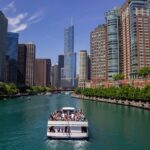
Chicago’s river history is hiding in plain sight. The BYOB Chicago River Guided History Tour turns a simple cruise into a fast-moving timeline, with stops focused on major moments you can still picture along the Chicago River. It’s a 2-hour ride that balances big stories with real river views, led by crew like Monica and Avril, who are known for keeping the facts lively.
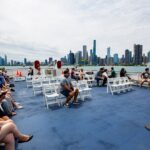
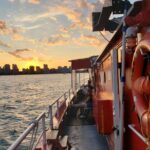
I love the format: you get a small group on the Party Barge and you’re not stuck staring at screens. I also like that the boat is set up for comfort on the water—u-shaped bar with stools, a head (bathroom), charging ports, and coolers with ice while you bring your own drinks. The one thing to consider is the BYOB setup: you’ll want to plan for no-glass drinks and dress for weather, since the tour depends on conditions.
In This Review
- Key Things That Make This Tour Worth Your Time
- Party Barge BYOB Cruise: What You’re Really Paying For
- Meeting Point at Sweet Home Gelato: Simple and Central
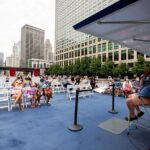
- The Boat Setup: U-Shaped Bar, Head, Charging, and Ice
- The Itinerary as a Timeline: Fort Dearborn to the Great Fire
- Fort Dearborn site (first American settlement)
- Site where the 1871 Great Chicago Fire started
- Bridge Stories and the 1992 Great Flood Moment
- The bridge location and the 1992 hole that led to the Great Flood
- 1964 Buildings and the Shift From Industrial to Residential
- 1964 buildings as the turning point
- The Reverse of the Chicago River: Why It Matters
- Learning about the reverse of the Chicago River
- 1893 World’s Fair: Inventions You Still Use Today
- The 1893 World’s Fair and lasting inventions
- Captain Santa and the Rouse Simmons: Christmas Trees on the Water
- Captain Santa’s sailboat and winter tree sales
- The Crew Energy: Monica, Avril, Maria, and Kelli
- Timing, Weather, and What to Wear
- Who Should Book This BYOB Chicago River History Tour
- Should You Book It
- FAQ
- How long is the BYOB Chicago River Guided History Tour?
- Where is the tour located?
- How much does the tour cost?
- Do I need to bring my own drinks?
- Are glass containers allowed?
- Is ice provided?
- Does the boat have a bathroom?
- What language is the tour offered in?
- What time does the tour start?
- How many people are on the tour?
- Is there a place to meet and does the tour end there too?
Key Things That Make This Tour Worth Your Time
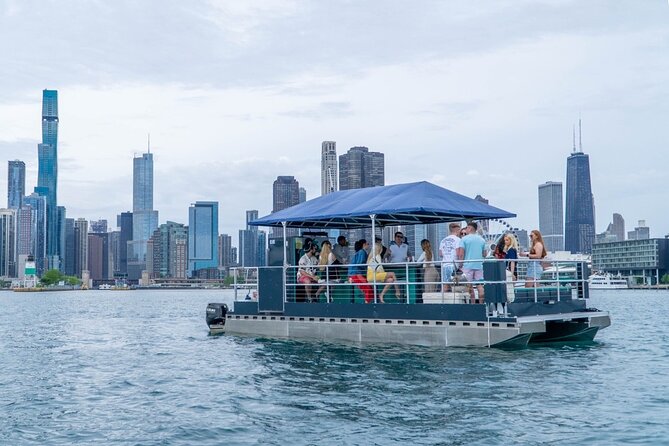
- Party Barge comfort: U-shaped bar, bow seating, a head onboard, and charging ports for long-ish river time
- BYOB done right: coolers and ice are included, and you can bring drinks (no glass)
- History in river order: Fort Dearborn, the Great Chicago Fire start site, then 1800s-to-1900s turning points
- Specific story anchors: Great Flood incident under a bridge, industrial-to-residential shift tied to 1964 buildings
- 1893 World’s Fair connection: learn how the fair introduced inventions still in use
- Seasonal Chicago lore: Captain Santa and the Rouse Simmons selling Christmas trees every winter
Party Barge BYOB Cruise: What You’re Really Paying For
At $65 per person for about 2 hours, this is not the cheapest way to “just ride a boat.” But it’s priced like a guided experience with a lot of built-in value.
Here’s what you’re getting that justifies the cost:
- A guided history storyline tied to real sites along the river corridor, not random general talk.
- A small-group vibe with a maximum of 18 people, which matters when you want to actually hear the guide over boat noise.
- Onboard perks that reduce what you have to bring: coolers with ice and places to sit comfortably, including at the bow.
- BYOB flexibility: drinks are not included, but you can bring what you want and keep the experience your own.
The BYOB part is key. If you already like craft soda, wine, beer, or cocktails, this can feel like good value because the tour price covers the guide, the boat time, and the ice setup—not the beverages.
You can also read our reviews of more guided tours in Chicago
Meeting Point at Sweet Home Gelato: Simple and Central
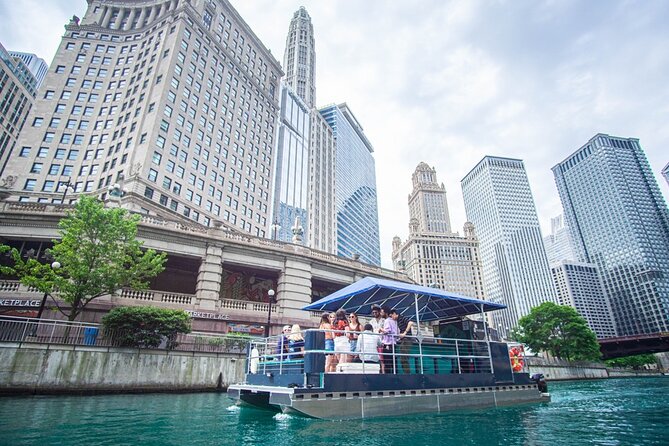
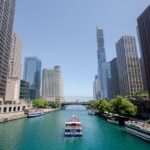
The tour meets at Sweet Home Gelato, 151 W Riverwalk, Chicago, IL 60601, with the cruise departing from the Chicago Riverwalk between the LaSalle Street and Wells Street bridges. The experience ends back at the meeting point.
Practically, this is helpful because you can plan your day around a location that’s easy to reach and easy to find. It’s also near public transportation, so you’re not locked into expensive last-mile logistics.
Start time is 10:30 am, so you get the morning light on the water. If you’re doing other Chicago sights that day, this time slot is usually easier to stack with museums or neighborhood exploring.
The Boat Setup: U-Shaped Bar, Head, Charging, and Ice
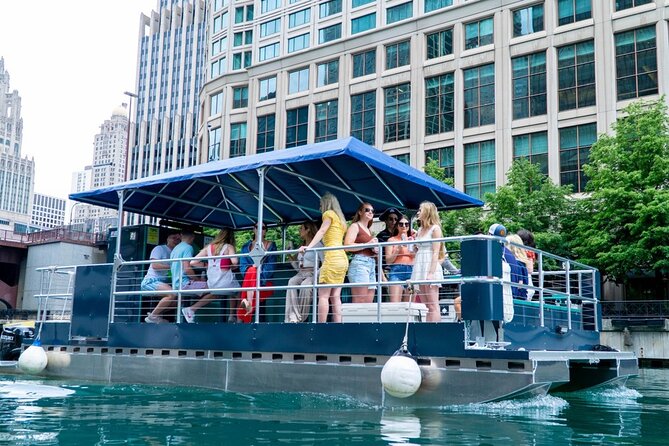
Let’s talk about the boat itself, because it affects how much you enjoy the tour.
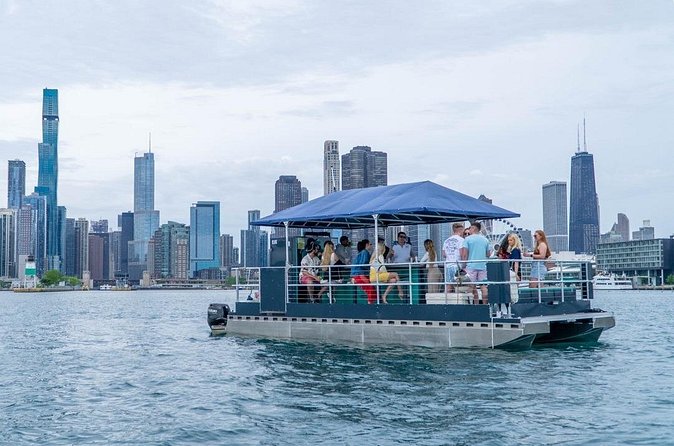
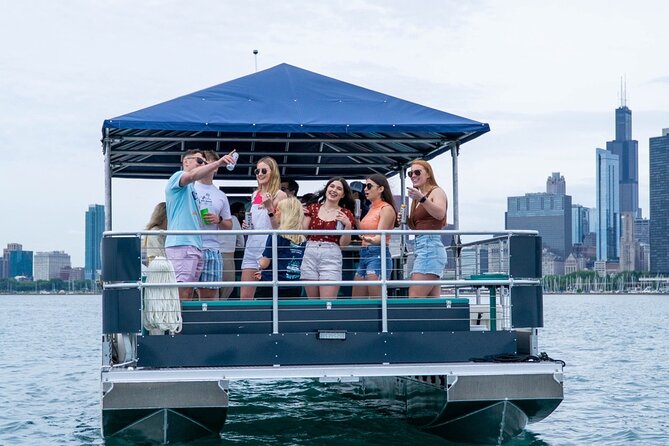
The Party Barge is described as having:
- a U-shaped bar with bar stools all around
- a head (bathroom) onboard
- charging ports
- extra seating at the bow
- coolers with ice
And yes, it’s BYOB. Drinks aren’t provided, and you should bring your own snacks if you want them. One important detail: no glass onboard. That single rule changes how you pack—think cans, bottles that are carefully secured, or non-breakable containers.
Also, the boat includes ice, which sounds small until you’re on the river and realize you’d otherwise be scrambling to keep drinks cold. It’s the kind of practical inclusion that makes a BYOB tour feel smoother.
The Itinerary as a Timeline: Fort Dearborn to the Great Fire
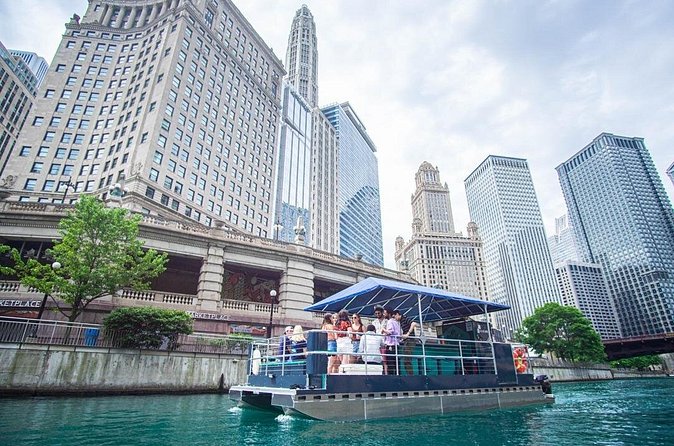
This is a guided cruise where the story travels with you. The first major stops focus on the river’s earliest American settlement and then shifts into catastrophe.
Fort Dearborn site (first American settlement)
You’ll head to the location where Fort Dearborn once stood. That’s a strong starting point because it frames the Chicago River not just as scenery, but as the “front door” of settlement.
What I like about this approach is that it gives you a mental map fast. When the guide anchors later events to earlier places, the river starts to feel like a real timeline you can follow from your seat.
You can also read our reviews of more historical tours in Chicago
Site where the 1871 Great Chicago Fire started
Next up is one of the biggest names in Chicago history: the 1871 Great Chicago Fire, which began at this site.
Even without getting lost in details, this stop tends to land because you’re learning it in a moving, visual way. The guide’s job here is to connect the fire to the river corridor—why this stretch mattered when the city was being shaped.
One consideration: if you’re the type who hates dark history, this is still part of the Chicago story. The tour moves quickly, though, so it doesn’t turn into an all-day tragedy lecture.
Bridge Stories and the 1992 Great Flood Moment
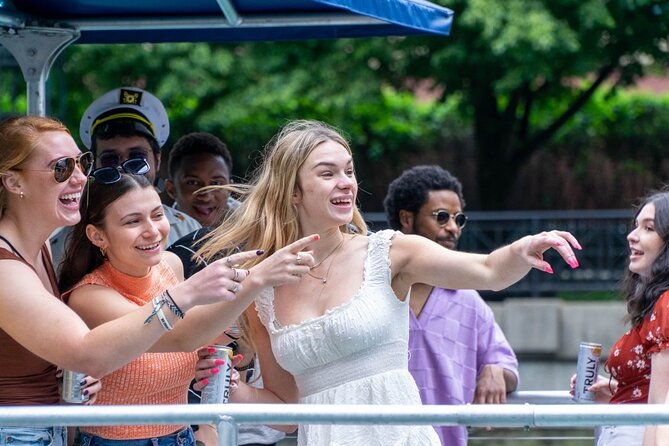
After the fire era, the tour keeps rolling forward through the city’s more modern challenges.
The bridge location and the 1992 hole that led to the Great Flood
There’s a stop tied to 1992, when a hole formed under a bridge. That incident led to the Great Flood, and the story is that it shut Chicago down for a whole week.
This is a clever kind of history for a river cruise, because it reminds you that cities aren’t just built on rivers—they’re also vulnerable to them. You’ll likely find the river feels less romantic and more real at this point: engineering failures, infrastructure, and how fast a city can get disrupted.
1964 Buildings and the Shift From Industrial to Residential
The cruise then points you toward a transition in the skyline and city identity.
1964 buildings as the turning point
You’ll learn about buildings built in 1964, described as the moment the city shifted from its Industrial Age into the residential metropolitan it is today.
Even if you don’t love architecture, this stop gives you a lens for noticing Chicago’s growth pattern. It’s not just “old buildings vs. new buildings.” It’s a story about how the city changed who it was for and what it prioritized.
If you enjoy seeing how urban design follows economic changes, this section is usually the most satisfying part of the whole route.
The Reverse of the Chicago River: Why It Matters
Now the tour leans into one of Chicago’s signature oddities.
Learning about the reverse of the Chicago River
You’ll learn about the reverse of the Chicago River—how it formed the city over the last century.
This is one of those topics that can sound technical, but on a boat it becomes more memorable. You get to connect the idea to what you’re physically seeing: the river as a system that was changed on purpose.
I like this segment because it helps you understand why Chicago’s relationship with water isn’t just about views. It’s about city planning decisions that shaped daily life.
1893 World’s Fair: Inventions You Still Use Today
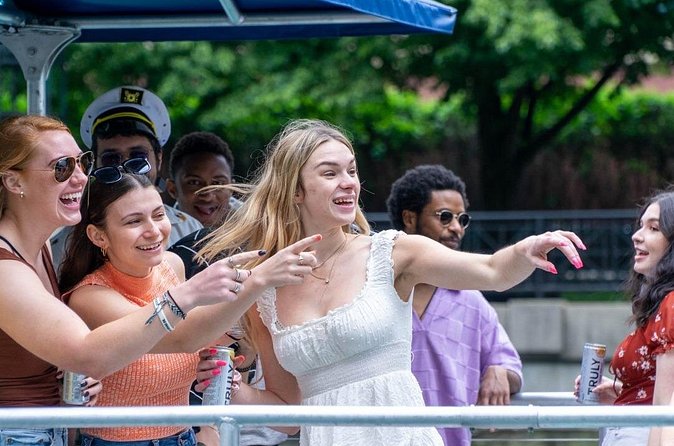
Then you zoom into a moment when Chicago helped define the future.
The 1893 World’s Fair and lasting inventions
You’ll stop and learn about the World’s Fair of 1893 and the inventions introduced there that people still use today.
Because the tour describes inventions still in use, you can frame the story beyond the past tense. The guide is essentially asking you to notice how history shows up in your daily routine, just without you realizing the origin.
This is also a nice change of pace after flood and engineering talk. The fair section tends to feel more upbeat while still staying grounded in real outcomes.
Captain Santa and the Rouse Simmons: Christmas Trees on the Water
For something lighter, the cruise includes a seasonal corner of lore.
Captain Santa’s sailboat and winter tree sales
In the late 1800s, Captain Santa set up shop on his sailboat, the Rouse Simmons, selling Christmas Trees every winter at this part of the river.
I love this kind of detail because it makes Chicago feel human. The city isn’t only fires and infrastructure. It’s also people doing their seasonal work—right there by the water.
Even better: it’s the sort of story you’ll remember because it’s specific. A generic “history of Chicago during Christmas” wouldn’t stick. This one does.
The Crew Energy: Monica, Avril, Maria, and Kelli
A big reason this tour gets such a high rating is the way the guide keeps the story moving. The names that come up most in the experience are Monica and Avril, with other crew like Maria and helpers such as Kelli also mentioned.
What’s consistently praised is the mix of fun + facts. You’ll get jokes worked into the commentary and a friendly vibe from the people running the boat. That matters on a history tour, because if the tone is dry, you’ll zone out halfway through.
There’s also a practical quality: the crew makes sure you’re comfortable—especially when the weather is cold. One tour experience described enjoying the ride even when conditions were chilly, which tells me this is built for real-world weather rather than fantasy sunshine.
Timing, Weather, and What to Wear
This tour is 120 minutes long and runs on weather. It explicitly requires good weather, and if it’s canceled due to poor conditions, you’ll be offered a different date or a full refund.
So plan like a Chicago person:
- Dress for cold if you’re going in cooler months.
- Bring layers you can move in. Sitting for 2 hours in river wind adds up.
- If you like photos, consider that morning timing can help with lighting, but the water can still bring wind and chill.
Since charging ports are onboard, you don’t have to worry as much about running out of battery while you’re snapping photos along the river.
Who Should Book This BYOB Chicago River History Tour
This cruise fits best if you want history without lectures and you like your sightseeing with movement.
You’ll especially enjoy it if you:
- want a small-group guided ride (max 18)
- like to control the vibe with BYOB
- enjoy stories that point to specific places: Fort Dearborn, the Great Fire start site, the flood incident, 1964 buildings, the reverse of the river, the 1893 fair, and Captain Santa’s boat
You might skip it if you:
- hate the idea of packing snacks or drinks (since food and drinks aren’t included)
- strongly prefer hands-on sightseeing over a guided narrative
- are sensitive to cold and don’t dress for it (the tour is weather-dependent)
Should You Book It
I think this is a smart booking if you want Chicago history in a format that’s easy to follow and fun to repeat. The BYOB + coolers with ice combo makes it feel like more than a ticketed lecture, and the itinerary is packed with clear “place-based” anchors rather than vague talk.
Book it if you’re in the mood for a river cruise that connects landmarks to big moments: settlement, fire, flood, infrastructure changes, world-changing exhibits, and even seasonal folklore.
One final practical tip: this experience is often booked well ahead—on average about 92 days in advance—so if you have a specific date in mind, don’t wait.
FAQ
How long is the BYOB Chicago River Guided History Tour?
It’s about 2 hours (120 minutes).
Where is the tour located?
The tour takes place in Chicago on the Chicago Riverwalk and lakefront area.
How much does the tour cost?
The price is $65.00 per person.
Do I need to bring my own drinks?
Yes. This is a BYOB tour, and drinks are not included.
Are glass containers allowed?
No glass is allowed onboard.
Is ice provided?
Yes. Coolers and ice are included.
Does the boat have a bathroom?
Yes. The boat is equipped with a head (bathroom).
What language is the tour offered in?
The tour is offered in English.
What time does the tour start?
The start time listed is 10:30 am.
How many people are on the tour?
The tour has a maximum of 18 travelers.
Is there a place to meet and does the tour end there too?
Yes. It starts at Sweet Home Gelato, 151 W Riverwalk and ends back at the meeting point.