REVIEW · CHICAGO
Skip-the-line: Art Institute of Chicago Guided Tour
Book on Viator →Operated by Chicago Museum Tours · Bookable on Viator
A 2.5-hour art hit is a lifesaver. This skip-the-line semi-private guided tour gets you into the Art Institute of Chicago at 10:30 am with a small group (max 12), so you can focus on the art instead of figuring out where to start.
Here’s what I like most: you get a story-led highlights route through major works, and the guide makes the connections between artists, movements, and the museum itself feel usable. I especially like how guides such as Joel, Bernie, Scout, Colleen, and Arnold are described as energetic storytellers, turning famous pieces into something you can actually talk about afterward.
One consideration: it’s a fast, efficient tour meant to cover a lot, so if you’re hoping to linger for long looks, you might feel a little rushed. I’d wear comfortable shoes and plan to treat this as your “greatest hits” intro, then come back later for slower exploring.
In This Review
- Key things to know before you go
- Skip-the-line at the Art Institute: what the ticket really buys you
- Meeting at 111 S Michigan Ave and using that 10:30 start
- Guides turn famous paintings into a real story
- The highlights route: from stained glass to Warhol and Pollock
- Tiffany to Seurat: setting the visual rules
- Van Gogh and O’Keeffe: mood changes on purpose
- Hopper and Grant Wood: American realism with sharp edges
- Chagall to Picasso: storytelling across styles
- Warhol and Pollock: pop culture meets abstraction
- Pace and structure: what 2 hours 30 minutes feels like in real life
- Practical tips so the tour feels smooth, not stressful
- Who should book this tour?
- Should you book the Art Institute of Chicago skip-the-line guided highlights tour?
- FAQ
- How long is the Art Institute of Chicago skip-the-line guided tour?
- Where does the tour start?
- What’s the price per person?
- What language is the tour offered in?
- How many people are in the group?
- Is museum admission included?
- Can I cancel and get a full refund?
Key things to know before you go
- Skip-the-line entry helps you start without hunting for tickets or standing around.
- Small group size (12 or less) keeps questions possible and the pace manageable.
- Admission fees included means you’re not juggling add-ons once you arrive.
- A guide-led highlights route focuses on major works like Van Gogh’s The Bedroom and Hopper’s Nighthawks.
- English tour format fits most visitors and keeps explanations clear.
- Moderate walking is part of the deal, based on how long some guests felt the museum time.
Skip-the-line at the Art Institute: what the ticket really buys you
Paying $71.40 for a 2 hours 30 minutes guided highlights tour feels steep until you realize what you’re actually purchasing: saved time, admission included, and a guide who sorts the chaos of a huge museum into a clear path.
The Art Institute of Chicago is big enough that even motivated visitors can waste energy wandering. This tour trades that uncertainty for direction. You show up at 111 S Michigan Ave, get moving with a guide, and spend your limited museum time seeing the works most people come to Chicago for.
And because it’s semi-private with a maximum group size of 12, the experience is closer to a thoughtful museum walk than a cattle-call tour. That matters when you want context, not just a list of artwork titles.
You can also read our reviews of more guided tours in Chicago



Meeting at 111 S Michigan Ave and using that 10:30 start
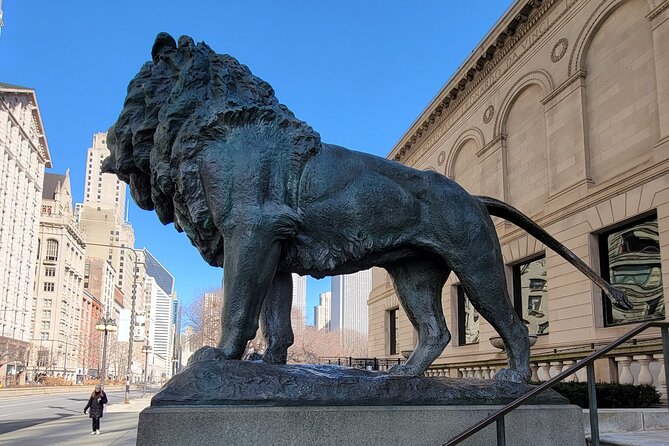
The tour meets at 111 S Michigan Ave, Chicago, IL 60603, starting at 10:30 am, and it ends back at the meeting point. That round-trip structure is helpful if you’ve got other plans later in the day, and it makes it easier to plan dinner or a second activity without guessing how long you’ll be stuck “somewhere in the museum.”
Some guides are known for getting guests in ahead of heavier crowds, and at least one guest explicitly mentioned loving early access to the Institute. Even if your main goal is art, early entry tends to improve the whole rhythm: faster movement between rooms and more time for the guide’s stories without fighting the loudest crush.
You should also be ready for a moderate amount of walking. The tour is short compared to a full museum visit, but it’s still active, and one review called out feeling tired feet only after the tour was over. Plan accordingly.
Guides turn famous paintings into a real story
This tour’s biggest strength is the human one: the guide.
Across the reviews, names keep popping up with consistent themes: Joel brings enthusiasm that makes the art and Chicago feel connected. Bernie is praised for organizing the museum route quickly and answering questions. Scout is described as charming and funny, with anecdotes that mix art history and museum context. Colleen is highlighted for guiding people through the whole museum efficiently before crowds arrive, then pointing guests toward what to do next.
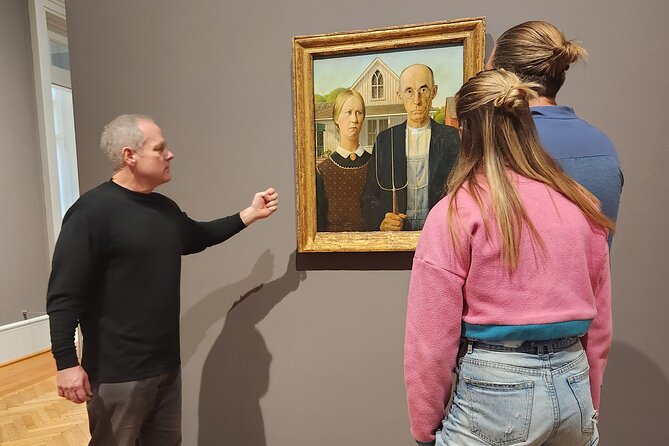
Even when you’re not an art-history person, this kind of guiding helps you “read” what you’re seeing. Instead of standing in front of a painting and guessing what matters, you get a framework. You learn what to notice, how to interpret symbols, and why the museum collected certain works over time.
I also like that the guide style seems adaptable. Some reviews mention a “crash course” pace, while others emphasize thoughtful pacing and question time. So the tour works whether you’re a first-timer or someone who knows a bit and wants the missing pieces.
The highlights route: from stained glass to Warhol and Pollock
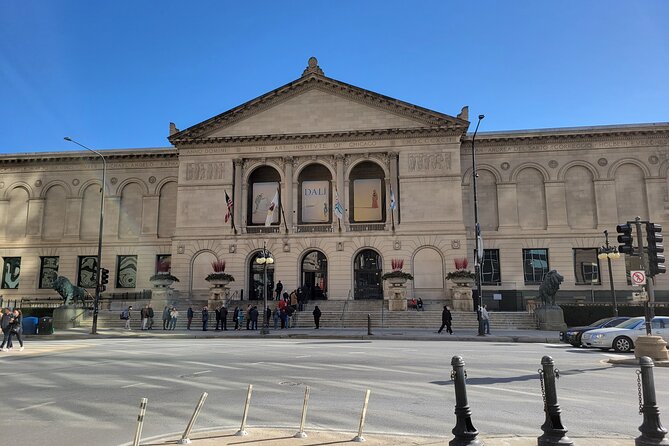
This isn’t the kind of tour where you sit in one place. You’re moving through the museum while your guide hits a series of big, recognizable works. The goal is clear: see the museum’s major “greatest hits” and leave with a mental map and enough context to keep exploring on your own.
Think of it as a sequence of art experiences that switch tone and time period: European Impressionism and Post-Impressionism, then American realism and modernism, then pop and abstract works.
Tiffany to Seurat: setting the visual rules
The tour may start with stained glass via the Hartwell Memorial Window – Tiffany Studios. Tiffany windows aren’t just decoration. They’re light, color, and design working together. A good guide will help you see how the glass is built for distance and how the color choices create mood before your eyes even “understand” the subject.
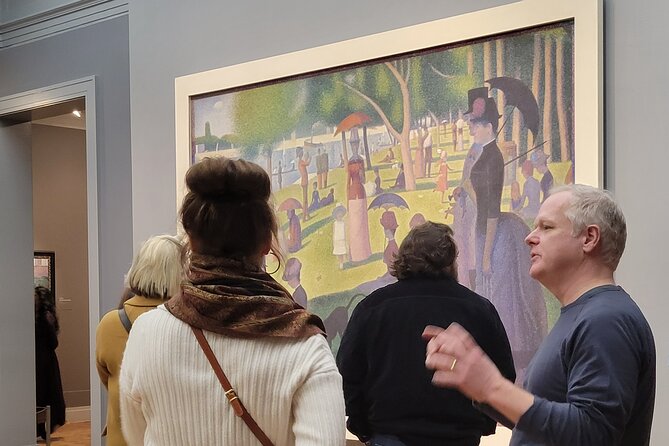
From there, you’ll move into Impressionism/Post-Impressionism territory with Paris Street; Rainy Day – Gustave Caillebotte and Sunday on La Grande Jatte – Georges Seurat. These are great anchor paintings because they teach different ways of seeing a modern city. Caillebotte gives you the urban snapshot feeling, while Seurat pushes you toward the idea of structure and technique—how the look of the work is part of the message.
What I like here for your experience: you’re building a set of visual expectations early. Once you understand what your guide is pointing you toward, the later jumps to different artists feel less random.
You can also read our reviews of more tours and experiences in Chicago
Van Gogh and O’Keeffe: mood changes on purpose
Next comes a shift into more emotional, personal art with The Bedroom – Vincent van Gogh. This is one of those works that can feel strange at first because it’s so intimate. A strong guide helps you notice how the room becomes a portrait of feeling, not just a scene of objects.
Then you’ll head into sky imagery with Sky Above Clouds – Georgia O’Keefe. This is a smart pairing with Van Gogh because it shows how artists can make nature feel abstracted and symbolic. O’Keeffe’s “big sky” approach teaches you to stop looking for literal realism and start looking for composition and sensation.
For you, the payoff is clarity: by the time the tour reaches American and modern art, you’ll already be thinking about mood, composition, and meaning instead of just names.
Hopper and Grant Wood: American realism with sharp edges
The American classics section is where many visitors feel a jolt of recognition.
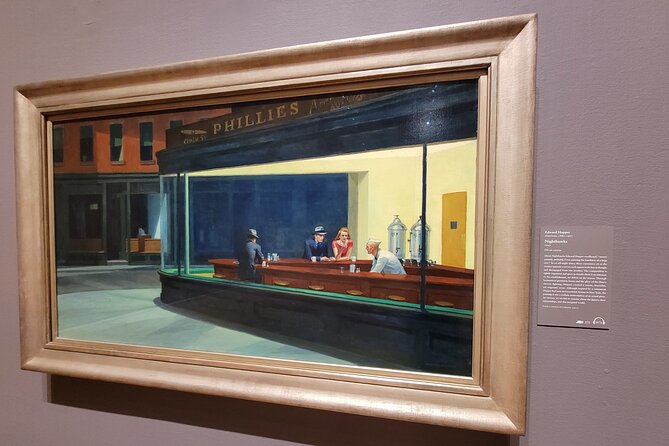
Nighthawks – Edward Hopper is one of the most famous modern American paintings, and it’s also perfect for a guided tour because it’s about atmosphere. The guide’s job is to point out how light, isolation, and setting create the emotional tone.
Then there’s American Gothic – Grant Wood, another painting where the details are the whole story. The guide should help you see why the “iconic” image works: it’s part identity, part social commentary, and part the power of an instantly recognizable composition.
This portion matters because it slows you down emotionally even if the tour moves quickly physically. You get a chance to understand why those pieces became cultural shorthand.
Chagall to Picasso: storytelling across styles
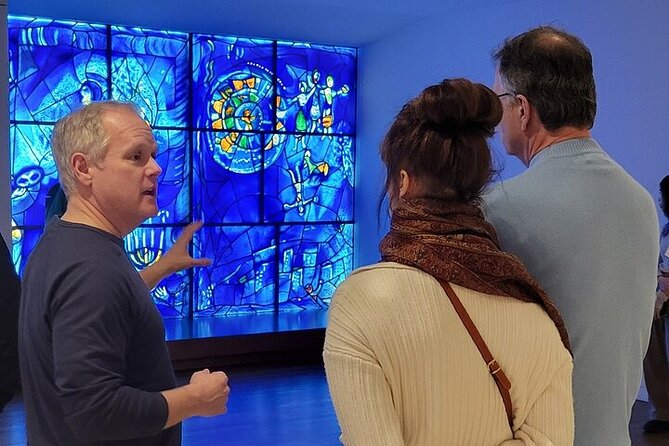
The tour includes America Windows – Marc Chagall, which helps connect art to personal myth and symbolism. A guided approach matters with Chagall because the details can feel layered. You’re not meant to decode everything yourself in 2.5 hours; you’re meant to learn how to look.
Then the route takes a turn into modern portrait energy with The Old Guitarist – Pablo Picasso. Picasso can feel like a puzzle if you’re not sure where to look first. A good guide will steer your attention toward shape, expression, and what the simplified forms are doing emotionally.
This sequence is valuable for you because it shows modern art isn’t one thing. It’s many ways of compressing reality into meaning.
Warhol and Pollock: pop culture meets abstraction
Two later stops hit the contemporary end, and they’re a strong reminder that the museum’s “greatest hits” aren’t only historical.
Four Mona Lisas – Andy Warhol brings pop art logic into focus: repetition, familiar imagery, and media-style color choices. The guide’s context helps you understand why a work can feel playful and critical at the same time.
Then Greyed Rainbow – Jackson Pollock sets you up for abstraction. One of the best things a guide can do with Pollock is help you see technique as structure. You’ll learn how to stop expecting the painting to “represent” and start noticing how it organizes energy across the surface.
The payoff is big: by the final stretch, you’ll realize the tour wasn’t just a name parade. It was a tour through how artists change rules.
Pace and structure: what 2 hours 30 minutes feels like in real life
A highlights tour is always a compromise. Here, the compromise is that you’re not staying long with any one painting.
That’s exactly why the tour works for many people:
- You get orientation fast
- You learn what to prioritize on a return visit
- You spend less time lost inside a maze of rooms
But the trade-off is real. If you want to do deep looking, this tour may feel like a “quick tour of the museum” rather than a slow art meditation. One review complaint centered on the feeling that too many important works were skipped. That’s the risk anytime you choose a highlights format.
If you’re the type who likes to stand, read, and re-read details, I’d treat this as day one guidance and schedule your longer museum time for later. Use what you learn to guide where you go next.
Practical tips so the tour feels smooth, not stressful
Based on what’s implied by the pace and the comments about time and walking, here’s how to make this tour feel better:
- Wear comfortable shoes. The tour is short, but it’s still long enough for fatigue to show up.
- Go with a flexible mindset. You’ll see a lot, and you may not linger.
- Ask questions while the guide is moving you. Semi-private format gives you a better shot at conversation than a huge group tour.
- Use the “lay of the land” effect. Some guests described coming away with a roadmap so they could return to favorites afterward. If you want the best of both worlds, plan a second self-guided pass.
Also, the tour is popular enough that it’s commonly booked around 20 days in advance on average. If your dates are fixed, don’t wait for a “maybe.”
Who should book this tour?
This is a great fit if you:
- Have limited time in Chicago and want museum highlights efficiently
- Want a structured way to see big names like van Gogh, Hopper, Warhol, and Pollock
- Like learning from stories and context rather than staring at paintings with no map
It’s less ideal if you:
- Want to spend long hours in one gallery at a slow pace
- Feel frustrated by fast movement and prefer to read labels without interruption
In other words, I’d book this as your first Art Institute experience, then plan your personal deep dive afterward.
Should you book the Art Institute of Chicago skip-the-line guided highlights tour?
Yes, if you want a strong start and you value a guide-led route that makes major works easier to understand quickly. The price feels more reasonable when you factor in admission included plus skip-the-line convenience and a max 12 group that leaves room for real questions.
I’d think twice if you’re craving slow looking or you’re certain you want a more complete, wide-ranging museum survey in one go. But for most visitors, this is exactly the kind of tour that prevents museum time from slipping away.
If your schedule allows, book it early, wear good shoes, and use the tour as your map for the rest of the museum.
FAQ
How long is the Art Institute of Chicago skip-the-line guided tour?
It runs for about 2 hours 30 minutes.
Where does the tour start?
The meeting point is at 111 S Michigan Ave, Chicago, IL 60603, USA.
What’s the price per person?
The price is $71.40 per person.
What language is the tour offered in?
The tour is offered in English.
How many people are in the group?
The group size is limited to 12 travelers or less.
Is museum admission included?
Yes. All admission fees are included.
Can I cancel and get a full refund?
Yes. You can cancel up to 24 hours in advance for a full refund, based on the local time at the experience location.