REVIEW · CHICAGO
Chicago Tour – South Side
Book on Viator →Operated by Chicago Personal Neighborhood Tours · Bookable on Viator
South Side Chicago changes everything once you see it by neighborhood. This half-day private ride is built around real communities and the people who shaped them, from Bronzeville and Hyde Park to the lake and beyond. I especially love the Obama connection and how the route layers history with everyday streetscapes. One consideration: it’s a fast-moving, vehicle-first tour, so if you want lots of walking and quiet commentary, the pace may feel a bit high-energy.
I also like that the guide approach is interactive and personal. Guides including Steven Johnson get praised for storytelling, humor, and answering questions on the fly, and the tour even includes an iPhone port so your phone stays alive for photos.
In This Review
- Key points to know before you go
- Getting rolling from Chicago Theatre (and why the setup matters)
- Ford Factory and the blue-collar Chicago mindset
- Bronzeville, Hyde Park, and the University of Chicago stop you won’t expect
- What to watch for
- South Lake Drive and the Indiana border dynamic
- Beverly Hills, Chinatown, and Little Village: three communities in one sweep
- Pilsen, the Cook County Jail pass-by, and a Mexican community on the move
- Little Italy Greektown and the Bridgeport lime quarry stop
- Pace, guide style, and what to expect inside the van
- Value check: why this can feel worth it (and when it might not)
- Who should book this South Side tour
- FAQ
- How long is the Chicago South Side tour?
- What time does it start?
- Where do we meet?
- Is there a mobile ticket?
- Is there an iPhone charging option during the tour?
- What group size is the tour limited to?
- What language is the tour offered in?
- What happens if weather is bad or the tour can’t run?
- Should you book the South Side tour with this provider?
Key points to know before you go
- Private, small-group feel (max 11 travelers) makes it easier to ask questions and get the story behind what you’re seeing
- Obama’s Senate-era home area is part of the route, not just a vague mention
- Hyde Park + University of Chicago area includes a stop tied to the atomic bomb’s development
- Lots of neighborhood variety in 4 hours: Bronzeville, Hyde Park, Chinatown, Little Village, Pilsen, and more
- Battery-friendly tour setup with access to an iPhone charging port
- Camera moments include a lake-drive stretch and even a Bridgeport lime quarry stop
Getting rolling from Chicago Theatre (and why the setup matters)
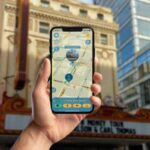
You start at the Chicago Theatre, 175 N State St, in downtown Chicago, with a 10:00 am departure. The tour ends back at the same meeting point, so you’re not stuck coordinating transportation afterward. It’s also designed for a small group (11 is the maximum), which matters because South Side Chicago is a lot to take in—fewer people usually means fewer distractions.
You’ll get a mobile ticket, and that’s a practical win on a day when you’re bouncing across multiple neighborhoods. Also, one of the handiest inclusions is access to an iPhone charging port, which turns out to be more useful than it sounds once you’re using Google Maps and taking photos nonstop.
You can also read our reviews of more tours and experiences in Chicago.



Ford Factory and the blue-collar Chicago mindset
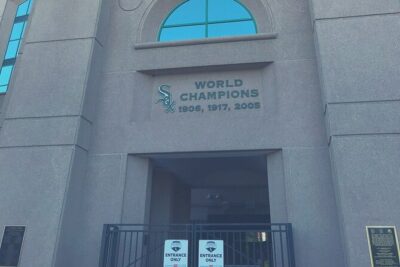
The South Side isn’t just a backdrop in this tour. It’s framed as a working city—factories, steel-mill roots, and the neighborhoods that grew around that economy. The route begins by focusing on the Ford Factory area and the broader industrial story tied to the steel mills, which sets the tone early: this is Chicago as labor and industry, not just monuments and skyline views.
What I like about starting here is that it gives you a lens. When you later look at areas like Bronzeville and Hyde Park, you can connect why certain businesses formed, why some districts expanded, and why the city’s politics and culture look the way they do today. If you’ve only seen Chicago through downtown landmarks, this first segment helps you understand the “why” behind everything else.
Bronzeville, Hyde Park, and the University of Chicago stop you won’t expect
Next comes Bronzeville, often described as a historical African American neighborhood and early business district. This is where the tour shifts from industry to culture and community-building, and it’s one of the strongest parts if you like stories tied to neighborhoods rather than just famous names.
From there, you head to Hyde Park, including the University of Chicago area. The tour specifically notes showing the spot connected to the development of the atomic bomb. Even if you’ve heard the basic story before, seeing where it connects geographically helps your brain lock onto the map of Chicago’s influence in science and world events.
One more major point woven into the route is the area tied to Barack Obama’s home while he was a U.S. senator. That kind of connection is useful even for repeat visitors, because it moves beyond headlines and into the lived geography of where history happened.
What to watch for
- Keep an eye out for the “neighborhood texture” shift: commercial blocks, church presence, and housing styles tend to change noticeably across Hyde Park and Bronzeville.
- Have your phone ready for photo pull-offs, especially when the guide points out something tied to the Obama and University of Chicago storylines.
South Lake Drive and the Indiana border dynamic
The tour also spends time along South Lake Drive, which is one of those stretches that can surprise people who only associate Chicago with the famous North Side lakefront. Here, you get a different angle on the city—less postcard, more lived-in Chicago.
Then there’s the mention of Chicago’s border with Indiana and the “special dynamic” that creates. You won’t be touring Indiana itself, but you’ll get the sense that geography drives economics, commuting patterns, and even how neighborhoods develop. This segment is less about a single landmark and more about helping you understand the city as a system.





Beverly Hills, Chinatown, and Little Village: three communities in one sweep
The South Side isn’t one story. It’s many, stacked side-by-side. That’s why the tour routes through Beverly Hills, then into Chinatown, and onward to Little Village, described as a large and highly populated Puerto Rican neighborhood.
Chinatown on the South Side is big enough to feel like its own world, and it’s often one of the neighborhoods people talk about after the fact because it changes your sense of what Chicago “looks like.” Little Village adds another layer—food, languages, and the way storefronts signal community identity.
This is also where the 4-hour time budget becomes important. The tour tries to cover a lot, so expect “seeing the district” more than “staying in one place for a long sit-down.” If you love wandering and unplanned detours, you’ll likely want to come back later on your own. But if you want a high-quality orientation fast, this route works well.
Pilsen, the Cook County Jail pass-by, and a Mexican community on the move
After Little Village, the tour passes through Pilsen, a proud Mexican community. Pilsen tends to feel artistic and self-assured, and it’s the kind of neighborhood that rewards attention to street-level details—signage, murals, and the rhythm of local commerce.
The route also notes that it passes by Cook County Jail. That’s not a tour of the building, but it’s still a real Chicago reference point, and the inclusion makes the tour feel grounded. It helps you remember that neighborhoods aren’t separated into neat categories; they share proximity with institutions that influence lives in complicated ways.
If you’re someone who doesn’t like blunt, no-sugarcoating conversation, this is the moment to mentally reset: the tour treats the South Side as it is, not as a themed set.
Little Italy Greektown and the Bridgeport lime quarry stop
To close things out, the route heads back east, passing through Little Italy Greektown and then to Bridgeport, where the tour includes a visit to a lime quarry. That quarry detail is exactly the kind of left-field specificity that makes this tour feel different from the typical downtown-only loop.
The camera angle matters here. A lime quarry isn’t a “stand in front and take a classic tourist photo” stop—it’s more about photographing textures and scale. If you enjoy unusual sights, you’ll probably love it.
This is also where you can decide what you want to explore later. After seeing a lime quarry, a lakefront drive, and multiple ethnic neighborhoods in one day, it’s easier to choose a neighborhood to revisit based on what actually struck you.
Pace, guide style, and what to expect inside the van
This tour is done primarily by car, and it can feel like a lot of neighborhood changes in a short time. That’s great for orientation. It’s not so great if you get impatient when the most interesting moments are framed from the window or from brief pull-offs.
The guide style leans energetic and interactive. Several people praised Steven Johnson for storytelling, humor, and helping with photo opportunities. One person even mentioned he took them to Juice WRLD’s memorial site, which signals a willingness to adapt to what interests the group—at least when there’s room in the day.
At the same time, not every review experience matched the same vibe. One guest flagged issues like abrupt delivery, what they felt was too much time spent on house-price googling, and a driving pace they found stressful. I can’t generalize that across every tour, but it does tell you something important: this is not a sleepy “watch and relax” style tour. If you want calm, slow, and whisper-level narration, pick your expectations accordingly.
Value check: why this can feel worth it (and when it might not)
The tour is described as private, and the group limit of 11 supports that feel. You’re also getting several “high attention” elements packed into 4 hours: the Obama senator home area, Bronzeville and Hyde Park, the University of Chicago atomic-bomb connection, Chinatown, Little Village, Pilsen, and stops like the lake drive and the Bridgeport lime quarry.
One reviewer questioned value at what they said was $125, so it’s fair to treat this as a mid-to-premium neighborhood tour rather than a bargain bus deal. In my view, it’s worth paying for if you want a guided map of Chicago that goes beyond downtown. The value is the connecting thread: industry to community, policy to neighborhood, and history to the way streets look today.
If you’re the type who only cares about the most famous museum stops and skyline views, you may feel the trade-off. This tour is not built around “one big headline attraction.” It’s built around neighborhood literacy.
Who should book this South Side tour
I’d point you toward this tour if you want:
- Neighborhood context fast, without needing to do hours of reading first
- A route that mixes African American history, immigrant communities, and industrial roots
- A guide-led experience that’s willing to talk back-and-forth and answer questions
It may be less ideal if you want:
- A slow walking tour with long stops
- A purely touristy checklist day
- A quiet ride where you mostly observe without interaction
It’s also a good fit for adults and older teens who enjoy history and culture, since the experience is structured around how communities developed and what’s important within them.
FAQ
How long is the Chicago South Side tour?
The tour is about 4 hours long.
What time does it start?
It starts at 10:00 am.
Where do we meet?
The meeting point is the Chicago Theatre, 175 N State St, Chicago, IL 60601.
Is there a mobile ticket?
Yes, the tour includes a mobile ticket.
Is there an iPhone charging option during the tour?
Yes. The tour includes access to an iPhone port to help keep your battery charged.
What group size is the tour limited to?
The maximum group size is 11 travelers.
What language is the tour offered in?
The tour is offered in English.
What happens if weather is bad or the tour can’t run?
The experience requires good weather. If it’s canceled due to poor weather, you’ll be offered a different date or a full refund. It can also be canceled if a minimum number of travelers isn’t met, with a different date/experience or a full refund offered.
Should you book the South Side tour with this provider?
Book it if you want a fast, guided neighborhood map of Chicago’s South Side—Bronzeville, Hyde Park/UChicago, Chinatown, Little Village, Pilsen, and more—plus an actual story thread behind why these places matter. Skip it if you need a very relaxed, low-energy day with lots of walking and long stops, or if you strongly prefer a quiet, minimal-interaction tour style.