REVIEW · CHICAGO
Chicago: Offbeat Guided Street Art Tour
Book on GetYourGuide →Operated by Offbeat Street Art Tour · Bookable on GetYourGuide
Street art changes daily in Chicago. This 2-hour walk turns the city into a living gallery, with stops that feel like an open-air museum. You bounce between neighborhoods like Wicker Park, where fresh murals and small-scale tags share the same walls.
What I like most is the way the guide connects what you’re seeing to the artists behind it. You get the history and inspiration for each piece, so the art isn’t just decoration. I also like the active feel of the tour, including the chance to watch street artists create art as you go.
One thing to consider: this is a walking tour with no mention of step-free routes, and the pace depends on the guide. On hot days, you’ll want water and shade, and on slower days you may feel time stretch a bit.
In This Review
- Key things to know before you go
- A living street-art walk through Wicker Park, Bucktown, and Logan Square
- Meeting at The Goddess and Grocer (and getting there fast)
- The 2-hour format: what the tour actually feels like
- Wicker Park walls: learning what artists are responding to
- Bucktown stopovers: the art you’d miss without a guide
- Logan Square: finishing with the city still changing
- Guide quality: why Brian and Briana-style teaching can change everything
- Watching street artists create art right before your eyes
- Price check: is $40 worth it?
- What to bring and what to skip
- Who should book this street art tour (and who might not)
- Should you book the Chicago Offbeat Guided Street Art Tour?
- FAQ
- Where does the tour meet?
- How long is the street art tour?
- How much does it cost?
- Which neighborhoods does the tour visit?
- Is there a live guide?
- What language is the tour in?
- What should I bring?
- Is the tour wheelchair or mobility friendly?
- Are there items I cannot bring?
- Is free cancellation available?
Key things to know before you go
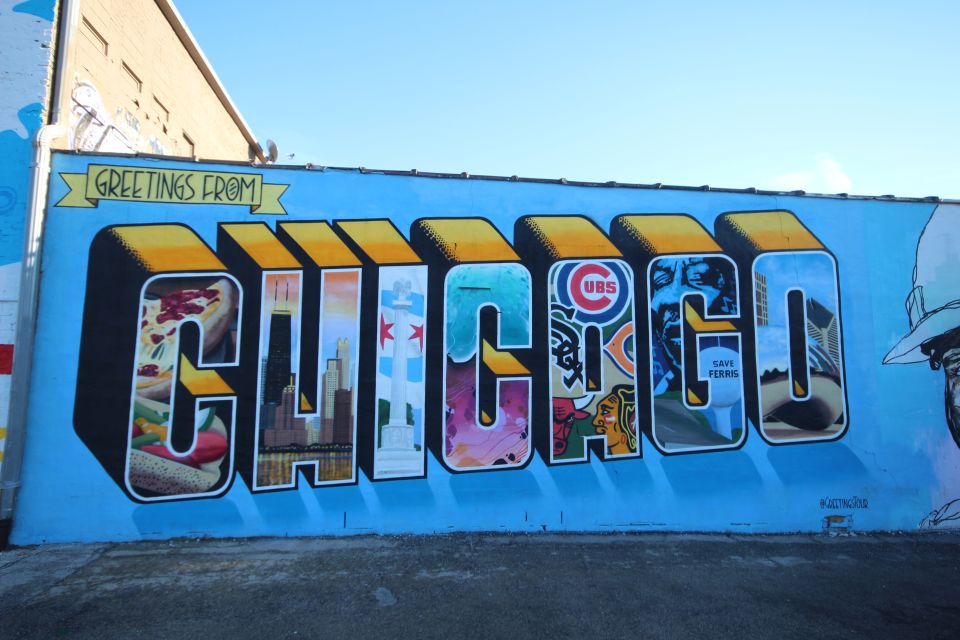
- Living gallery energy: Chicago walls keep changing, so the art you see is part of an ongoing story.
- Artist context, not just photos: You’ll learn what inspired each piece and what it’s trying to say.
- Neighborhood variety: Wicker Park, Bucktown, and Logan Square each bring a different street-art vibe.
- Watch art being made: The tour is built around seeing street art in motion, not only finished work.
- Guide Q&A time: The best versions of this tour make room for questions, not just one-way talking.
- Bring comfy shoes: Expect real walking, plus uneven sidewalks typical of these areas.
A living street-art walk through Wicker Park, Bucktown, and Logan Square

Chicago street art isn’t frozen in time. It’s more like a bulletin board that keeps getting new posts, new colors, and new arguments—sometimes all in the same block. This tour is designed for that reality, so you don’t just look at murals, you learn how they fit into the city around them.
The route focuses on Wicker Park, Bucktown, and Logan Square. Those names matter because the feel shifts as you move: one neighborhood might lean more toward large murals and bold characters, while another spot can feel more intimate, where you notice smaller details only if you slow down. A good guide helps you do exactly that.
You’ll spend the 2 hours walking, stopping frequently, and getting interpretation as you go. The goal is to help you see street art as a form of communication—made by Chicago artists for the people passing by every day.
You can also read our reviews of more guided tours in Chicago



Meeting at The Goddess and Grocer (and getting there fast)
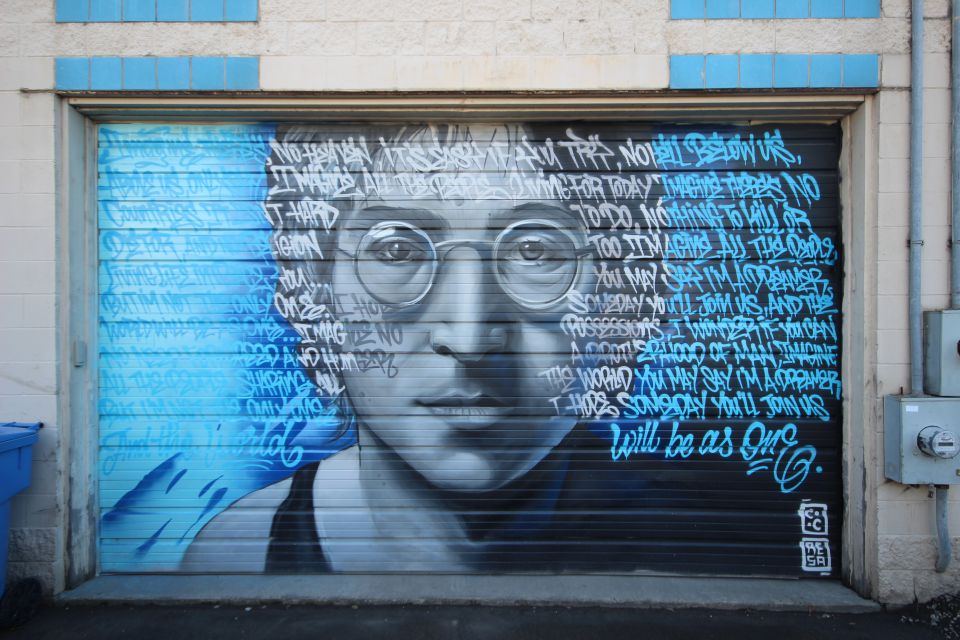
You meet your guide at The Goddess and Grocer. If you’re coming by public transit, the shop is about a block away from the Damen Blue Line stop. That’s a practical setup: you can arrive, orient fast, and then start moving without a long pre-walk shuffle.
Once you’re there, bring your basics immediately into play: comfortable shoes, a camera, and a water bottle. The tour is weather-dependent in the same way any walking tour is, so being prepared means you enjoy the stops instead of thinking about heat or cold.
If you’re trying to time this with other plans in the neighborhood, plan for the whole 2-hour experience, not just the first 20 minutes. The quality comes from the stops and the explanations, so it helps to protect your schedule while you’re doing it.
The 2-hour format: what the tour actually feels like

This is a guided walking tour, so the experience is built on momentum plus pauses. You’ll move from one wall to the next, learning what each work is doing—visually and culturally—then stepping into the next neighborhood feeling like you’ve turned a page.
Expect the guide to point out details you’d miss on your own. Street art is often placed where you naturally glance, not where you naturally study. The guide’s job is to slow your eyes down and explain what you’re looking at: the inspiration, the message, and how the artist’s intent shows up in color, style, and composition.
Timing is also part of the deal. Reviews highlight guides who take time to answer questions and adjust when the weather turns extreme. If it’s hot, that attention to pacing and shade can make a big difference in comfort—and in how much you remember when you’re back on your regular sightseeing schedule.
Wicker Park walls: learning what artists are responding to
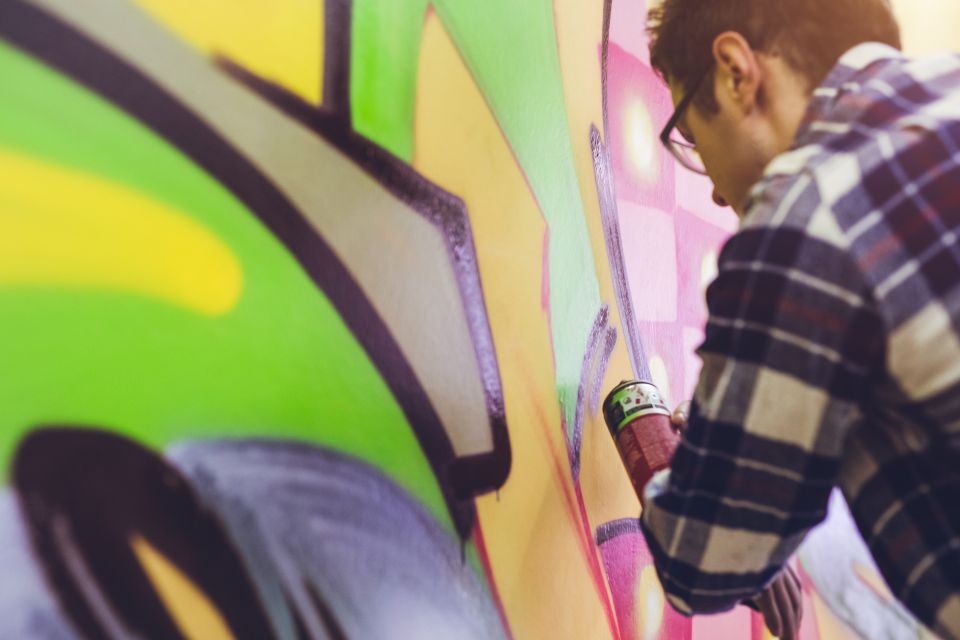
Wicker Park is where the tour often feels most like an outdoor gallery. You’re surrounded by storefronts, side streets, and building facades that act like canvases—so you start noticing that street art is responding to the neighborhood, not floating above it.
What I like about the Wicker Park style in this kind of setting is how it can mix intentions. Some works feel loud and direct, built for quick recognition from the sidewalk. Others reward a slower look, where symbolism or recurring visual motifs show up only when you stand still long enough.
The best part is the way context changes your interpretation. Once you learn the history or inspiration behind a piece, it stops being only a pretty image. It becomes a conversation with the city—about community identity, personal storytelling, or the cultural moment the artist is reacting to.
Bucktown stopovers: the art you’d miss without a guide
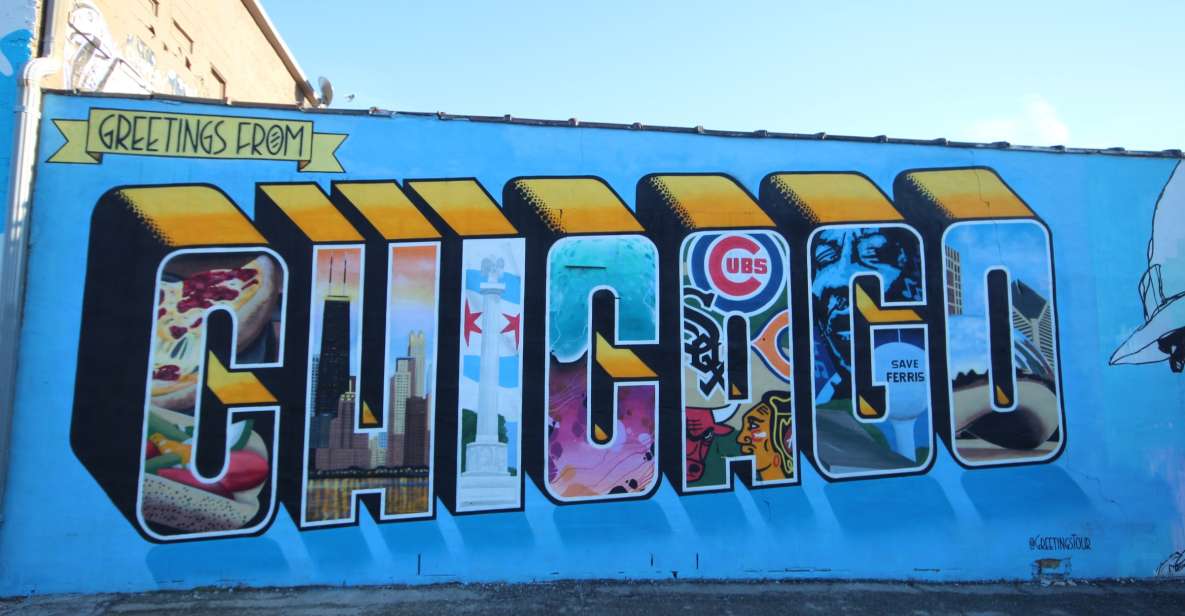
Bucktown has that feel of “almost there” street art. You might walk through it and catch a mural at the right angle, but miss the layers around it. This tour’s strength is that it helps you notice the smaller things too: the textures, the placement, and the way a work interacts with its surroundings.
Street art here can feel more layered, like the artist is negotiating with what’s already on the wall. That makes the explanations matter. The guide helps you connect style choices with meaning—why a certain figure appears, why certain colors were used, or what the artwork is borrowing from other influences.
One practical tip: keep your camera ready, but don’t treat every stop like a photo contest. Stand for a minute first. Listen. Then shoot if you want. You’ll get better pictures because you’ll understand what you’re framing, not just what looks good.
You can also read our reviews of more tours and experiences in Chicago
Logan Square: finishing with the city still changing
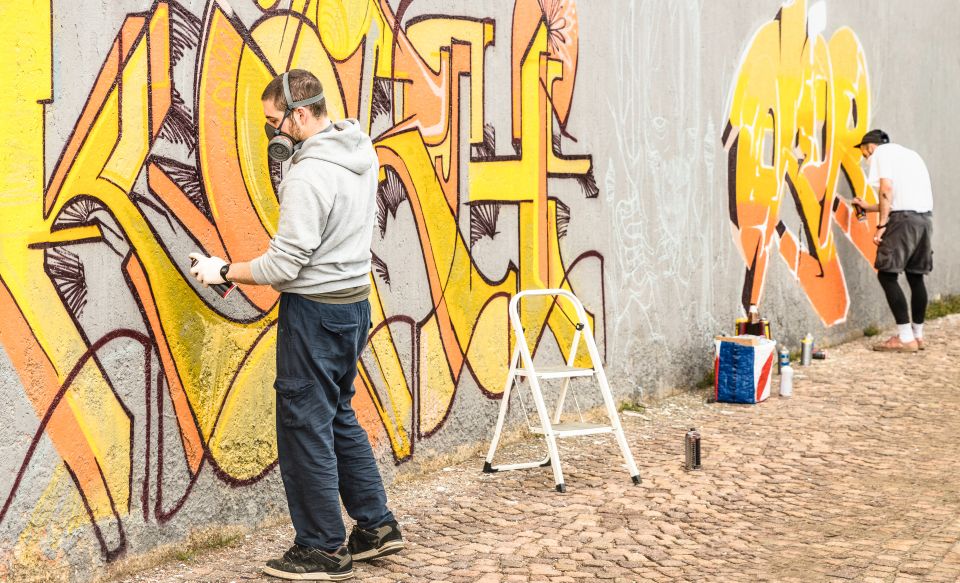
Logan Square can feel like the tour’s reset button. You step into a different block rhythm, and suddenly the same type of art you were seeing earlier feels new again because the neighborhood context shifts.
This is where the living-gallery concept really lands. Street art is constantly updated, painted over, expanded, or replaced. Even if you know the basics, seeing works in different neighborhoods helps you understand that Chicago’s street art isn’t one style—it’s many voices working with the same public surface.
By the time you’re finishing, you’ll also have a better eye for how artists plan their impact. Some pieces are built to be recognized quickly, while others rely on you approaching from the right angle or noticing the small details close up.
Guide quality: why Brian and Briana-style teaching can change everything
A street art tour can go two ways: fast and superficial, or slow enough to make meaning. The tour is set up for the second option, and the strongest experiences show a guide who’s ready for questions and willing to slow down at each stop.
In the guide pool, names like Brian and Briana have shown up in feedback, with different strengths. Brian has been described as delivering lots of context and history, while others pointed out he can run late or keep a more serious tone. Briana, on the other hand, has been praised for being very informative, and some guides even adjust for heat by finding shade at each stop.
That’s why I’d encourage you to check the day’s departure and go in with a little flexibility. If you’re the type who likes deep explanations, you’ll appreciate a guide who sticks with the story behind the art. If you’re hoping for a relaxed, chatty vibe, pick a day when you can match that pacing.
Watching street artists create art right before your eyes
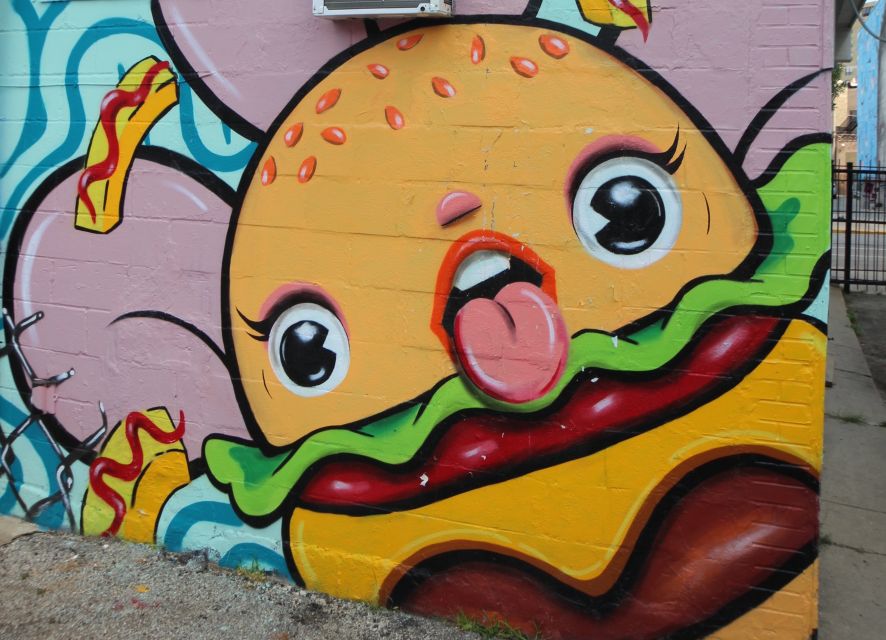
One of the most exciting highlights is the chance to see street artists creating art right before your eyes. That turns the tour from a static viewing session into something closer to “watching a process,” where you see how an image becomes real in real time.
Even when you don’t catch a full workflow, you’ll likely see parts of the process—materials, movement, adjustments, and how the art takes shape on the wall. That matters because street art isn’t just about the final piece. It’s about decisions: what gets painted when, how the surface is treated, and how the artist manages the wall as a working space.
If you plan to hang around after the tour, keep your eyes up. Street artists don’t only work at obvious spots, and the entire point of the neighborhoods you visit is that the city is constantly producing new work.
Price check: is $40 worth it?

$40 for a 2-hour guided walking tour is a fair price when you compare what you get: multiple neighborhood stops, a live guide, and guided interpretation for each piece you see. You’re not paying for a bus ride or a museum ticket. You’re paying for someone to help you read the city.
The value jumps when your guide does two things well: explains the inspiration behind each piece and gives you time to ask questions. One of the best descriptions of the tour experience highlights guides who take time at the start to set context and then keep the route comfortable in heat by choosing shaded spots.
If you’re going solo, you still get the same guide attention as a small group. If you’re going with friends, it can be a fun way to learn the local art scene without each person having to research separately.
Bottom line: if you enjoy street art as culture (not just as decoration), $40 is likely a solid spend. If you only want quick photos and don’t care about context, you might find it expensive for a simple stroll—though the “watch art being made” element can still make it worth it.
What to bring and what to skip
Bring comfortable shoes, water, and weather-appropriate clothing. You’ll be walking between neighborhoods, and street art viewing rewards staying out longer than you think. A camera is useful too, but don’t let it steal your attention from the explanations.
Also plan for the normal street-safety reality of public sidewalks: watch where you step, give yourself room on narrow edges near walls, and keep your focus as you move between stops.
Leave behind anything not allowed. Weapons or sharp objects aren’t permitted. Alcohol and drugs are also not allowed, and fireworks or explosive substances are off the table. It’s a good sign the tour is designed to stay focused on art and public space, not chaos.
Who should book this street art tour (and who might not)
This works best if you like art with a story. If you enjoy learning why people make what they make, you’ll get more out of each stop than you would by wandering alone.
It also fits well if you want a compact way to cover multiple neighborhoods without turning your day into a logistics puzzle. Wicker Park, Bucktown, and Logan Square are close enough to link together on foot, and the guide helps you connect the dots fast.
It’s not suitable for people with mobility impairments, based on the tour’s walking nature. If that’s your situation, you may want to look for a different format that offers step-free access.
Should you book the Chicago Offbeat Guided Street Art Tour?
Yes, I’d book it if you want context, not just pictures. The strongest parts of this experience are the guide-driven explanations, the feeling of walking through a changing gallery, and the chance to see artists working while the art is being created.
I’d skip it only if you’re expecting a short, casual photo loop with zero interpretation time. The tour is built around learning the history and inspiration behind works, so it won’t feel like a quick wander.
If you can handle 2 hours of walking and you go in curious, this is one of those Chicago experiences where you leave with a sharper eye for the city you thought you already knew.
FAQ
Where does the tour meet?
Meet at The Goddess and Grocer. If you use public transit, it’s about a block away from the Damen Blue Line Stop.
How long is the street art tour?
The tour lasts 2 hours.
How much does it cost?
It costs $40 per person.
Which neighborhoods does the tour visit?
The tour focuses on Wicker Park, Bucktown, and Logan Square.
Is there a live guide?
Yes. The tour includes a live English-speaking guide.
What language is the tour in?
The tour is in English.
What should I bring?
Bring comfortable shoes, a camera, water, and weather-appropriate clothing.
Is the tour wheelchair or mobility friendly?
No. It is not suitable for people with mobility impairments.
Are there items I cannot bring?
Yes. Weapons or sharp objects aren’t allowed, and alcohol and drugs are also not allowed. Firework and explosive substances are prohibited.
Is free cancellation available?
Yes. You can cancel up to 24 hours in advance for a full refund.