
REVIEW · CHICAGO
Private Art Institute of Chicago Skip-the-Line Guided Tour
Book on Viator →Operated by Babylon Tours Chicago · Bookable on Viator
A museum tour that saves your time. This skip-the-line private visit is built for seeing the Art Institute’s biggest hits in about 2.5 hours, with a guide who connects the art to the people and the period. I love that the ticket and entrance fees are wrapped into the price, so you’re not juggling extra costs right when you arrive.
Two things that really make this one feel worth it: first, you get a guided overview that explains the background behind famous paintings instead of just pointing them out. Second, the private format (max 8) makes it easier to ask questions and shift focus if you care more about Impressionists, Renaissance works, or later modern art. One consideration: museum rules and security mean no large bags inside, and there can be occasional closures that may change the timing.
In This Review
- Key highlights that make a difference
- Why skip-the-line feels like a real win here
- The “private” part: what you actually get (and how big it can be)
- Meeting at 111 S Michigan Ave: how to start smoothly
- Inside the museum: what the 2.5-hour route is designed to do
- Stop 1: The Art Institute of Chicago highlights, context, and “why it’s here”
- How the guide makes famous paintings easier to understand
- Pacing matters: you get to see more than one wing
- Hidden gems and “what you might notice next”
- Rooms with quiet rules: how that affects your experience
- Customization in a small group: asking questions without derailing
- Wheelchair-friendly access and physical effort
- Timing, closures, and why you should build in a buffer
- Value: what $85.50 buys you, and who it fits best
- Should you book this Art Institute private skip-the-line tour?
- FAQ
- How long is the Private Art Institute of Chicago skip-the-line guided tour?
- Is the admission ticket included in the tour price?
- Is this tour truly private?
- Where do we meet for the tour?
- What language is the tour offered in?
- Are there restrictions on bags inside the museum?
- Can I cancel for a full refund?
Key highlights that make a difference
- Skip-the-line entry plus all entrance fees included, so you start seeing art sooner
- Private group size up to 8, with English-guided storytelling you can steer toward your interests
- 2.5-hour pacing that typically moves across major movements instead of getting stuck in one wing
- Artist context, not just labels, with guidance that often links movements across centuries
- Quiet/restricted speaking rooms are handled by your guide, so you won’t feel confused mid-visit
Why skip-the-line feels like a real win here
At the Art Institute of Chicago, the problem is rarely whether the museum is worth your time. It’s how to avoid wasting your limited vacation hours in queues and uncertainty about what to see first. This tour solves that with skip-the-line museum ticket access included in the tour price.
I like how that changes your whole arrival mindset. Instead of spending your energy figuring out entry timing and where to go next, you can walk in and start with a guided route designed to hit major works while still leaving breathing room. Even better, the tour ends back at the meeting point, so you’re not trapped in a complicated end-of-tour navigation problem.
You can also read our reviews of more guided tours in Chicago



The “private” part: what you actually get (and how big it can be)

This is marketed as a private guided tour, and the key practical detail is your group size: a maximum of 8 people per booking. In real life, that matters. Smaller groups tend to make it easier for your guide to keep the flow moving without shouting, and it’s more natural for questions to fit into the rhythm of the tour.
You’ll also be in English, and you’ll receive a mobile ticket rather than scrambling for printed vouchers. Another small but helpful point: the meeting spot is near public transportation, which is great if you’re using transit to get into downtown.
If you’re traveling as a couple or with teens who want structure, this size usually hits a sweet spot. You get a guided plan, but it still feels like you can react to what’s holding your attention.
Meeting at 111 S Michigan Ave: how to start smoothly
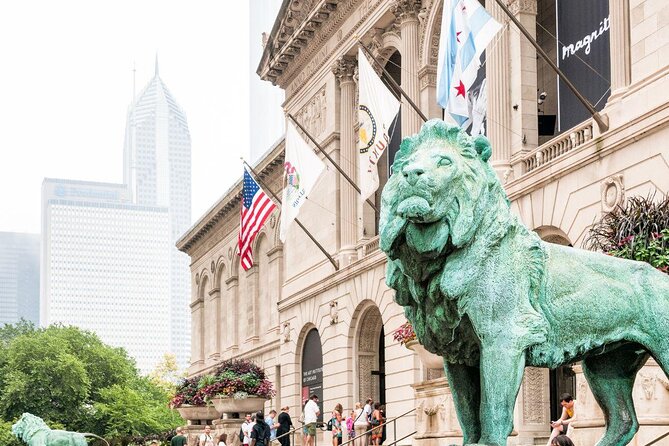
The meeting point is the Art Institute’s main address: 111 S Michigan Ave, Chicago, IL 60603. For me, the biggest “logistics” win here is simply knowing you won’t have to hunt for a secondary pickup location or a secret back entrance.
The tour provider notes that the tour price does not include hotel pickup or drop-off. Practically, that means you should plan your own way in, and I’d use Uber or taxi if you’re carrying day bags or you want the simplest route. If you prefer transit, the meeting area is noted as near public transportation.
Also, keep an eye on dress and security rules. Some sites require appropriate dress, and museum security has strict bag rules: no large bags or suitcases, only handbags or small thin bag packs. If you show up with a big bag, you may lose time to swapping items or dealing with bag checks.
Inside the museum: what the 2.5-hour route is designed to do
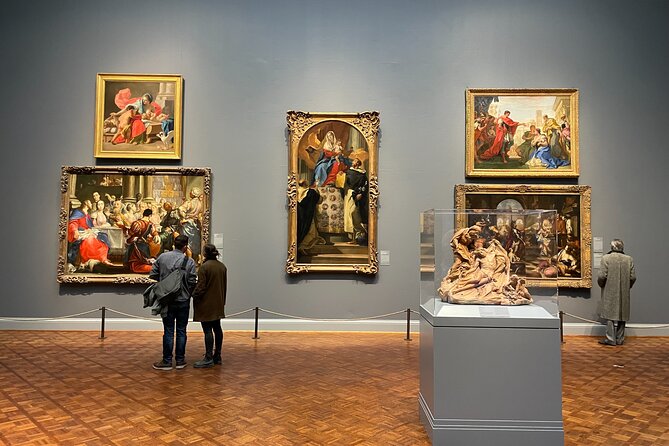
The whole point of a highlight-first route is focus. The Art Institute’s collection is massive, covering centuries of art and history, so “just wander” can become a half-day blur. This tour is built to give you an organized way to see the museum’s major movements and to understand why they mattered when they were made.
The biggest value here is interpretation. Your guide is there to explain the background behind famous works—artist choices, the cultural moment, and how the style fits into broader art history. That turns the museum from a list of paintings into a story you can actually follow.
Also, the tour is designed to be adjustable to your interests. You’re not locked into a one-size-fits-all lecture. If Impressionism is your priority, your guide can steer more attention there. If you’d rather move through time in a clean line, your guide can emphasize how one period leads into the next. One of the strongest themes in the experience is connecting the dots across eras.
Stop 1: The Art Institute of Chicago highlights, context, and “why it’s here”
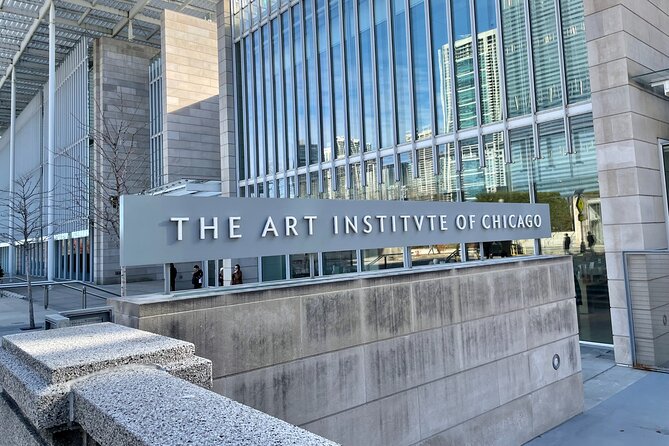
Your tour stop is the Art Institute itself, and you’ll typically move through major galleries during the full 2 hours 30 minutes. Expect a route that doesn’t just name artists. It often frames why the museum’s collection matters—especially for how the Art Institute differs from older European art institutions.
You can also read our reviews of more private tours in Chicago






How the guide makes famous paintings easier to understand
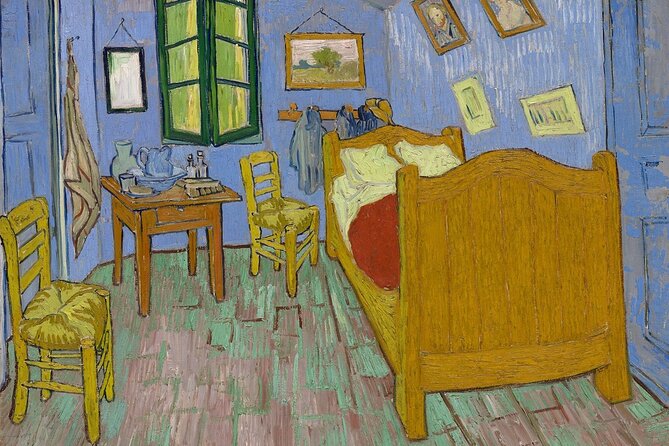
When a guide talks about art in context, it helps you look longer without getting lost. This tour is designed around that. You’ll hear background on major paintings and also get artist-life details and fun facts, which makes the work feel less distant.
It’s also a tour that can build an “art vocabulary” on the fly. Instead of treating Impressionism or later styles as random categories, your guide helps you connect the visual style to the time period and the ideas behind it. That’s why people often say the tour changes how they look at art afterward.
Pacing matters: you get to see more than one wing
A common museum problem is spending too long in one area and leaving the rest for later that never comes. This tour’s length supports a better strategy: see enough to feel oriented, then keep your energy for the rest of your visit.
Many guides focus on strong anchors—major works and major movements—so even if you’re a first-time visitor, you leave with a sense of what’s essential. If you’re returning, the tour can still be useful because guides often add interpretation that you’d miss alone, plus they may point out less obvious areas you can check during your free time afterward.
Hidden gems and “what you might notice next”
Even though the tour targets the big names, it’s also designed to point out smaller moments—what your guide calls hidden gems. Based on recent experiences, that can include special areas such as miniatures in the lower level, depending on the route your guide follows.
This is one reason the private format helps. If you tell your guide what you like, they can often adjust where they spend the most time. If you don’t, you’ll still get a structured tour that aims to cover the highlights.
Rooms with quiet rules: how that affects your experience
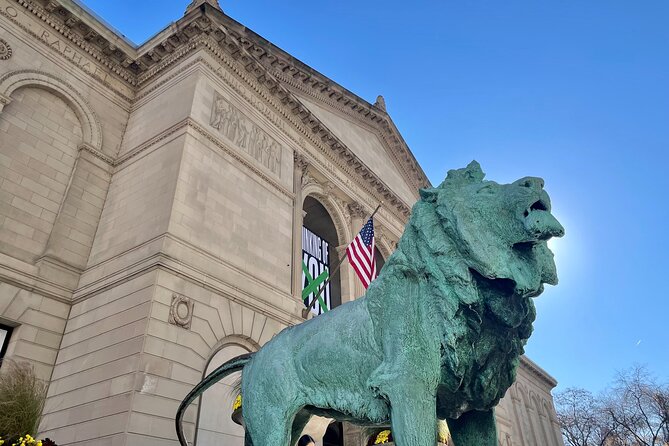
This tour notes that some rooms have restrictions on speaking and can be very quiet. That can sound intimidating, but the important part is that your guide will explain the rule before entering those spaces.
What that means for you in practice: you won’t feel like you’ve accidentally broken museum etiquette. You’ll also learn how to behave in a way that matches the room’s purpose, which often improves the experience. Artrooms like that reward calm attention.
Customization in a small group: asking questions without derailing
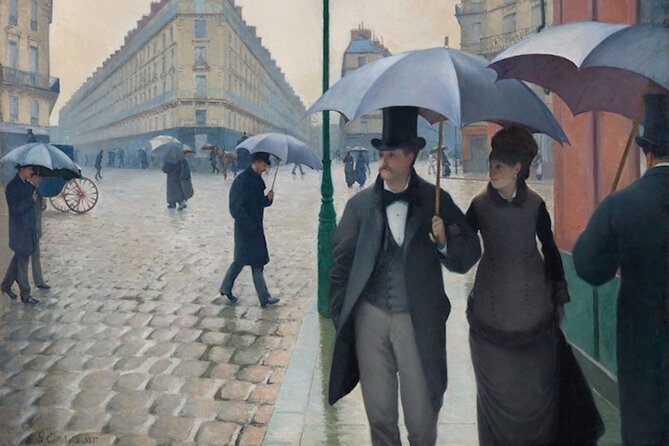
The tour is private, with a max group size, and that supports customization. If your interests lean toward specific artists or movements, you can usually ask for emphasis, and your guide can adjust what gets extra attention.
From the guide lineup shared in recent experiences, you can also see the range of approaches. Some guides, like Heath and Spiro, are praised for tying movements together across time. Others, like Mandy (Amanda) and Samantha, are noted for flexibility and making sure questions are part of the tour, not an interruption. Even where a specific route is planned, the overall style tends to leave space for your interests.
One practical tip: think of your top 3 art interests before you arrive. It helps your guide steer quickly, especially during a 2.5-hour window.
Wheelchair-friendly access and physical effort
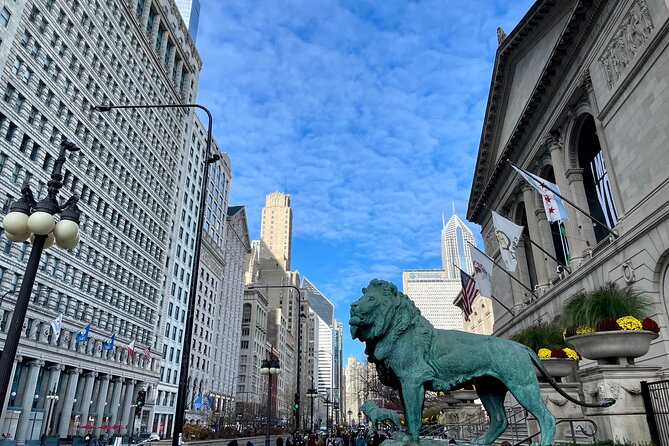
The tour is listed as wheelchair friendly, and that’s a big deal for a museum visit where distance and stair routes can affect the entire day. The tour also says you need a moderate physical fitness level. In real terms, that usually means you should be comfortable with walking through galleries and standing for guided explanation.
If you use a mobility aid, I’d still plan your own pace and breaks. A good guide will slow down when needed, but your comfort matters just as much as the route.
Timing, closures, and why you should build in a buffer
Museums can close temporarily, and this tour explicitly notes that the Art Institute may have occasional closures without previous warning. If the museum is delayed by more than 1 hour from the tour start time, you’ll be provided an appropriate alternative if opening is delayed.
The important part: in those cases, the provider says they can’t offer refunds or discounts. So my advice is simple: build a little buffer into your day. If you’re scheduling dinner or another attraction immediately afterward, avoid putting it right on the edge of the tour end time.
Value: what $85.50 buys you, and who it fits best
At $85.50 per person for about 2.5 hours, you’re paying for three things bundled together:
- Skip-the-line access
- A professional guide
- Entrance fees included
That’s where the value comes in. A museum admission alone doesn’t get you the interpretation, and a guided tour that also saves you queue time can be easier on your schedule than cobbling together entry and a plan on your own. If you’d rather not spend your first museum hour deciding what to see, this price starts to make more sense fast.
This tour is especially well suited for:
- First-time visitors who want orientation and a guided hit list
- Couples who want shared context while moving at a manageable pace
- Families with teens who learn better with stories and can ask questions during the walk
- Art lovers returning to Chicago who want fresh angles on familiar movements
If you’re the type who already has a very detailed plan and wants to spend the whole day wandering, you might find less value in the guided structure. But if you’re aiming for a “best-of” overview with real explanations, this is a strong fit.
Should you book this Art Institute private skip-the-line tour?
Yes, if you want a practical way to see the Art Institute without turning your day into a navigation project. The biggest reasons I’d book are the skip-the-line entry included, the small-group private size (max 8), and the emphasis on understanding the stories behind the paintings—period context, artist background, and how styles connect across centuries.
I’d hesitate only if your schedule is extremely tight with no buffer (because of possible closures) or if your day-bag needs don’t fit the museum’s security rules. If you can travel light and give yourself a cushion, you’re in good shape.
Overall, this is a tour designed to help you get bearings fast and leave the museum with a clearer sense of what you saw and why it matters.
FAQ
How long is the Private Art Institute of Chicago skip-the-line guided tour?
It runs for about 2 hours 30 minutes.
Is the admission ticket included in the tour price?
Yes. Skip-the-line museum entry and all entrance fees are included.
Is this tour truly private?
It is private, and the maximum group size is 8 people per booking. Only your group participates.
Where do we meet for the tour?
The meeting point is 111 S Michigan Ave, Chicago, IL 60603.
What language is the tour offered in?
The tour is offered in English.
Are there restrictions on bags inside the museum?
Yes. No large bags or suitcases are allowed. Only handbags or small thin bag packs are allowed through security.
Can I cancel for a full refund?
Yes. You can cancel up to 24 hours in advance for a full refund.