REVIEW · CHICAGO
Best of Chicago: Architecture & Highlights City Private Tour
Book on Viator →Operated by WeVenture · Bookable on Viator
Chicago’s skyline is best learned on foot. This private downtown loop is made for first-time visitors, with architecture and street-level stories stitched together in about two hours. I like how it feels practical, not like a museum lecture, and you get real guidance on what to look up at. Guides such as Dash, Dave, Rich, and David bring big energy, and you’ll get snacks (popcorn and chocolate tastings) plus a train pass to keep things easy.
The main thing to consider is that it’s still a walking tour. Also, the river portion depends on weather and the season—so in winter, you won’t count on the Riverwalk stop.
In This Review
- Key highlights that make this tour worth your time
- A smart way to get your bearings in Downtown Chicago
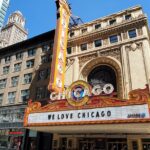
- Start at the Chicago Theatre: neon signs and big-city theater energy
- The Chicago Pedway: indoor shortcuts that make winter feel optional
- City Hall area and the 10-story civic building: why Chicago designs for function
- Picasso in the streets: public art that changes the feel of downtown
- Riverwalk views: iconic scenery, with a seasonal reality check
- Wrigley Building: that clocktower look that defines early Chicago ambition
- Tribune Tower: where journalism and architecture meet in the same frame
- Magnificent Mile walking: parks, views, and the pace shift toward the finish
- Millennium Park and Cloud Gate: time to actually enjoy the Bean
- Snacks, train pass, and why it feels easier than a DIY day
- Price and value: $245 per group makes sense for up to 12
- Who this tour is best for
- Should you book this Downtown architecture private tour?
- FAQ
- How much does the Best of Chicago: Architecture & Highlights City Private Tour cost?
- How long is the tour?
- Is this a private tour?
- Where do we meet and where does the tour end?
- Is pickup available?
- What’s included in the price?
- Are tickets included for all stops?
- Is the Chicago Riverwalk always part of the tour?
- Can I cancel and get a full refund?
Key highlights that make this tour worth your time
- Private group attention: only your party goes, so questions actually get answered.
- Chicago Pedway walking: an indoor network that helps you dodge Midwest weather.
- Public art close-up: the Picasso statue is built into the route, not an afterthought.
- Riverwalk views when conditions allow: it becomes part of the experience in fair weather.
- Architecture through different industries: you’ll see how city design mixes business, journalism, and civic life.
- Millennium Park finish at Cloud Gate: you get time at the Bean for photos and your next move.
A smart way to get your bearings in Downtown Chicago
This tour is built around the idea that Chicago makes more sense when you understand the layout. You start in the Theater District area, then work your way through the core downtown grid, stepping into a few spots where Chicago’s personality shows up fast: bold facades, iconic signage, and buildings you can’t miss once you know what you’re seeing.
I like the pacing because two hours is short enough that you won’t feel dragged, but long enough to connect themes. You’re not just ticking off landmarks. Your guide points out how Chicago grew and how certain building styles became a local obsession. And because it’s private, your guide can nudge the route to the pace and curiosity level of your group.
If you want a low-effort first-day plan, this fits well. Pick morning or afternoon, wear comfortable shoes, and you’ll return to your hotel with a better mental map and fewer guessing games.
You can also read our reviews of more city tours in Chicago


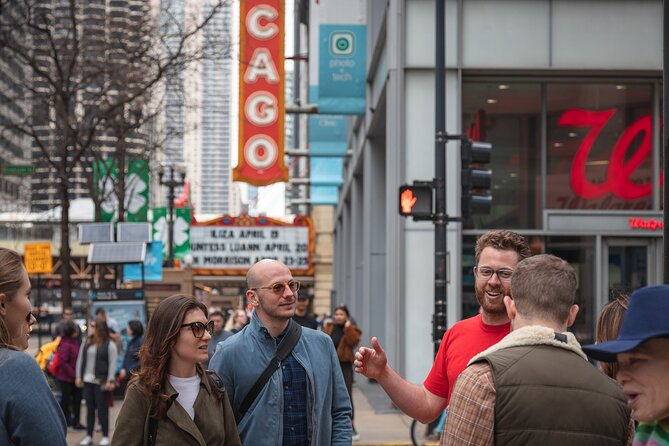
Start at the Chicago Theatre: neon signs and big-city theater energy
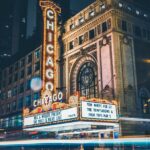
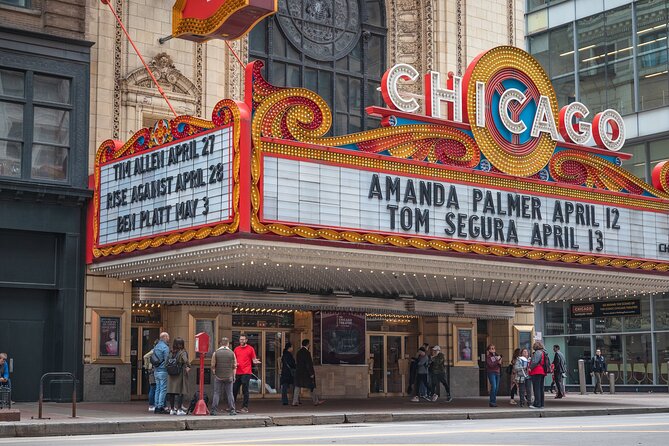
You meet outside the Chicago Theatre (175 N State St) and the tour kicks off under that iconic neon sign. Even if you’re not a theater person, it’s a good starting point because it anchors you in the downtown rhythm right away—crowds, storefronts, and the sense that Chicago was built to be seen from the street.
One practical detail: the stop is listed with admission not included. So don’t plan on going inside the theater unless you’re willing to pay separately or the schedule happens to allow more access than expected. The real value here is what happens outside—your guide sets context for the architecture walk and points out what to look for as you head into the downtown core.
The Chicago Pedway: indoor shortcuts that make winter feel optional
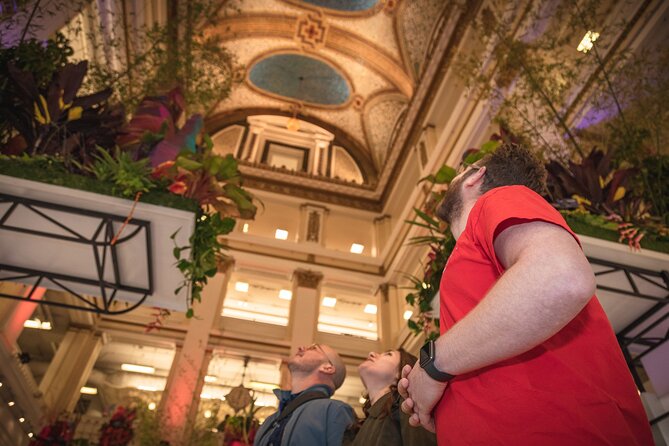
One of the most useful parts of this tour is the Chicago Pedway network. This is the web of tunnels and sky-bridges that connects buildings and retail spaces above or alongside the street level. It’s one of those Chicago-only solutions that makes sense the moment you experience it: when the weather turns, locals don’t just suffer through it.
You’ll spend a short chunk of time walking through it, and you’ll get the point behind the place. The Pedway isn’t just a novelty. It’s a city planning tool—built to keep people moving, shopping, and working without constant exposure to wind and cold.
I also like that it adds variety to the walk. Instead of repeating one kind of street scene, you get a different architectural view: how steel, glass, and lighting feel when you’re inside the downtown skeleton.
City Hall area and the 10-story civic building: why Chicago designs for function
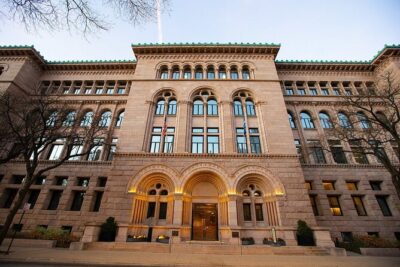
As you continue, you’ll pass a 10-story building that houses city government offices. The tour doesn’t sell it as a dramatic showpiece, but that’s kind of the point. Civic buildings can be quieter than skyscrapers, yet they reveal a lot about what a city values—how leadership space is shaped, and how Chicago’s architectural confidence shows up even in non-glam roles.
This segment works best if you pay attention to details your guide points out, like symmetry, materials, and how the building sits within the surrounding streets. You’ll get information on its history while you’re walking, which helps the architecture feel connected to the city’s story instead of just looking like a backdrop.
Picasso in the streets: public art that changes the feel of downtown
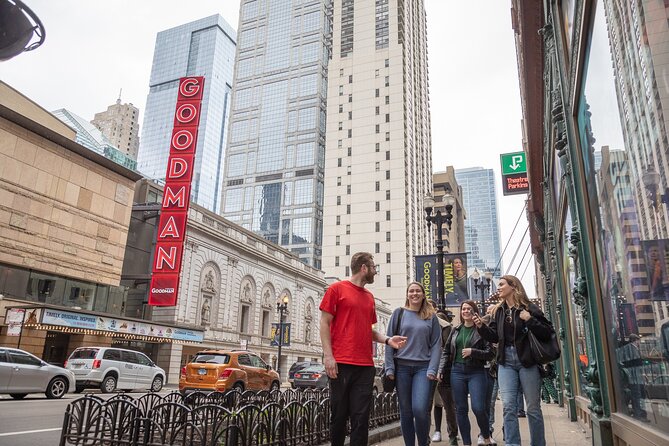
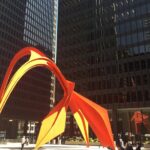
Next comes one of Chicago’s most recognizable pieces of public art: the Picasso statue. This isn’t the kind of stop where you just pose for a photo and move on. Your guide explains how it came to Chicago and how it was received, giving you context for why this sculpture has become a downtown landmark in its own right.
I like public art stops on architecture tours because they remind you that cities aren’t only buildings. They’re also ideas—what a community chooses to display in public space, and how art can sit comfortably alongside everyday movement.
This is the kind of moment where you’ll look up, then look closer, then realize the statue has a personality that doesn’t translate the same way from a distance.
You can also read our reviews of more private tours in Chicago

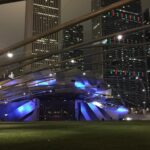




Riverwalk views: iconic scenery, with a seasonal reality check
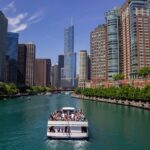
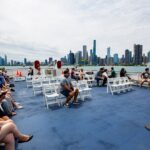
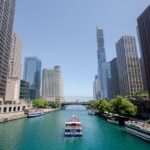
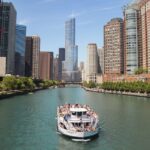
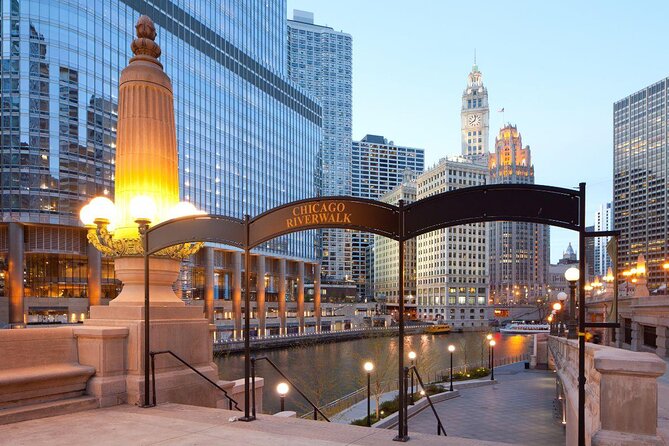
The Chicago Riverwalk is part of the experience when weather cooperates. If it’s a clear day, this stop is about taking a slow walk along the water and soaking up views, including landmarks you can spot from the promenade area.
The listing also makes it clear that this stop is not part of the tour during the winter months. So plan around that reality. On a sunny day you get the payoff; in winter you’ll get a route that keeps the tour practical and doesn’t rely on outdoor comfort.
If you’re traveling in a colder season, I’d treat the Riverwalk as a bonus, not a guarantee.
Wrigley Building: that clocktower look that defines early Chicago ambition
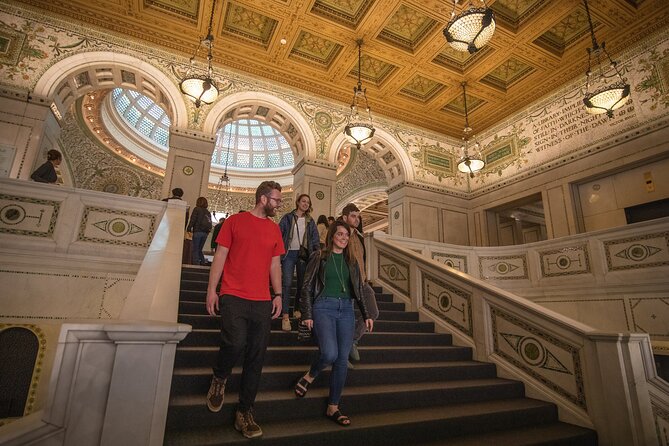
You’ll pass the Wrigley Building next—a landmark known for its central clocktower and early-1900s origins. Even though it no longer houses the Wrigley Company, it still feels tied to the idea of Chicago as a place where business buildings become symbols.
This stop works because you learn to read a building like a message. You’ll see how the architecture signals confidence and permanence, and you’ll also hear what now occupies the building (businesses and consulates). It’s a good reminder that downtown buildings often evolve over time while keeping their identity.
Tribune Tower: where journalism and architecture meet in the same frame
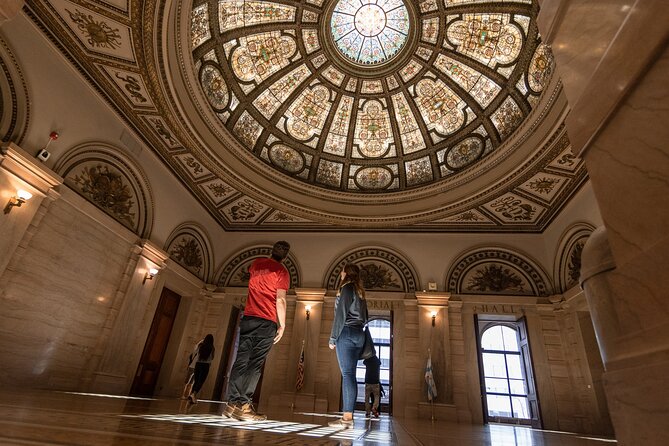
Then you head toward the Chicago Tribune’s building, a strong journalism anchor in the downtown skyline. Your guide connects the architecture to the role the building plays in media—so you understand why the location and design matter.
This stop is about atmosphere. The Tribune Tower gives you a sense of how Chicago treats its major industries: not hidden behind the scenes, but part of the city’s visual language.
If you like architecture that tells you what the place was built to do—inform, persuade, and influence—this segment clicks fast.
Magnificent Mile walking: parks, views, and the pace shift toward the finish
As you transition toward the end point, you’ll walk along the Magnificent Mile. The tour frames it as a route with lakefront parks and a calmer vibe than some of the busier core streets.
This is where the walk starts to feel like a guided stroll instead of a sprint between icons. You’ll still get architecture context, but you also start to notice the city’s geography: how downtown edges toward open space and how the lakefront changes the mood.
It’s a nice setup for the final stop, because you arrive at Millennium Park feeling oriented instead of rushed.
Millennium Park and Cloud Gate: time to actually enjoy the Bean
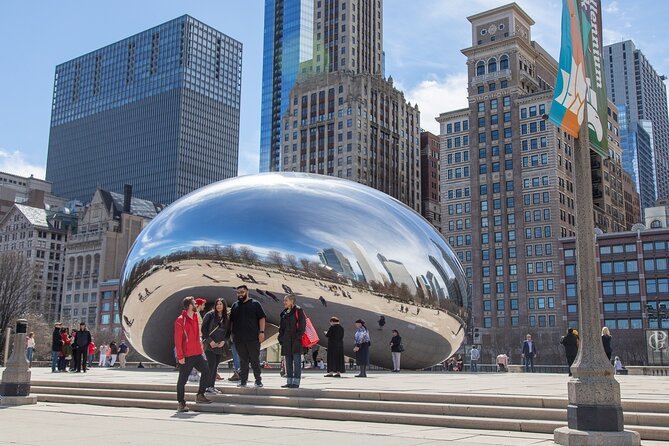
You end at Millennium Park with plenty of time at Cloud Gate, the sculpture people call the Bean. This is one of those landmarks that gets overhyped in photos, but it still delivers in person once you’re close enough to see how the reflections play off the city around you.
The tour gives you time to soak it in and also positions you in a very usable location. Your guide can recommend what to do next for food, bars, and attractions nearby, which is a practical advantage if you’re trying to turn a tour into a full afternoon or evening plan.
I like finishes like this because it doesn’t cut off right when you’re most excited. You get a runway into your next step.
Snacks, train pass, and why it feels easier than a DIY day
A big part of the value is that the tour includes snacks: popcorn tasting and chocolate tasting. These are small, but they matter because they break up the walk and make the experience feel like it has a Chicago rhythm. You’re not just marching from one photo spot to another. You get a couple of low-key local treats built into the flow.
You also get a train pass. The tour includes walking, but transit support is useful for any day in Chicago—especially if you plan to extend your route after the tour or if you want an easier return to your hotel.
And because it’s private for up to 12 people, it avoids the common frustration of large group tours where you can’t hear your guide or ask follow-ups.
Price and value: $245 per group makes sense for up to 12
The price is $245 per group for up to 12 people. That math can be surprisingly fair in a city like Chicago where guided time can get expensive fast—especially if you’re traveling with family or friends.
A couple of ways to think about value:
- If you’re a small group (say 3–6 people), you’re paying for convenience and clear guidance. You avoid decision fatigue and you get structure for the day.
- If you’re a larger group up to 12, the per-person cost drops, and the private aspect becomes the win. Everyone stays together, and your guide can keep the tour moving at a pace that works for your group.
The duration is about two hours, so you’re not buying half a day you might lose to weather or crowds. You’re buying focused orientation and a guided route through downtown’s main architecture beats.
Who this tour is best for
This tour is ideal if you want a confident first taste of Downtown Chicago architecture without committing to a long day. It’s also a strong match for people who don’t want to guess which buildings matter or why they matter.
I’d particularly recommend it if:
- You’re visiting for the first time and want a fast mental map
- Your group includes a mix of interests (architecture, city planning, public art)
- You want a private guide who can adjust pace and questions
- You prefer walking with breaks and included snacks
If you’re already an architecture superfan and want deep interior access everywhere, you might end up wanting more time or additional specialized tours. But for getting oriented and seeing the main story beats in a compact route, it’s a solid plan.
Should you book this Downtown architecture private tour?
Book it if you want a guided, first-day-friendly way to understand Chicago’s downtown: Chicago Theatre to Pedway to public art to the river area (when conditions allow), then on to Wrigley and Tribune symbolism, ending at Cloud Gate.
Skip or consider other options if you’re expecting mostly indoor sightseeing with lots of building entrances included, or if your schedule depends on Riverwalk views in winter. Otherwise, the combination of a private group, included snacks, and an easy downtown route makes this a practical use of a couple of hours.
FAQ
How much does the Best of Chicago: Architecture & Highlights City Private Tour cost?
It costs $245 per group, up to 12 people.
How long is the tour?
The tour lasts about 2 hours.
Is this a private tour?
Yes. It’s private, and only your group participates.
Where do we meet and where does the tour end?
You meet outside the Chicago Theatre at 175 N State St. The tour ends in Millennium Park.
Is pickup available?
Yes, pickup is offered.
What’s included in the price?
The tour includes snacks (popcorn tasting and chocolate tasting), a local English-speaking guide, and a train pass.
Are tickets included for all stops?
No. For example, the Chicago Theatre stop lists admission ticket not included. Other stops shown as free include the Pedway, Riverwalk (when included), Magnificent Mile, and Millennium Park.
Is the Chicago Riverwalk always part of the tour?
No. The Riverwalk stop isn’t part of the tour during winter months, and it also depends on having good weather.
Can I cancel and get a full refund?
Yes. Free cancellation is available up to 24 hours in advance of the experience start time. If you cancel less than 24 hours before, the amount paid isn’t refunded.