REVIEW · CHICAGO
Chicago Self-Guided Audio Tour
Book on Viator →Operated by Uvamai Niche Tourism · Bookable on Viator
You can tour Chicago on a budget and at your rhythm. This self-guided audio route strings together major landmarks and a few “wait, that’s here?” surprises, with stories you can play as you wander. I like that you can pick your starting point and even split the day(s), instead of feeling locked into one rigid group pace.
What I really like is the flexibility: you’re not chained to a tour guide or a GPS path. The second thing I like is the audio delivery—one positive review specifically called out that the narration is clear and loud enough for everyone to hear, with articulate storytelling. The big trade-off is that this is built for short, bite-size listens; if you expected long, deep lectures at every stop, you may feel a bit shortchanged.
In This Review
- Key Points I’d Plan Around
- For $6, You Get 15 Stops and Real Freedom to Wander
- Using the Links: SoundCloud Playlist and Google My Maps Headphone Icons
- Union Station, the Great Hall, and WWII-Tunnel Stories You Can Hear While You Walk
- Chicago’s Fountain, Parks, and Cloud Gate: Short Stories That Make the Icons Click
- Clarence F. Buckingham Fountain
- Millennium Park
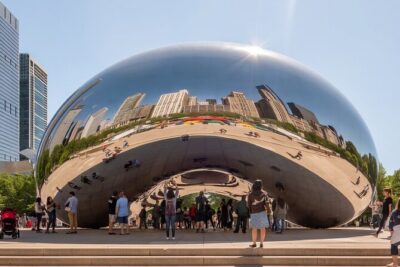
- Cloud Gate (the Bean)
- Chicago Cultural Center and the Tiffany Domes: Free Art in a Big, Serious Building
- Museums Without the Pressure: Field Museum, Art Institute, and Science & Industry
- Field Museum
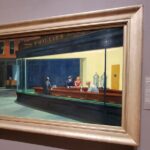
- The Art Institute of Chicago
- Griffin Museum of Science and Industry
- Riverwalk and Navy Pier: Water-Level Details and a Big Shift in Meaning
- Chicago Riverwalk
- Navy Pier
- Gilded-Age Luxury and Research Rooms: Driehaus, Chicago History, and Newberry
- Richard H. Driehaus Museum
- Chicago History Museum
- Newberry Library
- Lincoln Park Zoo: A Free Conservation Story With Built-In Pause Time
- 360 Chicago for Skyline Clarity (If You Want the Big Picture)
- So…Should You Book It?
- FAQ
- How do I access the audio guides?
- Is this tour GPS guided?
- Do I need to download an app?
- Are admission tickets included for museums and observation decks?
- How long do I have access to the tour materials?
- What language is the tour available in?
Key Points I’d Plan Around
- $6 per person for a 15-stop audio playlist you can spread over multiple visits
- SoundCloud playlist + Google My Maps headphone markers make it easy to jump between stops
- Union Station includes film-glamour stories plus WWII training claims (worth it even if you skip museums)
- You choose the order of stops, which helps you beat crowds and match your energy
- Some stops cost extra (museums/observation), while several city icons are free
- Audio segments are meant to be digestible, so it won’t feel like a multi-hour live tour
For $6, You Get 15 Stops and Real Freedom to Wander
Let’s talk value first. At $6 per person, you’re not buying “entry fees” or transportation—you’re buying structure and story cues so you can turn a normal sightseeing day into a guided-feeling route. That matters in Chicago, because the city is spread out and you’ll naturally walk more when you’re curious.
This is also designed for your schedule. The duration is listed as about 3 to 9 hours, and the audio links stay valid for up to 6 days, so you can do a tight downtown loop one day and add museums another day. It’s a smart fit if you hate rushing.
One note to calibrate expectations: this tour is self-guided, and the audio at each stop is built to be short. One disappointed experience said the clips felt closer to quick segments than a long guided lecture, and that can be the difference between fun and frustration.
You can also read our reviews of more guided tours in Chicago



Using the Links: SoundCloud Playlist and Google My Maps Headphone Icons

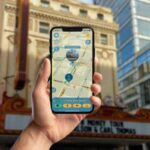
You’ll get two private access links through the booking platform messaging system. Link 1 is the SoundCloud playlist with the audio guides for all attractions, and Link 2 is a Google My Maps itinerary with headphone icons.
Important practical stuff:
- Use your browser for Google My Maps, not the Google Maps app.
- Bring headphones/earphones and make sure your phone is charged.
- Have internet access, since the audio is played through the links.
This setup is a big part of why the tour works. You can tap an attraction on the map and jump straight to its audio without trying to memorize directions. And because it’s not GPS-guided, you’re free to detour for snacks, weather, or a street that looks more interesting than the next stop.
Union Station, the Great Hall, and WWII-Tunnel Stories You Can Hear While You Walk

Union Station is your best “start with confidence” stop because it’s a destination even if you’re not museum people. The audio guide frames it as a Beaux-Arts masterpiece with film glamour, then adds the kind of details that make you look up instead of straight through.
Here’s what you’ll get out of it:
- The Great Hall skylight is a natural “pause point” for listening.
- You’ll hear about hidden tunnels beneath the station and the idea of secret World War II training.
- You’ll also get the story of famous passengers moving through the marble corridors.
Union Station is free to enter, so you’re not forced to make a “worth it” decision. Spend time here like you mean it: wander the grand interior first, then loop back outside to orient yourself for the rest of the day.
Chicago’s Fountain, Parks, and Cloud Gate: Short Stories That Make the Icons Click

From there, you can build an easy downtown triangle: Buckingham Fountain → Millennium Park → Cloud Gate. These are all free, and they’re close enough that you can stay on foot without turning the day into logistics.
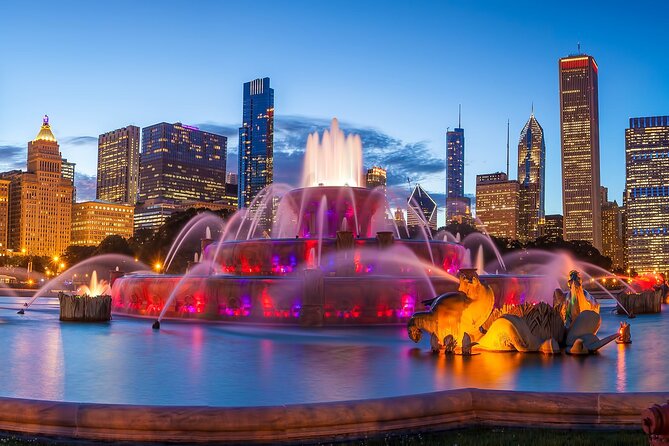
Clarence F. Buckingham Fountain
The audio turns the fountain into a story about family legacy and engineering. You’ll also hear how its design connects to the Great Lakes theme, plus mentions of restoration and the history around nighttime light show moments. If you’re there when water is running, you’ll feel the point: this isn’t just “pretty water,” it’s a designed landmark.
You can also read our reviews of more tours and experiences in Chicago





Millennium Park
Millennium Park is where Chicago puts its big ideas on display. The audio focuses on the transformation from industrial wasteland into a cultural destination, including the political and architectural challenges. It also points you toward details many people skip—like the underground engineering behind major features.
If you have limited time, I’d choose your “must look” items first:
- Crown Fountain’s tech details
- Lurie Garden’s ecological significance
Cloud Gate (the Bean)
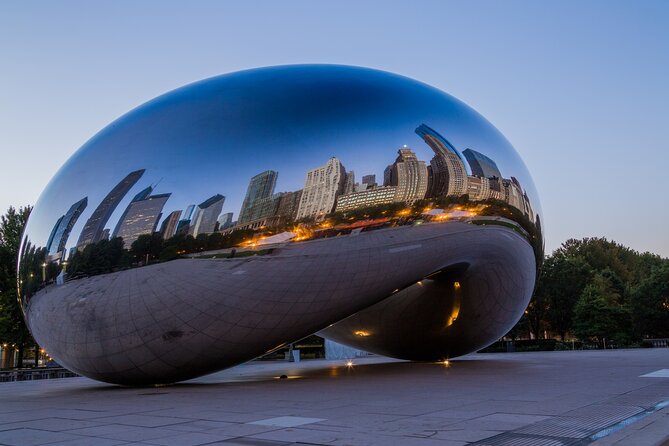
Cloud Gate is the stop most people already came to see, but the audio adds angles you won’t get from selfies alone. You’ll hear about the controversial creation process, engineering challenges, and even the sculpture’s math-y properties. Expect a story that connects it to community and urban identity.
Also, plan to walk around it slowly. The whole experience makes more sense from different angles, especially if you’re watching your reflection bend across the surface.
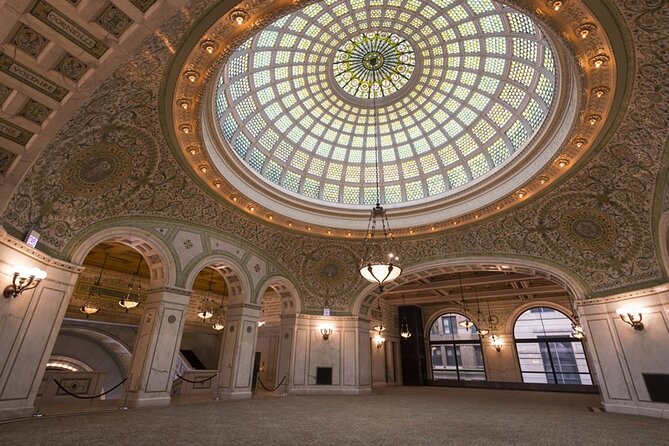
Chicago Cultural Center and the Tiffany Domes: Free Art in a Big, Serious Building
Chicago Cultural Center is one of those places that feels “too good to be free.” The audio guide calls it the People’s Palace and highlights its Tiffany glass domes, plus the building’s earlier life as Chicago’s first central library.
This stop is especially worth it because the audio can guide you toward:
- craftspeople who worked on mosaics
- the political fights that helped keep the building from being demolished
- the building’s transformation into a cultural hub
You’ll likely want to step in and out slowly. Treat it like a breather between outdoor stops and ticketed museums.
Museums Without the Pressure: Field Museum, Art Institute, and Science & Industry
Some of the best “value-per-step” moments in Chicago are museums—but not every museum is worth your whole afternoon. This audio tour helps you choose wisely because each stop comes with a story angle, not just a generic brochure.
Field Museum
The audio steers you beyond the famous T-Rex, toward the museum’s origin story tied to the 1893 World’s Fair. You’ll also hear about Ancient Americas, the real stories behind Egyptian mummies, and research happening in laboratories above your head.
A practical caution: admission is not included here, so if the budget is tight, you’ll want to match this to your interests in natural history. If you do go, give yourself enough time to actually look—this one rewards curiosity.
The Art Institute of Chicago
Art Institute is another stop with extra admission, and the audio guide uses that cost as an opportunity: it focuses on how the museum acquired major works, including donor influence and controversies around acquisitions. It also links Chicago’s industrial boom to its artistic renaissance.
If you’re tempted to speed-run the “famous works only,” the audio nudges you to think more about local patrons and the push-and-pull between Chicago and European collectors. The stop is also named for how pieces like Grant Wood’s American Gothic became cultural icons—so you can go straight to that feeling of recognition, then wander into the connections.
Griffin Museum of Science and Industry
This is science museum country, and the audio leans into the setting too. Griffin sits in the last remaining building from the 1893 World’s Columbian Exposition, which gives the museum extra character.
The audio guide points you toward iconic exhibits like the captured German U-boat and the Pioneer Zephyr train, plus stories that connect technology, medicine, and innovation to Chicago’s industrial story. Admission is not included here, so again: if you’re only doing one museum day, prioritize based on your interests.
Riverwalk and Navy Pier: Water-Level Details and a Big Shift in Meaning
If you want Chicago at “human scale,” this section helps. The audio turns both the river and the lakefront into engineering and community stories.
Chicago Riverwalk
The audio guide frames the Riverwalk as an urban comeback: a neglected industrial corridor turned into a beloved waterfront promenade. You’ll hear about the river’s role in Chicago’s founding, plus the reversing-the-river flow story.
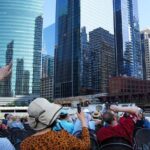
What I like about Riverwalk as an audio stop is that it’s visual while you listen. You can hunt for architectural details that show up best from water level, and the audio also mentions modern ecosystems in an urban environment. It’s a good place to slow down because the city looks different from the edge.
Navy Pier
Navy Pier is busy, but the audio adds context beyond rides and crowds. You’ll get the military training connection, the story of near-demolition and rescue, and how it evolved into an entertainment complex.
The audio also touches on the tricky balance between tourism and local needs, plus mentions of environmental initiatives. It’s useful because Navy Pier can feel one-note—this helps you see the “why” behind the scene.
Gilded-Age Luxury and Research Rooms: Driehaus, Chicago History, and Newberry
These stops are for you if you like your Chicago stories a little more indoor, a little more specific, and a lot less theme-park.
Richard H. Driehaus Museum
The Driehaus Museum is a Gilded Age mansion turned into a decorative arts time capsule. The audio guide focuses on the restoration process, what the rooms looked like originally, and the craftsmanship behind the furnishings.
You’ll also hear named details like Tiffany windows and hand-painted ceilings. Admission is not included, so I’d book it only if you’re in the mood for interior beauty and design history.
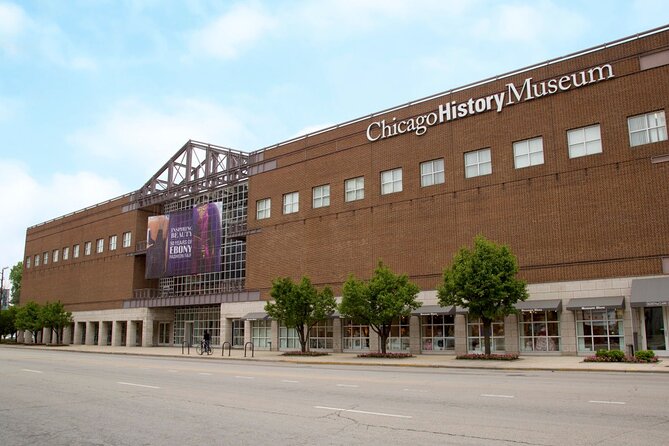
Chicago History Museum
Chicago History Museum is where the audio turns big events into human-scale stories. You’ll hear about the Great Fire’s aftermath, the World’s Fair global impact, and the personal accounts of ordinary citizens.
This is one of the more grounded “why this city became this city” stops. Admission is not included, but if you want the broad story of Chicago, this is a strong pick.
Newberry Library
Newberry Library is free in this tour, and that’s a rare treat. The audio guide describes it as a major independent research library with rare manuscripts, historic maps, and other scholarly collections.
It also covers the library’s founding story and highlights its role in Chicago’s intellectual life. If you want a quiet hour in the middle of busy sightseeing, this is a great reset button.
Lincoln Park Zoo: A Free Conservation Story With Built-In Pause Time
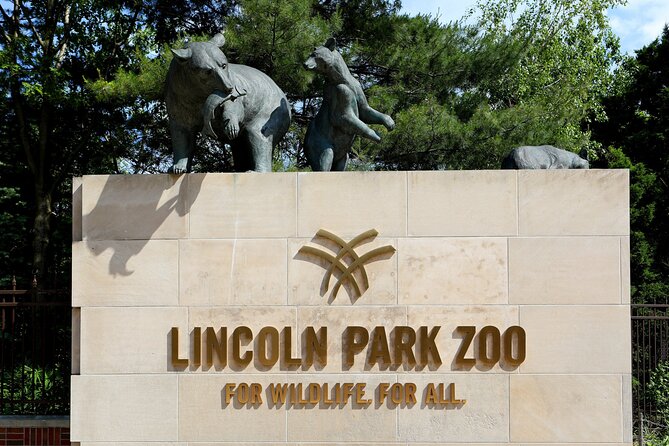
Lincoln Park Zoo is free on this tour, and the audio leans heavily into conservation. You’ll hear about captive breeding programs, the zoo’s evolution into a conservation center, and research and habitat design happening on-site.
This stop is a nice fit because you can take your time without thinking about ticket rules. You can pause for animals, then get a story cue about why the zoo’s work matters. The audio approach is especially useful here because it turns “look at the animal” into “understand the mission.”
360 Chicago for Skyline Clarity (If You Want the Big Picture)
The 360 Chicago Observation Deck is another paid stop in this route. The audio guide’s angle is architecture and urban planning: how Chicago’s skyscraper identity evolved and why different neighborhoods matter.
If you’re going to spend money on one “view ticket,” this is the one where the audio is trying to make your time above the street more than just a photo moment. It’s best when the sky is clear, so you can actually read the city form.
So…Should You Book It?
You should book this if:
- You want a budget-friendly way to add stories to major Chicago sights.
- You like flexibility and plan to mix outdoor icons with at least a couple indoor stops.
- You’re okay with audio content that’s designed to be quick and digestible, not a full live guide replacement.
Skip it (or expect less) if:
- You’re craving long-form narration at every stop and hate bouncing between short clips.
- You want admission included for paid museums and observation decks—this tour keeps those costs separate.
- You’re the type who gets annoyed if technology asks for extra steps in SoundCloud or your browser setup. (Usually it’s straightforward, but audio is played through links.)
If you’re smart with your priorities—Union Station + Millennium Park + Cloud Gate + Riverwalk, then pick one or two ticketed museums—you’ll get a lot of Chicago feeling for $6.
FAQ
How do I access the audio guides?
You’ll receive private access links through the booking platform messaging system. One link opens a SoundCloud playlist with all attraction audio guides, and the other opens an interactive Google My Maps itinerary with headphone icons.
Is this tour GPS guided?
No. This is a self-guided audio tour, not a GPS-guided route. You can move at your own pace and start or finish wherever you like.
Do I need to download an app?
The tour content is accessed through links in a web browser (SoundCloud for audio and Google My Maps for the map). The instructions say to use the browser for Google My Maps, not the Google Maps app.
Are admission tickets included for museums and observation decks?
Entry fees are not included wherever required. Some stops are free, while others (like major museums and 360 Chicago) are specifically noted as admission not included.
How long do I have access to the tour materials?
Your private access links are valid until your tour is complete, for a maximum of 6 days.
What language is the tour available in?
The audio tour is offered in English.