REVIEW · CHICAGO
Chicago Fire TV Show Set Tour
Book on GetYourGuide →Operated by Deenil Experiences (Deenil Groups LLC) · Bookable on GetYourGuide
A tour like this puts TV locations next to real Chicago landmarks. I love the chance to see Firehouse 51 in person and pair it with the Chicago Cultural Center’s Tiffany stained-glass dome. The main thing to watch is that filming schedules and active-station rules can affect how much you can get access to inside certain spots.
You’ll spend two focused hours bouncing between set-adjacent locations and must-see city stops. It’s a private group (up to 3) with pickup from within 5 miles of downtown, plus a guide who speaks English and Yoruba. If you’re chasing clean, flexible sightseeing time, this is a solid fit—just keep your expectations adaptable.
In This Review
- Key highlights that make this tour worth your time
- What a 2-hour Chicago Fire set tour actually gives you
- Firehouse 51: the set, the station rules, and your best photo moments
- Chicago Fire Academy: seeing the real training facility side
- Molly’s Bar (and the real Chicago pub connection)
- Millennium Park and Cloud Gate: your big-city payoff in one stop
- Chicago Cultural Center and the Tiffany stained-glass dome
- Guide energy: Deen, Dwayne, and the way the day gets paced
- Price and value for a private group up to 3
- Weather, walking, and filming-day reality you should plan for
- Who this tour suits best (and who should skip it)
- Should you book the Chicago Fire TV set tour?
- FAQ
- How long is the Chicago Fire TV show set tour?
- What is the price?
- Where is pickup and drop-off available?
- Is this tour private?
- What languages does the guide speak?
- What’s included in the tour price?
- What’s not included?
- Can I take photos during the tour?
- Does filming affect the tour?
- Will the guide accompany you at every location?
Key highlights that make this tour worth your time
- Firehouse 51 exterior that feels like a real set walk-through
- A working training facility at the Chicago Fire Academy
- Molly’s Bar stop that connects show details to a real Chicago pub
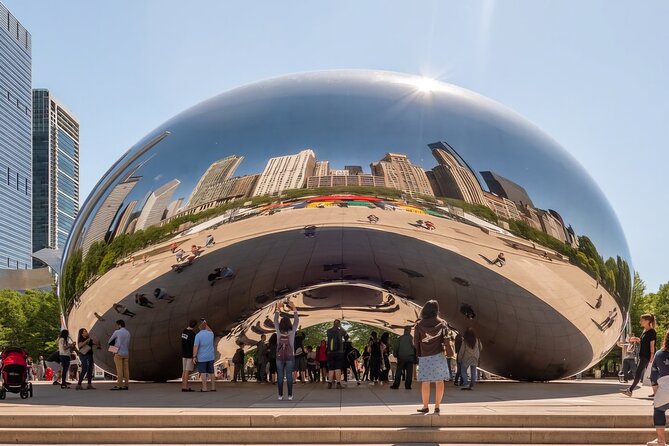
- Millennium Park’s Cloud Gate (the Bean) as a photo-and-walk payoff
- Chicago Cultural Center architecture, including the large Tiffany stained-glass dome
- Live guide support, plus flexibility for what filming day allows
What a 2-hour Chicago Fire set tour actually gives you
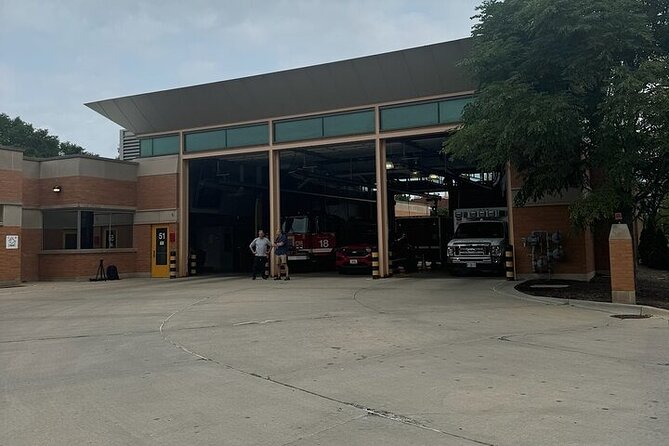
This is built for people who want the show-world feeling, but still want Chicago value. In two hours, you’re not just ticking off a single theme; you’re seeing set locations and two big “first-time in Chicago” hits: Millennium Park and the Cultural Center.
The format matters. It’s private, so you’re not stuck behind a loud crowd. Pickup and drop-off are included if you’re within 5 miles of downtown (with the reference point given as Chicago Marriott Downtown Magnificent Mile, 540 N Michigan Ave). That saves you time and hassle versus figuring transit on your own.
One more practical note: filming schedules can change access. The tour is designed to run with that reality, and it’s why the experience can feel special when everything lines up—like seeing the scene being shot while you’re there. Your job: arrive on time, wear walking shoes, and stay flexible.
You can also read our reviews of more tours and experiences in Chicago
Firehouse 51: the set, the station rules, and your best photo moments
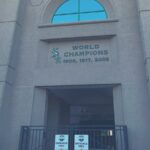
Firehouse 51 is the emotional anchor of the whole day. Even when you can’t go “full inside,” the exterior visit gives you the same visual anchor you know from the show, and it’s an easy spot to slow down and take photos.
But don’t treat this like a museum. It’s an active firehouse, and operations come first. You’ll be asked to be mindful of what’s happening around you, and you should expect rules that keep things respectful for staff and for the filming team.
Here’s the detail that affects planning: the guide will not accompany visitors for the Firehouse 51 portion. Instead, you’ll get clear instructions. That can be totally fine—especially if you’re the type who likes wandering and taking photos at your own pace. It can feel less “hands-on” than other tours if you want constant commentary while you’re standing somewhere in the moment.
If filming is happening, you might see actors shooting a scene. That’s one of the best “only-in-Chicago-Fire” moments, because it turns your walk into something you can’t replicate later from a screen.
Chicago Fire Academy: seeing the real training facility side
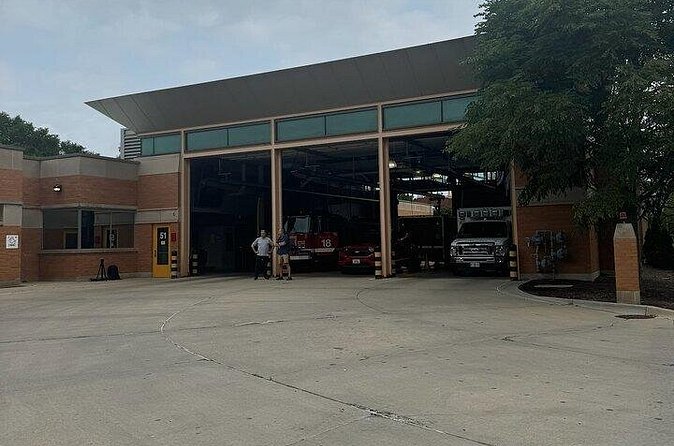
Next up is the Chicago Fire Academy. This is where the tour stops being just TV cosplay and becomes a peek behind the scenes of how productions and real-life procedures intersect.
A working training facility has a different vibe than a set corridor. You’ll see how serious the environment is, and you’ll get context around how a show can borrow energy from the real world—without pretending the training is the same as what you watch on TV.
This stop also helps you understand why the tour is timed and structured the way it is. If filming or training schedules are tight, access can shift. On some days, you may get more hands-on time than others; on other days, you’ll do more observation than interaction.
Either way, it’s a meaningful stop for true fans. It’s also a great option if you like the city for more than just famous buildings—you’re seeing a working institution, not just a landmark façade.
Molly’s Bar (and the real Chicago pub connection)
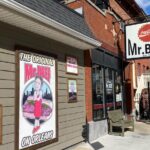
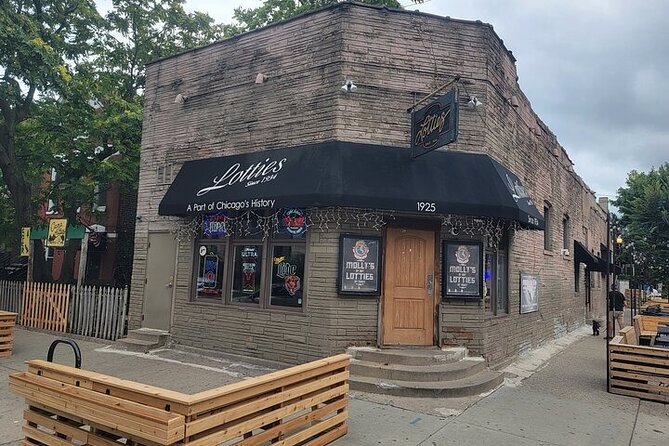
The tour includes a stop tied to Molly’s Bar. On the show, it’s fictional; in Chicago, you’re connecting that fictional hangout feeling to a real pub experience.
There’s a fun authenticity payoff here: you’re not chasing a perfect movie replica. Instead, you’re stepping into a real Chicago social space that shares the vibe of the show. That’s where the day turns from “I watched this on TV” into “I get what this place feels like when you’re standing in it.”
One detail that came up for some groups is that Molly’s on the show is associated with a real spot often referenced as Lotties. So if you’re a fan who remembers little bar moments, this is the kind of stop that makes the show-landmarks feel grounded in the city’s actual everyday culture.
Also, food and drinks aren’t included, so plan to grab something before or after if you’re hungry. The bar stop is more about atmosphere and show connection than an included meal.
Millennium Park and Cloud Gate: your big-city payoff in one stop
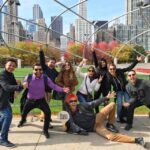
Millennium Park is the “yes, I’m in Chicago” moment, and Cloud Gate (the Bean) is the centerpiece. This tour gives you enough time to get your bearings and take photos without feeling like you’re sprinting through.
For a lot of people, Cloud Gate is the first Chicago landmark they can recognize from pictures. What’s different on this tour is that it isn’t a standalone sightseeing stop. It’s a bridge: from TV-world firefighting to Chicago’s most famous public art sculpture in one continuous day.
Important logistics note: the guide will not accompany visitors for the Bean visit either, but you’ll receive detailed instructions. That means you’ll want to keep an eye on the meeting time and instructions so you don’t accidentally wander off into a longer-than-planned photo detour.
Still, this part of the day is exactly where Chicago flexes. The Bean area is walkable, photogenic, and easy to enjoy even if you’re not a hardcore show fan.
Chicago Cultural Center and the Tiffany stained-glass dome
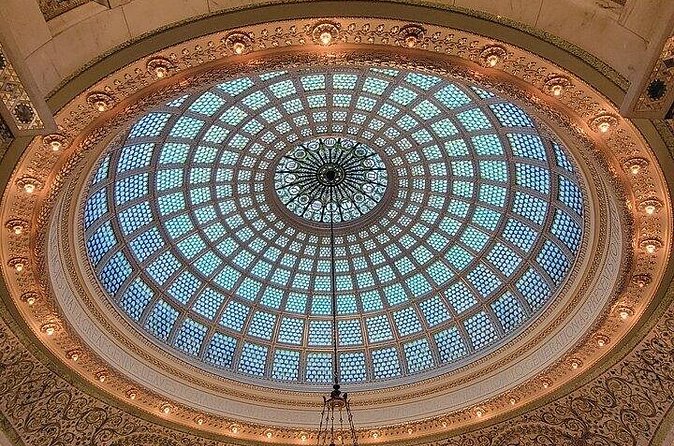
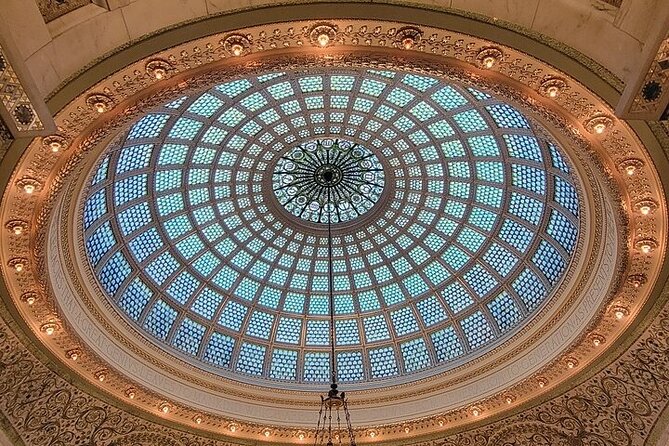
If you like architecture, this is the stop that adds “real Chicago wow” to the TV focus. The Chicago Cultural Center is known for stunning interiors, and a highlight here is the world’s largest Tiffany stained-glass dome.
What I like about this stop is the contrast. You go from a show setting tied to emergency response to an elegant public building where the “drama” is light, glass, and space. It makes the whole day feel more complete rather than narrow.
You should also expect this to be a place where your eyes do the walking. Spend a few minutes looking up and around. Even when you’ve seen photos, the scale can hit different when you’re inside.
Same instruction detail as the Bean and Firehouse 51: the guide won’t accompany visitors for the Cultural Center portion, so you’ll rely on provided instructions. That can actually work in your favor if you’re the type who likes to browse quietly and soak in the details at your own pace.
Guide energy: Deen, Dwayne, and the way the day gets paced
The guide experience is a huge part of the satisfaction level on this tour, and the names that show up in recent experiences are Deen for guiding and Dwayne for driving.
What consistently matters to most people is pacing. A good host doesn’t cram each location into a quick photo dash. Recent tours describe Deen as friendly, attentive, and able to give plenty of time at each stop. That’s important, because set-location days can become stressful when you feel rushed.
Another recurring theme: personalization and extra context. Some groups noted that extra Chicago locations were added, including Chicago PD headquarters. You can also expect commentary that ties what you see to the show’s world—helpful if you’re watching the show casually, and even more helpful if you’re the type who notices details on rewatch.
One more “real day” factor: filming access can vary. Some groups have reported being able to go inside Firehouse 51 and getting time for deeper experiences like sitting in a fire truck when access allows. Other days you might only see filming from the outside. That’s the trade-off with working locations.
Price and value for a private group up to 3
At $315 per group (up to 3 people) for a 2-hour tour, the headline price doesn’t look “cheap.” But you should judge it by what you’re buying.
You’re paying for:
- Private group time, not shared sightseeing with strangers
- Pickup and drop-off within 5 miles of downtown
- A live guide (English and Yoruba)
- Bottled water
- A day built around show-set context plus major landmarks
If you’re traveling as two or three people, this can pencil out better than you expect, because the guide attention and transportation are shared across the group price, not charged per person like some single-ticket experiences.
It’s also strong value if you care about the show side and you’re already planning to visit Millennium Park and the Cultural Center anyway. Those stops alone can eat up time and energy on a self-planned day. Here, they’re folded into a structure that’s meant to run smoothly—even when filming changes the plan slightly.
The one thing to keep in mind: food isn’t included. If you’re trying to make this your only outing of the day, you’ll want to budget for snacks or a meal on your own.
Weather, walking, and filming-day reality you should plan for
This is a walking-friendly tour, but it’s not a no-steps ride. Bring comfortable shoes. Also, Chicago weather can turn fast, so plan for wind, drizzle, or cold with a jacket or umbrella.
Photography is allowed, but you should respect privacy for filming or crew present. That’s not just polite—it helps the day run without friction.
Arrive early. You’ll want to be at the meeting point about 15 minutes before the start time so you’re not rushing when access rules kick in. And if filming is underway, remember that access and timing can shift. The tour works around that, but you’ll have a better day when you treat the schedule as flexible.
Who this tour suits best (and who should skip it)
This tour fits best if you fall into one of these buckets:
- You’re a Chicago Fire fan who wants the show locations with real-city context
- You like architecture and landmarks, not just TV sets
- You want a private format and don’t want to coordinate transit on your own
- You enjoy photography and want iconic spots like the Bean worked into a tight schedule
You might hesitate if:
- You need a guaranteed inside access experience at every location (working locations can limit entry)
- You dislike any schedule changes tied to filming
- You want food/drinks included as part of the main package
Should you book the Chicago Fire TV set tour?
If you’re a fan who also cares about seeing real Chicago, I’d book it. The biggest win is the pairing: Firehouse 51 / Fire Academy energy with Millennium Park and the Cultural Center’s Tiffany dome. That mix keeps the day from feeling like a one-note set crawl.
The only reason to pause is access variability. Because it’s an active firehouse and filming can affect what’s possible, you’ll get the best experience if you go in expecting “working day rules,” not a museum itinerary.
If you want, tell me your travel month and how many people are in your group, and I’ll help you decide the best times to visit Millennium Park and how to plan around likely filming interruptions.
FAQ
How long is the Chicago Fire TV show set tour?
The tour lasts 2 hours.
What is the price?
It costs $315 per group, up to 3 people.
Where is pickup and drop-off available?
Pickup and drop-off are available from within 5 miles of downtown Chicago, tied to the Chicago Marriott Downtown Magnificent Mile (540 N Michigan Ave) as the reference point.
Is this tour private?
Yes. It’s a private group.
What languages does the guide speak?
The live guide speaks English and Yoruba.
What’s included in the tour price?
Pickup and drop-off within the stated area, bottled water, and a driver/guide are included.
What’s not included?
Food and drinks are not included.
Can I take photos during the tour?
Photography is allowed, but you should respect the privacy of any filming or crew present.
Does filming affect the tour?
Yes. The tour is subject to filming schedules, and that can affect what’s possible during stops.
Will the guide accompany you at every location?
No. The guide will not accompany visitors for Firehouse 51, the Bean (Cloud Gate), and the Chicago Cultural Center, but detailed instructions will be provided.