REVIEW · CHICAGO
Chicago: Taste of Chinatown Food and Cultural Walking Tour
Book on GetYourGuide →Operated by Bobby's Bike, Hike & Food Tours - Chicago · Bookable on GetYourGuide
Chinatown smells like dinner on a mission. This 3-hour food-and-walk route turns the neighborhood into a living lesson, pairing handmade dim sum with stories tied to the Nine Dragon Wall and other iconic spots.
I like how the tour is built for real eating, not just sightseeing: your guide takes care of ordering, explains what you’re tasting, and keeps the walking pace relaxed. One thing to plan for is the portion size. This is enough food to replace a full lunch or dinner, so don’t overdo it beforehand, and do wear comfortable shoes for the steady streets.
In This Review
- Key highlights worth showing up for
- Meeting at Phoenix Restaurant: where the tour really starts
- Tea ceremony and dim sum: the first flavors you’ll remember
- The Gateway Arch and Zodiac Plaza: seeing symbols, not just walls
- Nine Dragon Wall: power, luck, and why the tile matters
- The middle of the tour: Xi’an street flavors and spicy crunch
- Hand-pulled noodles and spice tastings: what to listen for while you eat
- Pui Tak Center and the neighborhood story you can’t screenshot
- Dessert at the local bakery finish: egg tarts, tea, and a smart ending
- Price and value: is $84 a fair deal for three hours?
- Guides make the tour: the storytelling effect
- Who should book this Chinatown food and cultural walking tour
- Should you book the Taste of Chinatown food and cultural walking tour?
- FAQ
- Where does the tour start?
- How long is the Chinatown food and cultural walking tour?
- How many tastings are included?
- What dishes are included in the tastings?
- Are vegetarian options available?
- Is an alcohol or drink upgrade included?
- What should I bring?
- Does the tour run in bad weather?
- How much should I tip the guide?
- Is there a minimum group size?
Key highlights worth showing up for
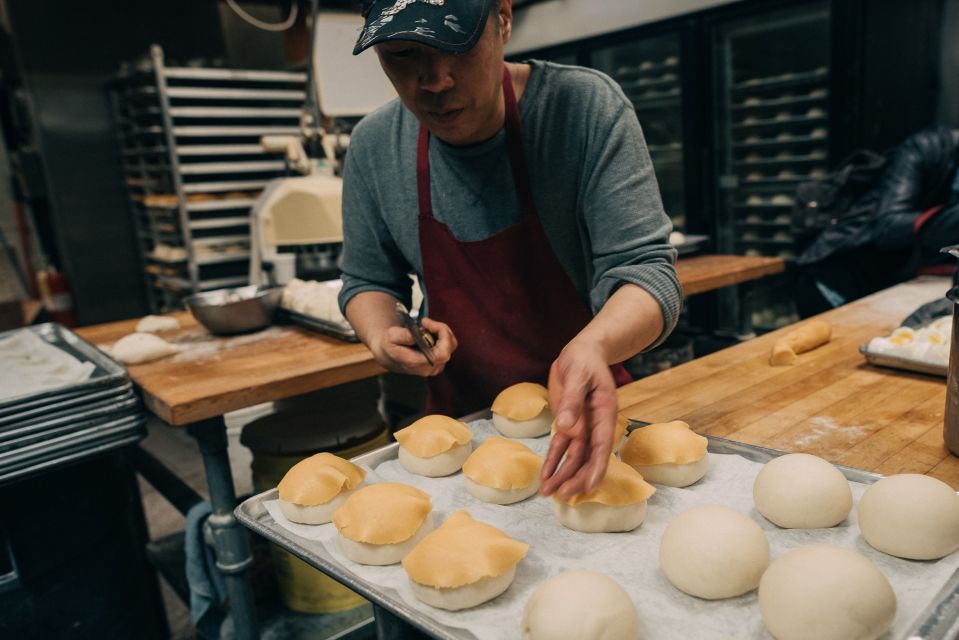
- Five tastings that add up to a full meal, not snack-size samples
- Regional variety across China, from steamy dumplings to spicy chili chicken
- Landmark stops with meaning, including the Gateway Arch and Nine Dragon Wall
- A guide who connects food to Chinese-Chicago history, with stories along the way
- Dessert at Chiu Quon Bakery, where the egg tarts are the perfect finish
- Optional drink upgrade if you want a beer, wine, or sweet boba tea
Meeting at Phoenix Restaurant: where the tour really starts
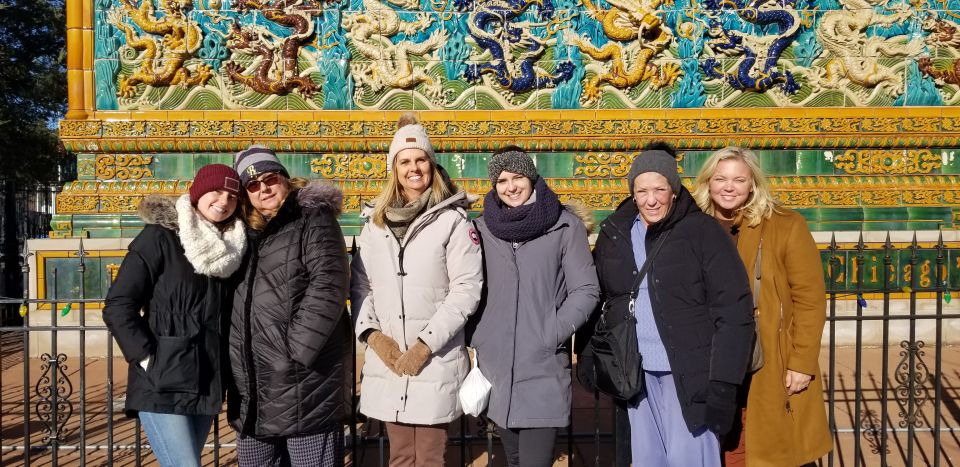
The tour begins at Phoenix Restaurant, 2131 S Archer Ave, in Chinatown (look for your guide in a Bobby’s Bike, Hike & Food Tour shirt with a paddle). That meeting spot matters more than you might think, because it sets the tone: this isn’t a rushed “walk, point, eat” situation. It’s a guided route that blends food, photos, and cultural stops over about three hours.
I like the way the schedule keeps moving while still feeling human. You’ll have multiple short walking segments, plus structured food moments where the guide explains what you’re eating and why it connects to the community. Most groups will cover enough ground to feel like you did something major, but the pace is described as relaxed and suitable for all fitness levels.
Two practical tips before you go:
- Arrive about 15 minutes early for check-in so the group can start on time.
- Bring an umbrella and a reusable water bottle. The tour runs rain, snow, or shine.
You can also read our reviews of more walking tours in Chicago



Tea ceremony and dim sum: the first flavors you’ll remember
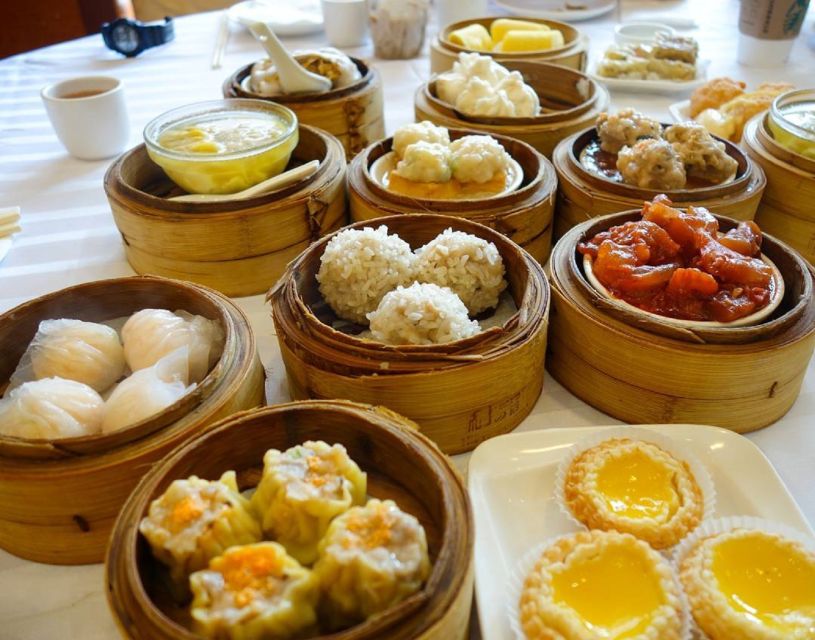
Your early stop focuses on tea and a first tasting. Expect a short tea ceremony moment paired with food, designed to help you understand the basics of what you’re about to eat. Then come the steamy, handmade dim sum dumplings—savory fillings wrapped and cooked so you get that hot, tender bite.
This is one of the tour’s strongest setups because it changes how you taste everything after. The tea acts like a reset between bites, and the guide’s context helps you notice differences in seasoning, texture, and regional style.
What I like here is the balance: you’re not just eating. You’re learning how the menu choices represent the culinary diversity you’ll see across Chinese traditions, right here in Chicago.
The Gateway Arch and Zodiac Plaza: seeing symbols, not just walls
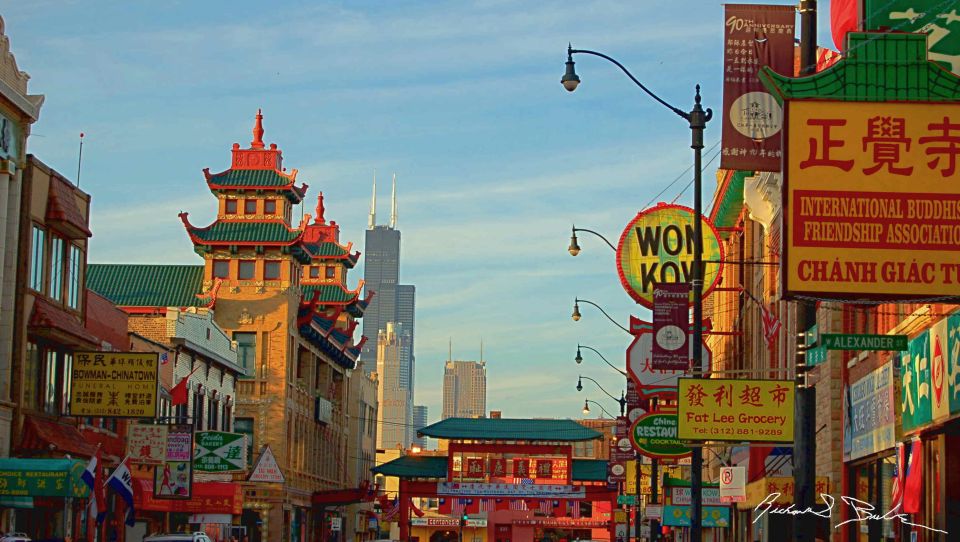
After that first food moment, you’ll transition into the neighborhood sights. You’ll walk by and stop near the Chinatown Gateway Arch, a welcome structure built in 1975 by Chinese artisans. It’s a photo-and-story stop, and it’s one of the best examples of how Chinatown in Chicago carries visible marks of identity.
Next comes Chinatown Square Plaza, where 12 bronze zodiac statues stand. The guide explains what the symbols mean, so you’re not just taking a picture of statues that happen to look cool. You’ll understand the pattern of the zodiac and why those figures belong in public space.
These stops are short, but they matter because the rest of the tour keeps referring back to symbols and community history. If you’re the type who usually walks past landmarks without fully grabbing the meaning, this part is built to fix that.
Nine Dragon Wall: power, luck, and why the tile matters
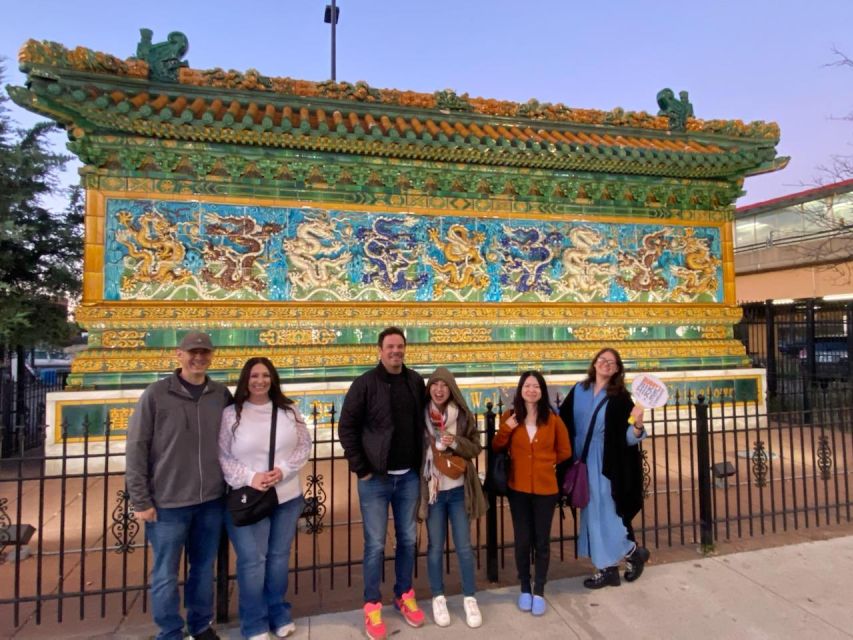
One of the most memorable photo moments is Nine Dragon Wall, a glazed-tile replica of Beijing’s original. You’ll have time for photos and a guided explanation of the mythical creatures and what they represent—power, luck, and protection.
Why this stop works on a food tour: it gives you a cultural “framework.” When you later taste dishes with specific regional spice styles, the stories around heritage and migration make more sense. You’re seeing how symbols travel with people and get re-created in a new city.
It’s also just beautiful up close. Even if you don’t consider yourself a “dragon person,” the wall’s pattern and craft make you slow down for a second, which is exactly what you want before the next meal wave.
The middle of the tour: Xi’an street flavors and spicy crunch
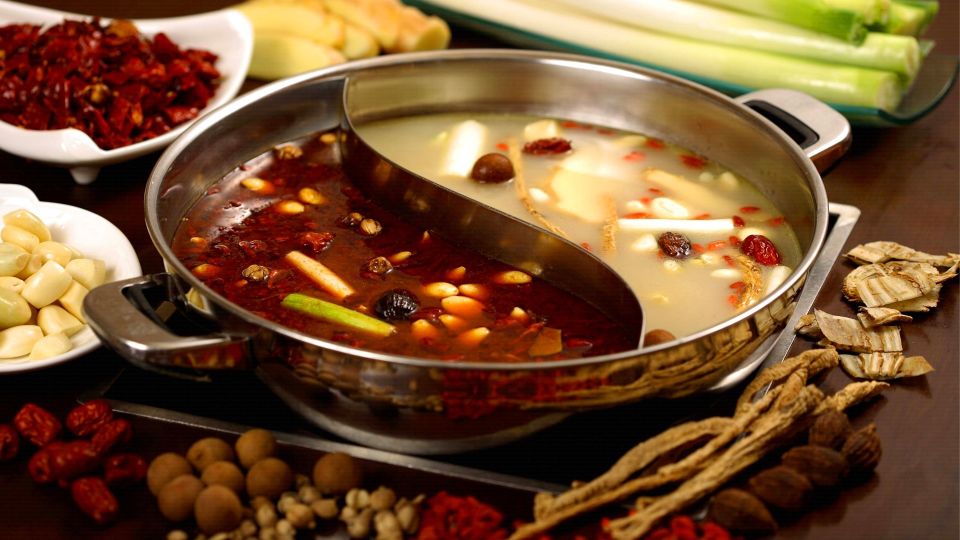
The food portion really flexes in the middle. You’ll hit local restaurants for multiple tastings, including dishes that many people won’t order on their own because they’re unfamiliar or intimidating on a menu.
Here’s what you should expect as part of the main set of tastings:
- Crispy cumin lamb flatbread: a Xi’an-style street-food favorite, with a crunchy exterior and deeply flavored filling
- Crispy dry chili chicken: heat and crunch, balanced so it’s not just fire for the sake of fire
- Fresh hand-pulled noodles: served with house-made sauces, with that slurp-worthy chew people talk about after the fact
This is where the guide becomes more than a friendly face. Ordering and explaining the dishes removes language barriers, and the guide breaks down what you’re tasting—ingredients, regional roots, and how the flavors fit together.
I also appreciate the tour’s approach to spice. From experience with similar food tours, spice levels can vary by day and by restaurant. Here, the focus stays on matching the story to the bite. If you’re sensitive to heat, you’ll have the chance to notify the guide about dietary needs in advance, and the tour is set up to accommodate restrictions.
You can also read our reviews of more food & drink experiences in Chicago



Hand-pulled noodles and spice tastings: what to listen for while you eat
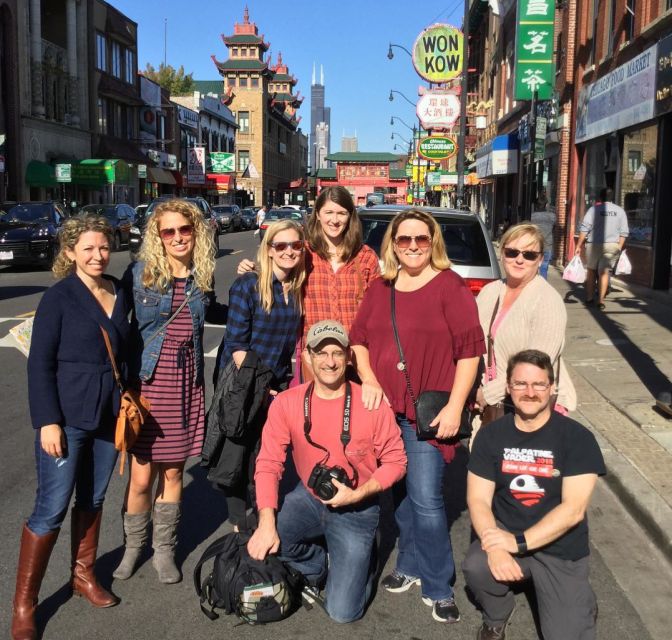
By the time noodles come out, you’re already warmed up by earlier tastings. The key moment is listening while you eat, because the guide’s explanations often help you notice things you’d miss if you focused only on flavor.
For example, there’s a mention of a Szechuan peppercorn tasting in the tour experiences. Even if you don’t know what to expect, the guide’s run-through helps you understand the difference between chili heat and the numbing, tingling effect people associate with Szechuan peppercorn.
Noodles also tell you a lot about regional Chinese cooking style. Hand-pulled strands bring texture to the front—chewy, elastic, and sauce-forward—so you can taste how each dish handles thickness, salt, sweetness, and spice.
If you’re wondering whether you’ll feel overwhelmed: the route is designed with spacing. You’re not swallowing five dishes back-to-back with no context. You’ll have walking photo stops in between, then another meal moment.
Pui Tak Center and the neighborhood story you can’t screenshot
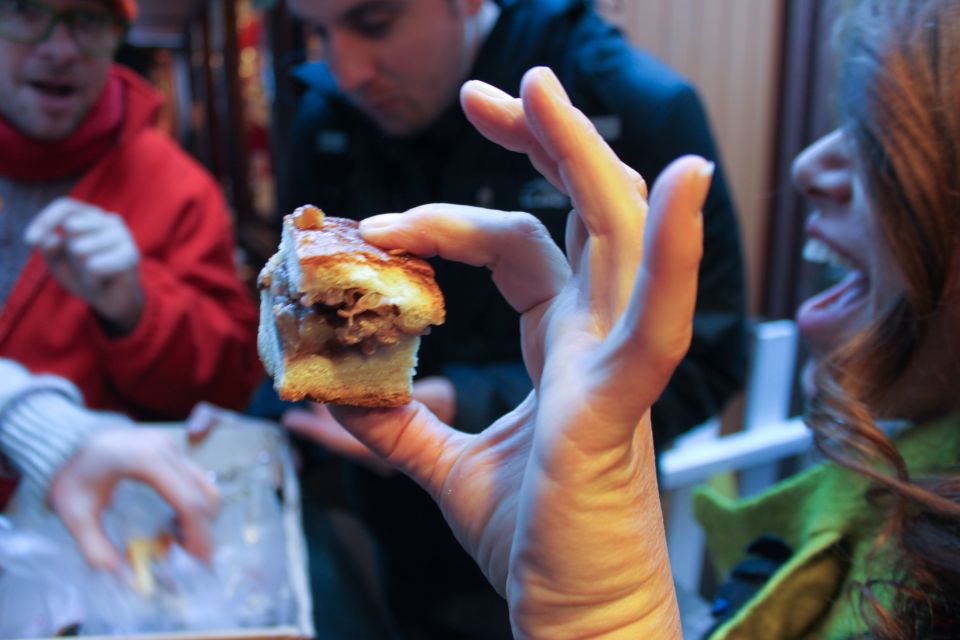
One of the cultural stops you’ll visit is the historic Pui Tak Center, built in 1928. It features pagoda-inspired towers and terra cotta tiles, and it once served as a cornerstone for immigrant support in the neighborhood. It still signals cultural identity in a very physical, grounded way.
This part is one of those “hard to replicate on a phone” moments. It’s not a theme-park landmark. It’s part of the neighborhood’s infrastructure and memory. Even if you’re not a history buff, it gives weight to why Chinatown’s food culture matters.
And it keeps the tour grounded. Food can be an entry point, but it shouldn’t feel disconnected from real community life. Pui Tak Center helps connect those dots.
Dessert at the local bakery finish: egg tarts, tea, and a smart ending
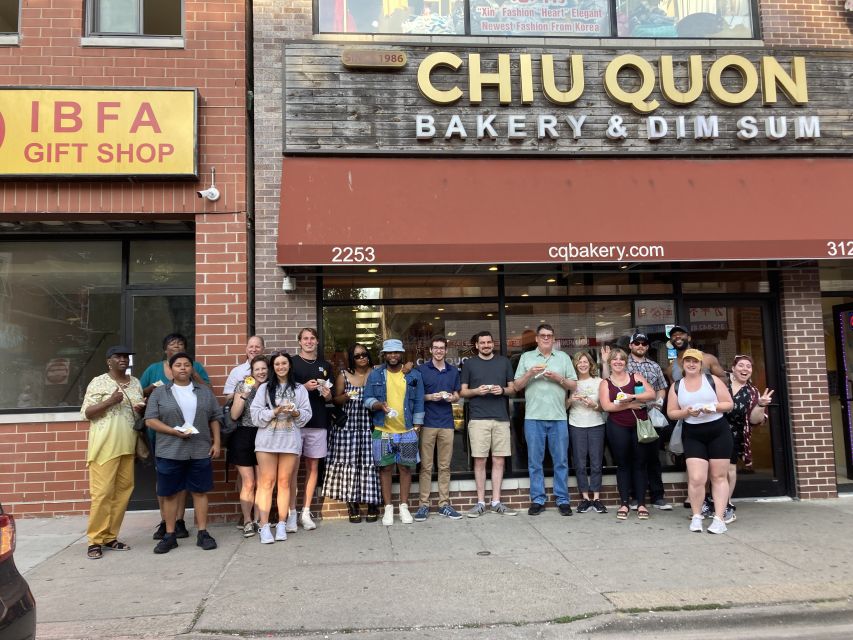
By the final stretch, you’re ready for the sweet note. You’ll stop at a local bakery for dessert, including Portuguese-style egg tarts. These are flaky and buttery, and the guide points out the significance of the bakery being among Chinatown’s oldest.
The egg tart is the right kind of ending because it doesn’t hijack the whole day. It’s sweet, yes, but it also reinforces that Chinatown’s food story in Chicago isn’t only Chinese in origin—it’s also a reflection of cultural blending over time, including Portuguese-style pastry influences.
The tour finishes at Chiu Quon Bakery. You’ll leave full, with the kind of taste memory that makes you want to re-visit a couple of the stops later, on your own time.
Price and value: is $84 a fair deal for three hours?
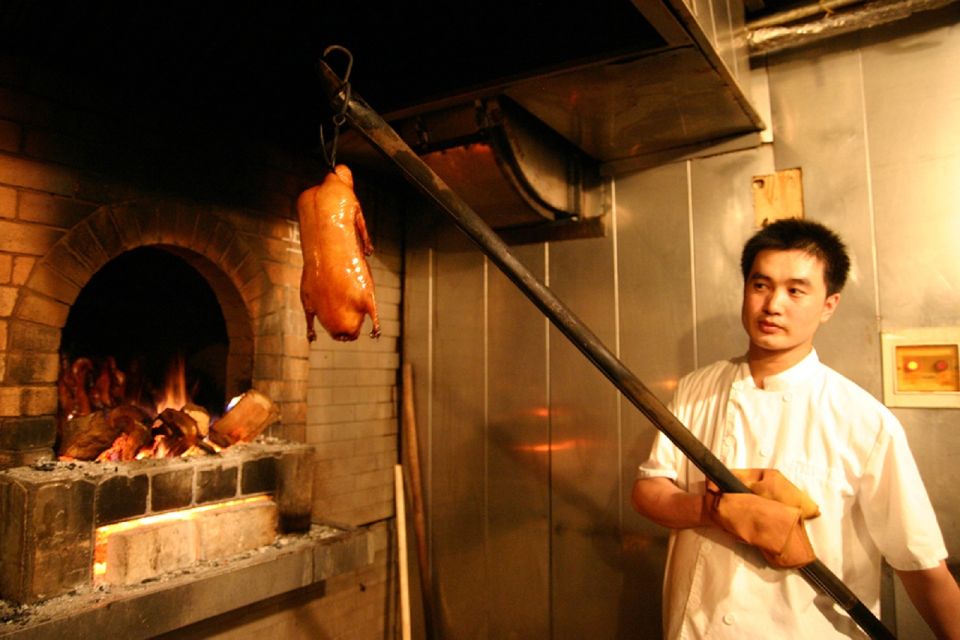
At $84 per person for a 3-hour walking tour, you’re paying for two things: the food and the guided context. This matters because the tastings are described as enough for a full meal, and the tour includes multiple stops at top Chinatown locations.
If you’ve ever ordered dim sum and then paid for a separate dessert and a drink, the price starts to look more reasonable fast. Here, the tour bundles:
- Five tastings with a mix of textures and spice levels
- Tea as part of the early experience
- Cultural walking with landmark stops
- A professional, certified local guide who handles ordering and explanations
Optional drinks can add cost. The upgrade is listed at $19.99 per person for local Chinese beer, curated wine, or sweet boba tea. If you don’t plan to drink, you can skip it and keep the cost closer to the base price.
Also consider the tip. Suggested gratuity is $10 per person (and a 15% cash tip for your guide is mentioned). Budget a little extra so the final bill doesn’t surprise you.
Guides make the tour: the storytelling effect
One pattern shows up again and again in the tour experiences: guides who take their time and teach without talking down.
Guides such as Jeff and York are praised for blending Chinese and Chicago history with food stories, and for taking time to learn names and check in with the group. Some experiences describe the tour feeling closer to a small-group or private feel, even when it’s a group tour, largely because the guide moves carefully and keeps the conversation going while people eat.
Guides have also helped the pace feel comfortable—encouraging you to slow down and savor instead of rushing through each stop. That’s not just pleasant. It’s part of why you get value. When you taste with attention, you understand what you liked and why, so the food becomes more memorable.
Who should book this Chinatown food and cultural walking tour
This is a strong fit if you:
- want a guided way to eat your way through Chinatown without guessing what to order
- like learning how food connects to symbols and community history
- enjoy a mix of flavors: dumplings, spice, noodles, and dessert
- appreciate a guide who explains ingredients and regional style
It’s also a good choice if you’re a first-time visitor to Chicago and you want Chinatown to feel like part of the city, not just a stop on a map.
If you’re not interested in walking between multiple short stops, or if you hate spicy food, you might want to consider whether the included menu matches your comfort level. You can notify the team about dietary needs in advance, but the tour is designed around bold regional tastes.
Should you book the Taste of Chinatown food and cultural walking tour?
If you want a Chinatown experience that’s more than one restaurant meal, I’d book this. For $84, you get five tastings that can function as a full meal, plus landmark stops that come with meaning, not just photos. The guide-led ordering and explanations reduce the guesswork, and the desserts and noodles make it easy to remember the day by taste, not just by memory.
Two final calls:
- Go hungry, and plan no heavy breakfast.
- Wear comfortable shoes and bring an umbrella, because you’ll be outside between stops.
FAQ
Where does the tour start?
It starts at Phoenix Restaurant, 2131 S Archer Ave, Chicago, IL 60616. Look for your guide in a Bobby’s Bike, Hike & Food Tour branded shirt with a paddle.
How long is the Chinatown food and cultural walking tour?
The tour lasts about 3 hours.
How many tastings are included?
You’ll sample 5 dishes from top Chinatown restaurants, plus tea as part of the experience.
What dishes are included in the tastings?
The included tastings include handmade dim sum, crispy dry chili chicken, crispy cumin lamb flatbread, hand-pulled noodles, and Portuguese-style egg tart dessert.
Are vegetarian options available?
Vegetarian options are available. You should notify the tour in advance so the guide can plan tastings that fit your needs.
Is an alcohol or drink upgrade included?
An optional drink upgrade is available for $19.99 per person (local Chinese beer, curated wine, or sweet boba tea). Drinks are not listed as automatically included in the base price.
What should I bring?
Bring a passport or ID, comfortable shoes, an umbrella, weather-appropriate clothes, and a reusable water bottle.
Does the tour run in bad weather?
Yes. The tour runs rain, snow, or shine.
How much should I tip the guide?
Gratuity is not included. A $10 per person suggested gratuity is listed, and a 15% cash tip for your guide is suggested.
Is there a minimum group size?
Yes. Solo bookings are accepted, but this specific tour has a 3 person minimum. If the threshold is not met about 2 hours before tour time, you’ll be contacted for a reschedule or possible cancellation with a full refund.