REVIEW · CHICAGO
Chicago: Prohibition-Era Culture & Architectural Treasures
Book on GetYourGuide →Operated by Intrepid Urban Adventures · Bookable on GetYourGuide
Prohibition left more than booze. This small-group architecture walk ties the city’s Prohibition-era legacy to buildings you can see today, and I love the Chicago-style popcorn stop that keeps the pace friendly. One thing to plan for up front: you cover about 4.8 km (3 miles) on foot in roughly 2.5 hours.
I like that the route works even if it’s your first time in Chicago. You get river views, courthouse-and-city-hall grandeur, and modern landmarks all in one loop, with your guide adding practical ideas for where to eat next. Guides such as Rich, Bash, Dash, Dave, Lara, Kelly, Kevin, and Wallach have led this route and bring a real Chicago point of view to the details.
In This Review
- Prohibition-Era Chicago Architecture: What You’re Actually Seeing
- Starting Under the Chicago Theatre Marquee (Then Using the Pedway)
- A small reality check
- City Hall, Picasso, and the Short Cuts That Make Downtown Make Sense
- The Chicago River to the Riverwalk: Willis Tower Views and Art Deco Details
- Riverwalk tip for your own timing
- Wrigley Building and the Magnificent Mile: From Journalism Energy to Big Downtown
- Chicago Cultural Center: Where the Break Feels Like Part of the Story
- Millennium Park and Cloud Gate: Ending With a Useable Chicago Plan
- After the tour: what I’d do next
- Price and Value: Why $34 Can Make Sense in Chicago
- Group Size, Pace, and Footwear: The Practical Stuff That Changes Everything
- Guides and the Chicago Point of View: Why Names Matter
- Carbon-Neutral Touring: A Small Ethics Bonus
- Should You Book This Prohibition-Era Architecture Walk?
- FAQ
- How long is the Chicago Prohibition-Era culture and architecture tour?
- Where does the tour start?
- How much walking is involved?
- What’s included in the price?
- How much does it cost?
- Is the tour child-friendly?
- Is vegetarian food available during the tasting?
- Does the tour run in bad weather?
- What group size should I expect?
- Is free cancellation available?
Prohibition-Era Chicago Architecture: What You’re Actually Seeing
This tour is built around one big idea: Chicago’s growth wasn’t just about factories and skyscrapers. It was also about the city’s under-the-table culture during Prohibition, when demand for alcohol and nightlife pushed people, money, and new ideas into unexpected corners. Your guide connects that social pressure to the way Chicago developed—especially in the downtown core where building style, location, and branding mattered.
You’re not wandering randomly. You’re walking a tight band of central Chicago where architecture is readable at human scale. That means you can look up and make sense of what you’re seeing: Art Deco details, the confident lines of late-19th- and early-20th-century buildings, and the later skyline swagger that turns the whole area into an open-air museum.
Starting Under the Chicago Theatre Marquee (Then Using the Pedway)
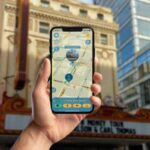
You begin at the Chicago Theatre on N. State Street, under the marquee. It’s a smart start because it immediately tells you you’re in the downtown stage zone—big-ticket buildings, dramatic entrances, and a neighborhood built for foot traffic.
From there, you pass into the Chicago Pedway. This is one of those Chicago-only features that makes winter and bad weather less annoying. The pedway is also a good “orientation tool.” In a short time, you learn how different parts of downtown connect, which helps you later when you’re planning your own route.
Why I like this start: it gives you a quick framework before you hit the river and the headline buildings.
You can also read our reviews of more tours and experiences in Chicago.
A small reality check
The early parts are mostly walking on sidewalks and through downtown connections. If you’re the type who wants every step perfect and flat, wear supportive shoes anyway—this is still a walking tour.
City Hall, Picasso, and the Short Cuts That Make Downtown Make Sense
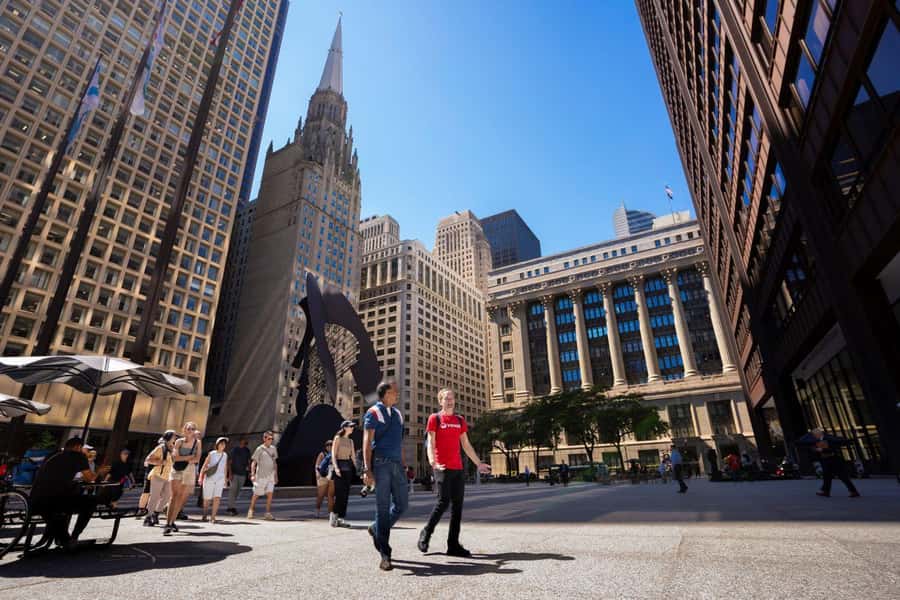
Next you move past Chicago City Hall and the Chicago Picasso statue area. City Hall anchors the civic side of downtown, and the Picasso statue gives you an easy-to-spot modern counterpoint. The guide’s job here is to help you read the city like a map: what you’re seeing, why it’s placed where it is, and how Chicago’s identity got built layer by layer.
Even if you already know Chicago basics, this segment helps you stop treating downtown as just a grid. Instead, you start seeing patterns: how institutional power and commerce share space; how street-level landmarks help you navigate; and how public art and civic architecture keep the area from feeling like a business park.
The Chicago River to the Riverwalk: Willis Tower Views and Art Deco Details
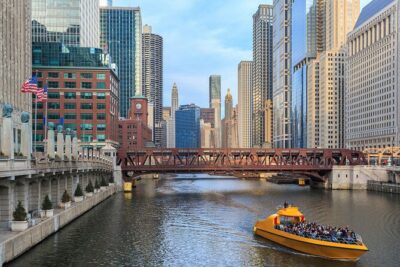
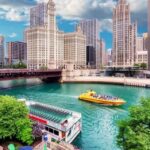
Then you reach the Chicago River and head along the Riverwalk. This is the part that makes the tour feel worth the ticket price on day one. You get a mix of classic Chicago architecture and the kind of riverfront views that are hard to recreate on your own without the right route.
As you go, you’ll focus on landmark buildings and design styles tied to Chicago’s changing future:
- You’ll learn about Marina Towers and the area around Willis Tower.
- You’ll hear about the Jewelers Building.
- You’ll spot Art Deco design influence at places tied to the London House area.
- You’ll also look toward Du Sable Bridge, which helps frame why the river is more than a water feature—it’s a dividing line that shaped traffic, development, and the city’s layout.
My favorite moment here: looking across the river while the guide points out what to notice. It turns “pretty skyline photos” into a kind of guided seeing. You start noticing symmetry, materials, and how building height became a language.
Riverwalk tip for your own timing
If you’re hoping to photograph during softer light, this part is often your best window. Even on a busy day, the route gives you chances to pause without feeling like you’re fighting the crowd.


Wrigley Building and the Magnificent Mile: From Journalism Energy to Big Downtown
After the river area, the tour shifts toward the commercial and media side of downtown. You’ll visit the Wrigley Building and also walk past the Tribune Tower area as part of the journalism thread. This matters because Chicago’s architecture isn’t only about banks and towers. It’s also about who got to tell the city’s story.
You’ll also spend time on the Magnificent Mile area. This is where the tour blends older grandeur with modern Chicago branding. You’re not just shopping—at least, you shouldn’t be. You’re reading the street. The guide’s commentary helps you understand why this stretch became an attention magnet, and how the city’s identity got packaged into buildings you can recognize from far away.
Good to know: this isn’t a slow “look at everything” stroll. It’s paced to fit everything into about 2.5 hours, so you’ll want to accept that you’ll see a lot without fully absorbing every inch.
Chicago Cultural Center: Where the Break Feels Like Part of the Story
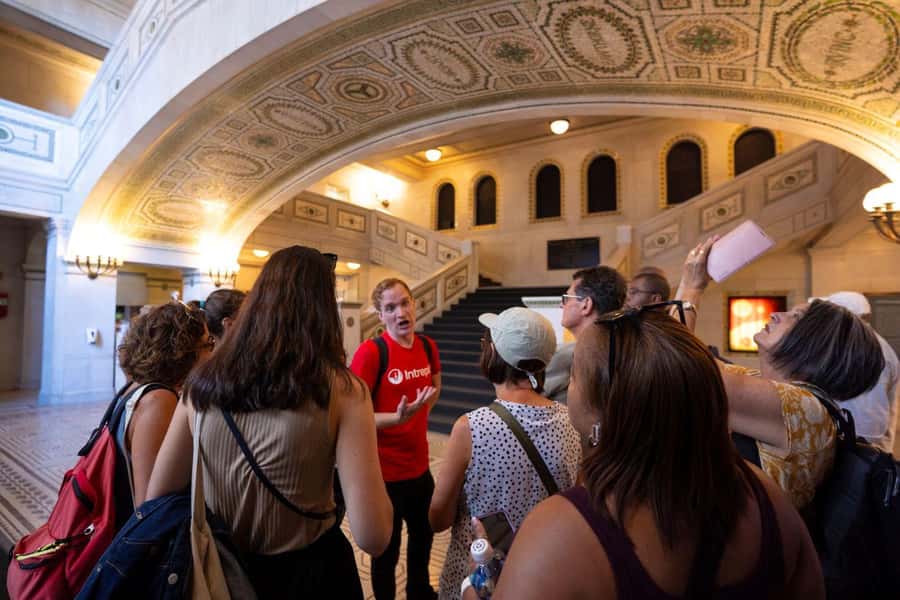
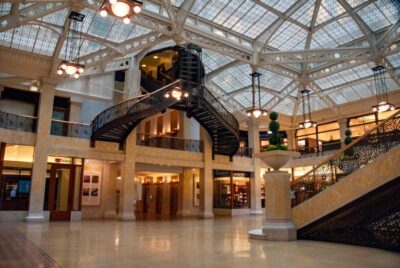
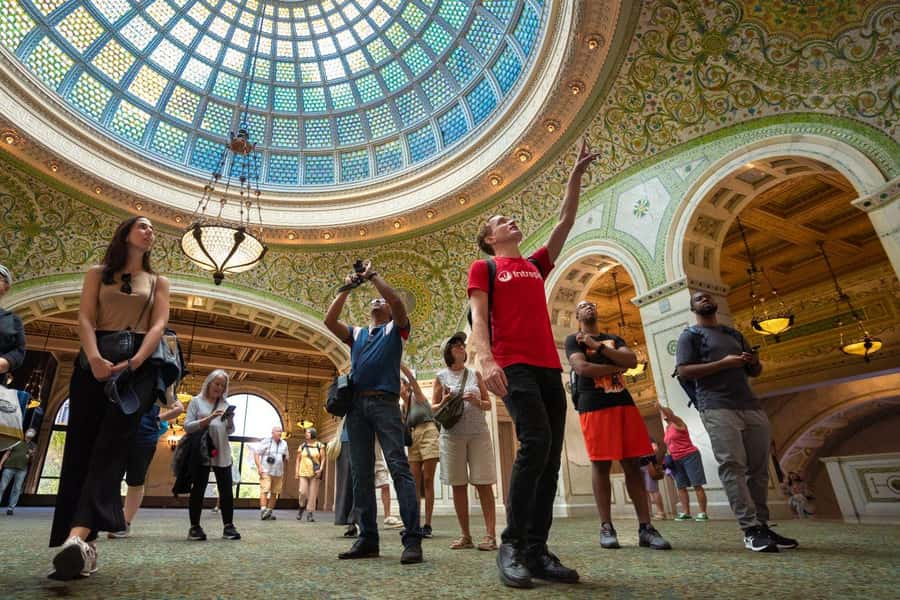
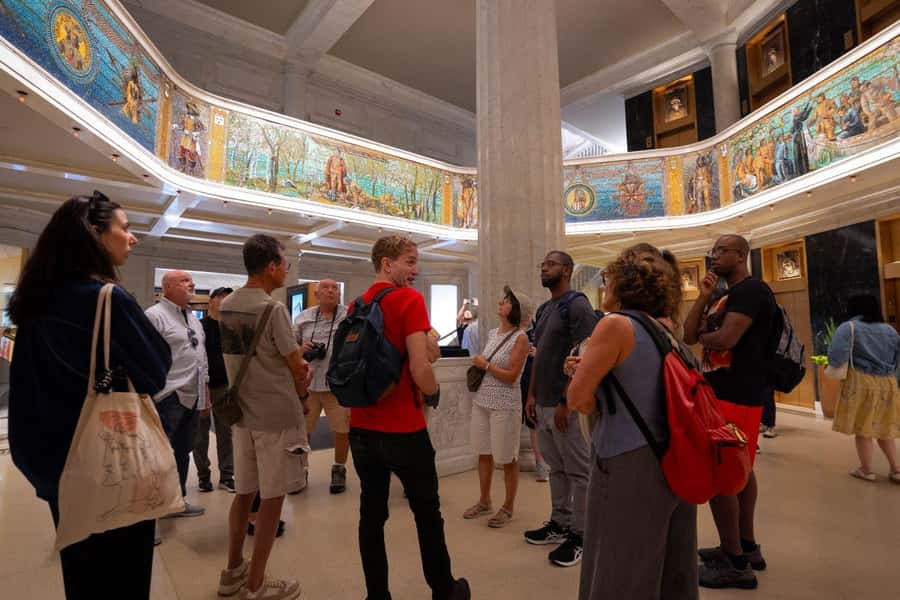
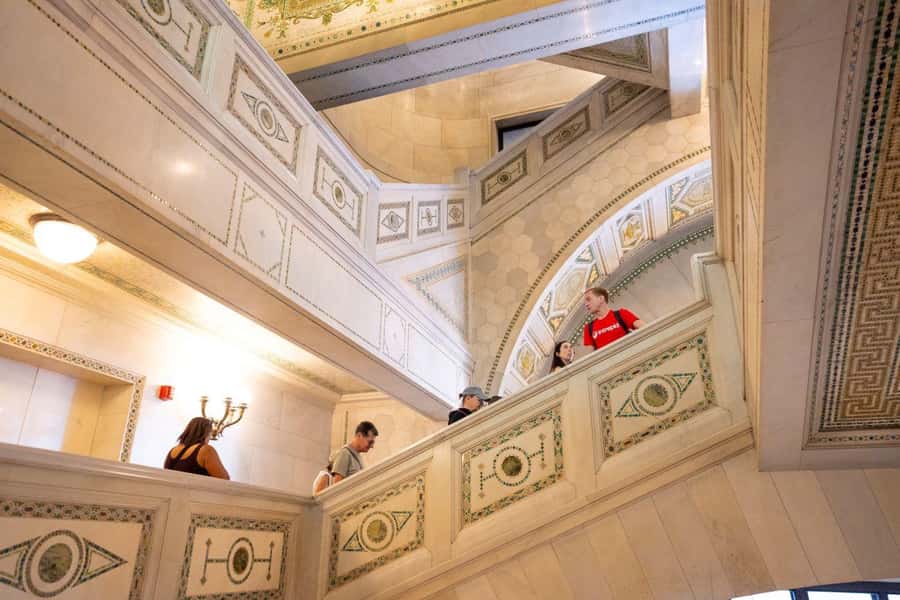
One of the best parts of the walk is the Chicago Cultural Center stop. It’s not only a “rest break.” It’s a major architectural moment by itself, and the guide uses it to connect Chicago’s civic ambitions to how art and public institutions show up in stone, glass, and interior design.
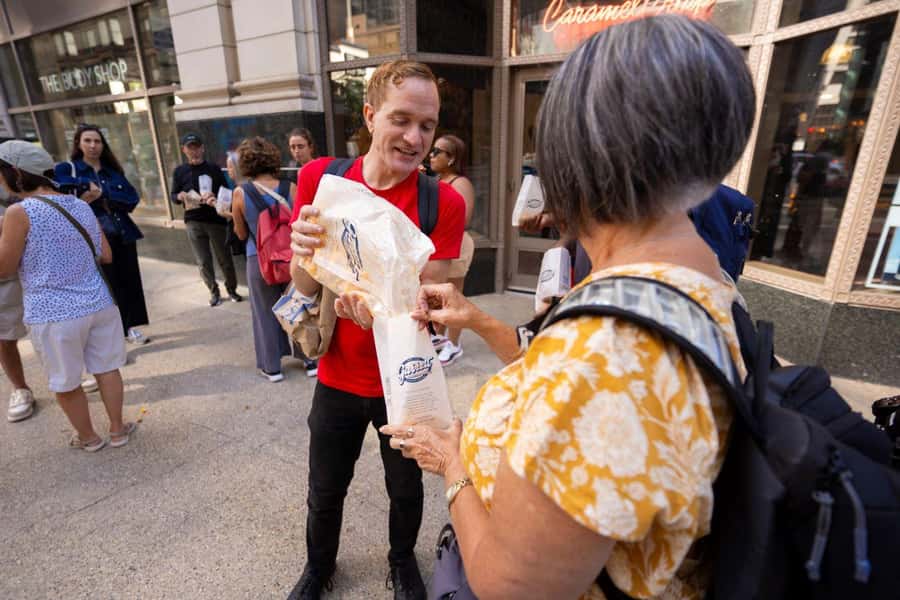
Then you get the included treat: Chicago-style popcorn. This is the kind of food stop that feels practical rather than gimmicky. It gives you a quick reset for your feet and lets you experience a local flavor that’s easy to remember later when you’re back home.
And yes, some departures include additional popular sweets. In past tours, guides have offered treats that riders associated with brands like Garrett’s Popcorn and Fannie May Chocolate. Your safest expectation is the popcorn tasting that’s part of the experience.
For comfort: this is also a good moment to get water if you need it, since the afternoon walk can pick up steam depending on weather.
Millennium Park and Cloud Gate: Ending With a Useable Chicago Plan
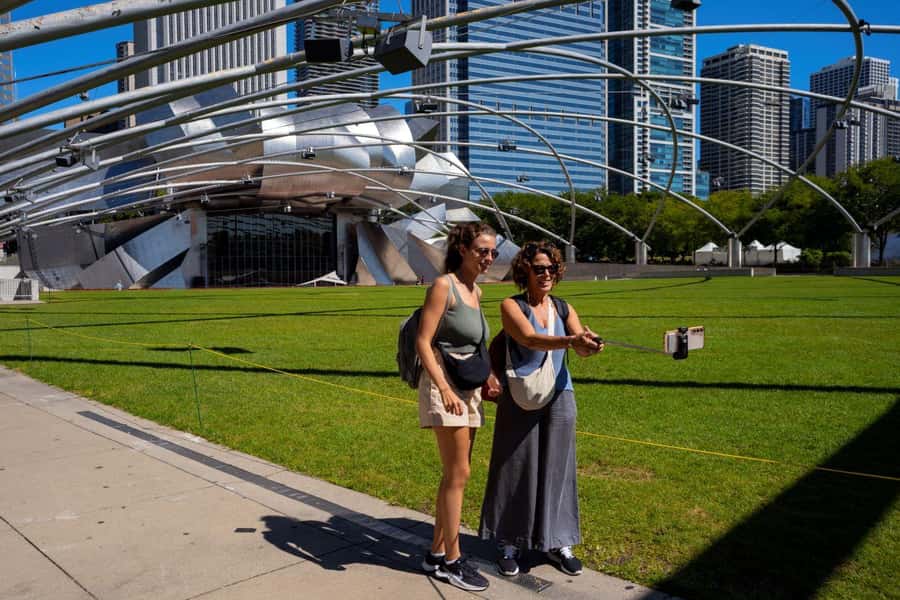
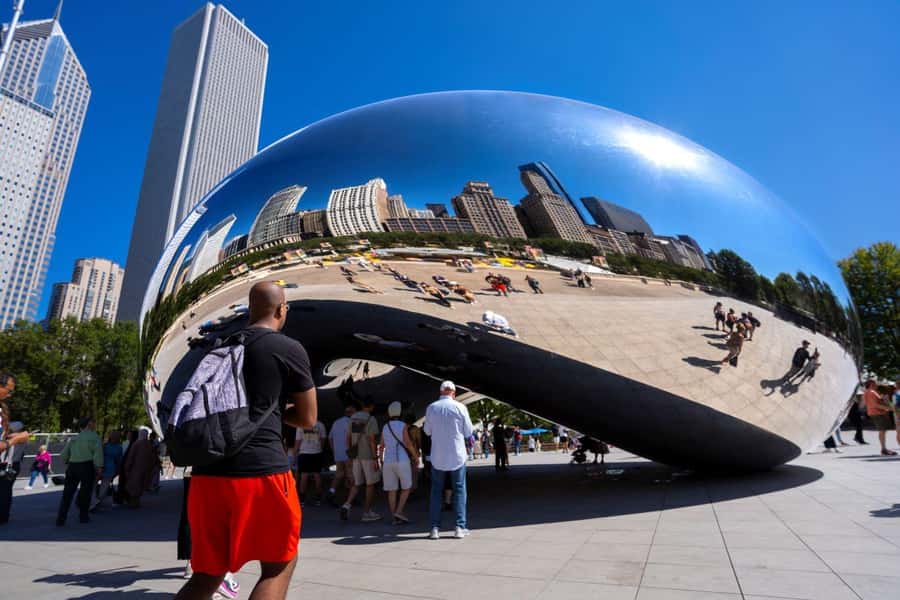
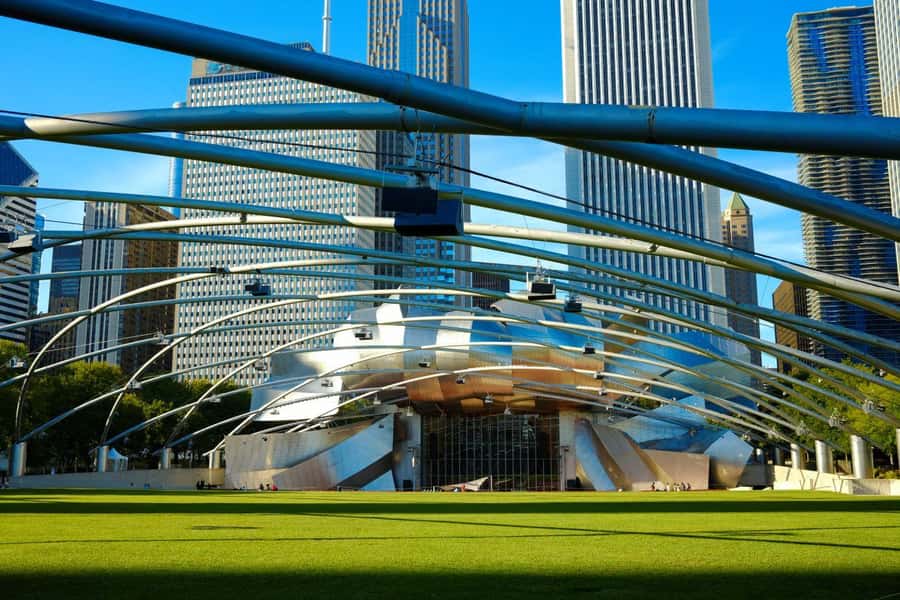
The tour ends at Millennium Park, with time at Cloud Gate (the Bean). This is a smart finish for a couple reasons.
First, it gives you a dramatic, instantly recognizable landmark to anchor your memory. Second, your guide uses this area to share lunch and sight ideas while you’re still in “I can do one more thing” mode. Even if you’ve done other Chicago attractions, the guide’s recommendations can help you pick something realistic based on where you’ll be staying.
If you’re deciding whether to book this as your first Chicago activity, this ending is a big argument for doing it early. You get a guided tour of downtown, then you end where you can easily branch out for more time in the city.
After the tour: what I’d do next
Aim to pair Millennium Park with one additional neighborhood stop that matches your interests—food, museums, architecture, or simply more river time. The best part of doing this walk first is you leave with a downtown mental map.
Price and Value: Why $34 Can Make Sense in Chicago
At $34 per person for a 2.5-hour walk, you’re paying for three things:
- A local guide who focuses your attention on what matters in architecture and city development
- An efficient route that covers major landmarks in a short window
- A food tasting included in the cost
Chicago is a city where self-guided exploration can be great, but it can also be slow. Without a guide, you might spend extra time trying to interpret what you’re seeing. With this tour, your guide gives you the “what to notice” and “how to connect the dots” part, so the walking time feels purposeful.
The small-group size is another value driver. The tour is designed for small groups, with a maximum of 16 passengers, and many runs stay around 12. That matters because you can actually ask questions and get attention when you pause at a building detail.
Group Size, Pace, and Footwear: The Practical Stuff That Changes Everything
This is a child-friendly walking tour. Kids under age 6 can join free. It’s also suitable for all ages and fitness levels, but the route still adds up to about 4.8 km (3 miles) of walking. If you’re used to short sightseeing bursts, bring patience and plan for breaks.
Weather matters. Experiences happen rain, shine, or snow, so dress for whatever Chicago decides that day. Comfortable shoes aren’t a slogan here—they’re the difference between enjoying stops and feeling stuck with sore feet.
One more practical note: vegetarian options can be accommodated, but the tour cannot accommodate other food allergies or dietary preferences. If you have a specific dietary situation, tell the organizers in advance.
Guides and the Chicago Point of View: Why Names Matter
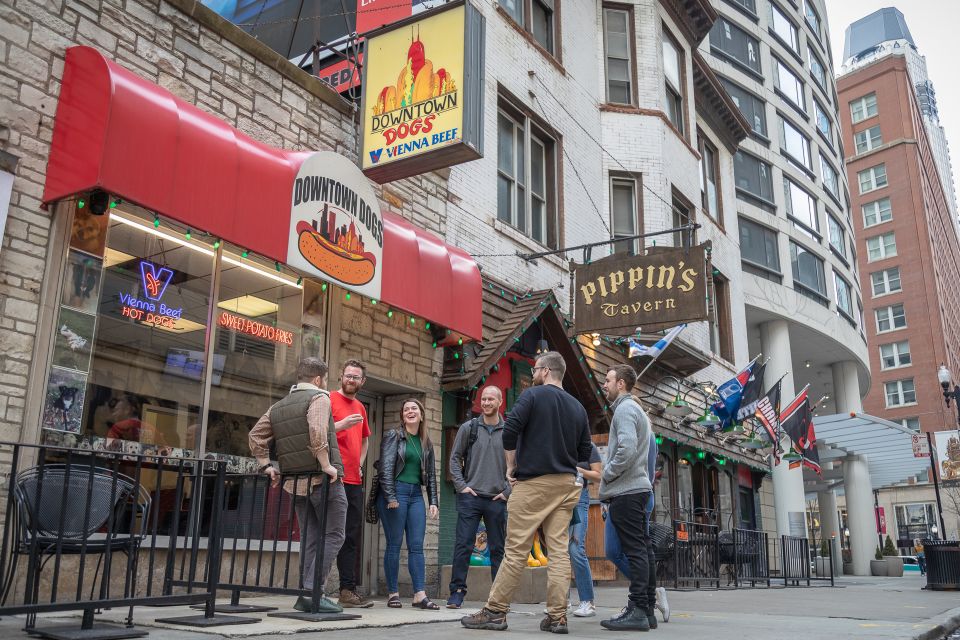
There’s a real difference between a walking tour that lists buildings and one that helps you see them. This tour leans toward the second style. Past guides have included Rich, Bash, Dash, Dave, Lara, Kelly, Kevin, and Wallach, and the common thread in their leadership is clear: they keep the energy up, they’re flexible, and they bring a personal love for Chicago that makes the architecture feel like living city culture instead of a textbook.
You can feel it most in the small moments: when the guide slows down for a design detail, when they pick an especially good view angle along the river, or when they suggest lunch options based on what you like.
Carbon-Neutral Touring: A Small Ethics Bonus
This tour is carbon neutral and operated by a B Corp certified company committed to using travel as a force for good. If that kind of practice matters to you, it’s a meaningful part of the overall experience, not just a footnote.
It also fits the theme of the tour. You’re walking through Chicago’s history and architecture, and you’re doing it with an operator that claims measurable social and environmental care. Even if you don’t obsess over certifications, it’s good to know this option aims to reduce impact.
Should You Book This Prohibition-Era Architecture Walk?
Book it if you want a first-time-friendly Chicago day that connects stories to real buildings. It’s especially worth it if:
- You like architecture but don’t want to spend hours piecing it together on your own
- You want a plan that hits the river, iconic downtown sights, and Millennium Park in about 2.5 hours
- You enjoy a food stop that feels local and not like an afterthought
Consider skipping it if you hate walking 3 miles total, even when the pace stays reasonable. Also think twice if you have food allergies beyond vegetarian needs, since the tour can’t accommodate other allergy or dietary requirements.
If you’re on the fence, here’s my straight answer: for most people visiting Chicago for the first time, this is one of the easiest ways to get oriented fast—Prohibition-era context, Riverwalk views, and the Bean as a satisfying finish, all in one small-group outing.
FAQ
How long is the Chicago Prohibition-Era culture and architecture tour?
It lasts about 2.5 hours.
Where does the tour start?
Meet at the Chicago Theatre under the marquee, 175 N. State Street, Chicago, IL 60601.
How much walking is involved?
The tour covers about 4.8 km (3 miles).
What’s included in the price?
You get a local English-speaking guide and a popcorn tasting.
How much does it cost?
The price is listed as $34 per person.
Is the tour child-friendly?
Yes. It’s child-friendly, and children under age 6 can join free of charge.
Is vegetarian food available during the tasting?
Vegetarian options can be accommodated, but other food allergies or dietary preferences can’t be accommodated. Notify in advance if you have dietary requests.
Does the tour run in bad weather?
Yes. It happens rain, shine, or snow, so dress for conditions.
What group size should I expect?
It’s a small-group tour. The maximum number of people is 16 passengers.
Is free cancellation available?
Yes. Free cancellation is available up to 24 hours in advance for a full refund.