REVIEW · CHICAGO
Chicago: Mobsters and Movies Walking Tour
Book on GetYourGuide →Operated by Chicago Murder Mystery Tour · Bookable on GetYourGuide
Capone and movie magic share the same sidewalks. In this 2-hour walking tour, you connect real mob stories—Al Capone, Dillinger, and The Outfit—with the exact downtown streets and famous scenes used for film.
I especially like the step-inside moments, where the tour goes beyond curbside trivia and into interiors tied to real plots and production work. I also love the way the guide links American gangster history and movie set design, so stops for The Dark Knight, The Fugitive, The Blues Brothers, Ferris Bueller’s Day Off, and The Untouchables feel like part of one story, not random pop-culture stops.
One possible drawback: it’s still a walking tour, and while it’s wheelchair accessible, there’s no transportation or mobility equipment provided. If you’re dealing with a cold, this one isn’t a good match either.
In This Review
- Key points before you lace up
- From the Riverwalk start to a mob-movie finish
- The best part: real mob stories tied to real places
- Where Capone’s world meets movie-world set dressing
- Underground Outfit tunnels and Dillinger’s last meeting
- Picasso statue and that fast connection to famous scenes
- Downtown business district streets that got cinematic treatment
- Art Institute context: using the tour to guide your museum time
- The former Chicago Public Library: interior wow factor
- Where The Untouchables climaxes in your footsteps
- What you’ll like most, based on what people praise
- Price and value: $35 for 2 hours of stories in real spaces
- Timing, comfort, and who should go
- What to do before and after the walk
- Should you book Mobsters and Movies in Chicago?
- FAQ
- How long is the Mobsters and Movies walking tour?
- Where does the tour meet?
- What’s included in the ticket price?
- Is the tour wheelchair accessible?
- What language is the live guide?
- Which movies and crime stories are referenced on the tour?
- Is it suitable if I’m sick?
- Can I cancel or book without paying immediately?
Key points before you lace up
- Trained true crime historian guides who also know film, so the street stories and movie context land fast.
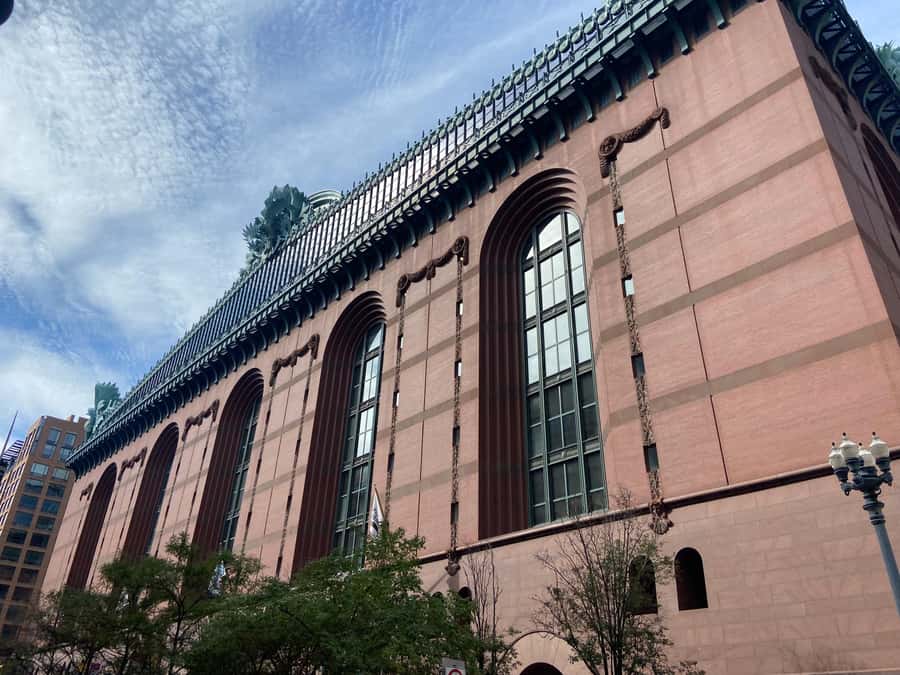
- Indoor stops (including former Chicago Public Library spaces) that make the tour more than a quick exterior sweep.
- Down-to-details mob locations, from Capone-era haunts to underground Outfit tunnels.
- Multiple major movie tie-ins, including The Dark Knight, The Fugitive, Ferris Bueller’s Day Off, and The Untouchables.
- A well-paced downtown route that ties together Riverwalk landmarks, business-district corridors, and cultural sites.
From the Riverwalk start to a mob-movie finish
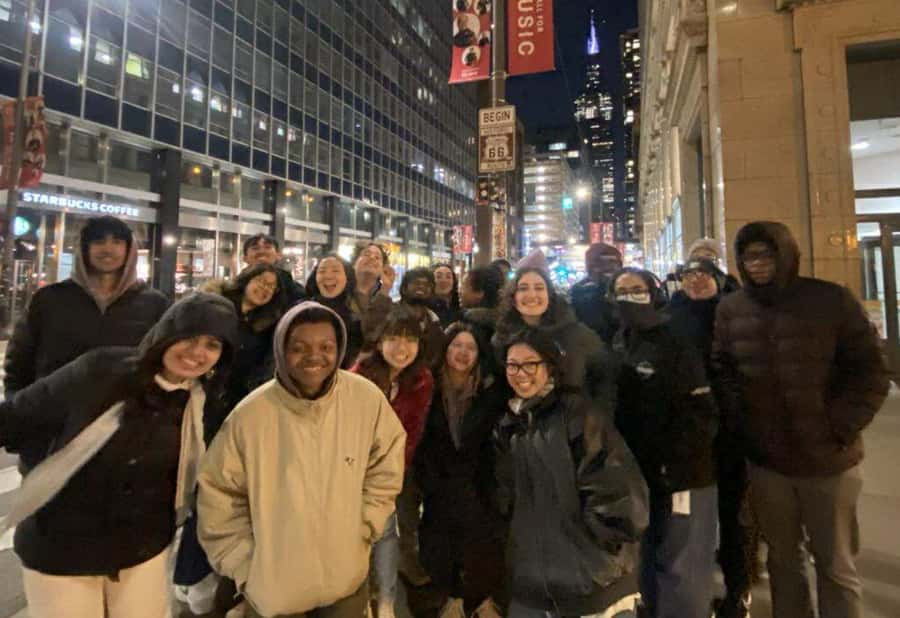
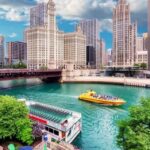
The tour starts at the Chase Bank at the corner of State and Wacker. From there, you head into downtown Chicago’s power corridors, where the architecture and streets have served as both backdrop and plot device for decades.
Expect a format that mixes walking with frequent story stops. You’ll get the real-world context first, then see how the same place got transformed for movie scenes.
You can also read our reviews of more walking tours in Chicago

The best part: real mob stories tied to real places
This isn’t just gangster name-dropping. The tour is built around specific figures and locations, so the Capone-and-mafia material has shape.
You’ll hear the real stories of Al Capone and the mafia, and you’ll also get Dillinger and The Outfit woven into the same geographic map. That matters, because Chicago’s mob history isn’t all one neighborhood—it spreads through downtown corridors, business district edges, and places that still look official and important.
Where Capone’s world meets movie-world set dressing
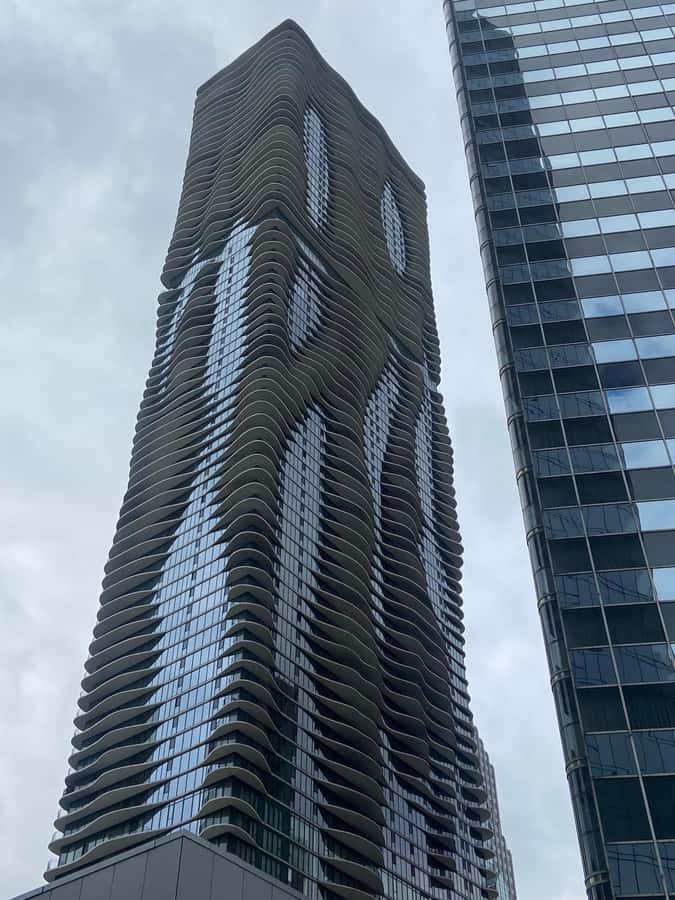
One of the smartest choices here is how the tour compares street reality with screen reality. Instead of treating movies like an add-on, it uses film scenes as a second layer over the first layer: the crime history.
You’ll hit movie locations tied to The Dark Knight and The Fugitive as you move along the downtown stretch. Later, the tour also works in other well-known Chicago film moments like The Blues Brothers and Ferris Bueller’s Day Off, which helps the tour feel less narrow and more playful.
In other words: you’re not only learning who did what. You’re also learning how filmmakers borrowed the city’s attitude—its corners, sight lines, and institutional-looking interiors—to tell a story fast.
Underground Outfit tunnels and Dillinger’s last meeting
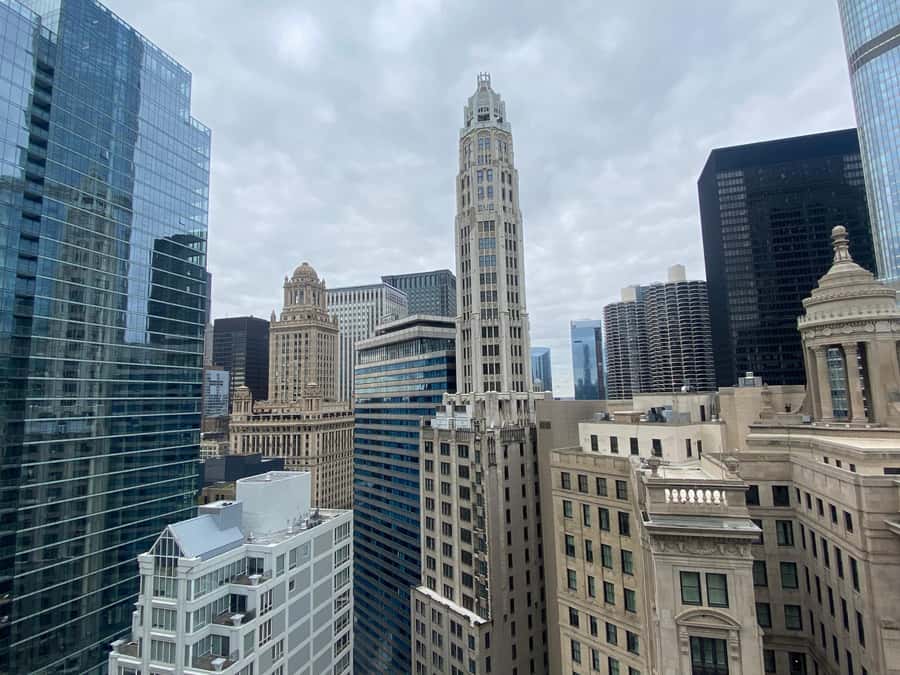
The itinerary includes a stop at underground tunnels used by The Outfit. This is the kind of detail that makes Chicago feel different on foot, because you’re hearing about hidden logistics right under a modern downtown rhythm.
Then you’ll visit the place where John Dillinger saw his girlfriend for what was described as the very last time. That stop is heavy in tone compared with the movie sections, and it’s exactly why this tour works. The guide shifts from screen-friendly crime drama to real consequence, then uses the city itself to bridge the gap.
Picasso statue and that fast connection to famous scenes
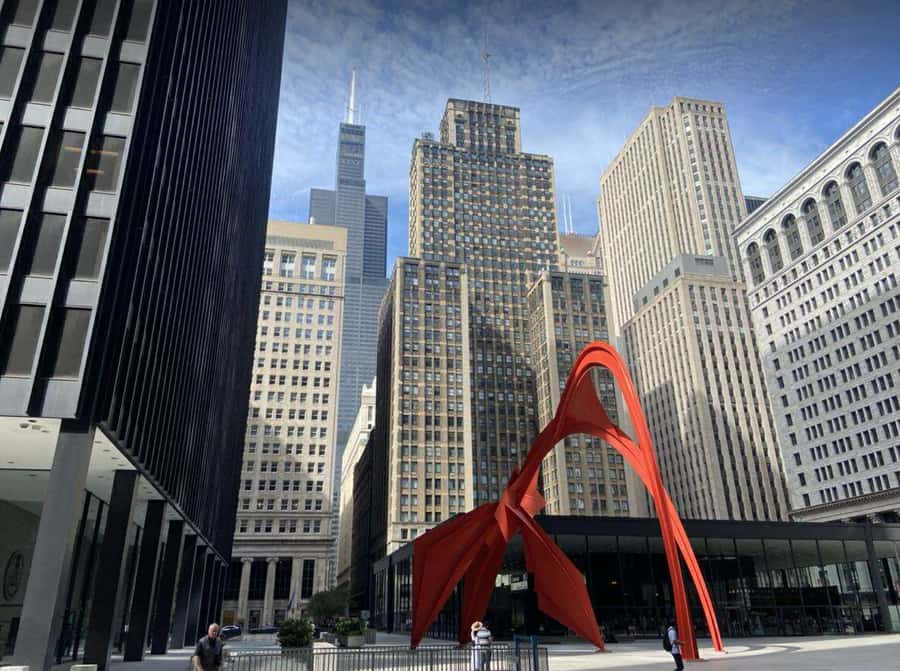
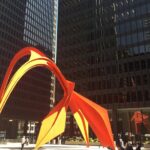
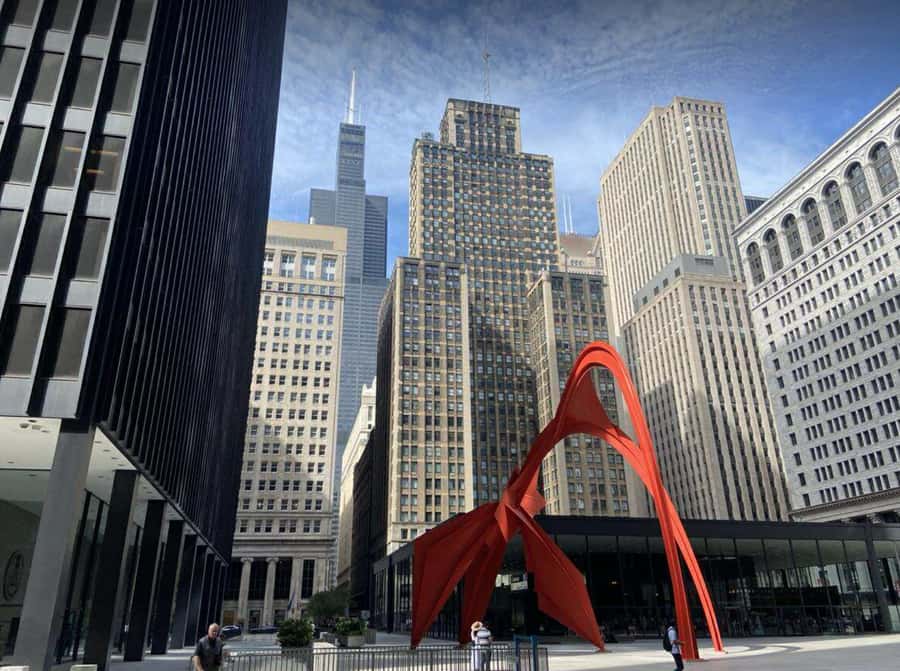
Downtown has a lot of art, but this tour focuses on one in particular: the Picasso statue, noted here as a filming location for famous Chicago movies.
This kind of stop is great if you like the moment when a place clicks. You’re looking at a landmark you might otherwise treat as just public art, but now you can picture how the camera uses it—angle, framing, and movement around it.


Downtown business district streets that got cinematic treatment
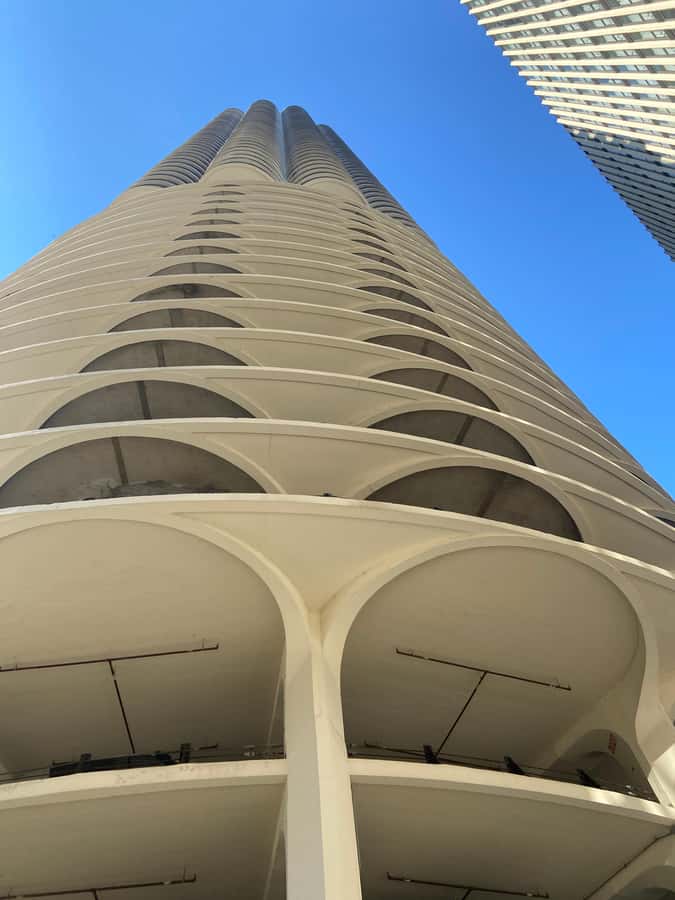
As you move through the business district backdrop, the tour keeps linking location to plot. You’ll hear about crime scenes associated with Chicago film and how the city’s downtown look has been used for big-screen storytelling.
Movie tie-ins in this area include The Dark Knight and The Untouchables. Even if you’re not a hardcore film fan, you’ll likely appreciate why: downtown Chicago is built for dramatic visuals—tall facades, strong lines, and a street grid that feels purposeful.
Art Institute context: using the tour to guide your museum time
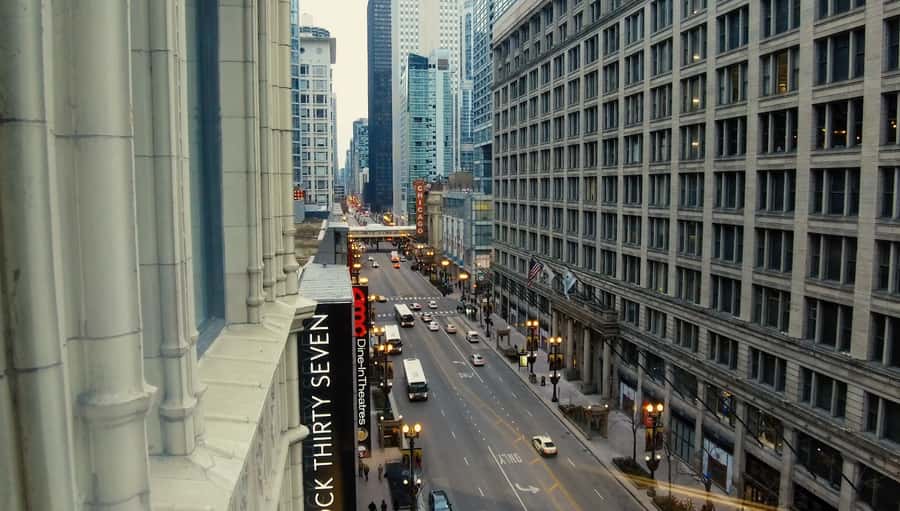
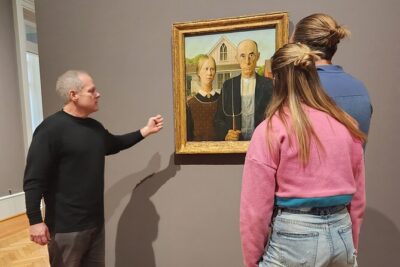
One helpful thing: the tour talks about the history of the Art Institute and Chicago’s cultural mile, specifically how those connections relate to famous Chicago crime legends.
That doesn’t mean you have to sprint into the museum afterward. But it does give you a smarter way to plan if you’re already interested in art. You’ll also get suggestions about how to make the most out of an Art Institute visit to see art pieces used in famous movies.
So the tour works as a pre-game for museum time, not just a stand-alone walk.
The former Chicago Public Library: interior wow factor
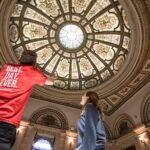
The final stretch includes architectural interiors inside the former Chicago Public Library. One standout detail given here is that it features the largest Tiffany glass dome in the world.
This is where you get a break from outdoor walking, and the setting helps you understand why productions love Chicago interiors. The space gives you that institutional look that reads instantly on camera—grand, structured, and dramatic without feeling forced.
You’ll also see other art exhibits inside, which gives the ending a more “Chicago as a living city” feeling instead of ending on only crime imagery.
Where The Untouchables climaxes in your footsteps
The tour ends at the filming location of the climactic scene for The Untouchables. That choice is clever because it gives you a payoff that feels cinematic, but grounded in real Chicago geography.
If you’re the type who likes to compare what you see with what you remember from the screen, this ending is a satisfying final link. You’re finishing with a scene’s emotional peak, but with the city’s real structure still visible around you.
What you’ll like most, based on what people praise
This is one of those tours where the guide quality clearly matters. People highlight that the tour guide makes the material interesting and gets the point across, which is exactly what you want on a true crime + movie locations format.
You’ll also see praise for how the tour covers a lot of history, and for being diverse in its mix of stories and film references. There’s even a small hint of a wish list: one reviewer wanted more film locations beyond the ones covered here. Translation for you: you’ll probably leave feeling you saw a lot, but if you’re obsessed with Chicago on screen, you may still want one extra tour day afterward for more movie-hunt style stops.
Price and value: $35 for 2 hours of stories in real spaces
At $35 per person for about 2 hours, this lands in the “worth it if you’re curious” category. It’s not a bargain if all you want is a casual walk. But the value makes more sense when you factor in two things the tour clearly prioritizes: trained historian-level storytelling and entry/indoor stops, including the former Chicago Public Library.
If you’ve done self-guided city walks before, this can feel like a better use of time. You’re getting a curated route through downtown’s real mob geography plus movie references that actually tie to what you’re seeing.
Also, the included souvenir photos are a small bonus that can save you from that awkward phone-timer scramble at a key stop.
Timing, comfort, and who should go
This tour runs for around 2 hours and is usually available in the afternoon. It’s a good length for people who want a focused Chicago experience without turning the day into a marathon.
It’s also wheelchair accessible. Still, remember the practical note: no transportation or mobility devices are provided. If you rely on a specific device to get around comfortably, plan ahead.
One more practical point: it’s listed as not suitable for people with a cold. If you’re under the weather, skip it and pick another Chicago day when you can fully enjoy indoor stops and concentrated storytelling.
What to do before and after the walk
If you want this to feel extra fun, pick one or two movies from the list and do a quick refresher watch beforehand. The Dark Knight and The Fugitive are heavily referenced, and Ferris Bueller’s Day Off adds a lighter tone that keeps the tour from going full grim.
After the tour, you’re set up for a smart next step in the city. If you’re heading to the Art Institute anyway, you’ll know what the guide meant about cultural context and movie-used pieces. And if you just want to wander, downtown Chicago’s streets will look different once you’ve learned how they show up on screen and in crime stories.
Should you book Mobsters and Movies in Chicago?
Book it if you like a tour that mixes true crime context with movie location payoffs, especially when the route includes indoor stops like the former Chicago Public Library. The trained historian + film fan combo is the real engine here, and it’s what people are clearly praising.
Skip it if you want a low-effort experience with minimal walking, or if you’re dealing with illness like a cold. Also, if you’re the kind of movie-location superfan who wants every possible set reference, you might still want to add an extra Chicago movie-meets-city activity later—because this one is curated, not encyclopedic.
If you match those points, $35 for 2 hours is a fair trade for an afternoon that turns Chicago streets into a story you can walk through.
FAQ
How long is the Mobsters and Movies walking tour?
It lasts about 2 hours.
Where does the tour meet?
You meet at Chase Bank at the corner of State and Wacker.
What’s included in the ticket price?
The tour includes souvenir photos and you’ll be guided by trained historian tour guides.
Is the tour wheelchair accessible?
Yes, it’s wheelchair accessible. The info also notes that no transportation or mobility devices are provided.
What language is the live guide?
The tour is offered with a live guide in English.
Which movies and crime stories are referenced on the tour?
The tour includes mob stories tied to Al Capone, Dillinger, and The Outfit, and it references movie locations associated with The Dark Knight, The Fugitive, The Blues Brothers, Ferris Bueller’s Day Off, and The Untouchables.
Is it suitable if I’m sick?
No. It’s listed as not suitable for people with a cold.
Can I cancel or book without paying immediately?
Free cancellation is offered up to 24 hours in advance for a full refund, and the option to reserve now and pay later is available.