REVIEW · CHICAGO
Walking Tour: Chicago’s Loop – Home of the Modern Skyscraper
Book on Viator →Operated by L Stop Tours · Bookable on Viator
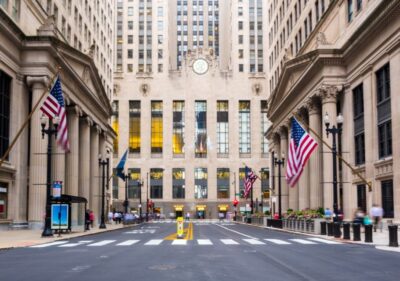
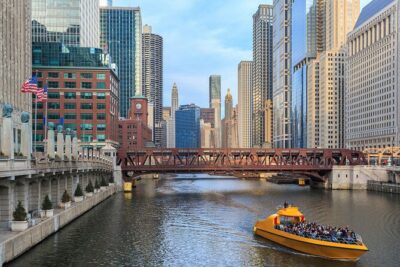
Chicago’s Loop teaches with every step. This 10-person walking tour is built for people who want real architecture details and city context—starting downtown and ending at the world’s largest Tiffany dome in the Chicago Cultural Center. I especially like the small group size (you get room to ask questions) and the fact that the route keeps pulling you into landmark interiors, where you notice things you’d miss from the sidewalk.
One thing to plan for: you’ll be on your feet for about 3 hours 30 minutes, and the tour involves stairs and the L train. Not every station has elevators, so if stairs are a problem, this may feel tougher than you expect.
In This Review
- Why This Loop Tour Works: Small Group, Big “Look Up” Moments
- Key Points You’ll Actually Care About
- Price and Value: What $65 Buys You in the Loop
- Starting on Michigan Avenue: How the Route Is Set Up
- Getting Around: Foot + L Train Without the Guesswork
- Stop 1: Fine Arts Building Interiors and Those Manual Elevators
- Stop 2: Harold Washington Library Center for Exhibits and Hidden Corners
- Stop 3: Monadnock Building Up Close, Then Notice Why It Mattered
- Stop 4: Marquette Building and a National Landmark Angle
- Stop 5: Revival Food Hall Snack Break That Actually Fits the Day
- Stop 6: The Rookery Building Quick Look at a Star Detail
- Stop 7 and 8: Quincy to Macy’s on State Street (Look Up for the Dome)
- Stop 9: Chicago Cultural Center and the World’s Largest Tiffany Dome Finish
- Who This Tour Is Best For (and When to Choose Another Plan)
- Should You Book This Walking Tour of the Loop?
- FAQ
- How long is the Chicago’s Loop architecture walking tour?
- Where does the tour start and end?
- What time does the tour begin?
- How much does the tour cost?
- Is the group size limited?
- What is included in the tour price?
- Is admission included for the stops?
- Are food and drinks included?
- Is the tour wheelchair accessible or elevator-friendly?
- Can I cancel for a refund?
Why This Loop Tour Works: Small Group, Big “Look Up” Moments
This tour is the sweet spot between a quick highlight walk and a slow museum day. You’re moving through the Loop’s “greatest hits,” but you’re also getting pointed to the small stuff: the building features you can’t unsee once you’re told what to look for.
The group cap at 10 matters more than it sounds. With fewer people, your guide can pace the day and keep conversations going, instead of speaking over a crowd. You’ll also get more time at each stop, including a few shorter indoor peeks that still manage to feel specific.
I also like that the tour doesn’t treat architecture like trivia. It ties buildings to how Chicago grew—early skyscrapers, streets and planning, and the modern story of downtown.
Key Points You’ll Actually Care About
- 10 people max means questions don’t feel like an interruption
- Indoor access and close-up views at multiple major landmarks
- Transit included with a short L train hop between sections of the route
- Free admission for most stops so you’re not paying extra on the fly
- A local guide with strong Chicago building storytelling (Tom is specifically praised)
You can also read our reviews of more walking tours in Chicago



Price and Value: What $65 Buys You in the Loop
At $65 per person for about 3 hours 30 minutes, this tour is priced like a guided experience, not just a walking pass. What makes it feel like better value is what’s included: transit tickets plus a local expert guide. You’re also getting admission tickets for the tour stops listed as free, which helps keep your on-the-day costs predictable.
You don’t have to budget for food in the same way, because refreshments at the Revival Food Hall aren’t included. But the tour does build in a snack break window, so you can grab something quickly if hunger hits.
The biggest value is decision-making help. The Loop has dozens of impressive buildings, and it’s easy to wander and see only the obvious ones. Here, you’re guided toward the ones with standout architectural details—especially the interior moments where you can finally slow down and look.
Starting on Michigan Avenue: How the Route Is Set Up
The tour starts at 410 S Michigan Ave, in the lobby area of the Fine Arts Building, with a 10:00 am start time. It ends at the Chicago Cultural Center (78 E Washington St). That “finish downtown” structure is useful because it keeps your day tidy: you start in the skyscraper core and wrap up in a major public landmark.
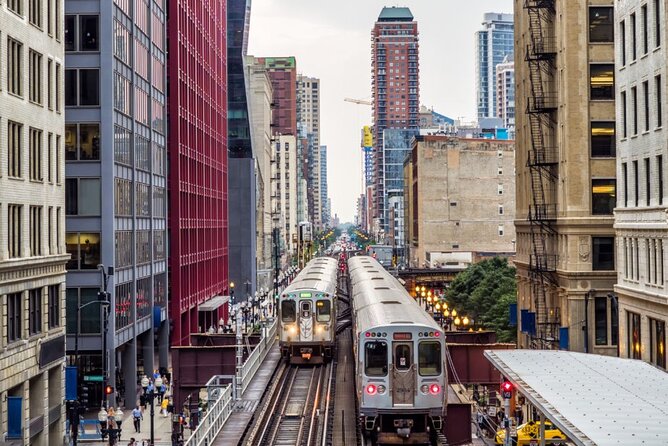
You’ll tour by a mix of walking and riding the L train. That combination matters because the Loop is dense. Pure walking can feel exhausting; pure subway hopping can be disorienting. This route tries to balance both: a lot of on-foot sight time, plus short transit jumps when it makes sense.
Because the tour runs on stairs in at least some stations, I’d treat the “moderate physical fitness” note seriously. If you’re comfortable climbing steps and standing for stretches, you’ll likely enjoy the pacing.
Getting Around: Foot + L Train Without the Guesswork
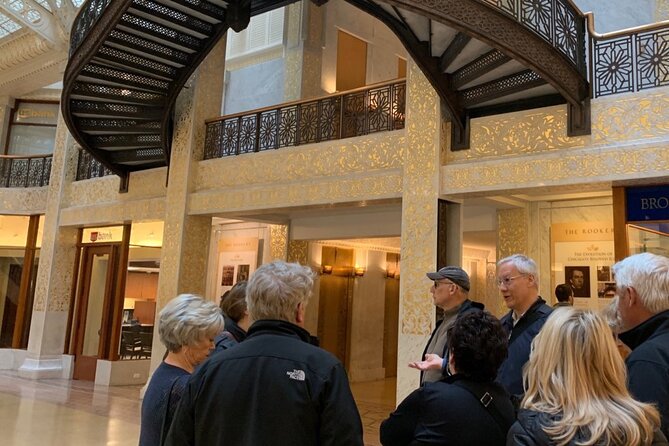
One of the practical strengths here is that transit is part of the plan. You’re not left figuring out which stop to take or how long the route will take once you’re tired.
The itinerary includes a short L train segment around the mid-to-late portion of the day, with a stop at Quincy described as the boarding point for the final stretch. Even though that transit leg is brief, it still helps you connect areas of the Loop without backtracking.
If you have mobility concerns, remember the note that not all train stations have elevators. You don’t need to fear public transit, but you should be prepared for stairs. If you’re unsure, plan to wear supportive shoes—this is a walking-heavy architecture day.
Stop 1: Fine Arts Building Interiors and Those Manual Elevators
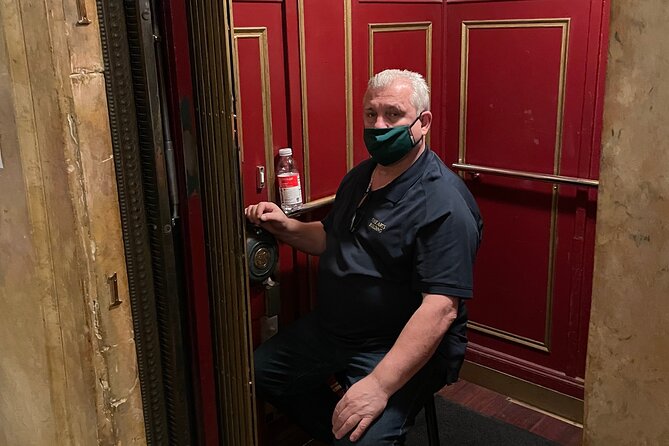
The first stop is the Fine Arts Building, and the tour is scheduled for about 30 minutes there. This is a smart start because you begin with a structure that rewards close attention—and the highlight is specific: the building still has manually operated elevators.
That kind of detail is exactly why guided tours beat self-guided wandering. You’re not just looking at the outside; you’re learning what makes the interior historic and operational in a way you can’t easily guess from street views.
If you’re the type who likes old-school features (the kind you can picture as a design choice, not just a date), this opening stop sets the tone. The one possible drawback is that interior access can make the stop feel more “structured” than a simple exterior photo break. Still, the short schedule keeps it from dragging.


Stop 2: Harold Washington Library Center for Exhibits and Hidden Corners
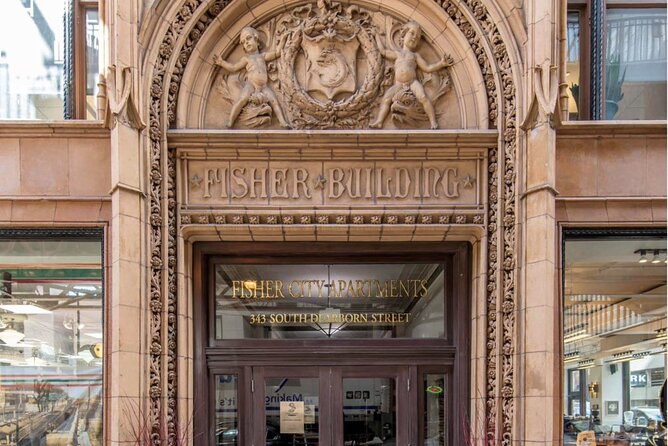
Next you’ll spend about 30 minutes at the Harold Washington Library Center. This stop is less about a single wow moment and more about giving you a sense of how downtown culture lives inside everyday spaces.
You’ll check out exhibits and some of the library’s lesser-seen highlights—this is the kind of stop that helps the architecture story feel human. Libraries don’t just exist as civic buildings; they act like downtown anchors, bringing people and ideas into the city’s center.
If you’re hoping for a pure-skyscraper crawl with zero “civic building” time, this might feel slightly different. But it adds variety and helps you connect Chicago’s architecture to how people actually use the city.
Stop 3: Monadnock Building Up Close, Then Notice Why It Mattered
The Monadnock Building gets a shorter stop—around 15 minutes—but it’s positioned for an efficient payoff. The key detail: it was once the largest office building in the world.
That matters because it turns a single building into a timeline marker. When a structure held a world record, it changes what “modern” meant in its era. Standing near it while a guide explains the context is a lot more useful than just admiring the façade.
The timing here is good if you prefer quick stops. The only consideration is that 15 minutes can be tight if you want extra photos or extra time reading plaques. Still, the tour overall keeps most major stops around 30 minutes.
Stop 4: Marquette Building and a National Landmark Angle

After the Monadnock, you’ll have about 15 minutes at the Marquette Building. This is another short, targeted stop, focused on the building’s status as a national landmark.
When a stop is short like this, the value is in the guidance: you’re learning what to notice so you don’t waste time scanning for significance yourself. This is one of the tour’s themes—helping you read the Loop like a story.
If you want to linger for photos, plan to do most of that during the longer stops (like the Macy’s and Cultural Center windows). For short stops, think of it as a “look, learn, move” moment.
Stop 5: Revival Food Hall Snack Break That Actually Fits the Day
At Revival Food Hall you get about 30 minutes, framed as a quick break. This is one of Chicago’s earlier food hall concepts, and it’s there for a practical reason: you need a reset point after multiple architecture stops.
Refreshments aren’t included in the tour price, so you’ll pay for your own snack or drink. But the advantage is you’re not trying to hunt for food on an empty schedule. You’ll know when your chance to eat is coming.
If you’re picky about food, use this as a controlled pause and then get back to the tour. If you’re hungry and want a longer meal, this stop won’t fully satisfy that. It’s designed as a “refuel and rejoin” window.
Stop 6: The Rookery Building Quick Look at a Star Detail
Next you’ll have around 15 minutes at the Rookery Building. This is described as one of Chicago’s most architecturally significant buildings, and the stop time suggests the tour treats it as a “fast wow” stop.
The way to enjoy this one is to keep your eyes up and around. With a shorter window, the best approach is to follow what your guide points out rather than trying to absorb everything at once.
If you’re hoping for a long internal walkthrough, you may feel slightly rushed here. But in a route like this, the trade-off makes sense: you get more time at stops that have deeper context or more interior access.
Stop 7 and 8: Quincy to Macy’s on State Street (Look Up for the Dome)
You’ll board the L train for a quick trip, with the Quincy stop as the transit point. This segment is timed for about 15 minutes, and it sets you up for the two final destination stops.
Then comes Macy’s on State Street with about 30 minutes. This is another interior-feeling highlight, where architecture fans are pointed toward an amazing feature high above: a tiled dome. One of the best practical tips here is to literally look up. If you walk through casually, it’s easy to miss.
This is also where the tour’s “guide adds value” theme really shows. A department store can look like just shopping space. With a guide pointing out the standout architecture, you start seeing it as a building with story and design choices, not just a place to buy things.
Possible drawback: you may encounter more people than at the office-style stops. If you prefer quiet spaces for photos, expect a bit of street-level or retail movement.
Stop 9: Chicago Cultural Center and the World’s Largest Tiffany Dome Finish
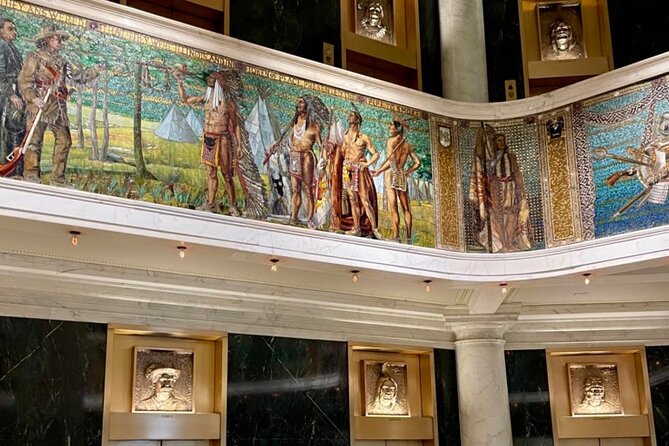
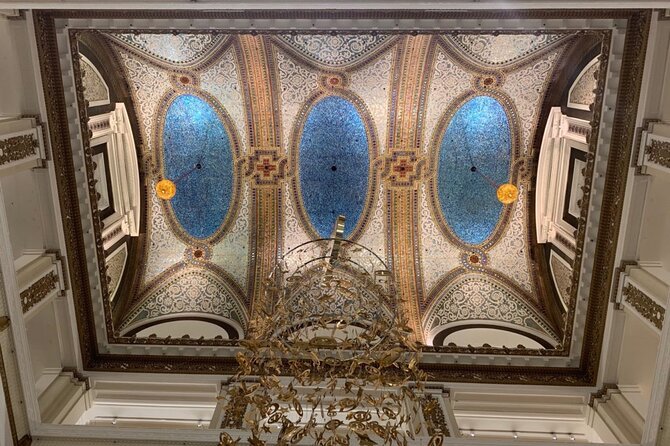
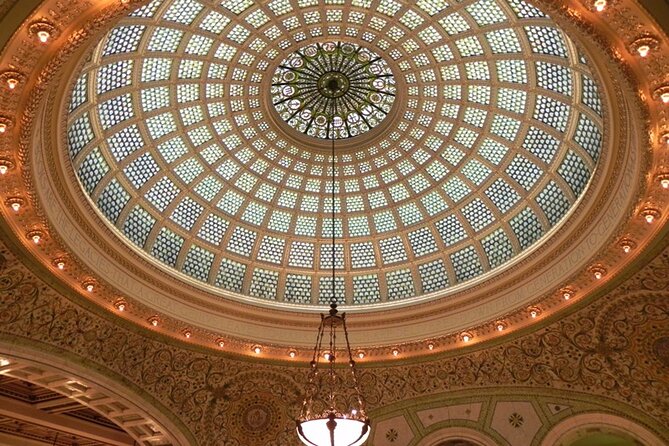
The day wraps up at the Chicago Cultural Center, with about 30 minutes at the end. The big finale is the world’s largest Tiffany dome, and the location is ideal as a closing point because it’s both public-facing and visually dramatic.
Finishing here is smart for two reasons. First, it gives your brain an architectural “anchor” after walking past many buildings with different eras and styles. Second, public institutions like this tend to make it easier to linger a little, even if your scheduled time is set.
The stop is described as a wrap-up with a quick peek at the dome. If you want more time, this is the type of place where you can extend your visit on your own afterward, because it’s a major landmark in the downtown core.
Who This Tour Is Best For (and When to Choose Another Plan)
This tour is a strong fit if you enjoy architecture with context—especially early skyscrapers and the way Chicago grew into the modern city center. It also works well if you like guides who pace well and explain details in a way that keeps you engaged without rushing.
It’s also ideal for first-time Chicago visitors who want a focused Loop introduction. The route hits famous names while still including buildings that feel more like discoveries once you hear the story.
You might choose a different option if you:
- Struggle with stair-heavy transit or moving through busy interiors
- Want a longer, sit-down educational format (this is still a walking tour)
- Are hoping for a food-centered plan (snacks are on you, and food is just a break)
Based on the guide praise, you should also feel confident that the tour is built to be comfortable. People specifically call out that Tom was personable, accommodating, and paced so they could appreciate the buildings and details.
Should You Book This Walking Tour of the Loop?
If you’re spending a limited time in Chicago, I think this is an excellent booking. You get a small group, guided storytelling from a local expert, and multiple moments where you can see architecture up close—plus the end payoff at the Tiffany dome.
The best reasons to go are simple: you’ll be guided to key buildings and their specific features, not just walking past them, and the price includes transit plus local expertise. If you’re comfortable with a moderate walking day and stairs, it’s a high-value way to learn the Loop fast without feeling like you’re cramming.
On the other hand, if stairs or long standing are hard for you, or if you want a slower, deeper dive into fewer sites, you may find the pace a bit tight.
FAQ
How long is the Chicago’s Loop architecture walking tour?
The tour is about 3 hours 30 minutes.
Where does the tour start and end?
It starts at the Fine Arts Building, 410 S Michigan Ave, and ends at the Chicago Cultural Center, 78 E Washington St.
What time does the tour begin?
The start time is 10:00 am.
How much does the tour cost?
The price is $65.00 per person.
Is the group size limited?
Yes. The maximum group size is 10 travelers.
What is included in the tour price?
Transit tickets and a local expert guide are included.
Is admission included for the stops?
Admission tickets are listed as free for the tour stops. Quincy uses included transit.
Are food and drinks included?
No. Food and beverages aren’t included. There is a snack break at Revival Food Hall.
Is the tour wheelchair accessible or elevator-friendly?
You should be able to climb stairs, since not all train stations have elevators.
Can I cancel for a refund?
Yes, free cancellation is available. You can cancel up to 24 hours in advance for a full refund.