REVIEW · CHICAGO
Chicago: Underground Pedway & Downtown Secrets Walking Tour
Book on GetYourGuide →Operated by Inside Chicago Walking Tours · Bookable on GetYourGuide
Chicago hides its best routes underground. This 2-hour tour takes you through the Pedway—downtown tunnels that keep you warm and dry—plus the secret corridors that pop you into stunning building interiors. You’ll learn the system as you go, not just the sightseeing part via secret passages and Pedway magic.
What I like most is the pair of “how it works” plus “what you’ll notice once you know.” First, you get clear instruction for using the Pedway, including the up-and-down staircase rhythm and the way corridors connect full blocks. Second, the tour leans into architectural surprises like stained glass hallways and even underground swimming pools, with guides who bring real city context. Henry, for example, is singled out for an architecture background, while Heath is praised for serious-but-fun explanations.
One thing to think about: it’s not a casual stroll. Expect staircases and about 1.5 miles of walking, mostly indoors, and it’s not suitable for wheelchair users or people with claustrophobia or low fitness.
In This Review
- Key highlights you’ll feel right away
- Entering The Pedway Near 120 N. LaSalle: The starting point matters
- Part One: How the Chicago Pedway Works Under Full Blocks
- Stained glass corridors and underground swimming pools: what you’re really looking at
- Part Two: The newer, complicated Pedway section and why your guide matters
- Secret meanings behind Chicago public art: connecting the tunnel story to the city
- Price and pacing: is $35 worth two hours in Chicago?
- Who this tour suits (and who should skip it)
- What to bring and how to avoid common Pedway problems
- Should you book the Underground Pedway and Downtown Secrets tour?
- FAQ
- How long is the Chicago Underground Pedway and Downtown Secrets walking tour?
- Where is the meeting point for the tour?
- Is the tour mostly indoors?
- How much walking and how many stairs should I expect?
- Is this tour suitable for wheelchair users or people with mobility impairments?
- Is the tour okay for claustrophobia?
- What should I bring?
Key highlights you’ll feel right away
- Navigation skills first. You’ll learn how to use the Pedway so you can keep moving after the tour.
- Architectural interiors, not just tunnels. You’ll access “rooms” inside buildings that seem to appear out of nowhere.
- Stained glass and underground pool sightings. These are the kinds of spots you won’t bump into randomly.
- A newer, more complicated Pedway section. You practice your newfound skills where locals often don’t go.
- Secret meanings behind major public art. You’ll connect what you see above ground to the bigger story.
- A strong guide experience. Many guides are praised for pacing, humor, and answering questions well.
Entering The Pedway Near 120 N. LaSalle: The starting point matters
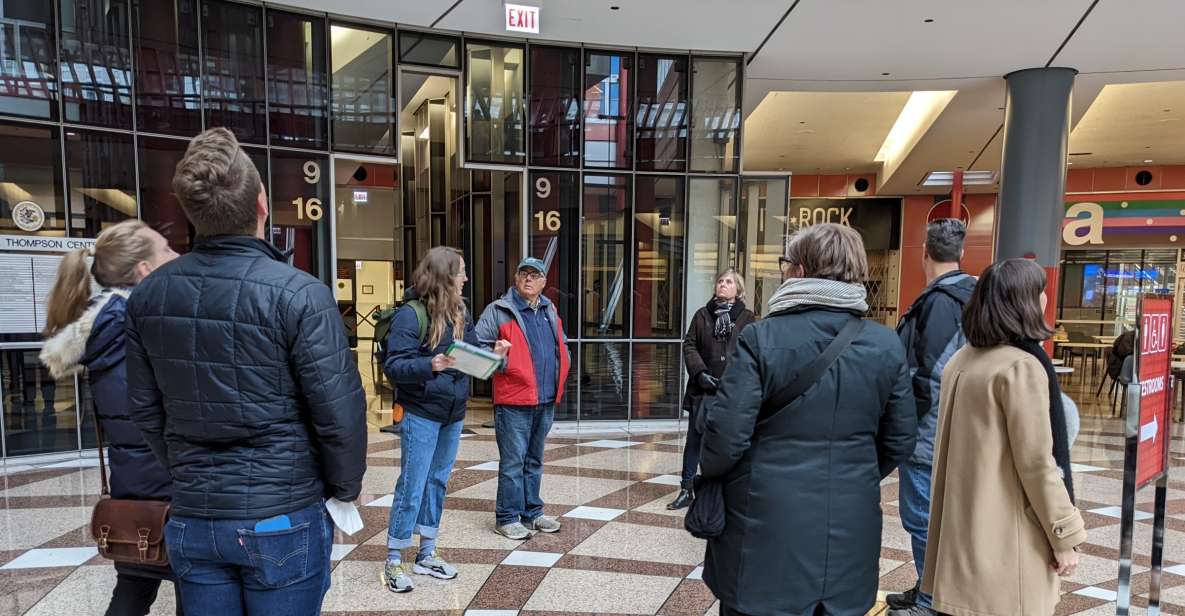
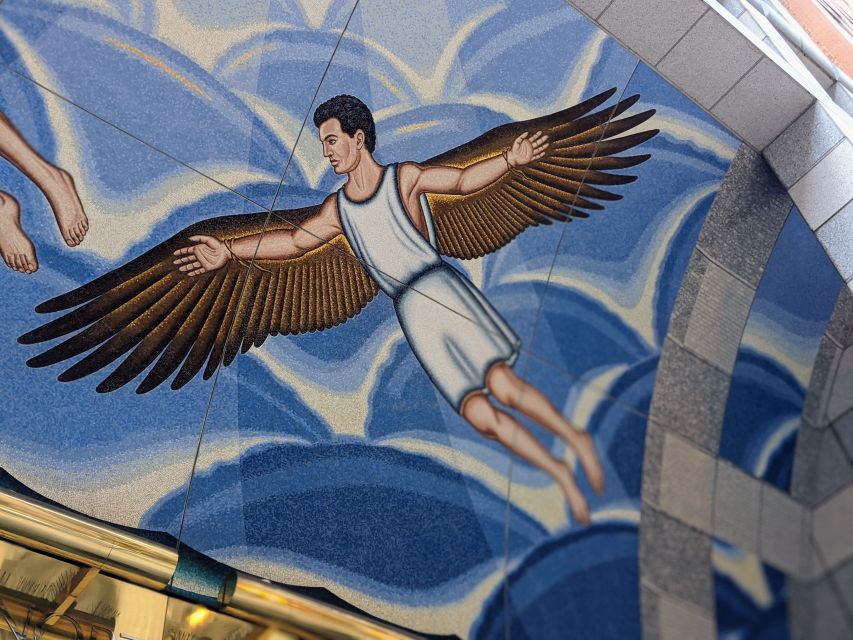
Your tour begins at 120 N. LaSalle St. Look for the giant mosaic mural over the front door. That detail matters because the Pedway isn’t a single straight underground hallway you can stumble into. It’s a network. If you’re even a few minutes late, you can miss the start and set yourself up for confusion.
I like how this tour is built to get you oriented quickly. Before you wander too far underground, you get the “what you’re looking for” framework. That’s the real value: after the tour, you should feel more confident walking around downtown even when the weather turns.
Timing also matters here. The tour begins promptly on time, and the experience is designed to build in two logical parts. If you show up late, you lose the first lesson that helps you handle the second, more complex section. You can still enjoy the sights, but you’ll enjoy them more if you arrive ready to learn the routes.
And yes: this is mostly an indoor outing. So if Chicago’s winter wind or a summer downpour makes you want to stay under cover, this is one of the smarter ways to spend a couple hours downtown.
You can also read our reviews of more walking tours in Chicago



Part One: How the Chicago Pedway Works Under Full Blocks
The first part of your walk is all about getting oriented. You’ll familiarize yourself with what the Pedway is and how to use it. That means learning how to move between connections that run under full blocks, then how to handle the staircases when the tunnel layout changes.
You’ll practice on the easier-to-read parts first, so the underground feels less like an obstacle course and more like a set of guided steps. Expect walking, turning, and climbing—about 1.5 miles total for the whole tour—so comfortable shoes are not optional.
This section also sets you up to understand what you’re seeing. Without that context, you might look at a corridor and just think, hallway. With the context, you start noticing details: how stained glass shows up inside the flow of daily pedestrian movement, and how interior spaces can feel like they’re “inserted” into the tunnel system.
I also like that the pace is built around learning. A guide will help you make sense of the routes rather than just moving you from one photo spot to another. That’s why people consistently rate this tour highly: the guide helps you understand the system while you’re using it.
Stained glass corridors and underground swimming pools: what you’re really looking at
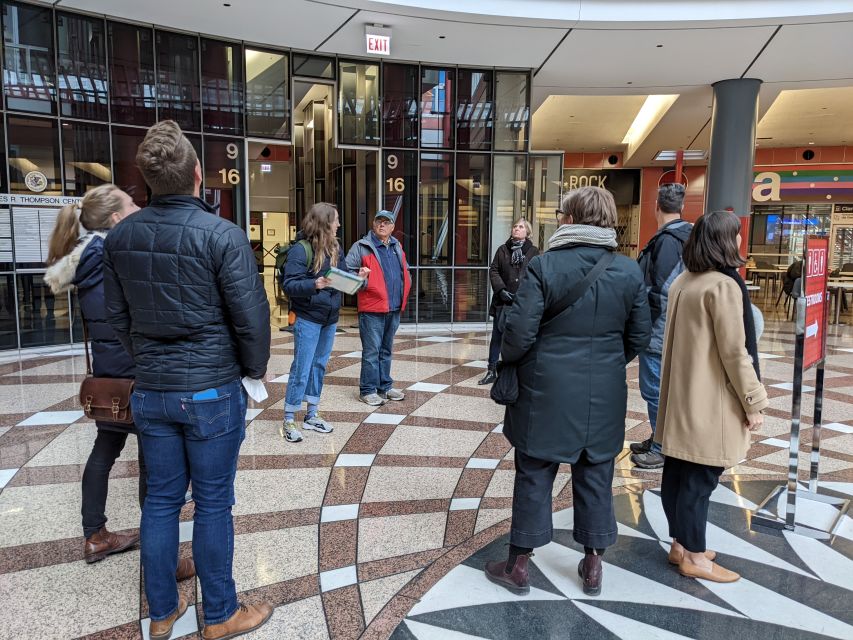
One of the most memorable aspects here is the feeling of discovery. You’re not just walking underground. You’re accessing building interiors through secret passages that can feel surprising the first time you encounter them.
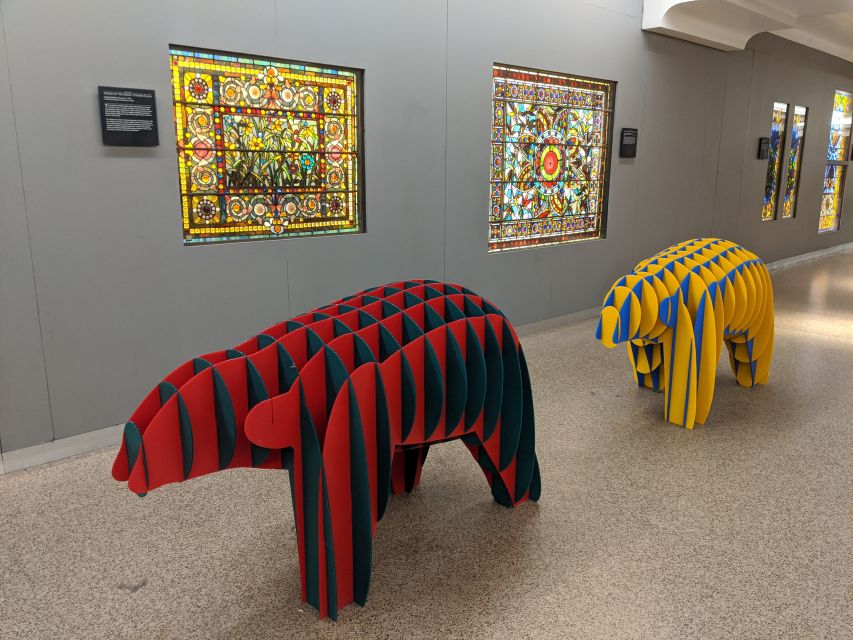
In the tour’s first portion, you’ll see hallways with stained glass and other interior moments that don’t look like they belong in a utility tunnel. There’s also mention of underground swimming pools—the kind of detail that makes you realize the Pedway isn’t only about getting from A to B. It’s about architecture, design choices, and how downtown buildings were shaped to support everyday life.
Here’s what I think is the practical takeaway. When you walk the Pedway after learning it on this tour, you start looking at the design logic. You’ll spot the visual cues that tell you what’s inside the next connection—rather than treating the Pedway like one long anonymous passage.
Also, these interiors give you a different Chicago perspective. You get architectural views that don’t require finding a ticketed museum. It’s a way to experience design moments that are part of the city’s working infrastructure. That’s why guides with strong architecture backgrounds—like Henry—tend to earn extra praise. The tour gets better when someone can explain what you’re seeing and why it was built that way.
Part Two: The newer, complicated Pedway section and why your guide matters
Once you’ve learned the basics, you move into the second phase: a newer and more complicated stretch of the Pedway that most people never find on their own.
This is where the tour stops being “interesting” and becomes “useful.” The Pedway is famous, but using it well is not instinctive. Connections can shift, staircases interrupt sightlines, and signage might not mean much until you’ve been coached on how the network functions.
Your guide becomes the map. You’ll use what you learned in the first part to navigate this trickier part of the system. That matters because the tour is designed to end with you in a strong central location. When you finish near Millennium Park, you’re not trapped underground. You’re positioned to continue exploring downtown on your own with better context for where you just traveled.
I’d call this the moment the tour earns its value. A standard walking tour might show you a handful of scenes. This one also teaches you a skill: how to move through downtown efficiently while staying mostly indoors.
Secret meanings behind Chicago public art: connecting the tunnel story to the city
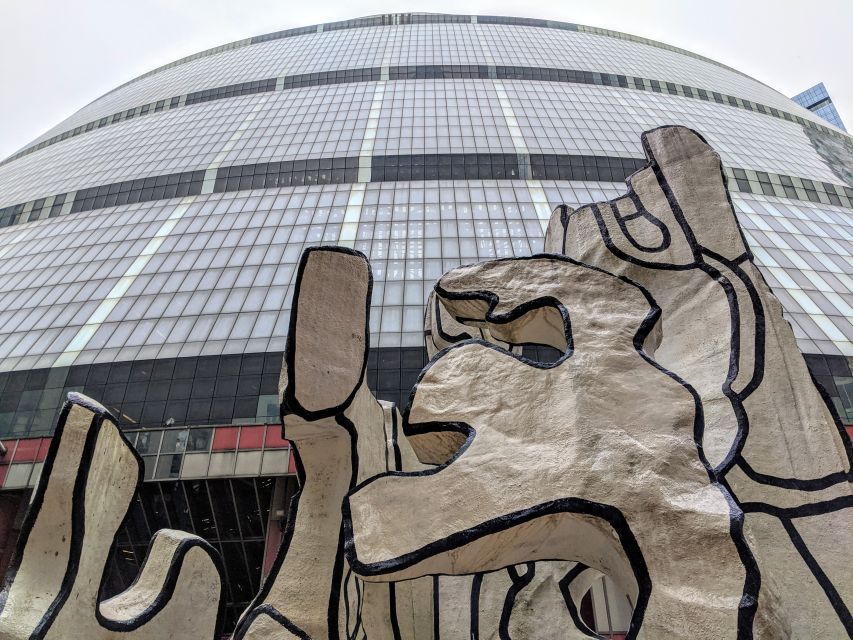
The tour doesn’t only focus on underground architecture. It also points you toward the secret meanings behind world-famous public art—and it explains why those meanings matter in the larger story of the city.
Even if you’ve walked past big pieces of Chicago art above ground, this adds another layer. You stop seeing sculptures and murals as standalone attractions. Instead, you start connecting them to design thinking, civic identity, and the way downtown is planned.
What’s smart is that this art content is tied to the “downtown secrets” theme. You’re already in an environment where ordinary people don’t typically go hunting. So it makes sense that your guide will also treat famous artwork like something you can understand with the right context.
The result is less “look at this” and more “now you know how to interpret it.” That kind of learning sticks, especially in a city like Chicago where design details are everywhere once you learn how to read them.





Price and pacing: is $35 worth two hours in Chicago?
At $35 per person for a 2-hour tour with an expert guide, the value comes from three things:
First, it’s not just a walk. You’re getting guided access to interior spaces you’d be unlikely to find on your own, plus an explanation of how the Pedway network works.
Second, you’re getting more than tunnel time. The tour combines underground movement with architectural interiors and art context. That’s a lot of “payoff” for a short window.
Third, you end near Millennium Park, so you can keep exploring immediately. That reduces the risk of picking a tour that leaves you stranded across town at the end.
The pacing also seems built to handle real groups and real questions. Many guides are praised for keeping a good walking tempo, turning gray areas of the route into meaningful moments, and staying personable. You’re not stuck in a lecture; you’re moving through the city while learning to use it.
So if your main goal is “cool architecture and some city brain,” this price is reasonable. If you hate staircases or you only want fully accessible sightseeing, then the format won’t fit well (more on that below).
Who this tour suits (and who should skip it)
This experience has a moderate level of physical activity. You’ll walk around 1.5 miles total and deal with a handful of staircases. The good news: it’s mostly indoors, so weather is less of a problem than for most Chicago walking tours. Rain or shine, you stay in the connected interior spaces as much as possible.
Still, it’s not suitable for:
- People with mobility impairments
- People who use a wheelchair
- People with claustrophobia
- People with low level of fitness
If you’re on the fence, be honest with yourself about enclosed spaces and stairs. Even though you’ll spend a lot of time indoors, the Pedway is still underground and enclosed enough that it can feel tight for some people.
If you do fit the physical comfort range, you’ll likely love it. It’s especially good for first-timers who want a fast Chicago “systems” lesson, plus architecture fans who enjoy interiors and art meanings. And it’s a strong pick in shoulder season—when Chicago weather tries to derail outdoor plans.
What to bring and how to avoid common Pedway problems
Keep it simple. Wear comfortable shoes. You’re on foot for about 2 hours and you’ll hit stairs. If you wear anything that hurts after 20 minutes, you’ll pay for it by the second half.
Beyond that, the best strategy is mental. Go in expecting the Pedway to feel a little confusing at first. That’s normal. The tour’s goal is to remove confusion by giving you navigation cues and context early.
If you get motion sick or feel stressed in tight, enclosed places, take the claustrophobia note seriously. There’s no workaround mentioned for that. This is an underground walking tour by design.
Finally, plan to use the route after the tour. The whole point is that you’ll learn how to use the Pedway so you can keep moving downtown efficiently later. If you treat it as only sightseeing, you might miss the main benefit.
Should you book the Underground Pedway and Downtown Secrets tour?
I think you should book this if you want Chicago in a way that feels different from the usual street-level hits. You get underground navigation skills, architectural interiors like stained glass corridors, and even underground surprises like swimming pools. You also get help interpreting public art instead of just looking at it.
Book it especially if:
- You’re curious about how downtown works, not just what it looks like
- You enjoy architecture explanations tied to real spaces
- You want a weather-smart activity that’s mostly indoors
Skip it if:
- You can’t handle stairs or moderate walking
- You’re claustrophobic
- You’re using a wheelchair or need full accessibility support
If you’re the type of traveler who likes learning a city’s “hidden operating system,” this tour fits that mindset perfectly.
FAQ
How long is the Chicago Underground Pedway and Downtown Secrets walking tour?
It runs for 2 hours.
Where is the meeting point for the tour?
Meet your guide in front of 120 N. LaSalle St., at the building with a giant mosaic mural over the front door.
Is the tour mostly indoors?
Yes. The tour takes place rain or shine, staying mostly indoors so you can stay warm in cold or rainy weather and cooler in hot weather.
How much walking and how many stairs should I expect?
There’s moderate physical activity with about 1.5 miles of walking and a handful of staircases.
Is this tour suitable for wheelchair users or people with mobility impairments?
No. It is not suitable for people with mobility impairments, wheelchair users, or people with low level of fitness.
Is the tour okay for claustrophobia?
No. It is not suitable for people with claustrophobia.
What should I bring?
Wear comfortable shoes.