
REVIEW · CHICAGO
Chicago: Treasures of the Golden Age Walking Tour
Book on GetYourGuide →Operated by Chicago Architecture Center · Bookable on GetYourGuide
Chicago’s Golden Age architecture hits fast. This 2-hour Loop walk strings together Michigan Avenue and State Street landmarks from the 1890s–1930s, with stops and stories from a Chicago Architecture Center–certified guide. You also get admission to Chicago Architecture Center exhibits and a big look at the Chicago Cultural Center’s Tiffany dome. Wear shoes built for a lot of pavement.
I like that the tour doesn’t treat buildings like museum props. It explains how Chicago tried to become a major cultural city after the 1893 World’s Columbian Exposition—and then shows you how that ambition shaped museums, department stores, skyscrapers, and concert halls. It’s a straightforward walk with smart context, and it’s tied to a nonprofit that funds local education.
In This Review
- Key things I’d plan around
- Entering Chicago’s Golden Age, one block at a time
- Meeting at Chicago Architecture Center and getting extra value from the exhibits
- What the city was trying to prove after 1893
- Chicago Cultural Center and the Tiffany dome stop
- Marshall Field’s (now Macy’s) on State Street: retail as architecture
- Palmer House: a restored 1920s hotel with staying power
- Burnham, Sullivan, and Holabird & Roche: architects you’ll recognize later
- The guide experience: stories, pacing, and real personalities
- What $35 buys you here, and why that matters
- Planning your day: shoes, ID, and no-stress expectations
- Should you book this Golden Age architecture tour?
- FAQ
- Where do I meet for the Chicago Treasures of the Golden Age Walking Tour?
- How long is the tour?
- What’s included in the $35 price?
- What’s not included?
- Is this tour wheelchair accessible?
- Do I need to bring anything?
- Are pets or luggage allowed?
- Will the tour run in bad weather, and can I get a refund?
Key things I’d plan around
- A focused Loop route centered on Michigan Avenue and State Street, with Golden Age (1890s–1930s) architecture
- CAC-certified guides trained by the Chicago Architecture Center, with engaging, story-driven explanations
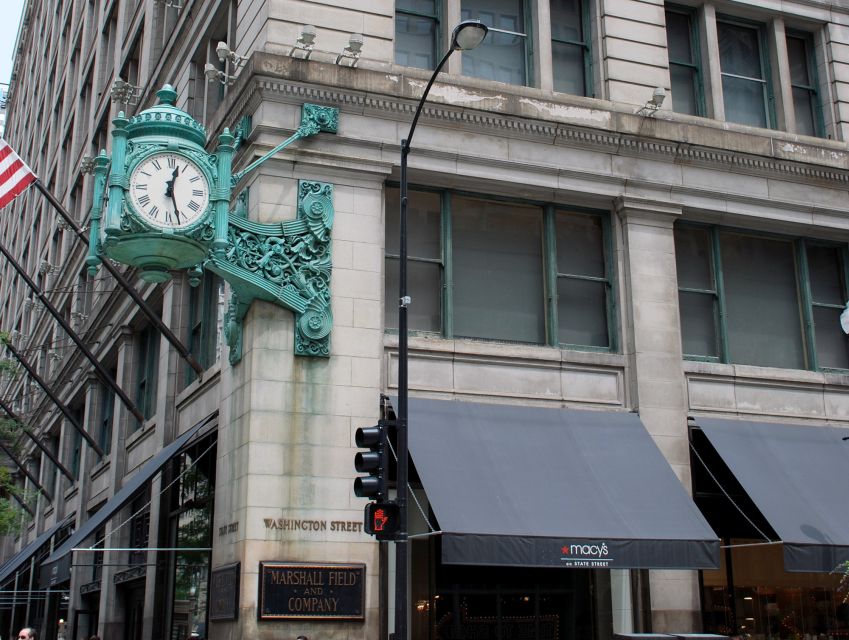
- Icon stops that you can recognize fast like the Chicago Cultural Center, Marshall Field’s (now Macy’s), and the Palmer House
- Revival styles with names you’ll actually remember like Beaux Arts, neo-Georgian, and neo-Gothic
- A peek beyond the sidewalk since you’ll see exteriors and get glimpses inside some beloved buildings
- Admission to Chicago Architecture Center Exhibits included, with your ticket supporting education programs
Entering Chicago’s Golden Age, one block at a time
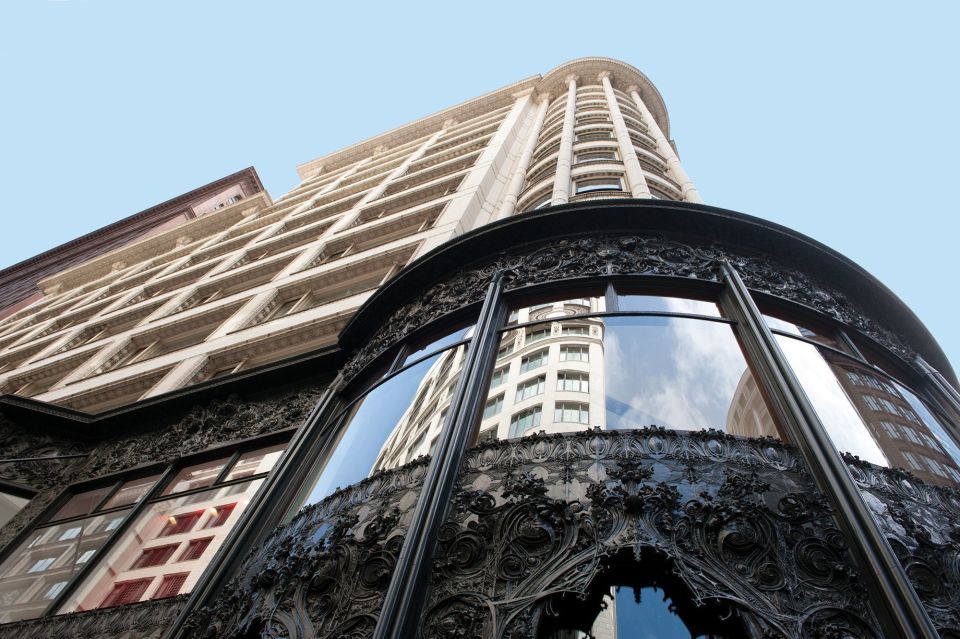
This tour works because it’s tight. Two hours is just enough time to get your bearings in the Loop and connect buildings to the bigger “why” behind them. Instead of vague wow-factor sightseeing, you’ll hear how Chicago’s architecture changed as the city gained confidence and money.
You’ll also be learning with your feet moving. That matters in Chicago. The Loop is dense, and the fastest way to understand it is to see the transitions—between department-store grandeur, civic buildings, and commercial skyscraper energy—while someone explains what you’re looking at.
Most of the architecture on this walk comes from the “Golden Age” period, roughly the late 19th and early 20th centuries. You’ll hear revival styles referenced along the way, such as Beaux Arts, neo-Georgian, and neo-Gothic. The point isn’t to memorize labels. It’s to understand why Chicago borrowed older European-looking ideas and then made them unmistakably its own.
You can also read our reviews of more walking tours in Chicago



Meeting at Chicago Architecture Center and getting extra value from the exhibits
Your check-in is inside the Chicago Architecture Center at 111 East Wacker Drive. Before the walking part begins, you’ll have admission to Chicago Architecture Center Exhibits. That’s a practical win: you’re not spending the full two hours only outside in the street canyon.
Think of the exhibits as your quick warm-up. They help you spot details faster later, like how Chicago designers used form, materials, and ornament to communicate power—whether that’s a bank-like facade, a civic gem, or a theater-scale interior.
One more value angle: this is run by the Chicago Architecture Center, a nonprofit. Ticket purchases directly support education initiatives such as Girls Build!, Teen Fellows, the Newhouse Architecture + Design Competition, and projects like Open House Chicago. So your money isn’t just buying narration—it’s feeding the next wave of programs.
What the city was trying to prove after 1893
A key theme on this tour is Chicago’s determination to become a cultural metropolis after the World’s Columbian Exposition of 1893. That exposition is more than a historical footnote here—it’s the turning point for the city’s self-image. Chicago wanted to be taken seriously as a place of art, museums, and public life, not only industry.
As you walk, you’ll connect that ambition to the buildings you see. Museums, department stores, concert halls, and major civic structures weren’t built only to function. They were built to signal status, taste, and future. You’ll also learn why many of these works used revival styles: they borrowed recognizable signals of “culture,” then translated them into something modern for Chicago.
In practical terms, this context helps you stop calling everything “pretty.” You start noticing choices: what gets ornament, what gets height, what gets symmetry, what gets drama. That turns a walk into learning you can reuse.
Chicago Cultural Center and the Tiffany dome stop
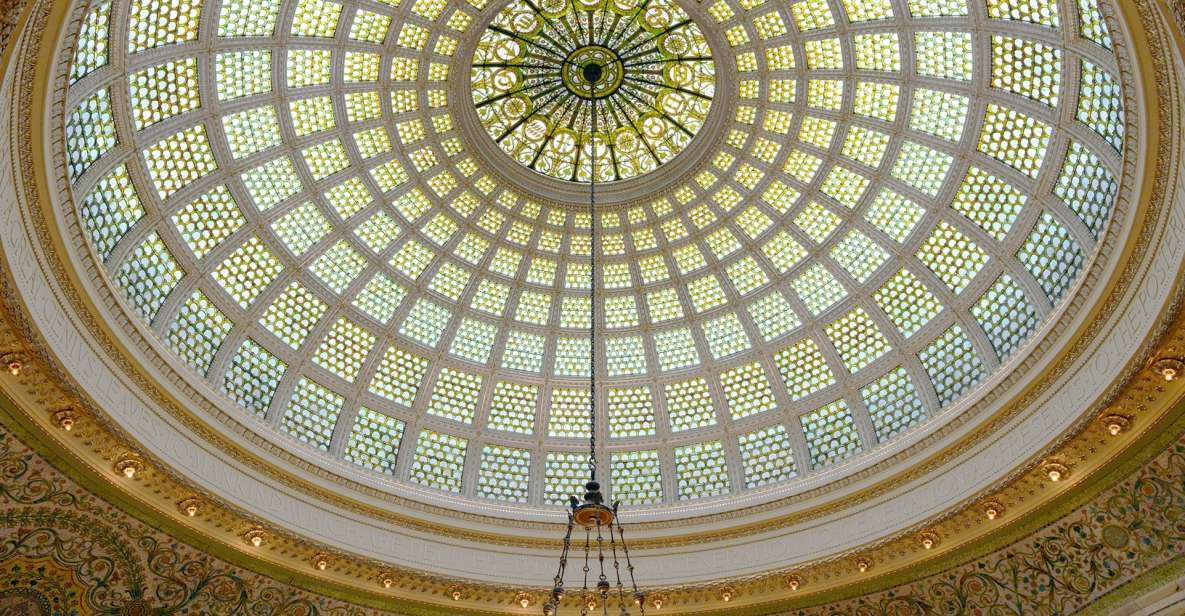
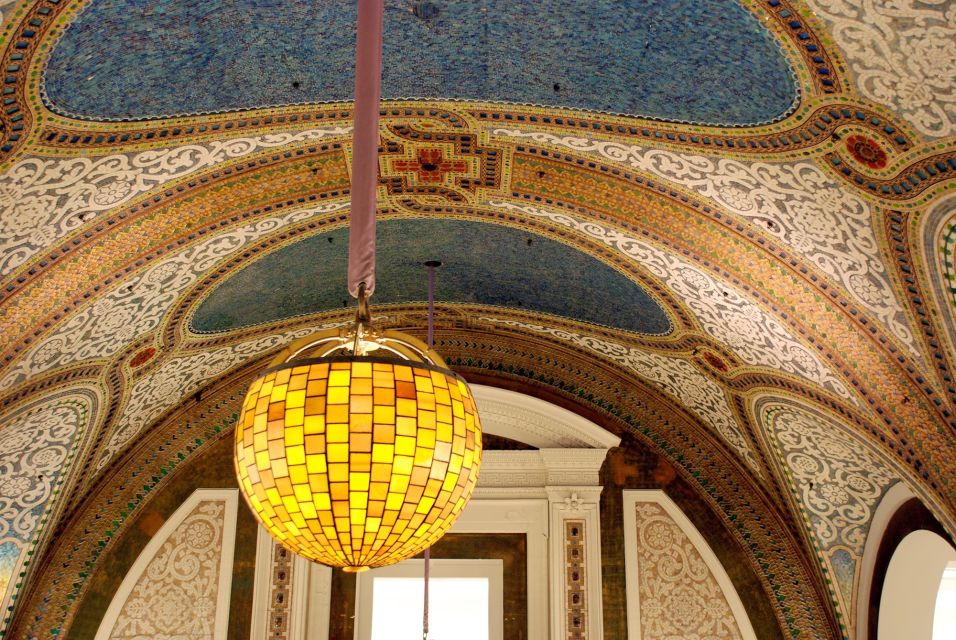
One of the tour’s standout highlights is the Chicago Cultural Center, home to the world’s largest Tiffany dome. You’ll get the kind of exterior-to-interior contrast that makes Chicago architecture click. From the outside, it’s already impressive. But the dome is the kind of feature that explains why Chicago civic buildings feel theatrical.
When you see a structure like this, you get a quick lesson in how Chicago treated culture like infrastructure. The city didn’t just build utilities. It built places meant for people to gather and feel something.
Also, because the tour is designed for both exteriors and some interior glimpses, you’ll usually get more than a photo stop. You may not have unlimited time inside every stop, but the framing is what matters: the guide connects what you’re seeing to the era’s idea of public importance.
If you’re the kind of person who likes to understand how a single detail reflects a bigger design worldview, this is where the tour starts paying off.
Marshall Field’s (now Macy’s) on State Street: retail as architecture
Another big stop is the iconic Marshall Field’s department store, now Macy’s on State. Department stores in that Golden Age era were like cathedrals for commerce. That’s why this isn’t just a shopping-story building. It’s a message building.
Here’s what you’ll likely enjoy most: the guide ties the store to the same cultural momentum you heard about after 1893. The point is that retail wasn’t just practical. It was a statement about Chicago’s sophistication and the scale of its ambition.
This stop also helps you read the Loop visually. You’ll start seeing how ornament and facade design served a purpose: they attracted attention, conveyed trust, and made shopping feel like an event. It’s also a reminder that Chicago’s architecture is often best understood as a mix—civic, commercial, and artistic all in one tight footprint.





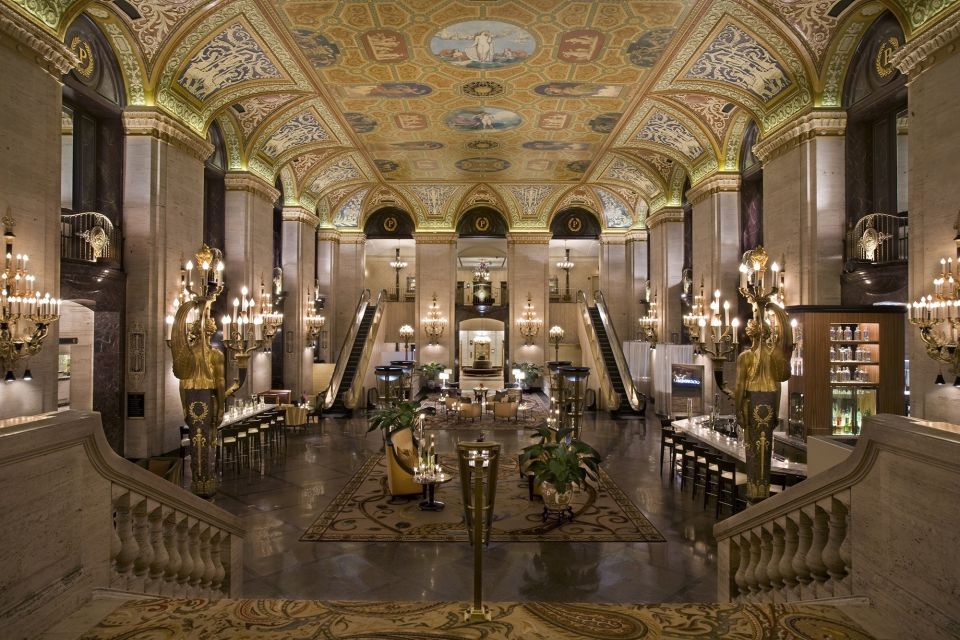
Palmer House: a restored 1920s hotel with staying power
The tour includes the Palmer House, a beautifully restored hotel from the 1920s. Hotels in the Loop are a different flavor than cultural institutions. They’re where visitors, businesspeople, and the city’s movers intersect.
That makes Palmer House a smart contrast to the dome at the Cultural Center and the department-store feel on State Street. In a short walk, you’re not only seeing different building types—you’re seeing how different eras kept building on the same core idea: Chicago wanted to host the world and show it off.
You’ll likely appreciate this stop most if you enjoy buildings that have lived through many changes. Restoration matters because it keeps the architecture readable instead of buried under modern updates. The “beautifully restored” detail isn’t marketing fluff here; it signals that you should expect a building that still communicates the style of its time.
Burnham, Sullivan, and Holabird & Roche: architects you’ll recognize later
One reason this tour feels more worthwhile than a generic “look at this building” walk is that it names the architects behind the look. You’ll hear about designs associated with Daniel Burnham, Louis Sullivan, and Holabird and Roche.
When a guide ties those names to specific features you’re seeing, it turns a skyline into a story. You stop thinking in terms of random landmarks and start thinking in design trends: form, ornamentation, and how Chicago pushed architectural ideas into the modern age.
It also helps that the walk references revival styles like Beaux Arts, neo-Georgian, and neo-Gothic. Those labels can feel abstract when you’re reading about them later. Hearing them attached to recognizable buildings makes them stick.
If you’re planning to visit more architecture spots after this, you’ll have a clearer mental map. Even if you don’t become an architecture nerd overnight, you’ll walk away speaking the language enough to enjoy other tours.
The guide experience: stories, pacing, and real personalities
The tour is led by a Chicago Architecture Center certified guide, and the feedback you’re seeing reflected in the experience is very consistent: people call out engaging storytelling and good pacing.
You’ll hear first-hand, era-based context, and it often includes how the city’s leaders and designers shaped what got built. Specific guide names show up in the kind of praise that matters. For example, Doug is mentioned as a great guide, and Ron is described as knowledgeable and approachable. John, Paul S, Dan, Jackeline, Maureen, Ingrid, Ross, Alice, Tony, Matthew, and Terry are also repeatedly praised for making the walk feel both informative and fun.
A few practical details you’ll want to know as you book:
- The tour uses a microphone system on some days, which makes it easier to hear while you pause for photos.
- You may get opportunities to go inside some buildings, including on colder days when your guide helps you warm up where possible.
- Guides also tend to handle pacing well, with enough time to look closely and ask questions.
The bottom line: you’re paying for more than facts. You’re buying a way to turn architecture into something you can actually follow.
What $35 buys you here, and why that matters
At $35, this isn’t just a “pay and wander” experience. You’re paying for:
- a 2-hour walking tour in the Loop,
- admission to Chicago Architecture Center Exhibits,
- a Chicago Architecture Center certified guide.
The value gets even better when you consider that CAC ticket purchases support education initiatives and community engagement projects. For a city as expensive as Chicago can be, that kind of nonprofit impact is real value—not just feel-good wording.
Also, the average rating is 4.8 with 206 reviews, which usually points to steady quality rather than one great week. I treat that as a signal that you’re likely to get a guide who can explain the “why” behind the buildings without turning it into a lecture.
Is $35 “cheap”? It’s not a free city walking club. But it’s also not overpriced for what you get—especially because you’re getting exhibit admission and a licensed-style training level via CAC certification.
Planning your day: shoes, ID, and no-stress expectations
This is a walking tour, so plan for real sidewalk time. You’ll want comfortable shoes. Reviews also emphasize that the walk can feel like a lot of pavement over two hours, even when the guide keeps it moving at a good pace.
Bring passport or an ID card. That’s a straightforward requirement and easy to prep for before you head into the check-in area.
A few limitations matter:
- No luggage or large bags are allowed, and there’s no secure storage for luggage or strollers.
- Coat check isn’t provided.
- Pets aren’t allowed, but service animals are welcome.
Weather is another thing to set your expectations for. The tour departs rain or shine, and there are no refunds due to weather. That doesn’t mean it’s miserable—it just means you should bring what Chicago weather demands and dress for the day you get.
One more note: the description says the tour is wheelchair accessible, but it also says it isn’t suitable for people with mobility impairments. If you’re dealing with mobility needs, don’t guess—confirm directly with the operator so you’re not stuck with the wrong plan for your body.
Should you book this Golden Age architecture tour?
Yes—if you want a fast, focused way to understand the Loop’s big design ideas without turning your day into a maze. This tour is especially good for:
- first-time Chicago visitors who want Michigan Avenue and State Street landmarks tied to clear context,
- repeat visitors who want the architecture to feel less “name-only” and more connected,
- anyone who likes the idea of seeing both exteriors and getting glimpses inside select buildings.
I’d pass or at least rethink it if you can’t handle steady walking for two hours or if you need storage for strollers or luggage. Also, if you’re expecting a long sit-down museum-style visit at each stop, this isn’t that kind of schedule.
If your goal is to leave with a sharper sense of why Chicago looks the way it does—and to carry that understanding into the rest of your trip—this is a solid buy.
FAQ
Where do I meet for the Chicago Treasures of the Golden Age Walking Tour?
You check in inside the Chicago Architecture Center at 111 East Wacker Drive, Chicago, IL 60601.
How long is the tour?
The walking tour lasts 2 hours.
What’s included in the $35 price?
The tour includes admission to Chicago Architecture Center Exhibits, the 2-hour walking tour, and a Chicago Architecture Center certified guide.
What’s not included?
Hotel pickup or drop-off, storage for luggage and strollers, and coat check are not included.
Is this tour wheelchair accessible?
The tour listing says wheelchair accessible, but it also notes it is not suitable for people with mobility impairments. If mobility is a concern, check with the operator before booking.
Do I need to bring anything?
Bring a passport or ID card.
Are pets or luggage allowed?
Pets are not allowed (service animals are welcome). Luggage or large bags are also not allowed, and there is no secure storage for luggage or strollers.
Will the tour run in bad weather, and can I get a refund?
Tours depart rain or shine, and there are no refunds due to weather. You can cancel up to 24 hours in advance for a full refund.