
REVIEW · CHICAGO
The Chicago Theatre Tour Experience
Book on GetYourGuide →Operated by Madison Square Garden Entertainment · Bookable on GetYourGuide
The Chicago Theatre is the kind of building that makes you slow down. This guided tour takes you from the theatre’s 1921 roots to the present-day auditorium—so you can appreciate why it became such a star-maker. I especially like the chance to get up close to the six-story C-H-I-C-A-G-O sign and then walk through the grand lobby and auditorium that performers have called home for decades.
Two things I really value here: you get a tight, guided look at the architecture and painted details, and you also get performer-focused moments like standing on the stage and meeting a Rockettes precision dancer. One consideration: on event days, you won’t get stage or dressing room access, so your best “walk-on-stage” moment may be limited.
In This Review
- Key highlights I’d build my schedule around
- First step inside: marquee energy and the C-H-I-C-A-G-O sign
- 1921 to today: what the guide explains in the lobby
- Painted murals and a preserved auditorium you can really study
- Standing on the Chicago Theatre stage (and when it’s limited)
- Meeting a Rockettes precision dancer: why this moment hits
- Hearing the organ: how the guide brings earlier theatre to life
- Tour flow: from skip-the-line entry to a full one-hour circuit
- Where this tour delivers the best value for $26
- Who should book this Chicago Theatre tour (and who might skip it)
- Practical FAQ before you go
- FAQ
- How much does the Chicago Theatre Tour Experience cost?
- How long is the tour?
- Where is the tour located?
- Are there different starting times?
- What’s included in the tour?
- What language is the live tour guide?
- Is the tour wheelchair accessible?
- Is there stage or dressing room access?
- What should I bring and wear?
- What is the cancellation policy?
- Should you book this tour?
Key highlights I’d build my schedule around
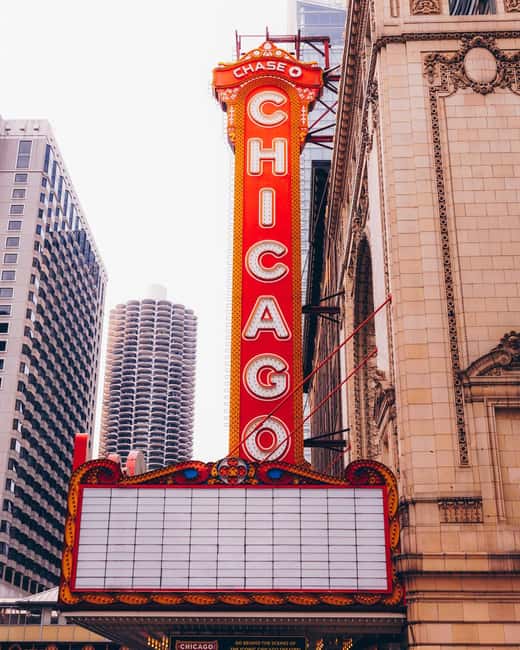
- C-H-I-C-A-G-O marquee close-up: the landmark sign plus the theatre’s grand exterior energy
- Lobby-to-auditorium walkthrough: preserved spaces and painted murals you can actually see in detail
- Stand on the stage: get a feel for performing for a large audience
- Artist signatures on display: notes of major stars like Frank Sinatra, Dean Martin, and Dolly Parton
- Meet a Rockettes precision dancer: a rare, practical look at professional stage discipline
- Organ moment: when the guide plays, it connects the room to earlier styles of entertainment
First step inside: marquee energy and the C-H-I-C-A-G-O sign
Before you even get to the big rooms, the Chicago Theatre sets the tone with its famous exterior look. The tour starts by focusing your attention on the landmark six-story C-H-I-C-A-G-O sign and marquee—those letters are so iconic that you’ll recognize them in photos, but seeing the scale in person does something different. The whole façade feels designed for spectacle, even before the curtain.
If you like architecture and theatre aesthetics, this part matters. It’s not just “take a picture.” The sign and marquee are your cue that the theatre has always been built for main-character moments—big, bold, and meant to be seen from a distance. That mindset carries you right into the building’s interior.
You can also read our reviews of more tours and experiences in Chicago.



1921 to today: what the guide explains in the lobby
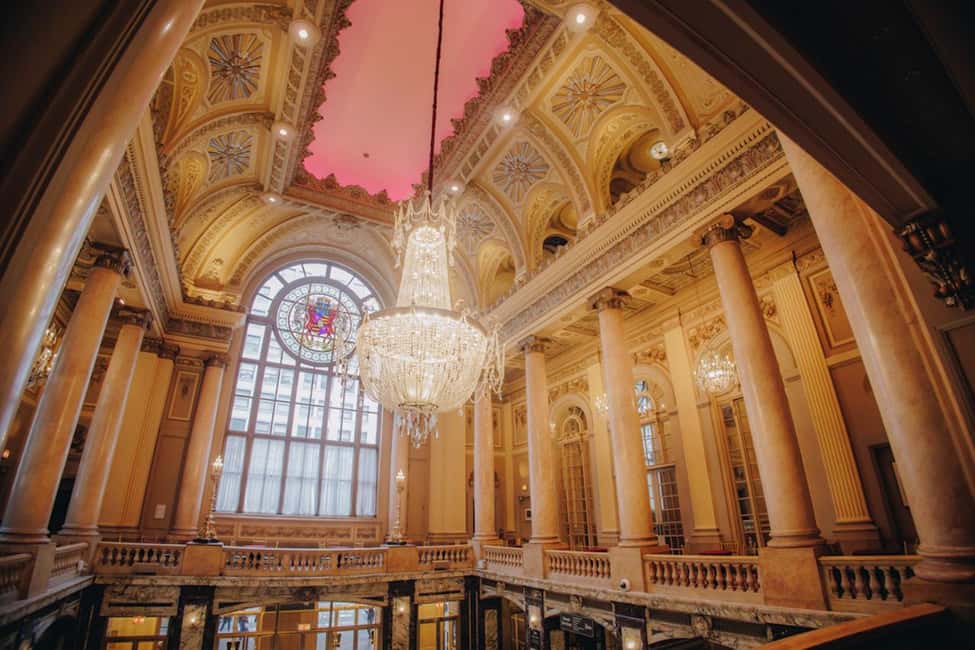
Once you’re inside, the tour keeps the story moving. You’ll travel through the theatre’s timeline, starting at its inception in 1921 and continuing to its current role as a premier entertainment venue. The guide doesn’t just list dates. They connect those dates to what you can still see: grand lobby spaces and the painted décor that survived (and was maintained) through many eras.
The lobby is where this theatre tour earns its keep for people who don’t just want pretty rooms. You’re shown how the building’s design supports performance life—where crowds move, where sightlines begin, and how the space makes a show feel like an event. Even in a relatively short tour, it helps you understand why this venue became famous enough to host top-tier acts over time.
One practical tip: bring comfortable shoes. The tour may be about an hour, but you’re walking through multiple major zones inside a public theatre building.
Painted murals and a preserved auditorium you can really study
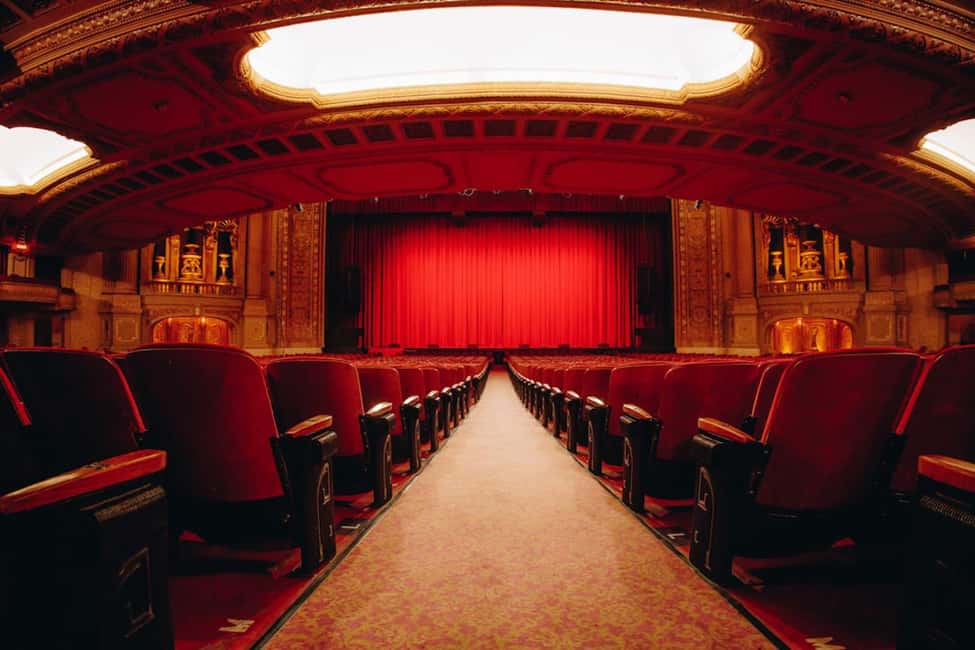
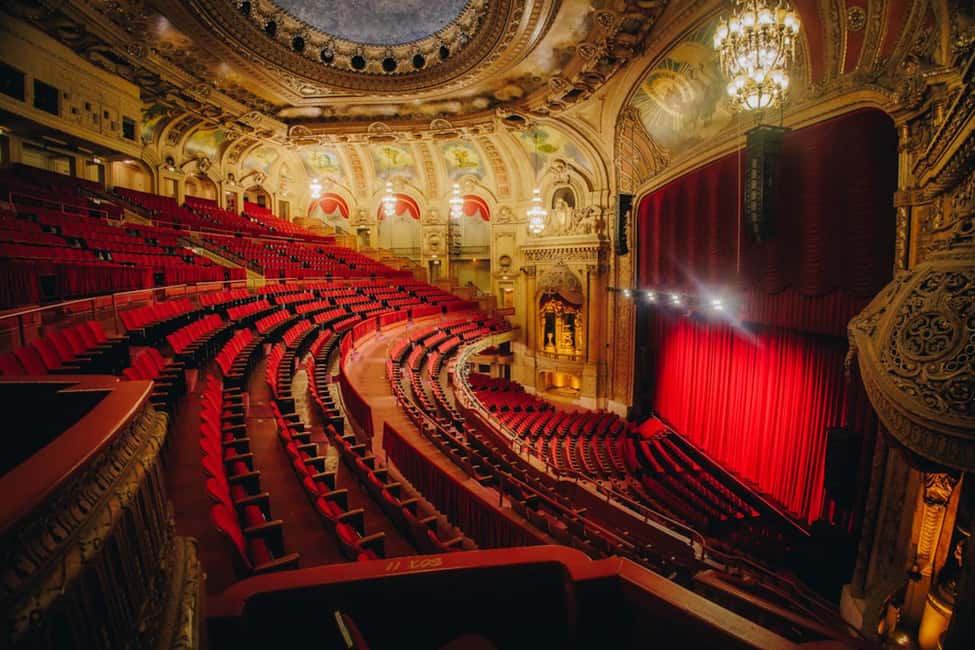
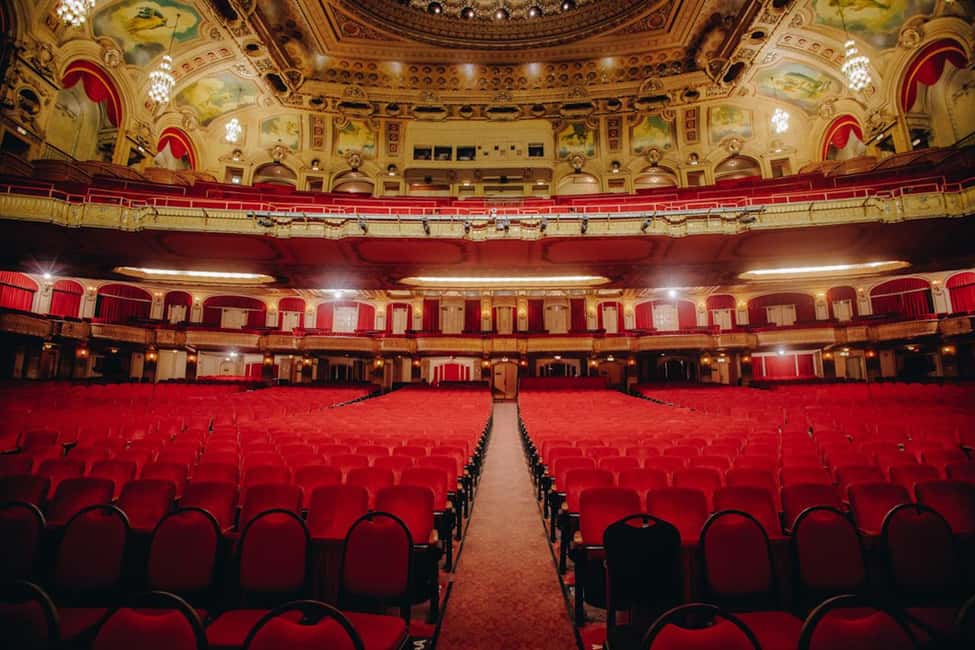
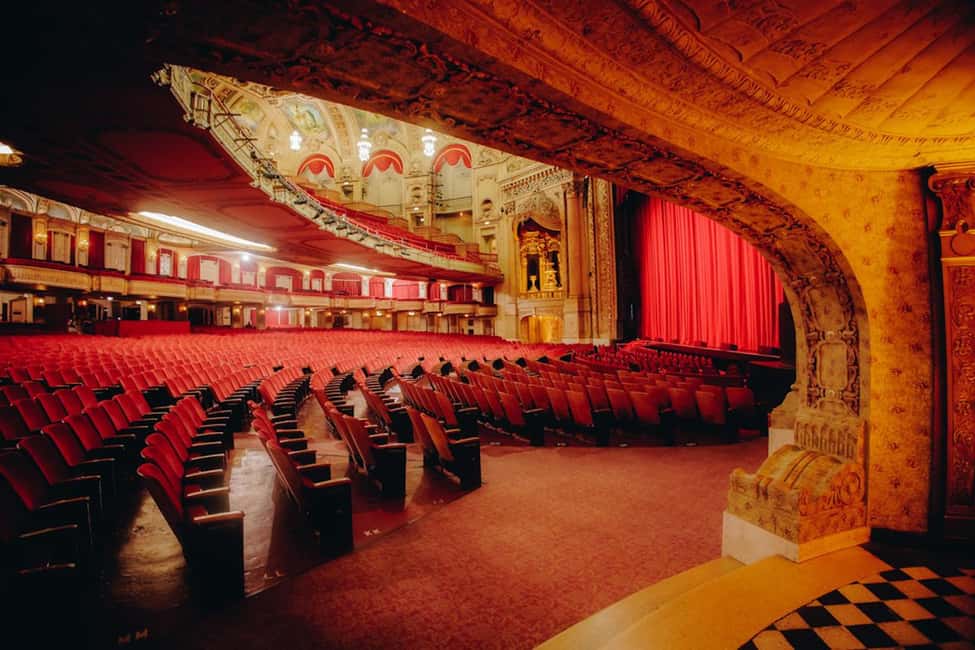
Next comes the auditorium, and this is the “wow, that’s actually detailed” stop. You’ll get to marvel at the beautifully preserved architecture and painted murals in a way that’s hard to replicate from your seat. Lighting, scale, and decorative elements look different once you’re walking and being guided through them.
What I like about this section is that it’s designed to change your perspective. You’re not just looking at a room; you’re learning how that room shapes what an audience experiences. That matters if you’re into performance arts, because theatre design is basically storytelling with materials—angles, surfaces, and finishes all do their jobs.
And because this is a guided experience, you’ll get context for things that otherwise might feel random. Instead of wondering why a detail exists, you can understand how it ties to the theatre’s identity.
Standing on the Chicago Theatre stage (and when it’s limited)
One of the most memorable parts is the chance to stand on the iconic Chicago Theatre stage. The tour is built around the idea of empathy: you get to feel what it might be like to perform for a large audience—less “tourist photos” and more “what’s it like to be on that side?”
From there, you’ll also discover artist signatures displayed in the theatre. The tour specifically calls out signatures connected to major stars like Frank Sinatra, Dean Martin, and Dolly Parton. That’s a fun stop because it turns the theatre from a beautiful building into a timeline you can touch.
Here’s the key consideration, and it’s spelled out for a reason: there is no stage or dressing room access on event days. So if your main goal is the full stage-and-dressing-room feeling, check the timing you book. If your date happens to line up with a performance inside the building, your access may be limited.
Meeting a Rockettes precision dancer: why this moment hits
The highlight people talk about most isn’t just the décor—it’s the human element. This tour includes the chance to meet one of the theatre’s famous precision dancers from the Rockettes.
Even if you’re not a die-hard fan of the Rockettes, this part adds meaning. It gives you a performer’s lens on the stage you’re seeing. You start to think about discipline, rehearsal habits, and the reality of working in a space built to frame large crowds. It’s also a nice reminder that this theatre isn’t a museum. It’s a workplace for professionals.
If you’re traveling with someone who loves dance or stage performance—this is the stop that often converts “I’m here for photos” into genuine enthusiasm.





Hearing the organ: how the guide brings earlier theatre to life
Another standout element from the experience details is the theatre’s organ. Some tours include a guide who demonstrates it, and when that happens, the sound changes how you read the room.
In earlier eras, organs were tied to silent film accompaniments and other forms of live entertainment. Hearing the organ in a theatre like this creates a clear mental bridge between then and now: the décor is the same kind of stage-world you see today, but the performance style evolves.
I recommend using that moment actively. Listen for how the sound fills the space and how it connects with the room’s design. Even if you’re not a music person, it helps you understand why theatres invested so heavily in instruments and acoustics.
Tour flow: from skip-the-line entry to a full one-hour circuit
This is designed to be efficient. You get a guided tour in English, and the experience also includes skipping the ticket line. That matters in a busy city like Chicago, because it prevents your “theatre time” from getting eaten by waiting outdoors or at entrances.
The duration is about 1 hour, and you should check availability for starting times. Just know that the tour can take up to 75 minutes, and tour content can shift depending on what’s happening in the building.
So here’s how I’d plan it for a smooth day: treat it like a focused “theatre orientation” that you pair with nearby sights before or after. Because it’s short, it works well as either a morning activity or an afternoon reset—especially if your itinerary includes shows later.
Where this tour delivers the best value for $26
At $26 per person for about an hour, the value comes from what’s included—not just the building’s look. You’re paying for a live guide, skip-the-line entry, and a structured walkthrough that hits both the big visuals (marquee, murals, auditorium) and the performance-oriented moments (stage time when available, meeting a Rockettes precision dancer, and artist signatures).
The “stage” component is the real cost-justifier. Many architecture tours show you buildings from outside or from public viewing areas. Here, the format is built around the performer side of theatre—the side most people never see. When stage access is available, you’re getting a true inside-the-spotlight experience.
If your top priorities are:
- theatre design and symbolism,
- star-related details (signatures),
- and at least one “performer” moment,
then this price is easier to justify.
If you’re looking for a long, classroom-style history lecture, you might wish for more time. But the pacing here is meant to keep it engaging and to land the major highlights in one hour.
Who should book this Chicago Theatre tour (and who might skip it)
This tour fits best if you like:
- classic theatre buildings and interior décor,
- behind-the-scenes style storytelling (without needing a technical background),
- show-business nostalgia and star signatures,
- and a bit of “performer perspective” via the Rockettes dancer meeting.
It also makes sense for couples, families with kids who can handle an hour of walking, and anyone doing a Chicago culture day who wants something more meaningful than a quick photo stop.
You might want to choose your date carefully if your main goal is stage or dressing room access. On event days, that’s not available. If your schedule is flexible, picking a time that’s less likely to clash with performances can help you get the full stage experience.
Practical FAQ before you go
FAQ
How much does the Chicago Theatre Tour Experience cost?
The Chicago Theatre Tour Experience costs $26 per person.
How long is the tour?
The tour lasts about 1 hour. Some tours can take up to 75 minutes.
Where is the tour located?
It takes place in Illinois, United States at the Chicago Theatre.
Are there different starting times?
Yes. Starting times vary, so you’ll need to check availability for your preferred time.
What’s included in the tour?
You’ll get a guided tour of the Chicago Theatre. The tour also includes skipping the ticket line.
What language is the live tour guide?
The live tour guide is English.
Is the tour wheelchair accessible?
Yes, the tour is wheelchair accessible.
Is there stage or dressing room access?
There is stage access as part of the experience, but there is no stage or dressing room access on event days.
What should I bring and wear?
Wear comfortable shoes, since you’ll be walking through the theatre.
What is the cancellation policy?
The activity is non-refundable.
Should you book this tour?
If you want a fast, guided way to see one of Chicago’s most recognizable theatre spaces and you care about the performer side of the story, I’d book it. The combination of interior architecture, marquee-and-sign views, stage time when available, artist signatures, and the Rockettes precision dancer meeting gives you more than a basic walkthrough for the $26 price.
If your date lines up with an event in the theatre and you’re specifically chasing stage or dressing room access, you should plan with that limitation in mind. For everyone else, this is a strong “one-hour theatre day” that makes the Chicago Theatre feel real—not just impressive.