REVIEW · CHICAGO
Chicago Walking Tour: The Magnificent Mile
Book on Viator →Operated by Chicago Architecture Center · Bookable on Viator
If you love cities, this one is built to be walked. A guided Magnificent Mile stroll turns famous facades into a clear story you can follow block by block. It’s also small-group enough that you won’t get lost in the noise.
I especially like how close you get to the architecture compared with riding around in a car, and I like that the tour pairs street sights with time at the Chicago Architecture Center. You’ll see major names such as the Wrigley Building, John Hancock Center-era landmark views, and the Tribune Tower renovation context, without needing a map app that eats your battery.
One thing to consider: you’re outside for most of the experience, and access to any building interiors mentioned in the flow can change with weekend/holiday schedules or unexpected closures. If you’re aiming for indoor-only sightseeing, plan to be flexible.
In This Review
- Key highlights at a glance
- Starting at the Chicago Architecture Center makes the Magnificent Mile make sense
- Small-group walking tour rhythm: 1 hour 30 minutes, capped at 10
- Stop-by-stop on Michigan Avenue: the icons you’ll actually spot
- The Magnificent Mile: history and architecture tied to what you see
- Michigan Avenue (DuSable) Bridge viewpoints for city-scale perspective
- Starbucks Reserve Roastery: a modern landmark moment on a historic corridor
- Wrigley Building: classic Chicago presence on Michigan Avenue
- InterContinental Chicago: hotel grandeur in a city of details
- Burberry store on Michigan Avenue: retail architecture as a street signal
- 875 N Michigan Avenue: the John Hancock Center-era landmark view
- Women’s Athletic Club: a classic Chicago institution on the route
- Tribune Tower: the newly renovated landmark you’ll notice is still evolving
- What the narration gives you: architecture context you can carry all day
- Pace, photos, and comfort: how to make 90 minutes work for you
- Price and value: is $35 worth it?
- Who this Magnificent Mile walk suits best
- Should you book the Chicago Magnificent Mile walking tour?
- FAQ
- How long is the Magnificent Mile walking tour?
- Where do I meet the guide?
- What is included in the ticket price?
- What should I bring for the walk?
- Can I enter the interiors of the buildings shown?
- What is the cancellation policy?
Key highlights at a glance
- Small group cap (10 people) keeps the walk interactive and question-friendly
- Chicago Architecture Center galleries included so you can keep the story going after the street walk
- 90-minute pace gives you time for photos without dragging you through the whole city
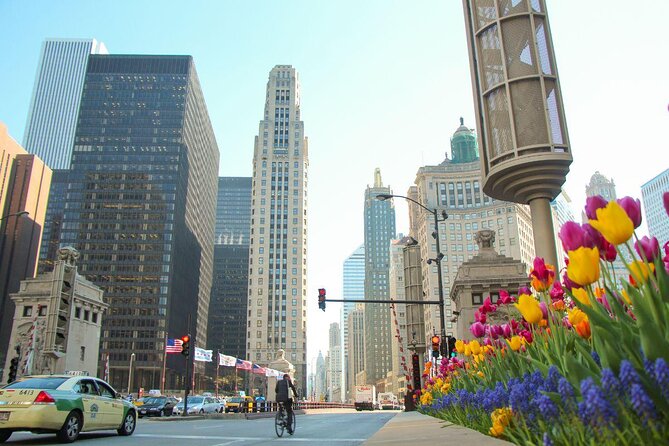
- Icon stops on Michigan Avenue including Wrigley Building, John Hancock Center landmark, and Tribune Tower
- Certified, professional narration that connects street-level views to architectural context
Starting at the Chicago Architecture Center makes the Magnificent Mile make sense
Meeting at the Chicago Architecture Center puts you in the right mindset fast. Instead of just collecting photos of big names on Michigan Avenue, you start with the city’s architecture lens already turned on. That matters because the Magnificent Mile is more than a shopping strip; it’s a showcase of how Chicago shaped modern building style and city identity.
Admission to the Galleries of the Chicago Architecture Center is included. So when the tour ends back at the meeting point, you’re not stuck with a single 90-minute memory. You can extend the experience in a way that’s calm and indoor, and it’s a handy way to learn more after you’ve seen the buildings from the street.
You can also read our reviews of more walking tours in Chicago



Small-group walking tour rhythm: 1 hour 30 minutes, capped at 10
This tour runs about 1 hour 30 minutes. That’s a sweet spot for walking tours in Chicago because you get real sidewalk time, but you’re not committing to an all-afternoon marathon. It also means you can layer this onto a broader day: museums earlier, the lakefront later, or dinner once you’ve had your architecture fix.
The group is capped at 10 travelers, which you’ll feel quickly. Smaller groups tend to move at a human pace, and you can ask follow-up questions instead of shouting into a crowd. If you’re traveling solo or you’re the kind of person who likes details, this setup usually fits better than a large group bus-style tour.
Stop-by-stop on Michigan Avenue: the icons you’ll actually spot
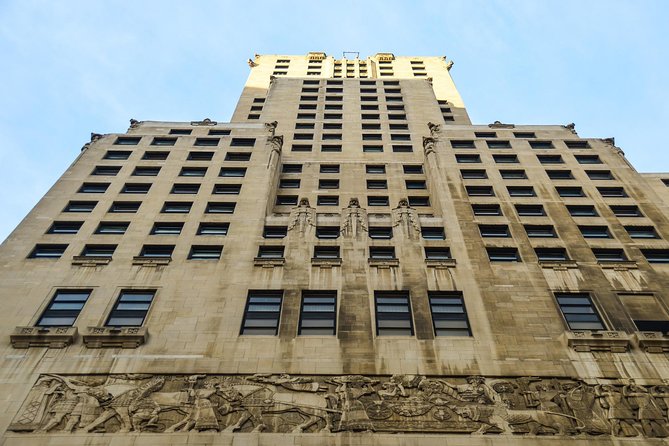
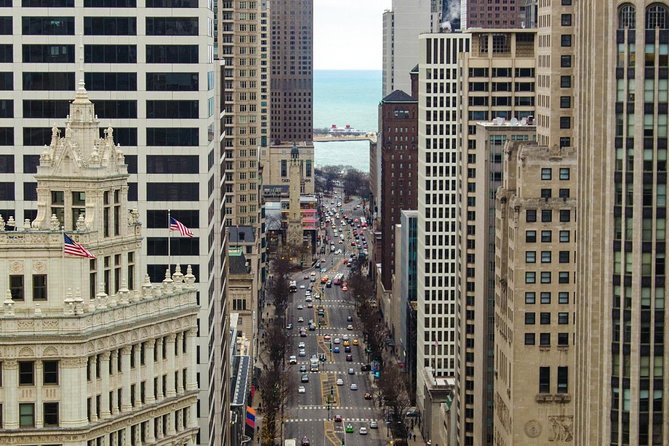
The tour focuses on the Magnificent Mile itself—what shaped it, and how the notable buildings along it fit the bigger architectural picture. You’ll pause at multiple locations and look up close enough to notice design differences that you’d miss if you only glance from a distance.
Here’s what you can expect as you work your way along the street:
The Magnificent Mile: history and architecture tied to what you see
You’ll start with a discussion of the Magnificent Mile and how the surrounding buildings came to be part of Chicago’s story. Expect your guide to connect architecture choices to the street’s identity, so when you later see a particular facade or skyline view, you know what you’re looking at beyond the postcard version.
This first stop is also useful because it gives you a framework. After that, every later stop feels like a chapter instead of random stops with names.
Michigan Avenue (DuSable) Bridge viewpoints for city-scale perspective
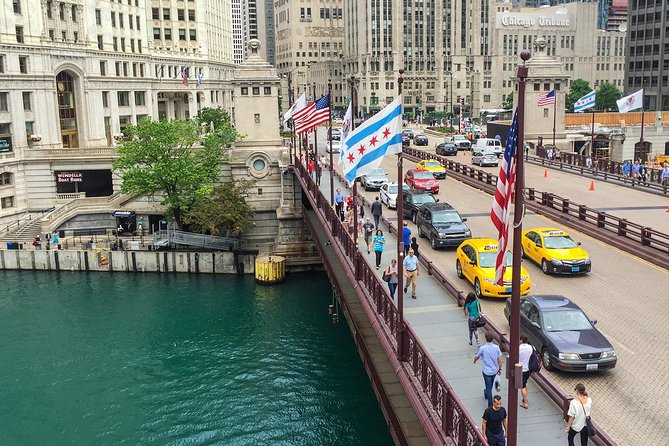
A pause for the Michigan Avenue (DuSable) Bridge offers a change in angle. Even if you’ve seen photos online, viewing it while someone explains context helps your eyes orient to how the city is organized. You’re not just looking at a bridge—you’re learning how the Magnificent Mile sits inside Chicago’s broader connections.
Photo tip: bring your eyes up. Bridges and skyline views reward a higher camera angle than you’d use for street-level storefront shots.



Starbucks Reserve Roastery: a modern landmark moment on a historic corridor
You’ll stop at the Starbucks Reserve Roastery on Michigan Avenue. Even if you don’t care about coffee culture, it works as a marker of how the street evolves. It’s a reminder that the Magnificent Mile keeps changing while still carrying an architectural personality.
For some people, this stop is a fun break because it feels more contemporary. For others, it’s a contrast point: old styles and big architecture names next to today’s retail branding.
Wrigley Building: classic Chicago presence on Michigan Avenue
You’ll also get a view of the Wrigley Building. This is one of those stops where it helps to see the building at street level, not from a faraway skyline photo. Your guide’s narration ties it back to what made Chicago architecture recognizable in the first place.
If you’re an architecture first-timer, this is the kind of stop that clicks. You start noticing how buildings communicate with the street—through materials, proportions, and the way the facade is composed.
InterContinental Chicago: hotel grandeur in a city of details
The tour includes a viewpoint of the InterContinental Chicago. Hotels on major avenues are often architectural showpieces, and this stop fits that pattern. You’ll get context for how landmark buildings become part of city navigation and identity.
This one is a good moment to slow down and look for the small things your phone screen can hide. Corners, edges, and the rhythm of windows often tell you more than a single wide view.
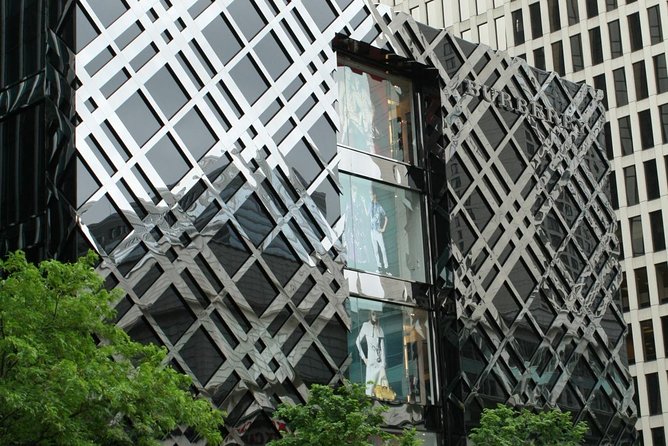
Burberry store on Michigan Avenue: retail architecture as a street signal
Stopping at the Burberry store gives you another perspective: the Magnificent Mile isn’t only about older landmark architecture. It also reflects how major brands shape what visitors experience at eye level.
If you’re into urban design, this stop can be surprisingly useful. It shows how the street balances spectacle and function—something you can only really judge by standing on the sidewalk.
875 N Michigan Avenue: the John Hancock Center-era landmark view
You’ll view 875 N Michigan Avenue, formerly known as the John Hancock Center. This is one of the big “skyline” moments on the route, and it’s worth paying attention to how it frames the surrounding buildings.
Even if you’ve seen it from afar, the streetside view is different. Your guide’s narration helps you understand why this kind of landmark becomes a visual anchor for the whole avenue.
Women’s Athletic Club: a classic Chicago institution on the route
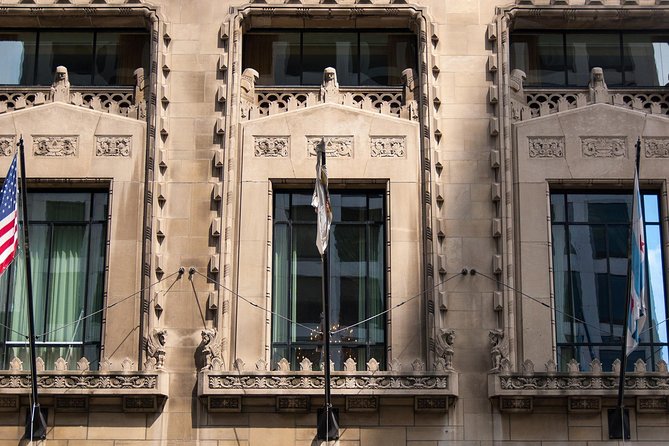
The tour includes a viewpoint of the Women’s Athletic Club. On a walking tour like this, these institutional stops matter because they add variety beyond office towers and famous facades. They show how Chicago’s city life has always mixed business, community, and architecture.
It’s also a great “pause” stop. After multiple commercial landmark views, the institutional feel can reset your attention to the building’s character and presence.
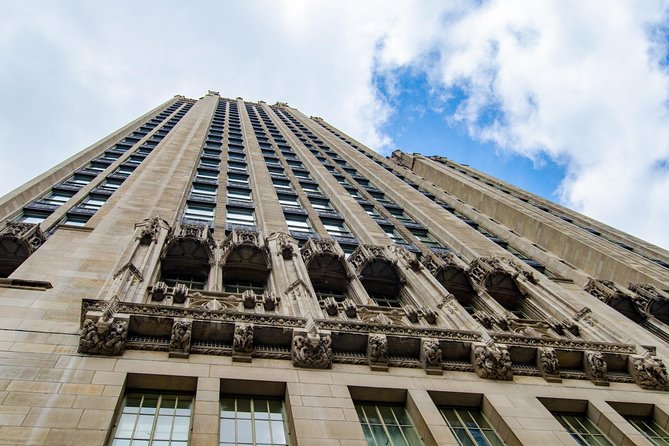
Tribune Tower: the newly renovated landmark you’ll notice is still evolving
The last major stop highlights the Tribune Tower and mentions its newly renovated status. That focus on renovation is important on the Magnificent Mile because it reminds you that historic buildings aren’t frozen in time. They keep adapting, which is a big part of how cities stay alive.
If you love seeing transformation—how design choices survive and get updated—this stop lands well. It’s a practical reminder that architecture includes what comes after construction, not only what was originally built.
What the narration gives you: architecture context you can carry all day
One of the best parts of this style of tour is how it changes your scanning habits. After the guide connects building names to architectural ideas, you start looking for patterns on your own. You’ll notice how different styles behave on the same street and how the city’s ambition shows up in materials, scale, and composition.
The narration also helps you spot landmarks that most visitors overlook. That might sound minor, but it’s the whole point of a guided walk. You’re not just learning where the big names are—you’re learning how to see the street like a Chicagoan.
Also, the tone tends to be friendly and approachable. A guide named Tim was specifically called out for being kind and fun while still delivering a lot of history. That combination matters on a walking tour—otherwise you just get facts dumped at you.
Pace, photos, and comfort: how to make 90 minutes work for you
Because this is a walking experience, comfort makes a big difference. Wear shoes you’d use for an afternoon in the city, not sandals with regret. You’ll likely take photos at several stops, and Michigan Avenue can be crowded at peak times, so a steady walking pace helps.
Here’s how I’d plan your timing:
- Pair it with other nearby sights in the Chicago Architecture Center area before or after, since you start and end there.
- Leave a little buffer for photos and quick glances, because street-level architecture is worth slowing down for.
If you’re bringing a bag, keep it minimal. Storage for luggage and strollers isn’t included, and there’s no coat check. The better your carry situation, the more you’ll enjoy the walk.
Price and value: is $35 worth it?
At $35 per person for about 1 hour 30 minutes, this tour is priced like a “smart add-on” rather than a full-day experience. What makes the value feel stronger is that admission to the Galleries of the Chicago Architecture Center is included. So you’re not paying for only the sidewalk talk—you’re also paying for the indoor continuation.
This is also one of those tours where small-group format changes the math. With a cap at 10 travelers, you get more personal interaction than you would with a larger crowd. If you enjoy asking questions, that interaction can easily justify the cost.
One more practical point: the tour is usually booked about 17 days in advance on average. If you’re traveling in a busy season or want a specific day/time, I’d book ahead so you don’t end up scrambling.
Who this Magnificent Mile walk suits best
This tour fits especially well if you:
- Want an easy, structured way to learn the Magnificent Mile without a car
- Prefer small groups and a guide who can explain what you’re seeing
- Like major Chicago names, but also want to understand how they connect to the city’s architectural story
- Appreciate mixing street viewpoints with indoor learning at the Chicago Architecture Center
It can also work for first-timers who don’t know Chicago architecture yet. The guide narration helps you build quick context, so you don’t feel like you’re just standing in front of buildings while learning nothing.
If you’re already a serious architecture expert, you might still enjoy it for the route-specific focus and the focused lineup of landmarks. But you’ll want to keep expectations realistic for a 90-minute walking format.
Should you book the Chicago Magnificent Mile walking tour?
I think it’s a strong choice if you want a high-value, low-effort way to experience Chicago architecture on foot. The combination of a small-group walk along Michigan Avenue plus Chicago Architecture Center gallery admission makes the experience feel complete instead of chopped into two separate things.
Book it if you want: a friendly, professional guide; major Magnificent Mile landmarks; and a route that helps you see more than just the biggest signs. Skip it only if you’re determined to spend most of your time indoors or you need building interior access guaranteed, since entry to interiors can change based on schedules and closures.
FAQ
How long is the Magnificent Mile walking tour?
The tour runs about 1 hour 30 minutes.
Where do I meet the guide?
You meet at the Chicago Architecture Center, 111 E Wacker Dr, Chicago, IL 60601.
What is included in the ticket price?
Admission to the Galleries of the Chicago Architecture Center is included, along with narration by a professional guide and the walking tour of the Magnificent Mile.
What should I bring for the walk?
Plan for time outdoors on Michigan Avenue. Also note that food and drink, storage for luggage and strollers, and coat check are not included.
Can I enter the interiors of the buildings shown?
Access to building interiors featured on the tour may be subject to change without notice due to weekend and holiday schedules or unforeseen closures.
What is the cancellation policy?
You can cancel for a full refund up to 24 hours in advance of the experience start time. If you cancel less than 24 hours before, the amount paid won’t be refunded.