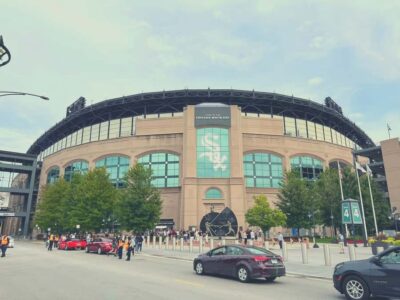
REVIEW · CHICAGO
American Writers Museum Admission Ticket
Book on Viator →Operated by American Writers Museum · Bookable on Viator
Writers’ lives come alive in Chicago. I love the hands-on exhibits that make literature feel physical, from writer’s room tools to playful learning games, and I like how it connects authors to places and communities. One thing to consider: the museum packs a lot into a smaller footprint, so if you hate information overload, you’ll want a simple route and a timer.
This is a newer Chicago highlight for a reason. The experience is direct, visual, and tactile, with standout moments like vintage typewriters you can use and quiet, low-crowd visits when you catch the right time of day. Also, if you get lucky with programming, you may run into author events such as readings by Ziggy and Orly Marley, including a chance to meet them and get a signed book.
With a $16 ticket and a free bookmark gift, it’s an easy value play for an afternoon or a rainy-day plan. The museum also offers a complimentary guided tour at 3pm daily (when open), which helps you get oriented fast without needing to figure it all out alone. You can pick an entry time and plan around a 1 to 5 hour visit, depending on how slow you want to go.
In This Review
- Key things that make this museum worth your time
- American Writers Museum Chicago: a literature museum that moves
- Price and logistics: $16 that’s easy to justify
- Your visit plan: how long to stay and how to pace it
- Step inside: Writers Hall and the hometown connection
- A Nation of Writers: American voices across history and genres
- The Mind of a Writer: games that teach how writing works
- Wintrust Chicago Gallery: local influence you can actually point to
- A temporary stop: My America on immigrant and refugee writers
- Tools of the Trade and the Roberta Rubin Writer’s Room
- The 3pm guided tour: the shortcut to making sense of it all
- Who this museum suits best
- A simple route for a 1- to 2-hour visit
- A slower route for 3 to 5 hours
- Should you book the American Writers Museum?
- FAQ
- How much is the American Writers Museum admission ticket?
- What’s the typical length of the visit?
- Is there a guided tour included?
- Is the ticket a mobile ticket?
- Is parking included?
- What are the opening hours?
- Is the museum accessible for visitors with mobility needs?
- Do students qualify for a reduced rate?
- Can I cancel and get a refund?
Key things that make this museum worth your time
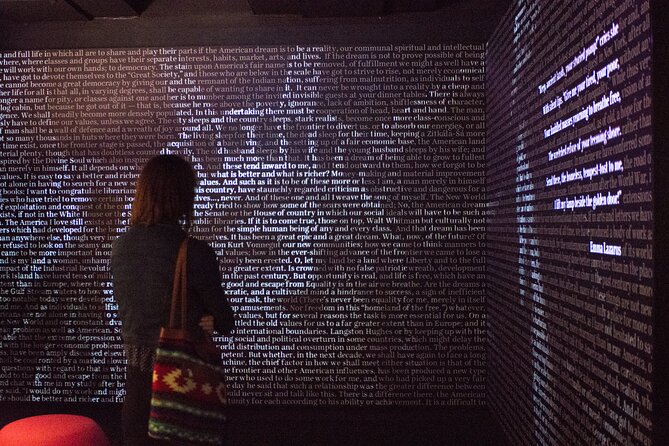
Writers Hall ties authors to hometown stories and affiliated homes
The Mind of a Writer uses games and interactive prompts to teach craft
The Tools of the Trade exhibit connects major authors to the methods behind the work
Roberta Rubin Writer’s Room focuses on writing tools you can learn from
Wintrust Chicago Gallery spotlights Chicago’s literary influence and groups
My America changes with a temporary exhibit on immigrant and refugee writers
American Writers Museum Chicago: a literature museum that moves
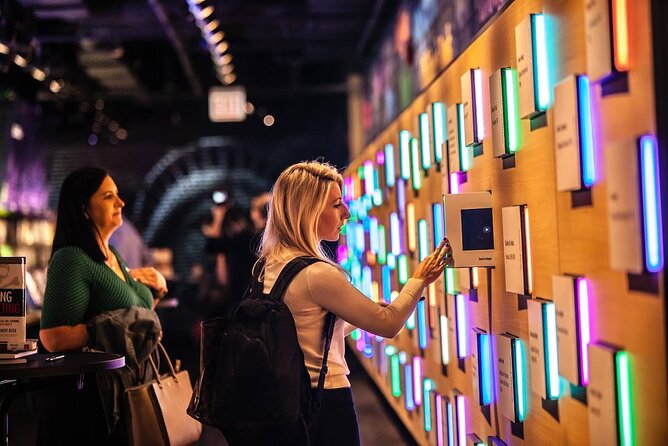
The American Writers Museum is built for people who love books and people who don’t always know what to do with museums. Instead of treating literature like a dusty hallway of names, it turns writing into a set of choices: viewpoint, audience, genre, and craft. You’ll spend time on stories you already know and also meet writers you might not have encountered yet.
The best part is the museum’s mix of visual explanations and do-it-yourself moments. Even when you’re reading about the work, you’re still doing something with it. That’s why it works well if you’re traveling with mixed interests, like a book lover plus someone who usually gets bored by “just displays.”
You also get a strong sense of America as a writing country: not one voice, but many voices over time, across genres and mediums. If you like learning how ideas spread and evolve, the structure is satisfying.
You can also read our reviews of more tours and experiences in Chicago



Price and logistics: $16 that’s easy to justify
The ticket price is $16 per person, and it’s simple to buy in advance. You pick an entry time and a visit duration, and you get a mobile ticket, which means less hassle once you’re in Chicago.
For me, the value angle is this: you’re paying for a full museum experience with interactive exhibits, multiple themed galleries, and at least one chance for a guided component. A lot of writing-focused experiences cost more and still feel like a lecture. Here, you get learning you can touch.
A practical heads-up: parking isn’t included. Plan to use public transit or other nearby options so you’re not stressed about where to leave the car.
Your visit plan: how long to stay and how to pace it
Most people handle this museum in about 1 to 5 hours, which is a huge range, and it’s a good thing. If you’re fast-moving and selective, you can do the main highlights. If you’re a slow reader and you like hands-on learning, you’ll naturally stretch it out.
Here’s how I’d pace it so it doesn’t feel like too much:
- Start with the areas that give you the museum’s big picture first.
- Then choose one deeper section to linger in, like the writer’s room tools or the Chicago-focused gallery.
- Save the temporary exhibit for last, so it doesn’t steal your energy early.
Also, the museum caps group size at a maximum of 50 for the tour/activity format. That matters because it usually means you can get around without constant funneling, and staff can still keep an eye on interactive spaces.
Step inside: Writers Hall and the hometown connection
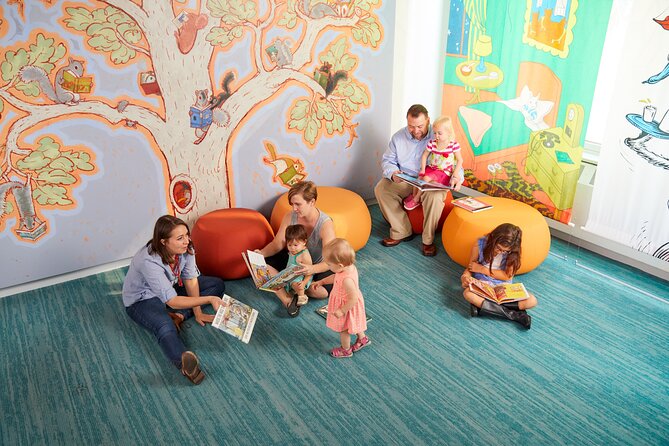
Writers Hall is where the museum earns your attention quickly. You explore writers’ hometowns and learn about the museum’s affiliate homes—the idea that places matter when you’re tracing how a voice develops.
This section is smart for visitors who get stuck on dates. Instead of just thinking about when someone lived, you’ll think about where their story began. That’s a more human way to connect with literature.
If you’re traveling with someone who loves local history, this part also gives you an easy bridge to Chicago and beyond. It’s not just national literary trivia. It’s geography and identity.
A Nation of Writers: American voices across history and genres
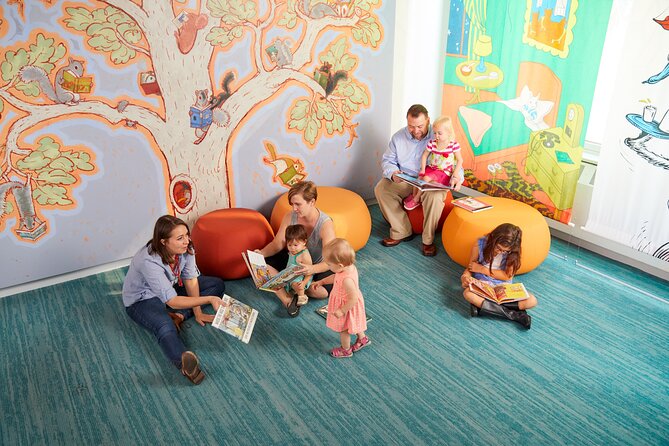
After Writers Hall, you move into A Nation of Writers, which frames American writing as a shared story with countless styles. You’ll celebrate authors who represent a unique American voice, and it spans history, genre, and mediums—from poets to sportswriters.
This is the gallery where the museum does its best job of widening the definition of literature. It helps you see writing as something that can live in many forms, not only the classroom version.
The potential drawback is simple: it’s broad. If you prefer one theme and one era, you might feel your brain chasing too many threads at once. That’s not a reason to skip it, just a reason to choose what you want to remember.
You can also read our reviews of more museum experiences in Chicago






The Mind of a Writer: games that teach how writing works
The Mind of a Writer is where the museum becomes practical. It demystifies famed writers’ works and methodologies, and it invites your creativity with games and other immersive offerings.
This is the section that tends to click for people who like doing more than reading. The museum asks you to notice how writers think, not only what they produced.
From a visitor-value standpoint, this is where the ticket feels most earned. You’re not just consuming. You’re practicing observation and trying writing decisions in a fun way.
Wintrust Chicago Gallery: local influence you can actually point to
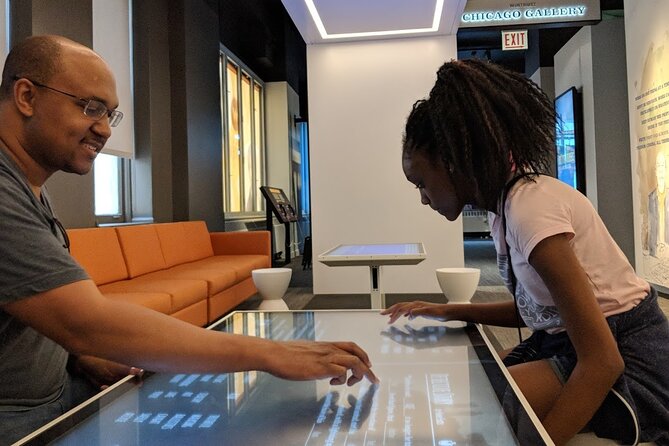
Next up is the Wintrust Chicago Gallery, built around Chicago’s literary tradition. You’ll see how writers, literary influencers, characters, and groups shaped the city’s voice.
This matters even if you’re not a lifelong Chicago fan. It gives you context fast. You start to understand why certain neighborhoods, communities, and movements show up repeatedly in literary stories.
If you’re a visitor who loves place-based travel, don’t rush this. Spend a bit longer here than you think you need. Even quick notes in your phone can help you connect Chicago streets to the ideas you just learned.
A temporary stop: My America on immigrant and refugee writers
Featured in the Meijer Gallery is the temporary exhibit My America: Immigrant and Refugee Writers Today. The focus is on contemporary writing by immigrants, organized through different themes.
Temporary exhibits are a special kind of value. They make repeat visits more likely, and they keep the museum from feeling like a locked-in time capsule. Here, the museum uses contemporary voices to show that American writing is still evolving.
One planning tip: don’t let this gallery hijack your whole visit. Enjoy it, but keep moving so you don’t miss the hands-on writer tools later, especially if that’s a priority for you.
Tools of the Trade and the Roberta Rubin Writer’s Room
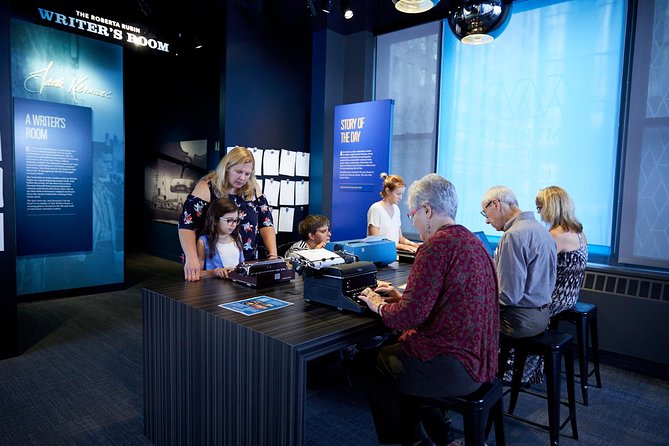
This is the section many people remember most. The Tools of the Trade exhibit in the Roberta Rubin Writer’s Room looks at the tools used by famous American writers across history. You’ll see names like Frederick Douglass, Helen Keller, and Maya Angelou tied to the idea of tools and process.
The museum’s approach here is quietly clever. Instead of turning writing into magic, it turns writing into work. Tools are part of that work, and process is part of the outcome.
And yes, the experience includes vintage typewriters that visitors can use. That’s not just a nice photo op. It changes how you think about composing, because typing becomes a physical rhythm instead of an abstract concept.
If you want a single “must-see” segment, consider this one.
The 3pm guided tour: the shortcut to making sense of it all
Included with admission, there are complimentary guided tours at 3pm daily when the museum is open. This is a smart option if you want structure, especially in a museum that covers a lot.
Guided doesn’t mean you’ll get trapped in one place. It usually helps you decide what to prioritize once you go free-roam. If you’re the type who gets overwhelmed easily, this tour can serve as your map.
Also, if you’re lucky with scheduling, you may encounter special author programming. One memorable example is author readings by Ziggy and Orly Marley, including a book-signing moment.
Who this museum suits best
I think this experience is ideal for:
- Book lovers who want more than author name-checks
- Creative types who like hands-on learning
- Families looking for interactive exhibits rather than long lectures
- Visitors who want Chicago culture, but through literature
It may be less ideal for people who prefer highly chronological museums with minimal interaction. This place moves by themes and craft, and it asks you to think while you walk.
A simple route for a 1- to 2-hour visit
If you’re short on time, pick a path:
- Writers Hall to get the hometown and affiliate-home framing.
- The Mind of a Writer for interactive learning and creativity prompts.
- Tools of the Trade / Roberta Rubin Writer’s Room as your big hands-on finish.
- If you still have time, add the Wintrust Chicago Gallery.
This keeps the best “why it matters” learning and most memorable hands-on stops in one run.
A slower route for 3 to 5 hours
If you can stay longer, loosen up:
- Start with the big-picture coverage (Writers Hall and A Nation of Writers).
- Spend more time in The Mind of a Writer and actually do the activities.
- Treat Wintrust Chicago Gallery like your anchor for place-based context.
- Add the temporary exhibit My America.
- End in the writer’s room tools so the craft focus sticks.
When you finish with Tools of the Trade, you leave with the feeling that writing is a process, not just a product.
Should you book the American Writers Museum?
Yes, I’d book it if you want a museum about literature that’s interactive, human, and actively teaches craft. At $16, it’s hard to argue with the value—especially if you’ll use the guided tour at 3pm daily.
Skip it only if you know you dislike museums that mix themes, encourage interaction, and pack in a lot of content in a small-to-medium space. If you like museums where you do something, not just watch, this one is built for you.
FAQ
How much is the American Writers Museum admission ticket?
The admission ticket costs $16.00 per person.
What’s the typical length of the visit?
Plan for about 1 to 5 hours, depending on your selected duration and how long you linger in the exhibits.
Is there a guided tour included?
Yes. Complimentary guided tours are offered at 3pm daily when the museum is open.
Is the ticket a mobile ticket?
Yes. This experience uses a mobile ticket.
Is parking included?
No. Parking is not included.
What are the opening hours?
During the stated period (03/27/2025 to 12/29/2025), Monday hours are 10:00 AM to 5:00 PM. Hours can vary by day, so check the posted schedule for your visit date.
Is the museum accessible for visitors with mobility needs?
It includes several accessibility features, including button activated doors at the building entrance, elevator access to the 2nd floor, and a large gender-neutral family restroom with wide stalls and grab bars.
Do students qualify for a reduced rate?
Yes. Students qualify for the senior rate, and they must present a valid student ID upon arrival.
Can I cancel and get a refund?
Yes. You can cancel for a full refund up to 24 hours in advance of the experience start time. If you cancel within 24 hours, the amount you paid will not be refunded.