REVIEW · CHICAGO
Chicago: Museum of Illusions Timed Entrance Ticket
Book on GetYourGuide →Operated by Museum of Illusions Chicago · Bookable on GetYourGuide
Your eyes will argue with your brain.
The Museum of Illusions Chicago turns perception into hands-on play, with 60+ interactive exhibits and endless photo-ops built into the rooms. It’s also been refreshed and expanded, so you’re not just repeating the same “trick table” experience you’ve seen elsewhere.
One thing to keep in mind: this ticket is planned for about 45–60 minutes inside, so the $40 price can feel short if you were expecting a slow, full-day museum wander.
In This Review
- Key highlights before you go
- Entering the Museum of Illusions Chicago in the Loop
- The main act: eye-tricks from Tilted to Clone Table
- Tilted Room: when gravity feels optional
- Ames Room: grow, shrink, and question scale
- Rotated Room: walking on walls (without breaking anything)
- Infinity Room: the best kind of fake depth
- Vortex Tunnel: when motion steals your footing
- Beuchet Chair: the classic pose that still works
- Clone Table: meet your doppelgangers
- Smart Playroom: brain games that don’t feel like homework
- Smart Shop: take the illusion home
- Photo-ops that actually work with your phone
- How long you should plan (and how to pair it)
- The real value of a $40 timed ticket
- Who this works best for (and who might pass)
- Should you book the Museum of Illusions Chicago timed ticket?
- FAQ
- How long does the Museum of Illusions Chicago take?
- What is included in the $40 ticket?
- Are food and drinks allowed inside?
- Does my ticket let me visit any time I want?
- Are children free?
- Where do I check in?
- Is the museum wheelchair accessible and in what language is help available?
Key highlights before you go
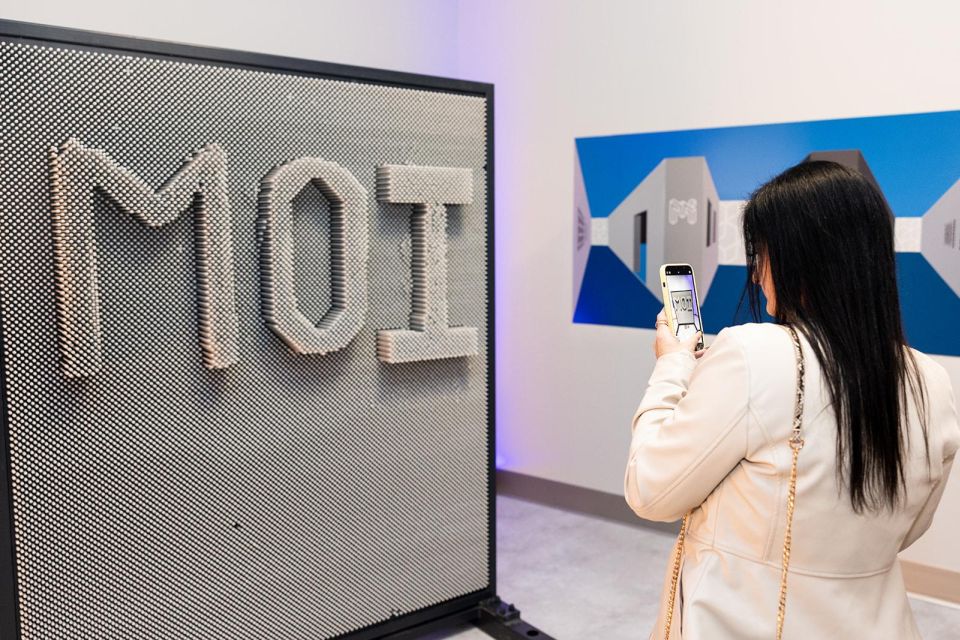
- Timed entrance in the Chicago Loop: pick a morning, afternoon, or evening slot that matches your day
- New and expanded space: over 20 never-before-seen illusions plus almost double the area
- Famous illusion rooms, plus chances to interact: Tilted, Ames (grow/shrink), Rotated (walk on walls), Infinity, Vortex, and more
- Smart Playroom brain games: memory and cognition puzzles with friendly competition
- Photo-ready design: places where your phone or camera naturally fits the illusion
Entering the Museum of Illusions Chicago in the Loop
The Museum of Illusions Chicago is right in the heart of downtown, in the Chicago Loop, which makes it easy to fold into a day of sightseeing. You check in at the front desk, and you just need to mention your booking name. The host or greeter is English-speaking, and the ticket is tied to the specific date and time you booked.
What I like about the timed-entry setup is that it keeps the experience moving. These rooms work best when there’s time to try the illusion yourself, not just stand and watch. Also, because the visit is designed to be fairly efficient, you’re less likely to feel stuck waiting for one “popular” exhibit to clear.
If you’re bringing kids, the museum is set up for that. There are plenty of large, physical “try it” moments, and the vibe is more playful than scholarly. Still, it doesn’t feel dumbed down. The exhibits focus on what the human brain does when your eyes send it mixed signals—so you’ll catch little “oh, that’s why!” moments even if you came for the photos.
You can also read our reviews of more tours and experiences in Chicago



The main act: eye-tricks from Tilted to Clone Table

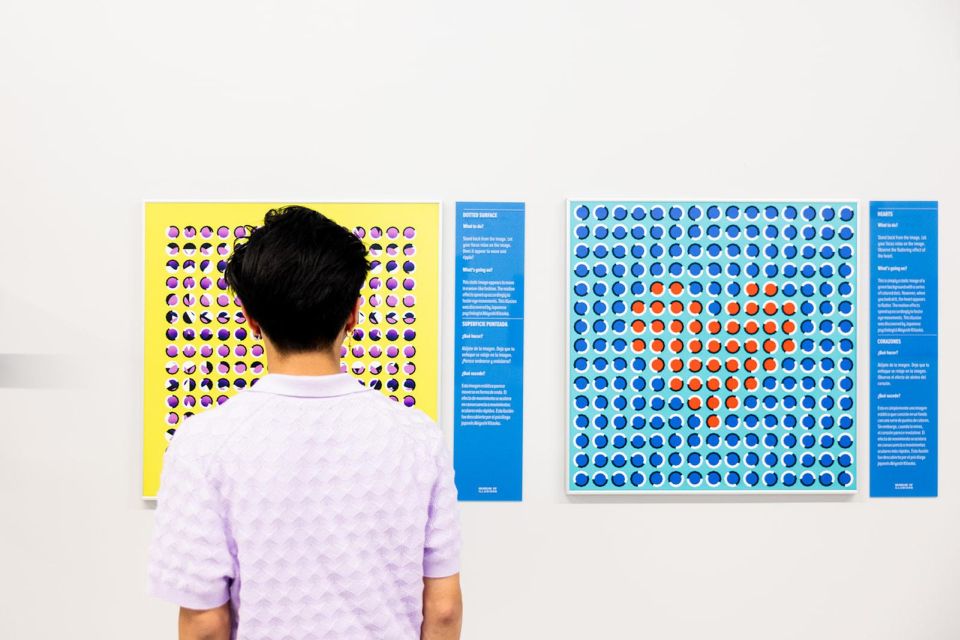
Expect to spend most of your time in the exhibit rooms—these are the heart of the ticket. You’ll see 60+ visual and educational exhibits, including holograms, stereograms, optical illusions, and immersive rooms designed to tease the senses.
The museum’s illusion list reads like a greatest-hits tour, but the best part is that the rooms are interactive. You’re not just looking; you’re testing how your brain reacts in real time.
Here are the illusion stops that matter most, and what to do with them:
Tilted Room: when gravity feels optional
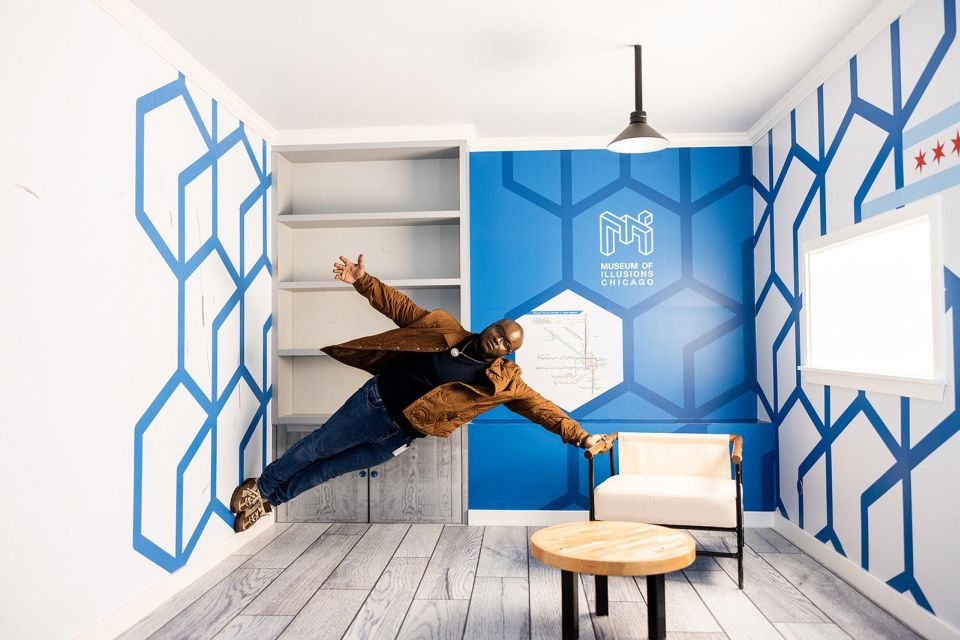
In the Tilted Room, the room’s angle makes your body instinctively treat “up” and “down” differently. It’s one of those exhibits where you’ll look at the floor, then try a movement, then instantly notice the mismatch between your prediction and what your eyes report.
Practical tip: when you pose for a photo here, try both “normal stance” and a slightly exaggerated lean. The illusion tends to pop harder when your posture is part of the experiment.
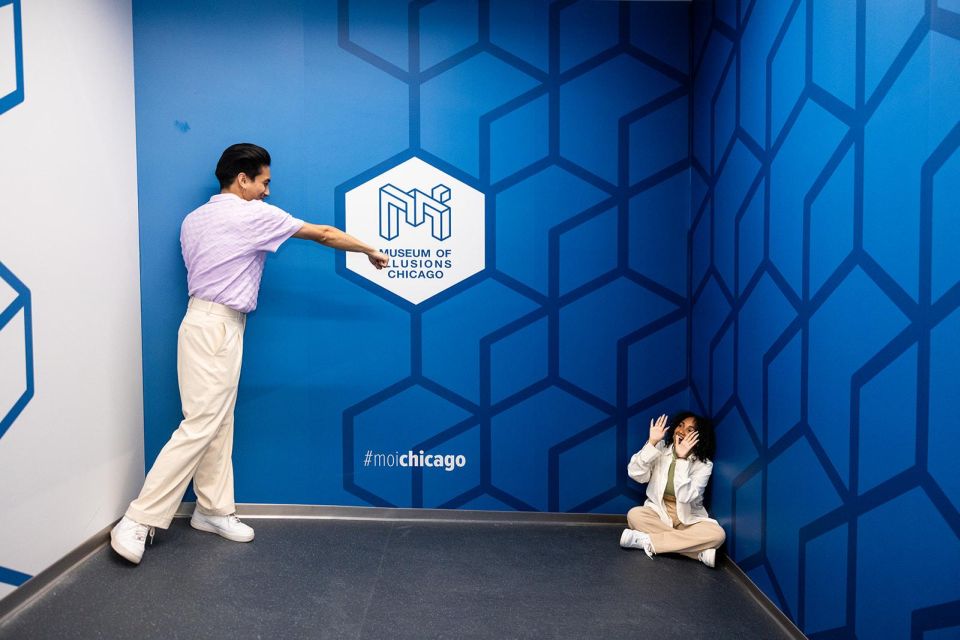
Ames Room: grow, shrink, and question scale
The Ames Room is the one people talk about because it shows how strongly perspective can bend your sense of size. Step into the setup and your brain reads scale based on cues like distance and angle—so a person can appear to dramatically grow or shrink.
This room is great for families because it’s easy to “take turns” without needing instructions. It also tends to be very photo-friendly: the illusion reads instantly on camera.
Rotated Room: walking on walls (without breaking anything)
In the Rotated Room, the trick is all about orientation. You’ll feel like you’re walking up a wall, but really the room’s rotated layout fools your inner sense of alignment.
If you’re taking photos, keep your camera angle consistent. The illusion usually works best when your lens mirrors what your eyes were “expecting” in the first place.
You can also read our reviews of more museum experiences in Chicago






Infinity Room: the best kind of fake depth
The Infinity Room is built to make space feel endless. It’s the kind of exhibit where the illusion is visual first, then becomes emotional: you start thinking, this can’t go on forever—and then it does (in the way that only optical tricks can manage).
Practical tip: turn off your flash. These setups are designed for ambient light and reflections, and your best shot is often the one where the image looks crisp without overexposure.
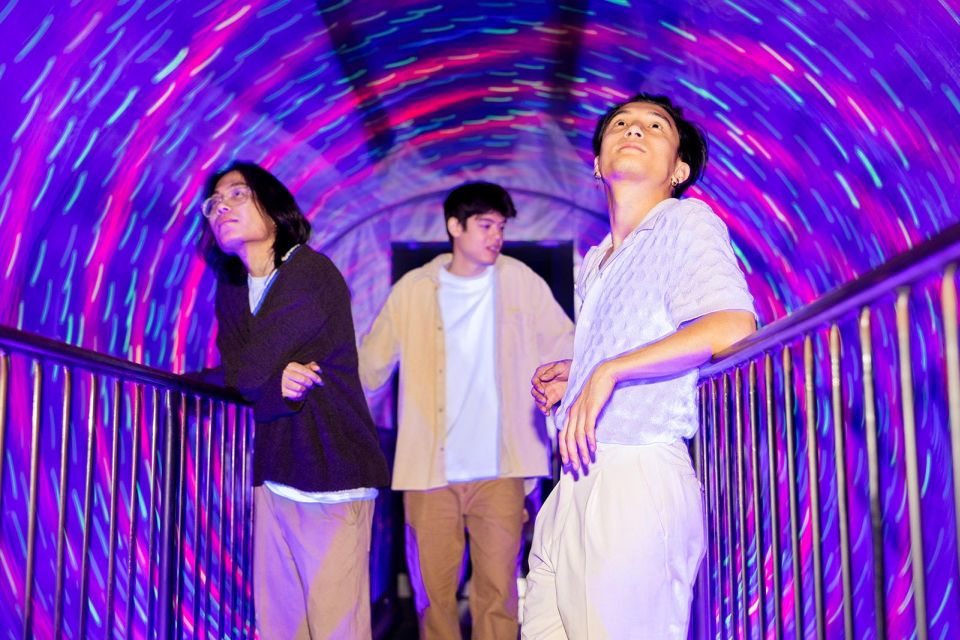
Vortex Tunnel: when motion steals your footing
The Vortex Tunnel plays with your sense of direction. The effect is designed to confuse your mind while you’re inside it, so it’s not just about what you see—it’s about what your brain tries to do to stay steady.
If you’re prone to motion weirdness, take it slowly. You’re allowed to enjoy it without forcing bravery.
Beuchet Chair: the classic pose that still works
The Beuchet Chair is a silhouette-style trick where your body looks like it belongs in the wrong space. It’s one of those exhibits that feels instantly shareable because the result looks dramatic even in a simple selfie.
This is also a good place to practice your framing: step back a touch, let the chair do the illusion work, and then use a steady hand.
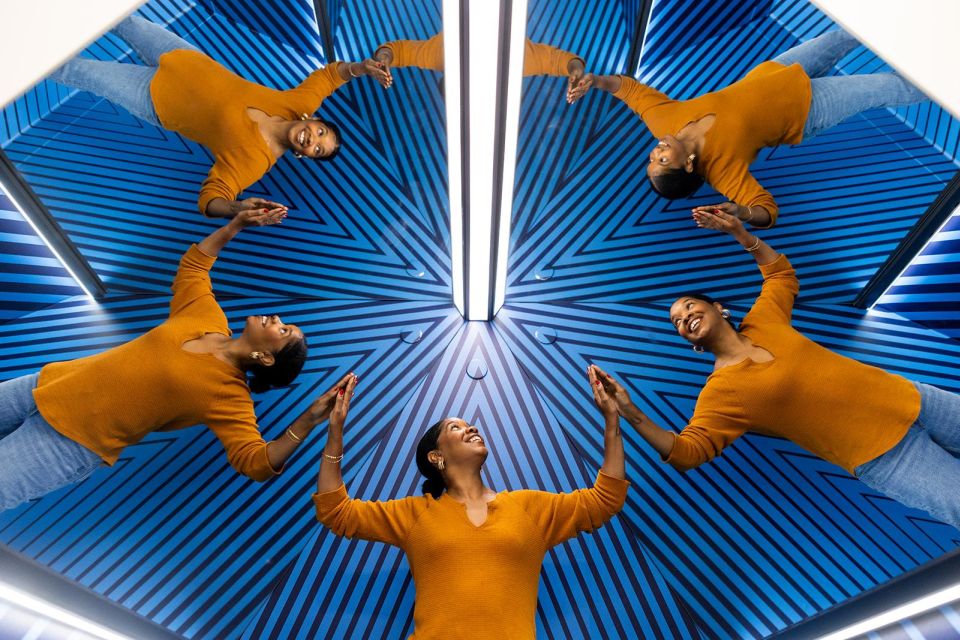
Clone Table: meet your doppelgangers
At the Clone Table, the exhibit creates the feeling that you’re duplicated or that someone is copying your position in sync. It’s playful, slightly eerie in the best way, and it’s perfect for couples and friends because you can test “timing” and poses.
For photos, try short gestures—like turning your head or lifting a hand—so the effect is easy to see even if the image is small.
Smart Playroom: brain games that don’t feel like homework
After the big rooms, you’ll hit the Smart Playroom, where the focus shifts from optical tricks to memory and cognition puzzles. The museum describes it as a place to stimulate and challenge your mind, and the games are designed so you can compete with friends and family while working those mental skills.
What makes this portion valuable is that it keeps the experience from being purely “look and snap.” Even if you’re here for fun, the playroom helps you connect the dots: perception isn’t just what you see—it’s also how you remember, interpret, and decide.
There’s also a nice payoff at the end: at least some visitors describe the puzzle room near the finish as an extra bonus. So if you tend to rush at the start, I’d still save energy for the later mental games.
Smart Shop: take the illusion home
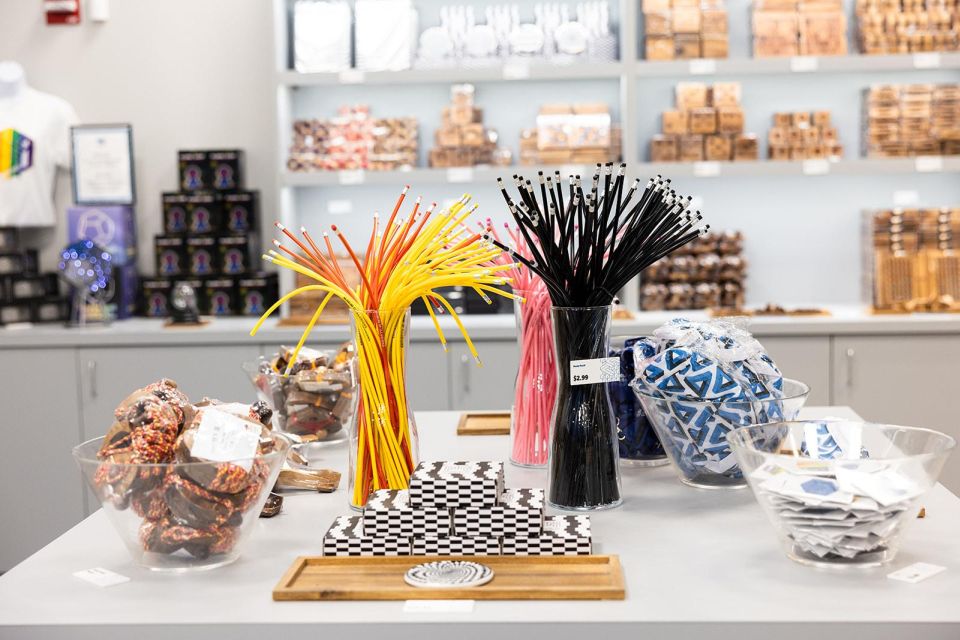
Near the play area, there’s a Smart Shop where you can buy games similar to what you’ll try in the Smart Playroom, plus Museum of Illusions merchandise. This is a smart add-on for families and for anyone who wants a souvenir that actually matches what you experienced, instead of a generic keychain.
Photo-ops that actually work with your phone
The museum is built for pictures. You’ll see eye-fooling photo opportunities around many corners, and a lot of the exhibits are designed so you can frame them quickly without hunting for the “right angle” for ten minutes.
A useful thing to know: staff often help with photography. One solo visitor noted that when the museum was quiet, the guide took their photo. So if you want a clean shot and you don’t have a second person to take it, it’s worth asking—especially near the more iconic rooms like the Ames or Beuchet areas.
Practical photo behavior:
- Keep your shots short. Try once for the illusion, then adjust stance by a step or two.
- Don’t overdo props. The rooms do the trick. Your job is to be part of the scale/perspective.
- Turn off flash for reflective rooms like Infinity-type setups.
How long you should plan (and how to pair it)
Plan on about 45 to 60 minutes inside. That time window is a big part of the value equation—this isn’t a half-day museum marathon. It’s closer to a fast, fun “mental amusement” session where each room is a new trick.
For pairing, the timing helps. You can do it as a morning reset, an afternoon break, or an evening activity in the Loop without feeling like your whole day disappears.
If you’re building a downtown itinerary, it also pairs nicely with other popular Chicago experiences you might already be considering—like a river cruise, a major museum, or an observation stop. The common theme is that those add the “big Chicago” view, while the Museum of Illusions gives you the quirky, hands-on counterbalance.
The real value of a $40 timed ticket
The ticket price is $40 per person, and it includes admission to all exhibitions plus local taxes and fees. That matters because some attraction tickets split out “extras,” and you end up surprised at checkout. Here, you’re paying for the core show: the rooms and the play areas.
Value depends on what you want from the visit:
- If you like interactive attractions and you want lots of photo results, the price is easier to justify. The museum’s selling point is the sheer number of exhibits—60+—plus the “new and improved” element with over 20 never-before-seen illusions and almost double the space.
- If you want a slow, deep, hours-long museum experience with lots of reading or curatorial context, you might feel you want more time. Since the plan is 45 to 60 minutes, it can feel like you blink and it’s done.
Also note the museum doesn’t include food and drinks. Even though that sounds small, it’s practical: plan for a snack break outside. And specifically, food and drinks aren’t allowed inside, so don’t count on bringing them in for convenience.
Who this works best for (and who might pass)

This is a strong fit if you:
- Have kids (the experience is described as family-friendly, with plenty of “try it” moments)
- Want a quick downtown activity that’s not weather-dependent
- Like puzzles, perception games, and “wait, how did that happen?” moments
- Enjoy photo-ready spaces, especially for couples and groups
It’s also appealing for solo travelers. When staff are available to help with photography, you can still get great pictures without needing another person to follow you around.
If you’re someone who hates standing in line, keep your timed entry. Also, if you’re hoping to spend half the day in one indoor attraction, you might find the museum’s pacing a bit brisk.
One more note on cost fairness: children 4 and under are free (no ticket needed). That can make this a much better deal for families.
Should you book the Museum of Illusions Chicago timed ticket?
I’d book it if your ideal Chicago day includes a hands-on, playful dose of perception—plus photo moments that look dramatic without requiring special gear. The combination of iconic rooms (Tilted, Ames, Rotated, Infinity, Vortex, Beuchet, Clone Table) and the Smart Playroom is a good mix of spectacle and mental games, and the museum’s recent expansion adds variety.
I’d hesitate if you want a long museum outing or you’re not into interactive experiences. At around 45–60 minutes, this works best as part of a bigger day, not as the entire plan.
If you can afford the $40 and you’re excited by optical illusions and brain puzzles, this is the kind of ticket that gives you stories to tell and photos you’ll actually use.
FAQ

How long does the Museum of Illusions Chicago take?
Plan for about a 45 to 60-minute experience inside the museum.
What is included in the $40 ticket?
Your ticket includes entrance to the Museum of Illusions Chicago and all exhibitions, plus local taxes and fees.
Are food and drinks allowed inside?
No. Food and drinks are not allowed. Food and drinks are also not included with the ticket.
Does my ticket let me visit any time I want?
No. Your ticket is valid only for the date and time you booked.
Are children free?
Children 4 and under are free and do not need a ticket.
Where do I check in?
Check in at the front desk and mention your booking name when you arrive.
Is the museum wheelchair accessible and in what language is help available?
The museum is wheelchair accessible, and the host or greeter is English-speaking.