REVIEW · CHICAGO
Chicago: Must See Chicago 90 minute Walking Tour
Book on GetYourGuide →Operated by Chicago Architecture Center · Bookable on GetYourGuide
Chicago’s buildings tell stories if you listen. This 90-minute walking tour is a smart way to learn the city’s architecture fast, with exterior views that still feel full of detail, and a guide who can explain why each style matters. I especially like the way the route strings together must-see icons with clear architectural themes, and I like that CAC exhibits entry is included so you have context before you hit the sidewalk. One consideration: due to current rules, the tour can’t go inside buildings.
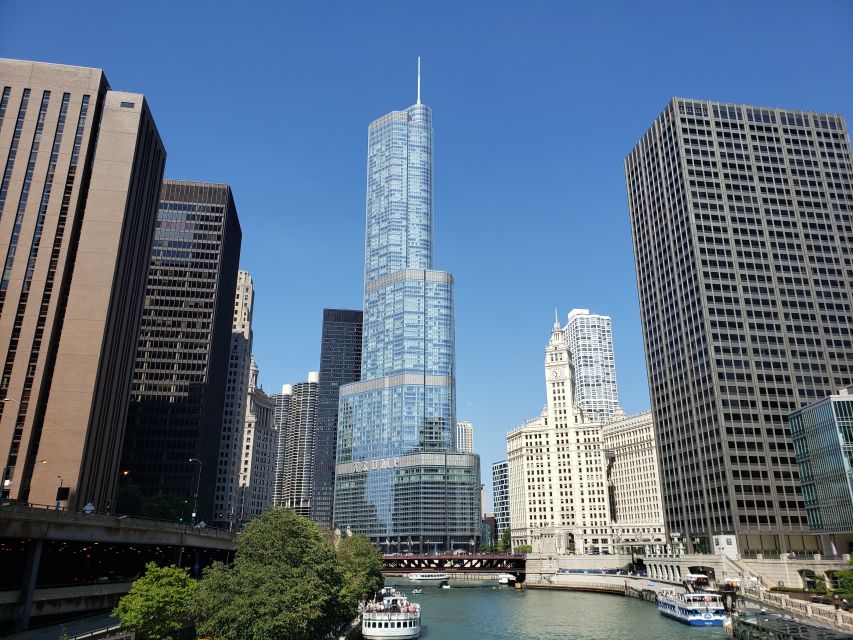
You’ll cover three big downtown anchors—the Loop, the Chicago River, and Millennium Park—so you get variety without a long day. Along the way, you’ll spot examples from Beaux Arts to Art Deco to modern glass-and-steel towers, including places like Willis Tower and John Hancock Center, the Wrigley Building, the Chicago Theatre, and newer additions such as Aqua and Trump Tower. If your goal is to peek inside grand lobbies, plan for a mostly outside sightseeing experience.
In This Review
- Key things I’d bet on
- Starting at the Chicago Architecture Center (CAC) model theater
- Price and what you actually get for $35
- The 90-minute walk plan: Loop, River, Millennium Park
- What you’ll learn about Chicago’s building styles (and what to look for)
- Landmark highlights you’ll recognize fast
- Loop power: finance-era classics and modern towers
- Art Deco stops: where geometry does the talking
- Newer downtown chapters: Aqua and Trump Tower
- Millennium Park: the Bean zone and modern civic space
- How the CAC-trained guides change the whole experience
- Walking comfort, what to bring, and what to skip
- Who this tour is perfect for (and who should consider alternatives)
- Should you book this 90-minute Chicago Architecture Center walk?
- FAQ
- Where does the tour start?
- How long is the Chicago architecture walking tour?
- What is included in the ticket price?
- Is admission to the CAC included more than once?
- Can the tour go inside buildings?
- What should I bring for the walking tour?
- Are luggage, strollers, or large bags allowed?
- Are pets allowed?
- When does the tour run?
Key things I’d bet on
- CAC-trained storytelling: the guide is trained by the Chicago Architecture Center to teach through stories and visuals.
- Three downtown zones in 90 minutes: Loop, River, and Millennium Park, in a walk that stays moving but not rushed.
- Real architecture styles, not just names: you’ll learn what to look for in Beaux Arts, Art Deco, Modernist, and Post-Modernist design.
- Photo-friendly route: big facades, skyline angles, and Millennium Park make it easy to stop and frame shots.
- Bonus time at the CAC exhibits: you get entry that’s normally $15, with a large city model and film-style presentations.
Starting at the Chicago Architecture Center (CAC) model theater
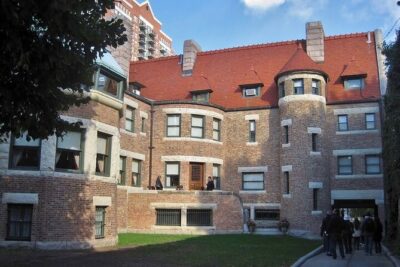
Your tour starts at the Chicago Architecture Center, which is the best kind of warm-up. Before you even begin walking, you get the architectural “language”: neighborhoods, housing types, major architects, and how future projects fit into the city’s story. It’s the kind of place that helps you understand the skyline instead of just memorizing it.
The exhibits include a large-scale model of Chicago with more than 4,250 miniature buildings, plus a cinematic backdrop that highlights key moments. That model matters because the buildings you’ll see outside are not random. They connect to planning, engineering, and the way Chicago built upward and outward.
Your tour ticket includes admission to the CAC exhibits within 7 days of your walking tour. In plain terms, it gives you flexibility: if the weather is rough on tour day, you can still check out the exhibits later.
You can also read our reviews of more walking tours in Chicago



Price and what you actually get for $35
At $35 per group up to 1, the headline cost is easy to compare. The bigger value move is that your ticket also includes admission to the CAC exhibits, which is normally priced separately (normally $15).
That means you’re not just paying for a guided walk—you’re paying for an architecture lesson with a place to review and reinforce what you learned. If you’re the type who likes a “see it, then understand it” sequence, that combo is good value.
There’s also a community angle that’s worth knowing. Chicago Architecture Center ticket purchases directly support local education initiatives such as Girls Build!, Teen Fellows, and the Newhouse Architecture + Design Competition, and help keep programs like Open House Chicago free for participants. In other words, your ticket does more than entertain.
The 90-minute walk plan: Loop, River, Millennium Park
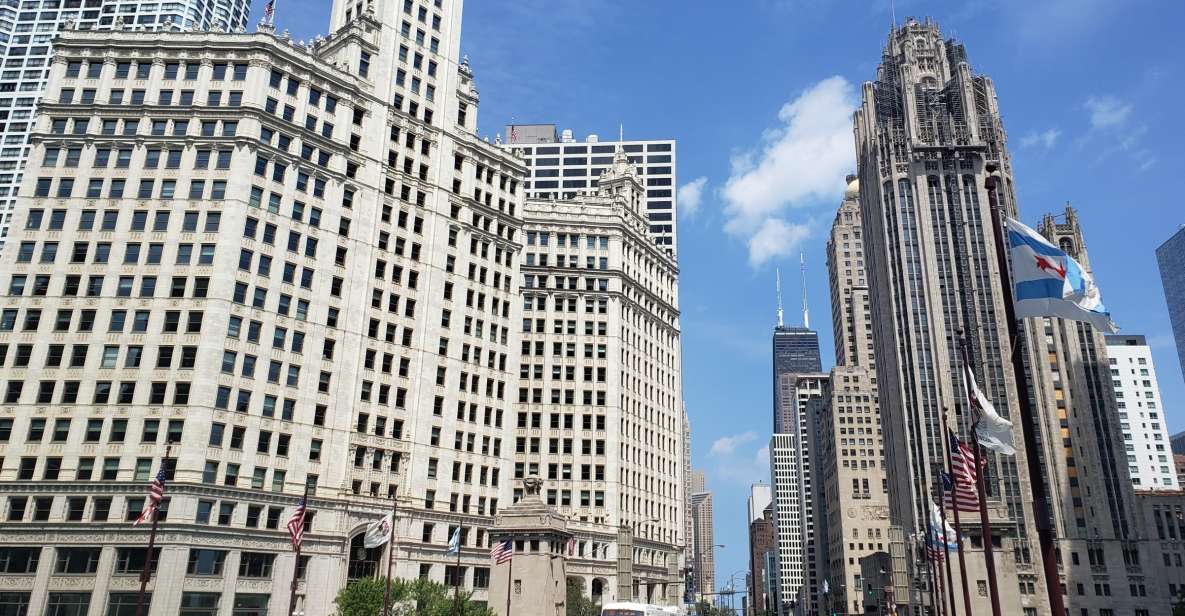
This tour is built around three focal points downtown, so you don’t spend your limited time crossing Chicago at random. You’ll focus on the Chicago Loop (historic core), the Chicago River (the city’s lifeblood), and Millennium Park (home to the Bean).
I like how this structure gives your brain something to hold onto. It’s easier to remember buildings when you can tag them to a zone and a theme—finance and old downtown energy in the Loop, engineering and city-making by the River, and modern public space at Millennium Park.
Expect lots of photo stops. You’ll be outside most of the time, looking up at tall facades and scanning materials and details that change from one architectural style to the next. And because the tour runs rain or shine, you should bring a flexible attitude—or a jacket you’ll actually use.
What you’ll learn about Chicago’s building styles (and what to look for)
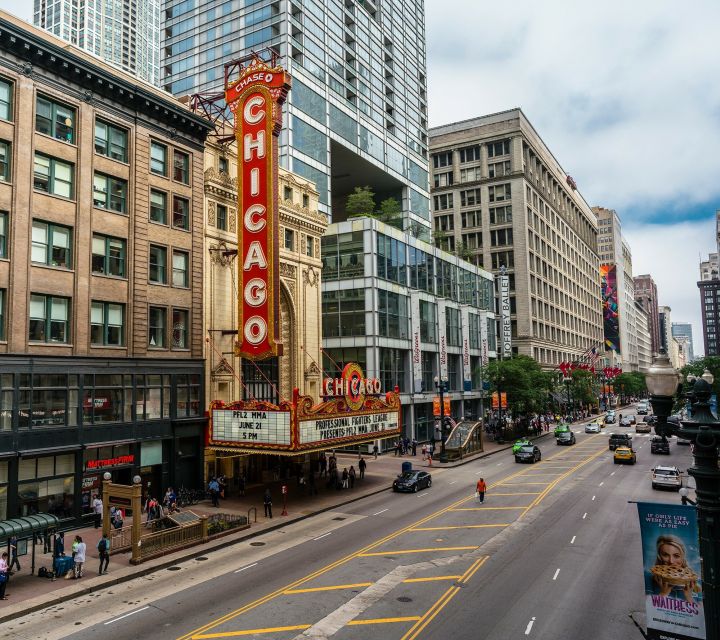
This is not a generic skyline glance. The guide helps you connect architectural style to real design choices—materials, construction methods, and why the shapes look the way they do.
Here’s what the route is set up to show you:
- Classical references in buildings that pay homage to older European design language.
- Art Deco silhouettes and decorative geometric touches you can spot without being an expert.
- Modernist and Modern-era skyscraper design, where the focus shifts to structure, massing, and “form follows function” thinking.
- Post-Modern attitude in newer towers, where design sometimes plays with history and style.
The best part is that you’ll learn how these styles coexist in one downtown walk. Chicago didn’t just build one era—it layers eras like pages in a well-used notebook. Once you start noticing the differences, the city feels like it’s speaking.
Also, due to current rules, the tour can’t go inside buildings. That means the learning comes from exteriors and street-level context. If you expect interior visits, you’ll need to adjust your expectations ahead of time.
Landmark highlights you’ll recognize fast
You’ll see a lineup of iconic buildings, and the guide ties them back to styles and city development. Even if you only know a couple names now, you’ll usually leave able to place most of them in your mental map.





Loop power: finance-era classics and modern towers
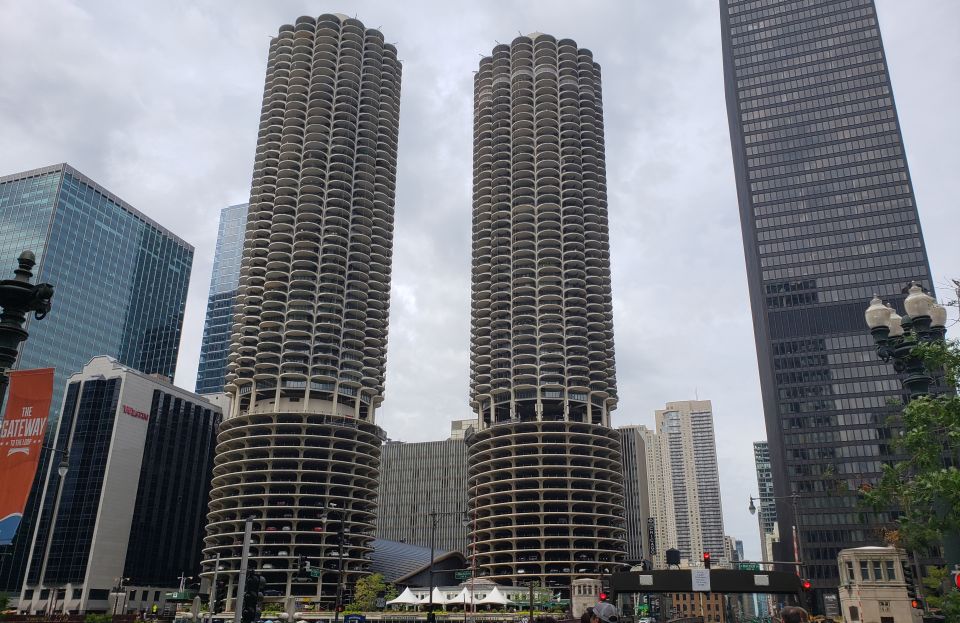
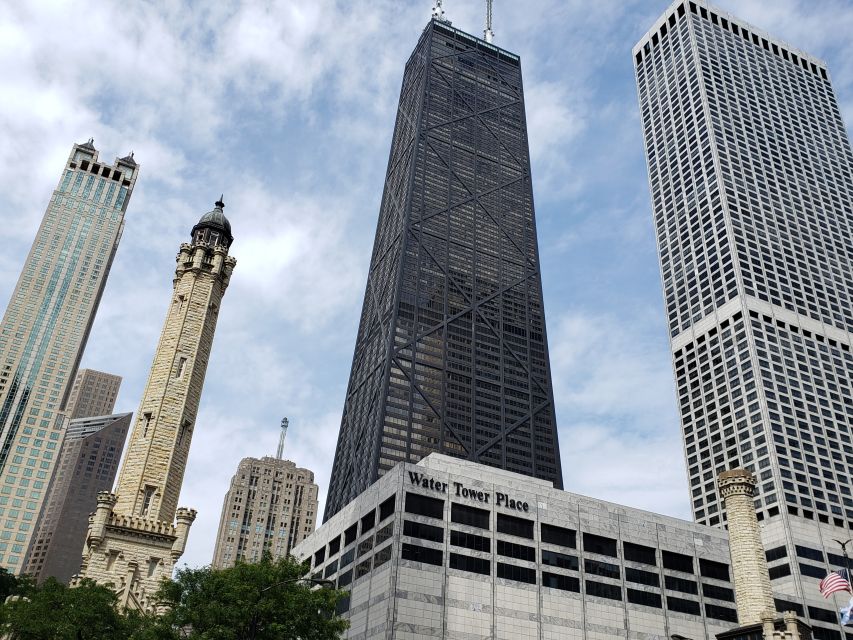
In the Loop, you’ll get major “Chicago energy” views. The tour includes the Willis Tower, the John Hancock Center, and the AON Building, all excellent examples of how modern skyscrapers look and how their massing changes how the skyline reads from different angles.
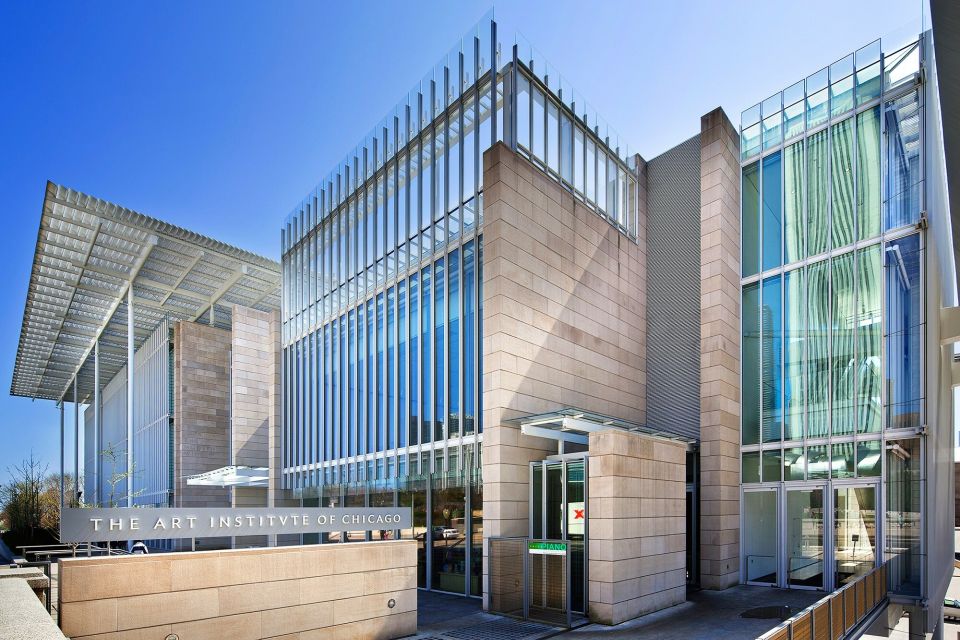
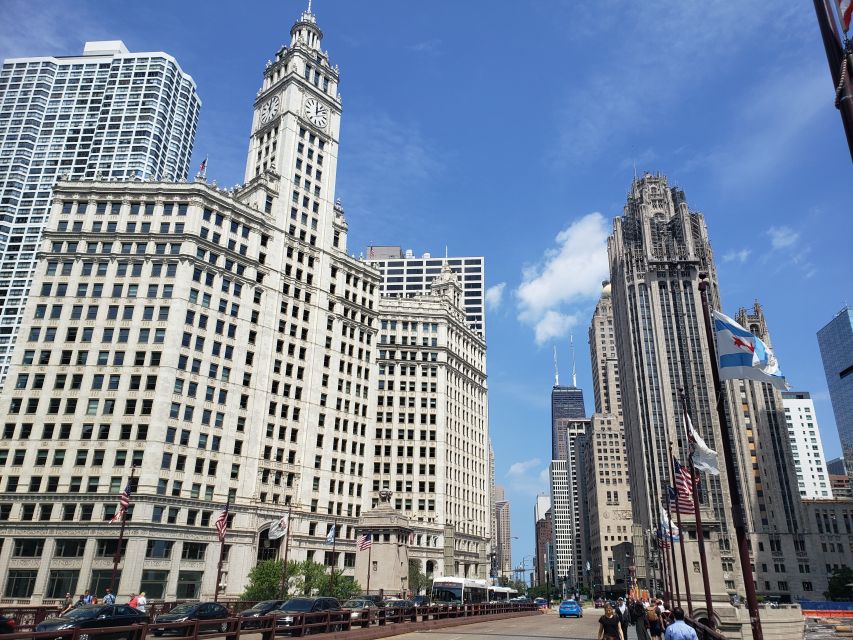
You’ll also see buildings that lean into classical design language. Expect stops featuring the Wrigley Building, the Tribune Building, the Chicago Theatre, and the Art Institute of Chicago. These aren’t just pretty—they’re Chicago’s nods to formality, permanence, and public prestige.
Art Deco stops: where geometry does the talking
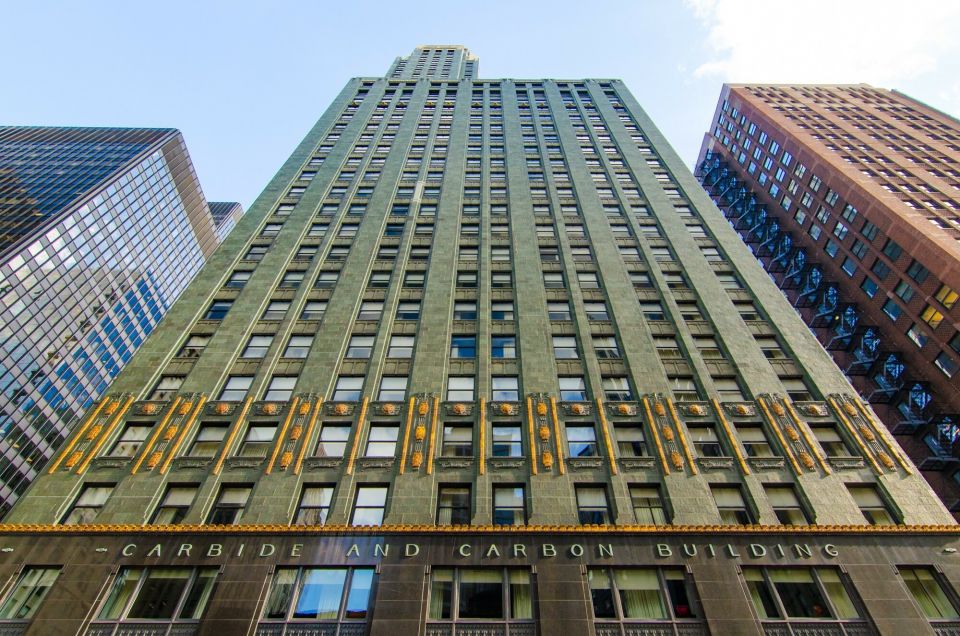
Art Deco shows up in a couple of standout structures, including the Carbide & Carbon Building and the Chicago Board of Trade Building. This is where it helps to look for repeated patterns, strong shapes, and details that feel both decorative and structural.
Art Deco can look like “just ornament” until someone explains the logic behind it. That’s the value of having a guide who can turn visual features into a story you can remember.
Newer downtown chapters: Aqua and Trump Tower
You’ll also see recently completed or newer-feeling towers such as Aqua and Trump Tower. This part of the walk is a reminder that Chicago keeps building forward, and architecture keeps responding to new tastes, new technologies, and new ways cities market themselves.
The result is a skyline that doesn’t freeze in time. You get continuity plus change, side by side.
Millennium Park: the Bean zone and modern civic space
Millennium Park is your finale-style stop, and it matters for a simple reason. The Bean area shows how Chicago uses public space to bring people into the architectural conversation. It’s architecture you can touch, walk around, and photograph from multiple angles.
This also breaks up the taller-building focus, so the walk ends with an open, photo-friendly mindset instead of just standing under skyscrapers.
How the CAC-trained guides change the whole experience
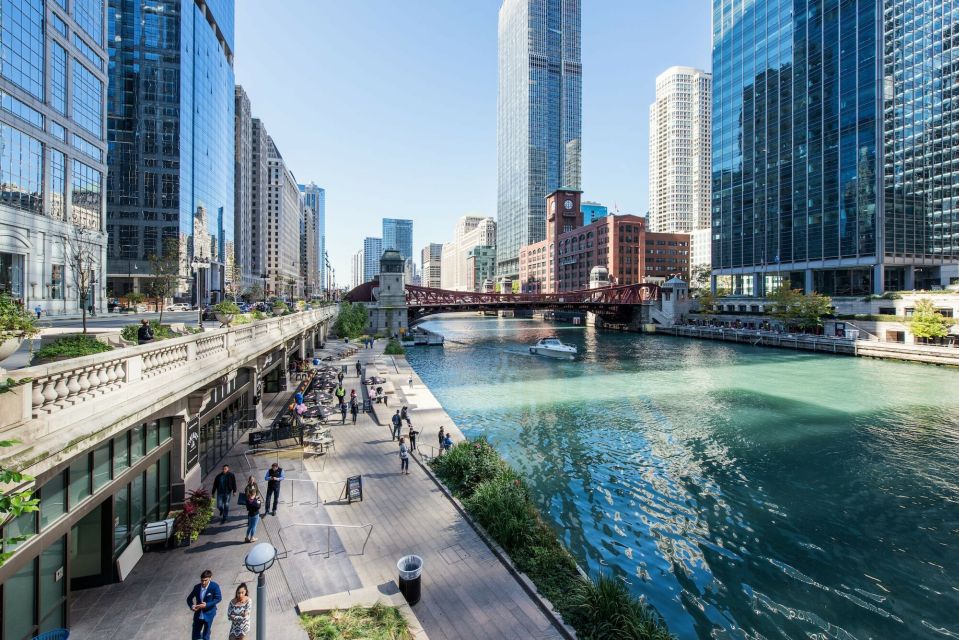
The guide is trained by the Chicago Architecture Center, and that training shows in how they teach. The goal is storytelling plus education—so you don’t just hear facts, you understand the “why” behind the facades.
I’ve also noticed a pattern in the guide names that come through on this route: Claudia, Paige, Anna, Howard, and Lori are all examples of guides you may be assigned. The thread with each name is consistent: the pace stays comfortable, and the information sticks because it’s explained in a human way.
Here’s what you should do to get the most from it:
- Listen for the style explanations, not just the building titles.
- Keep your camera ready, because the best angles tend to show up in short moments.
- Ask quick questions when something catches your eye. If the guide is good at their job (and this one is), your question can shape the next stop.
If you love architecture for its look and its logic, this guide format is a win. If you only care about the biggest photo landmark, you might find you’re seeing a little more detail than you planned.
Walking comfort, what to bring, and what to skip
A 90-minute walk in downtown Chicago is not long on paper, but you’ll be on your feet. Bring comfortable shoes and plan to move at city speed.
You’ll also want to bring what the tour asks for: a face mask or protective covering. Even if you usually don’t carry one, I’d pack it here and be done with it.
For gear, consider the simple rules. The tour doesn’t allow luggage or large bags, and it doesn’t provide secure storage for luggage or strollers. So if you’re traveling light, great. If you’re hauling bags, you’ll want a different plan for storage before you arrive.
Pets aren’t allowed either, though assistance dogs are fine. If that affects your plans, plan around it early.
Finally, this tour departs rain or shine. That means your best accessory is a practical jacket and the mindset that Chicago weather changes fast.
Who this tour is perfect for (and who should consider alternatives)

I’d book this if you’re:
- In Chicago for a short time and want a fast architecture overview
- Curious about how architectural styles show up in real buildings
- The type who enjoys learning while walking, not just sitting in one place
- Interested in downtown landmarks like the Loop, River, and Millennium Park
You might rethink it if you’re expecting interior building access. This tour is designed for exterior viewing, and current rules prevent going inside buildings.
It’s also a good fit if you like structure. The route is focused, and the CAC exhibits included help you connect what you see outside to what you learned before you started walking.
Should you book this 90-minute Chicago Architecture Center walk?
Yes—if you want an efficient, guided introduction to Chicago’s architecture that also includes a meaningful place to reinforce what you learned. The combination of an expert CAC-trained guide, iconic downtown stops, and included CAC exhibits makes the ticket feel like more than a simple stroll.
I’d book especially if you like the idea of learning style differences in real time. You’ll see Beaux Arts, Art Deco, Modernist, and Post-Modernist examples in one route, and the guide helps translate the visuals into clear takeaways.
If you don’t like walking, don’t want to carry a mask, or you need luggage storage, then this is probably not the easiest match. But for most first-time Chicago visitors—and even repeat visitors looking for a smarter way to see the skyline—it’s a strong value.
FAQ
Where does the tour start?
The tour starts at the Chicago Architecture Center (CAC). Arrive about 15 minutes early and present your ticket at the CAC box office.
How long is the Chicago architecture walking tour?
It lasts 90 minutes.
What is included in the ticket price?
You get the 90-minute walking tour with a certified Chicago Architecture Center guide, plus admission to the Chicago Architecture Center exhibits.
Is admission to the CAC included more than once?
Your ticket includes admission to the CAC exhibits within 7 days of your tour.
Can the tour go inside buildings?
No. Due to COVID, the tour cannot go inside any of the buildings at this time.
What should I bring for the walking tour?
Bring comfortable shoes and a face mask or protective covering.
Are luggage, strollers, or large bags allowed?
No luggage or large bags are allowed, and the tour is unable to provide secure storage for luggage or strollers.
Are pets allowed?
Pets are not allowed, but assistance dogs are allowed.
When does the tour run?
The tour departs rain or shine.