REVIEW · CHICAGO
Inside Tour of Chicago’s Fine Arts Building
Book on Viator →Operated by Tours by Doorways Of Chicago · Bookable on Viator
Chicago has indoor time travel. The Fine Arts Building on Michigan Ave is a 125-year-old space where you walk hallways built for 1890s tenants and leave with a whole new view of Chicago art and architecture.
I love how much you get for the $45 price: a small-group tour (max 10), about 1 to 1.5 hours, focused on one place with real people, real crafts, and real design details. I also love the guide-led storytelling; Ronnie Frey’s narration in particular comes through as fast, friendly, and full of sharp specifics.
One thing to plan for: there’s moderate walking and stairs, so wear comfortable shoes. And arrive on time; if latecomers slow the group, you’ll feel it when you’re standing around inside a building this good.
In This Review
- Key highlights to know before you go
- Why the Fine Arts Building feels like Chicago time travel
- Meeting on Michigan Ave: timing, group size, and what 1–1.5 hours really means
- Solon Spencer Beman to creative studios: what’s on the 10 floors
- The hallways since 1898: why unchanged corridors matter
- Studebaker Theatre and the string instrument workshop moments
- Your guide experience: Ronnie Frey’s style and the photo link trick
- Stairs, pacing, and who this tour fits best
- Value check: is $45 worth it for this one-building experience?
- Should you book the Inside Tour of Chicago’s Fine Arts Building?
- FAQ
- How long is the Inside Tour of Chicago’s Fine Arts Building?
- How much does it cost?
- Where is the meeting point, and when does the tour start?
- Is the ticket mobile?
- How many people are in the group?
- Is it physically demanding?
- What happens if weather causes a cancellation?
- Is tipping included in the price?
Key highlights to know before you go
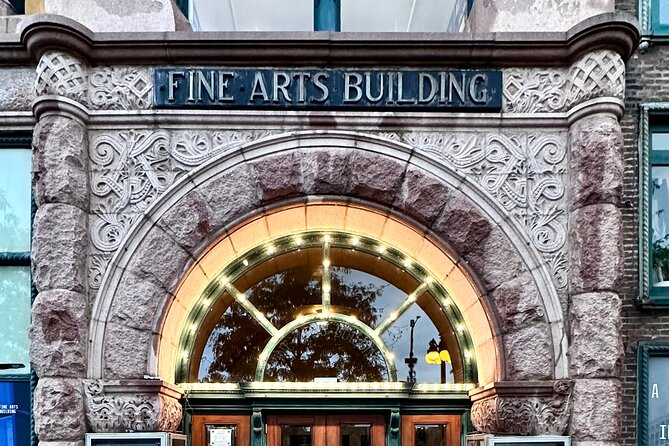
- 10 floors of studios in one historic structure with artists and makers living the concept, not just posing for photos
- Hallways that stayed essentially the same since 1898, giving you a rare feel for how daily life moved through the building
- Solon Spencer Beman’s legacy, tied to Pullman and the Pullman Palace Car Company
- Surprise stops like the Studebaker Theatre area and time-saving moments that help you see more without rushing
- Hand-crafted details you can actually spot up close, from plaster/marble surfaces to floor tiles made by name
- Small-group format (max 10), which helps the guide slow down for questions and close looks
Why the Fine Arts Building feels like Chicago time travel
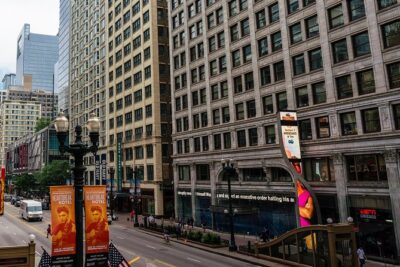
The Fine Arts Building is the kind of place you wish more visitors knew about. It sits right on 410 Michigan Ave, but the experience doesn’t feel like a downtown “see it and move on” stop. Instead, you’re walking through a 10-floor building that was designed to house creative work, and it still reads like a working creative address.
The big “how did this happen” story starts with architect Solon Spencer Beman. He’s associated with major Chicago-area planning and industrial-era vision, including the town of Pullman and the Pullman Palace Car Company. Even if you don’t know those names yet, the tour makes the connection feel practical: you start seeing Chicago’s industrial ambition and its cultural side as part of the same machine.
Then there’s the building’s origin twist. This structure links back to a former Studebaker Brothers Carriage Company Showroom, which relocated in 1896. That sets up the timeline you’ll hear throughout: the building’s bones and corridors echo an older era, and the guide points out the exact kinds of features that stayed put.
What you should take away: you’re not just touring a landmark façade. You’re getting inside the real “workday” layout of late-1800s Chicago and seeing how creative tenants used the space to build careers.
You can also read our reviews of more tours and experiences in Chicago.



Meeting on Michigan Ave: timing, group size, and what 1–1.5 hours really means
The tour meets at 410 Michigan Ave. It starts at 10:00 am, and it ends back at the meeting point. Expect about 1 hour to 1 hour 30 minutes in total.
The group stays small: maximum of 10 travelers. That matters more than people think. With a larger tour, you get a headcount shuffle. Here, you can actually see what the guide is pointing out without someone blocking your line of sight every time you take a photo.
You also get a mobile ticket, so you can keep everything on your phone and move quickly at check-in. And since it’s near public transportation, you’re not forced into a taxi plan just to get downtown and back.
Practical tip: plan to arrive a few minutes early. One review noted the experience can feel slower when latecomers arrive, and inside this building, waiting around is the least fun way to spend your time.
Solon Spencer Beman to creative studios: what’s on the 10 floors
This is a tour built around one address, not a “drive-by architecture” route. As you move through the building, you’ll be shown a mix of spaces and tenant-style stories. The concept is simple: the Fine Arts Building was designed for artists and specialized trades, so you’ll hear about a wide range of occupations.
You can expect to encounter the kinds of creative work the building housed, including painters, photographers, music instructors, architects, lawyers, stringed instrument makers, and booksellers. That variety is part of why the tour works. It isn’t only about famous architects or famous names. It’s about how a building can support an entire ecosystem of work.
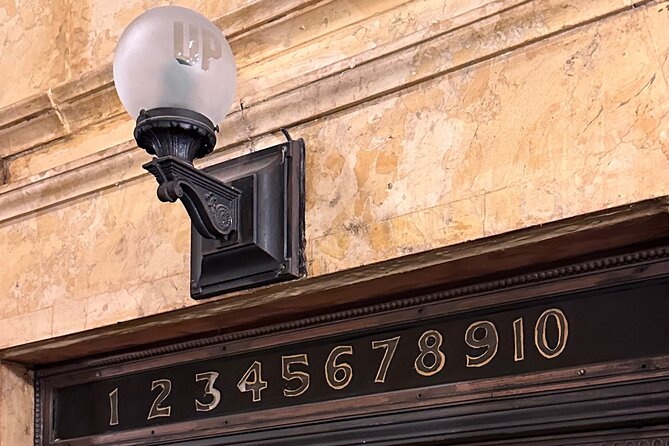
Your guide also focuses on the feel of the interior layout. You’ll be walking through a labyrinth of hallways and corridors, and you’ll hear how much of it remained unchanged since 1898. That detail isn’t trivia; it changes the way you experience the place. You start noticing the building like a time machine for everyday movement: where you would have turned, paused, mailed work, met clients, or shown finished pieces.
If you like architecture, you’ll get structure. If you like art, you’ll get people. If you like craft, you’ll get the quiet, physical stuff that makes hands-on work look different than a showroom.
The hallways since 1898: why unchanged corridors matter
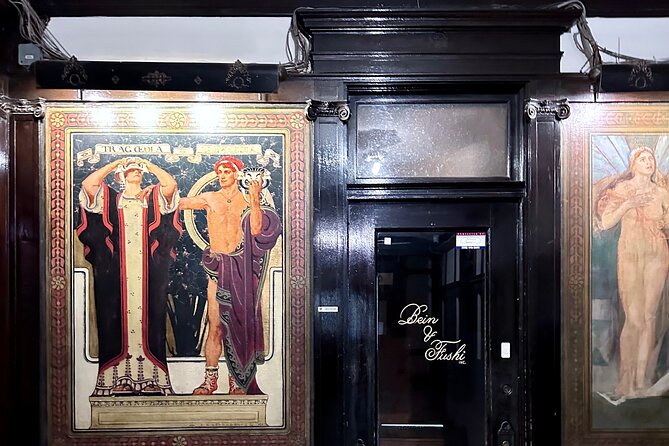
A lot of Chicago interiors are either polished for modern use or stripped down to museum-like emptiness. The Fine Arts Building doesn’t give you that. The guide points out that the hallway experience is remarkably close to what it was in the late 1800s.
When you’re standing in those corridors, you can feel the “designed for tenant flow” logic. These weren’t just decorative spaces. They were the connective tissue for careers. That’s where the tour’s storytelling clicks: the building isn’t presented as a relic; it’s presented as a lived-in machine for creativity.
This is also where you see the marriage of old industrial infrastructure with new creative purpose. The building’s 1896 connection to the Studebaker Brothers Carriage Company Showroom gives it a practical backbone. The 1898 hallway stability gives it a daily-life texture. Together, they help the building explain itself.
If you’re the kind of visitor who likes to spot “why” in architecture, pay attention to your guide’s pacing. They’ll slow down at the points where design choices connect to tenant life.
Studebaker Theatre and the string instrument workshop moments
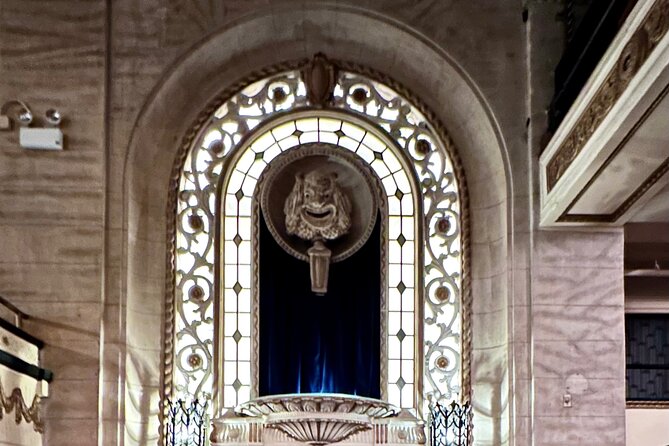
Some tours are “see a room, move on.” Here, the guide builds in a few higher-interest stops so the whole experience doesn’t blur together.
One stop is the Studebaker Theatre. Even if you’re not a theatre person, this kind of space changes your perception of the building. It hints that the Fine Arts Building wasn’t only for desk work or studio work; it also supported performances and public-facing culture.
Another standout is a stringed instrument factory or workshop type stop. Several accounts highlighted this as an unexpected bonus. This matters because it shifts the focus from art-as-a-view to art-as-a-process. You’re not only learning stories. You’re getting a sense of how makers work, how tools and materials show up in real ways, and why the building housed people who needed specialized space.
You’ll also hear about hand-made, close-up details. One memorable element described is Ustinov floor tiles, plus the kind of plaster/marble work you’d expect from a building that was meant to look both serious and refined.
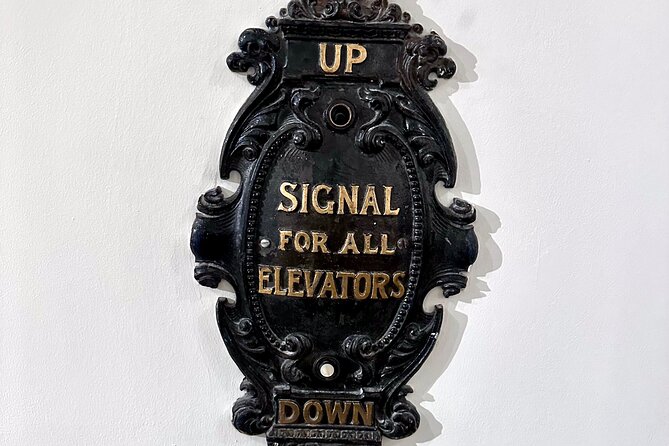
And yes, there’s a fun operational detail: you may get to ride a manual operated elevator during the tour. That kind of small moment makes the building feel physical, not staged.





Your guide experience: Ronnie Frey’s style and the photo link trick
A tour lives or dies by the guide’s voice and pacing. In the accounts I saw, Ronnie Frey is repeatedly praised for exactly the things that help you get value fast: he ties the design to the people, keeps the group moving, and adds enough context that you can actually connect names, time periods, and the building’s purpose.
One practical bonus: Ronnie reportedly provided a link for phones so you could view photos on your own device, including images of the old exterior and related historical visuals. That’s not just nice. It helps you compare what you’re seeing now with what used to exist, which is a big part of making a history-forward tour actually stick in your brain.
You might also hear connections to major creative figures connected with the building. One account specifically mentioned Frank Lloyd Wright and Norman Rockwell, which is a quick way to spark your interest if you’re arriving with a general Chicago architecture curiosity.
Finally, your guide may point out viewpoints from the building. One account described a space with views toward the Board of Trade and Willis Tower. That kind of moment helps you re-anchor what you learned back into the Chicago skyline you’re already familiar with.
Stairs, pacing, and who this tour fits best
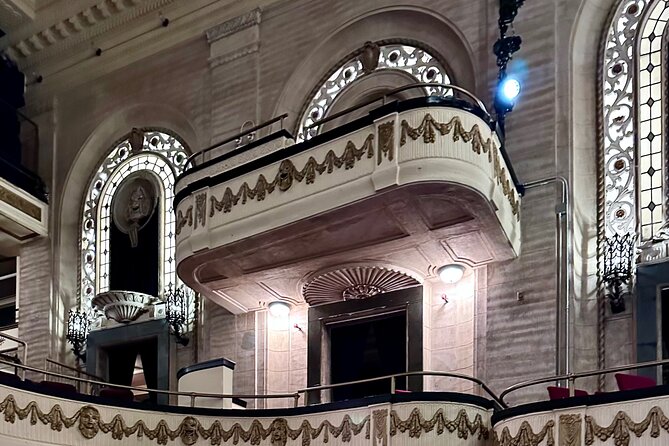
Let’s keep expectations straight. This isn’t a “sit while someone talks” experience. The tour is listed for moderate physical fitness, and stairs are part of the deal.
That’s normal for historic buildings, but it matters for planning. If you’re sensitive to stairs, go for comfortable shoes and a slower pace. If you can handle walking and short climbs, you’ll probably find the tour manageable and enjoyable.
Pacing is also part of the experience quality. One account noted the difficulty of keeping a small group together when latecomers arrive. The fix is simple: arrive early, and stick with your group. With a max of 10, your movement affects everyone’s rhythm.
Who will love this most:
- People who enjoy interiors more than big exterior-only sightseeing
- Anyone who likes architecture plus human stories
- Visitors curious about how creative trades lived in one concentrated Chicago address
- Travelers who appreciate a small-group guide that can answer questions
Who might find it less satisfying:
- If you’re only interested in the most famous, exterior landmarks and want minimal walking
- If you strongly dislike stair-heavy historic spaces
Value check: is $45 worth it for this one-building experience?
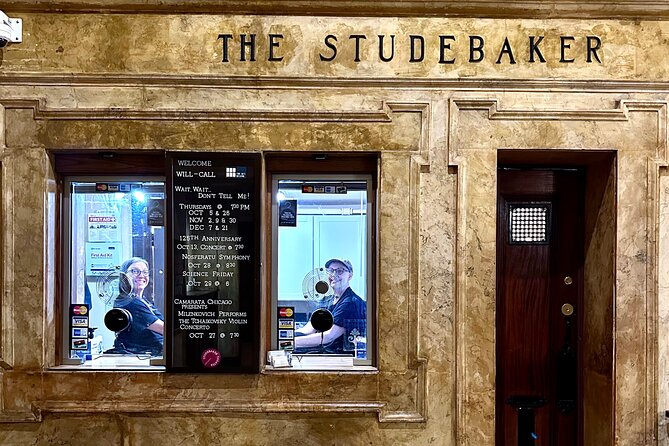
$45 might feel like a “specialty tour” price, and it is. So you should ask: what do you get for that money?
Here’s the honest breakdown:
- You’re paying for exclusive-feeling interior access to a working creative building rather than a quick pass-by
- You’re paying for a guide who connects Solon Spencer Beman to tenant stories and craft details you can’t easily spot on your own
- You get a small group (max 10), which means the tour stays focused and question-friendly
- The tour includes several high-interest stops and moments like the manual elevator and the string instrument workshop segment, rather than a single long corridor lecture
Also, the scope is tight. It’s one building, not a marathon. That’s good value when you want deep attention rather than constant movement between sites.
One small note: tipping isn’t included. If you’re happy with the guide (and accounts suggest you likely will), plan to tip.
Should you book the Inside Tour of Chicago’s Fine Arts Building?
If you want Chicago history that you can actually stand inside, this is a smart booking. The Fine Arts Building is not trying to be a theme park. It gives you an up-close look at how architecture supported creative work, with enough specific storytelling to make the building feel alive.
I’d book it if you enjoy interiors, architecture details, and human stories behind buildings. I’d think twice if stairs are a dealbreaker for you or if you’re after big outdoor sights only.
Overall: for $45, a max-10 guided walk through a 10-floor historic creative address is a solid, memorable use of time in the city.
FAQ
How long is the Inside Tour of Chicago’s Fine Arts Building?
The tour runs about 1 hour to 1 hour 30 minutes.
How much does it cost?
It costs $45.00 per person.
Where is the meeting point, and when does the tour start?
The meeting point is 410 Michigan Ave, Chicago, IL 60611, and the start time listed is 10:00 am.
Is the ticket mobile?
Yes. The tour uses a mobile ticket.
How many people are in the group?
The experience has a maximum of 10 travelers.
Is it physically demanding?
It’s listed for people with a moderate physical fitness level, and it involves stairs.
What happens if weather causes a cancellation?
The experience requires good weather. If it’s canceled due to poor weather, you’ll be offered a different date or a full refund.
Is tipping included in the price?
No. Tipping and gratuities are not included.