REVIEW · CHICAGO
Chicago: Magnificent Mile Walking Tour
Book on GetYourGuide →Operated by Chicago Architecture Center · Bookable on GetYourGuide
Few sidewalks teach so much so fast. This Magnificent Mile walking tour turns North Michigan Avenue into a story you can actually see: how a dirt road called Pine Street became Chicago’s “Paris on the Prairie,” and later the shopping-meets-skyscrapers district it is today. I love the way the guide connects architectural decisions to real buildings you can point at, and I also like the inside peeks that go beyond storefront photos, including a look at Medinah Athletic Club interiors and sculptural details in an Art Deco office space. The only real drawback is time: with a tight 90-minute route, you’ll cover the highlights, but you may wish you had a bit more street territory.
You start at the Chicago Architecture Center, so the walk has a built-in “welcome to Chicago architecture” warm-up. You also get admission to the CAC galleries, plus access to an interactive model showing downtown building development and the styles of Chicago skyscrapers. That combination matters, because it helps you recognize patterns before you hit the icons.
Do keep one thing in mind: it’s primarily about the buildings and the stories, not stopping for long breaks. Expect a brisk, city-walking pace, rain or shine, and plan around no luggage storage (and no pets).
In This Review
- Key Points You’ll Care About
- Start at the Chicago Architecture Center, Then Head Straight to North Michigan Avenue
- Pine Street to Paris on the Prairie: How Daniel Burnham’s Ideas Land on Michigan Avenue
- DuSable Bridge and the Commercial Turn: From Industry to Skyline
- The Michigan Avenue Stroll: Where Architectural Icons Become Landmarks
- Wrigley Building Stop: A Quick Moment With a Big Payoff
- The InterContinental Magnificent Mile Area: Hotels and Brands Built Into the City
- Inside the Medinah Athletic Club: Egyptian-to-Renaissance Decor That Shows Off Chicago Taste
- Art Deco Office Interiors: Bas Relief Panels You Can Actually Study
- Burberry and Apple Stops: Brands, But Also Building Purpose
- The CAC Admission Helps You See More After the Tour
- Practical Value: Why the $35 Price Actually Works
- Who This Tour Fits Best
- Should You Book Chicago’s Magnificent Mile Walking Tour?
- FAQ
- How much does the Magnificent Mile walking tour cost?
- Where do I check in for the tour?
- What is included in the tour price?
- What should I expect to see on the walk?
- Is food or drink included?
- Is the tour wheelchair accessible?
- Can I bring luggage or a stroller?
- Are pets allowed?
- Does the tour run in bad weather?
- Is the tour guided in English?
Key Points You’ll Care About
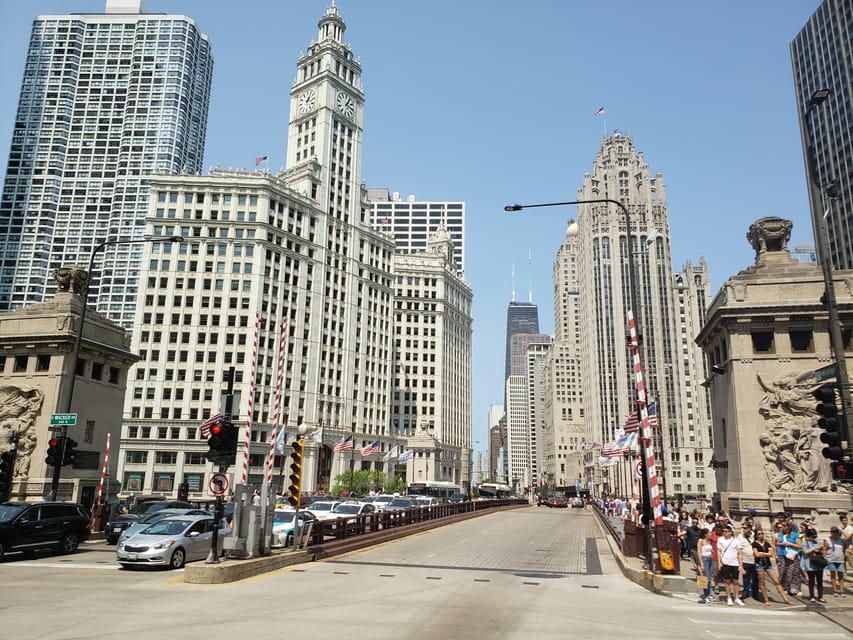
- Pine Street to Magnificent Mile: the tour traces the origin story of the avenue’s makeover from dirt road to luxury boulevard
- Real architectural icons: you get the context behind major downtown landmarks you can see along North Michigan Avenue
- Shopping district with design intent: you’ll notice how hotels, residential towers, and “vertical malls” were built to match the brands
- Inside details, not just outside views: you’ll see Medinah Athletic Club decor and Art Deco sculptural panels
- Chicago Architecture Center start: gallery time and models help you read the skyline faster
- 90 minutes, focused route: great for first-timers, but don’t expect a long, sprawling neighborhood crawl
Start at the Chicago Architecture Center, Then Head Straight to North Michigan Avenue
The tour begins inside the Chicago Architecture Center at 111 E Wacker Drive. That opening is more useful than it sounds. Before you walk, you get a chance to orient yourself in a place dedicated to how Chicago buildings work—styles, periods, and the city’s design ideas.
Included is admission to the CAC Galleries, and you’ll also see an interactive model of Downtown Buildings, plus models showing how skyscrapers developed and the different architectural styles Chicago is known for. Even if you only skim at first, it sets your brain up for pattern recognition as you move. You start to look past the obvious “wow” facades and notice why certain structures feel the way they do.
This also makes the value feel real. You’re not paying just for a guided walk; you’re also buying an architecture primer you can use immediately during the tour itself.
You can also read our reviews of more walking tours in Chicago



Pine Street to Paris on the Prairie: How Daniel Burnham’s Ideas Land on Michigan Avenue
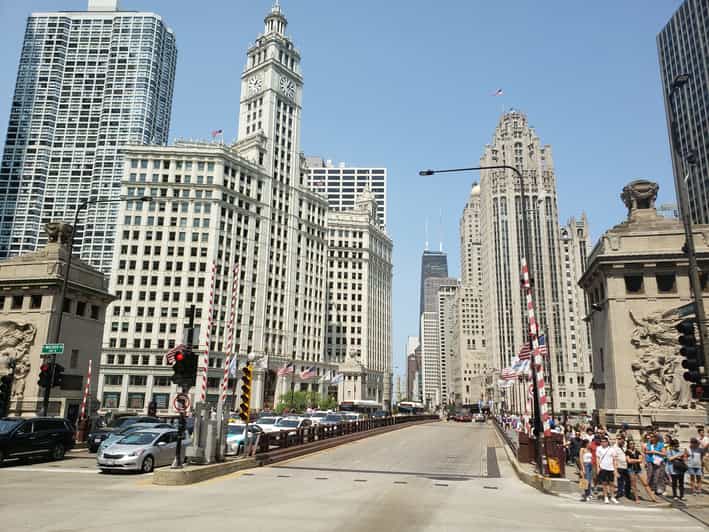
The tour’s first big payoff is the origin story. You’ll learn about Pine Street, once described as a dirt road, and how Chicago transformed it into an idea of grandeur—what people framed as Paris on the Prairie. This isn’t just trivia. The point is to show how a city turns an unglamorous stretch into a carefully designed statement.
As you move along North Michigan Avenue, the guide connects the transformation to the influence of Daniel Burnham and the Plan of Chicago (1909). That matters because it helps you understand why the avenue doesn’t feel random. It’s planned to be wide, impressive, and visually coherent, with design choices meant to project confidence.
Look for moments when the buildings seem to “talk to” each other—same street-level intention, similar massing rhythms, and the sense that the avenue was built to be photographed. That’s not an accident. It’s the result of big-city planning ideas being applied in brick, steel, and stone.
DuSable Bridge and the Commercial Turn: From Industry to Skyline
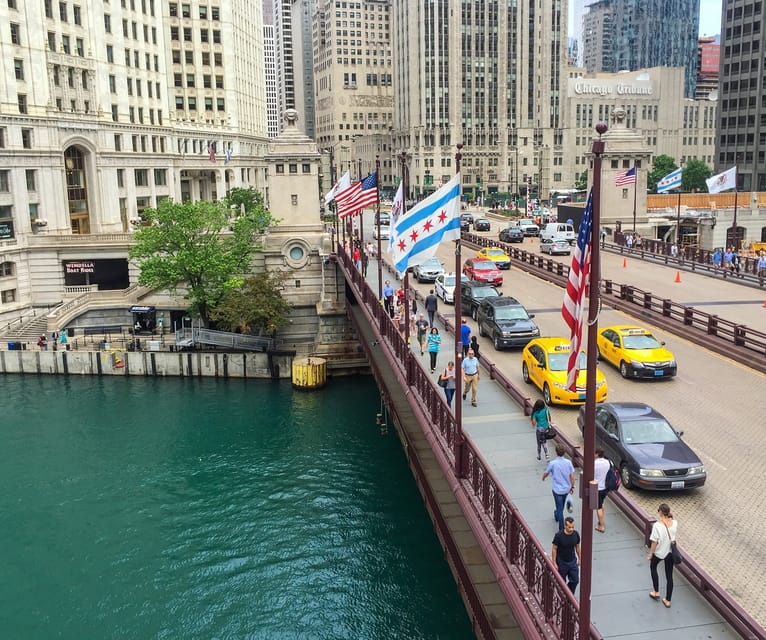
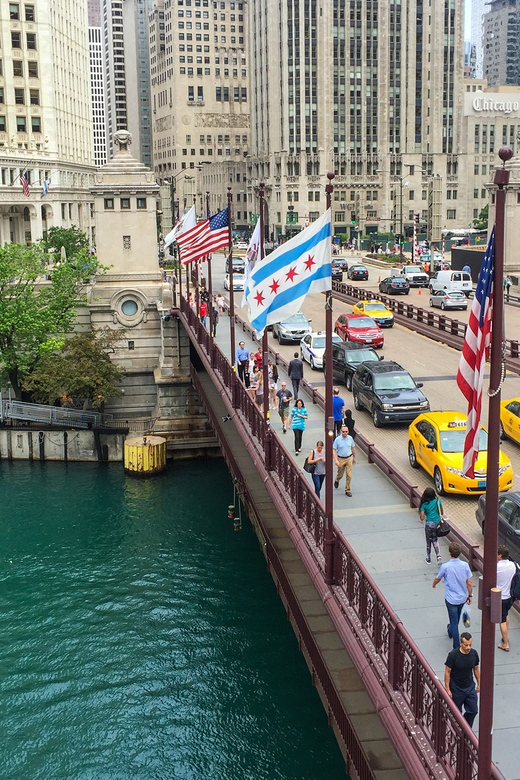
Next comes the story behind the area’s shift from a working landscape to a commercial one, tied to the DuSable Bridge. You’ll hear how the bridge, built in the 1920s, changed the context around it—helping transform warehouse and factory zones into more business-forward territory.
This section is useful if you’ve only seen Chicago as a postcard. The architecture around the Magnificent Mile makes more sense once you understand it grew up alongside commerce and transportation. A bridge didn’t just connect neighborhoods. It helped change what the land was worth and what kind of buildings people wanted there next.
So as you walk, pay attention to how quickly the area “reads” as downtown. Even when you’re close to shopping, the avenue has a business core in the way the streets and buildings are laid out.
The Michigan Avenue Stroll: Where Architectural Icons Become Landmarks
This is where the tour becomes satisfying in a practical way. You’re walking the kind of street where you can spot a famous building, then immediately learn what makes it part of Chicago’s larger story.
You’ll hear about well-known names associated with North Michigan Avenue and the greater downtown skyline, including references to the Tribune Tower, the Wrigley Building, and 875 N. Michigan Ave.—noted here as formerly the Hancock Tower. You also learn the secrets behind why these landmarks became architecture icons known around the world.
The best part is the framing: the guide doesn’t treat each building as a standalone artwork. Instead, it’s about how Chicago’s design mindset shows up repeatedly—attention to form, a sense of vertical drama, and details meant for people walking at street level as much as for people looking up from far away.
If you’re a first-time visitor, this section gives you a fast “cheat sheet” for what to watch for later. After the tour, when you see a tower, you’ll be able to think: style period, design purpose, and how it fits the street.
Wrigley Building Stop: A Quick Moment With a Big Payoff
The tour includes a brief stop near the Wrigley Building. Even with limited time here, it works because you’ve already been primed with the avenue’s transformation story.
Use this stop to slow down for a minute. Look at the building as a reminder that Chicago’s architecture doesn’t only live in skyscrapers far above your head. The Wrigley Building’s appeal comes from how it signals identity in the downtown scene—something you can recognize even if you don’t memorize architectural terms.
This is one of those stops where the guide’s explanation can change how you see the shape of the structure. It’s less about checking a box and more about learning what to notice.





The InterContinental Magnificent Mile Area: Hotels and Brands Built Into the City
As the tour continues, you’ll pass by the InterContinental Chicago Magnificent Mile area. That hotel stop isn’t random. It’s part of the explanation for how the street’s final transformation created a high-end zone made of skyscrapers, hotels, residential towers, and other building types designed around the brands inside.
This is where you’ll start seeing the idea of vertical mixing—people often call it “vertical malls,” and the tour focuses on how buildings shaped for commerce also shaped the skyline. Instead of thinking of a hotel or retail tower as separate from architecture, you get the connection: this district was designed to sell lifestyle, not just products.
And that’s why this segment feels modern and relevant. It’s not only about old planning or old styles. It’s about how the present-day shopping-and-stay district is still an architecture story.
Inside the Medinah Athletic Club: Egyptian-to-Renaissance Decor That Shows Off Chicago Taste
One of the strongest reasons to do this tour is the inside access to the Medinah Athletic Club. You’ll see decor that runs from Egyptian to Renaissance styles.
This is the kind of detail that changes your mental map of the city. Chicago can feel like a showdown between glass-and-steel skyscrapers and historic landmarks. The Medinah stop reminds you the city also has interior showmanship, where style choices create a mood and signal status.
Don’t treat this as a quick peek. Instead, use it to practice reading interiors the way you read facades outside. The guide helps you connect the decorative choices to the broader architectural culture that shaped Chicago through different eras.
Art Deco Office Interiors: Bas Relief Panels You Can Actually Study
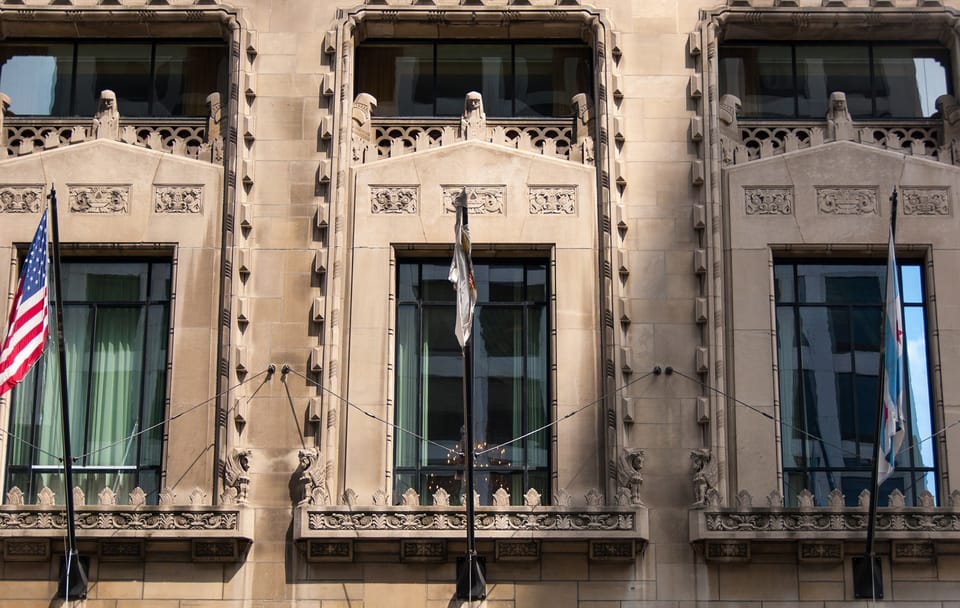
Another standout is the view of bas relief sculptural panels inside an Art Deco office building. This matters because it’s a different kind of “architecture literacy” than what you get from street-level icons.
Bas relief is a lesson in how depth and texture can be used to make a surface feel alive. When you see panels like this in person, you notice craftsmanship that you’d miss if you only scanned photos. The guide’s timing here helps: you’re not wandering randomly. You’re being directed to look where the design language is doing real work.
Art Deco also tends to reward attention. It loves geometric logic, ornament used with purpose, and surfaces that look like they’re engineered rather than merely decorated.
Burberry and Apple Stops: Brands, But Also Building Purpose
The route includes short stops near major storefronts like Burberry and Apple Michigan Avenue. Those stops might sound like pure retail tourism, but the guide uses them as a way to explain something bigger: how the Magnificent Mile’s architecture supports the idea of luxury shopping and the “hotel-and-brand lifestyle” the district sells.
The buildings here are designed to make the brands feel permanent and high-status. That’s not just marketing. It’s reflected in how spaces meet the street and how the vertical structure frames what’s inside.
Think of these as quick wayfinding moments too. If you’re planning your own self-guided wander after the tour, these landmarks help you navigate without getting overwhelmed by how many big names and buildings crowd the avenue.
The CAC Admission Helps You See More After the Tour
One of the smartest aspects of this experience is the included architecture center entry. You’re not just walking and learning. You’re also given tools to keep learning after the guide finishes.
That interactive model of downtown development can help you understand why Chicago’s skyline doesn’t just happen. It evolves—style by style, era by era—and the city’s growth is visible when you’re looking at the right scale.
So even if you only take in part of the galleries on day one, you’ll likely return later and look differently. The tour does a nice job of giving you a framework, then sending you out to test it with your eyes.
Practical Value: Why the $35 Price Actually Works
At $35 per group up to 1 for a 90-minute walking tour, the value depends on what you want from a Chicago visit. If you’re looking for architecture context without spending hours researching, this is efficient. The price also includes admission to the Chicago Architecture Center’s Galleries and a professional, certified guide—two things that would cost you separately if you tried to build the day on your own.
If your goal is purely retail shopping, you might feel like you’re paying for stories you don’t need. But if you’re the type who likes knowing what you’re looking at—what inspired a planning decision, why a building became an icon, why the district evolved the way it did—this pricing makes sense.
The tour is also structured for people who want the highlights without committing to a full day. That’s not a small thing in a city where the Magnificent Mile can eat time fast.
Who This Tour Fits Best
I’d book this if you:
- Want an architecture-focused walk on North Michigan Avenue without planning research first
- Enjoy street-level storytelling and learning why buildings matter
- Like mixing big-name skyline landmarks with inside stops like Medinah Athletic Club and an Art Deco interior
- Have limited time in Chicago and want a high-impact 90 minutes
I’d skip it (or ask questions before booking) if you:
- Want a long, meandering neighborhood walk with lots of side streets
- Have strong needs for storage for luggage/strollers, since secure storage isn’t provided
Should You Book Chicago’s Magnificent Mile Walking Tour?
Yes, if you want a guided, architecture-smart way to experience the world-famous shopping corridor of Chicago. This tour gives you more than brand stops. It connects the avenue’s transformation—Pine Street to Paris on the Prairie—to the buildings you’ll recognize, plus it adds inside access to Medinah Athletic Club and an Art Deco interior with sculptural panels.
If you hate walking fast or you crave lots of extra blocks beyond the core highlights, you might find it too tight for your taste. But for most first-timers, it’s a focused, high-value introduction to how Chicago planning and architecture created one of America’s best-known downtown streets.
FAQ
How much does the Magnificent Mile walking tour cost?
The price is $35 per group (up to 1). It lasts about 90 minutes.
Where do I check in for the tour?
You check in inside the Chicago Architecture Center at 111 E Wacker Drive, Chicago, IL 60601.
What is included in the tour price?
The tour includes admission to the Galleries of the Chicago Architecture Center and a professional, certified guide.
What should I expect to see on the walk?
You’ll learn how Pine Street transformed into the Magnificent Mile, hear stories behind buildings on North Michigan Avenue, see architectural icons, and have inside visits including the Medinah Athletic Club and bas relief sculptural panels in an Art Deco office building.
Is food or drink included?
No. Food and drink are not included.
Is the tour wheelchair accessible?
The tour is listed as wheelchair accessible, but it is also noted as not suitable for people with mobility impairments, so it’s smart to confirm details with the provider if you have concerns.
Can I bring luggage or a stroller?
No. There is no storage for luggage or strollers, and luggage or large bags are not allowed.
Are pets allowed?
Pets are not allowed, but service animals are welcome.
Does the tour run in bad weather?
The tour departs rain or shine, and there are no refunds due to weather.
Is the tour guided in English?
Yes, the live guide language is English.