REVIEW · CHICAGO
Private Chicago Architecture Walking Tour
Book on Viator →Operated by ForeverVacation · Bookable on Viator
A Loop walk can be a rush of stone and stories. This private architecture tour strings together major Chicago landmarks with ticketed access and a guide who keeps the buildings readable. You’ll move at a human pace, with enough stops to actually take notes instead of just snapping photos.
What I like most is the way the route mixes “old money office towers” with “civic Chicago” in one circuit. And I also love the small comfort details like bottled water and lunch, so you don’t turn the afternoon into a snack scramble.
One thing to weigh: building access can be limited. You won’t necessarily go inside every stop, and weekend schedules can cut down the inside time even when the sights are still on the agenda.
In This Review
- Key things to know before you go
- A money-and-meaning Loop walk in 3 hours
- Price and value: what you’re paying for
- Start: Fine Arts Building to Wrigley Building (and why that matters)
- Stop 1: Marquette Building, speculative offices and investor math
- Stop 2: The Rookery Building at LaSalle and Adams
- Stop 3: Palmer House Hilton Historic Lobby and early tech in a hotel
- Stop 4: Sullivan Center (Carson Pirie Scott) and the Chicago School style
- Stop 5: Chicago Athletic Association Hotel, Venetian Gothic meets modern comforts
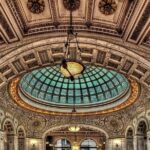
- Stop 6: Chicago Cultural Center, Tiffany dome and public programs
- Stop 7: Tribune Tower, Gothic spires and a lobby you’ll want to linger in
- Stop 8: Wrigley Building, French Renaissance ornament and the clock tower
- What lunch and bottled water change about the day
- Inside access may vary: what to expect when doors are closed
- Who this tour fits best
- Quick logistics tips that make it smoother
- Should you book this private Chicago architecture tour?
- FAQ
- What time and where does the tour start and end?
- How long is the tour?
- Is this a private tour?
- What language is the guide?
- What’s included in the price?
- Is lunch included for sure?
Key things to know before you go
- Private group only: only your group joins, not a mixed crowd.
- A ticket-forward route: several major interiors are included with admission.
- Loop landmarks, tightly planned: 8 stops in about 3 hours with short, focused time blocks.
- Lunch is part of the package: plan to eat with the tour rather than hunting down a restaurant.
- Start downtown, end at Wrigley: the walk finishes near the clock tower for easy onward plans.
- Inside access may vary: depending on closures and day-of timing.
A money-and-meaning Loop walk in 3 hours
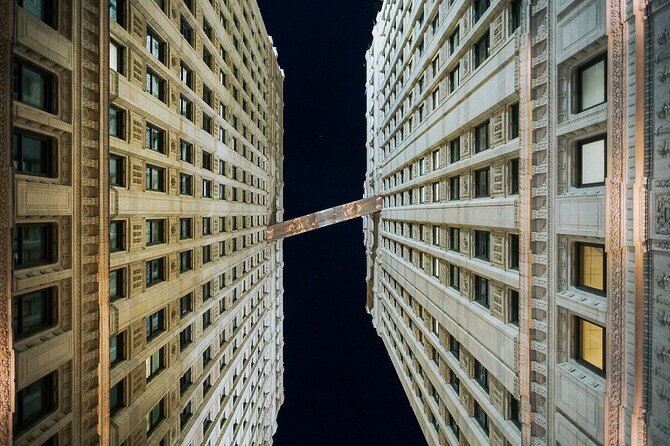
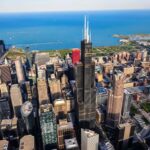
Chicago’s skyline can feel like a quiz you didn’t study for. This tour answers it fast. You’re not just seeing famous facades—you’re learning what each building was trying to do, economically and culturally, when it first went up.
I like that the pace doesn’t drag. Most stops are around 15–30 minutes, which is long enough to notice details and short enough that you still feel fresh at the end.
And since this is a private experience, you can ask practical questions without feeling rushed or competing with a larger group. That matters on a walking tour, where timing and weather can already push you along.
You can also read our reviews of more walking tours in Chicago



Price and value: what you’re paying for
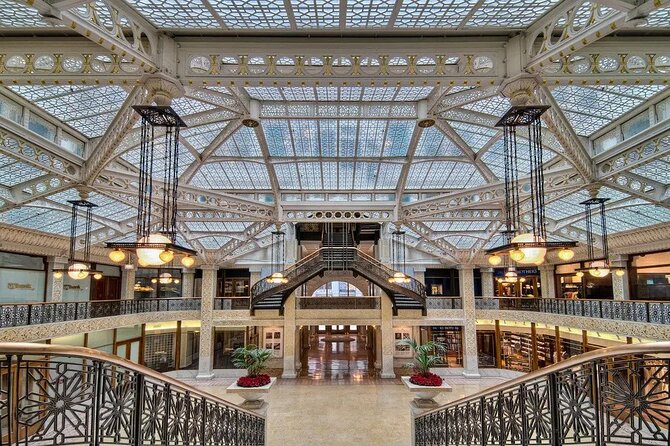
The price is $211 per person for about 3 hours, private. That number looks steep until you break down what’s bundled.
You get an English-speaking guide, lunch, bottled water, and all fees and taxes. On top of that, admission is included for most of the major interior stops (with a couple stops explicitly listed as free entry). If you’ve ever tried to DIY this route—tickets, time, and figuring out what’s open—that “hidden work” gets expensive fast.
Is it perfect value? It depends on your priorities. If you mainly want outdoor photos and don’t care about entering lobbies, buying tickets, or listening to context, you could save money going on your own. If you want the buildings explained in plain language and timed well, this package pays you back quickly.
Start: Fine Arts Building to Wrigley Building (and why that matters)
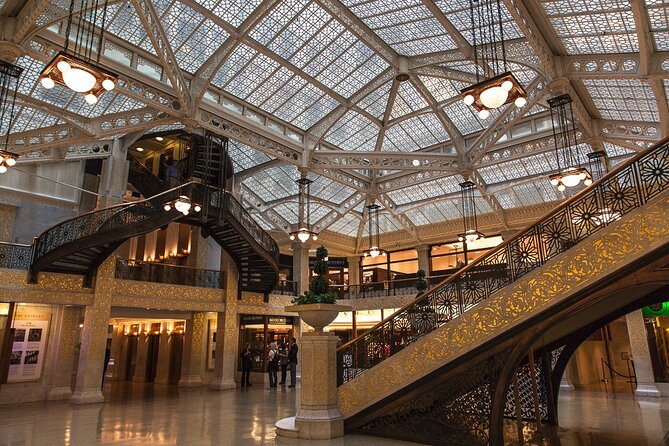
Your tour starts at the Fine Arts Building, 410 S Michigan Ave, and ends at the Wrigley Building, 400–410 Michigan Ave. That end point is a smart move: it keeps you near the waterfront-facing views and a major downtown landmark for easy connections afterward.
Also, both sides of the route are well served by transit. If you’re using the CTA, you can hop in and out of the Loop without turning the day into a bus-and-train marathon.
And because you get a mobile ticket, you’re not hunting for printouts or worrying about losing paper in a tote bag.
Stop 1: Marquette Building, speculative offices and investor math
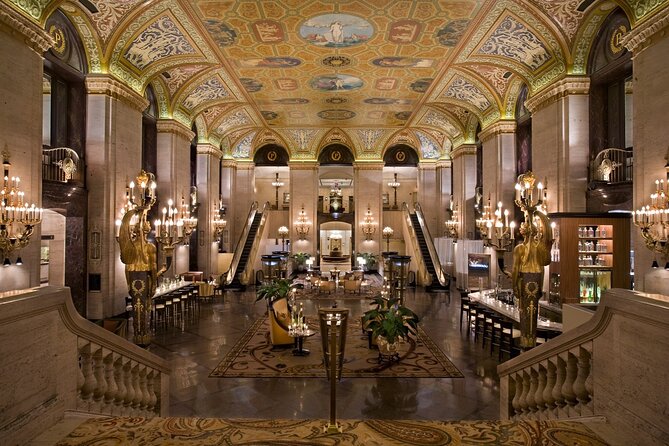
The Marquette Building is one of those Chicago towers that makes you think about business first. It was built during the 19th-century boom and became a standout in profitability. The idea was simple and aggressive: create a high-quality set of office spaces meant to profit investors who were betting the city would grow.
The practical win here is that you’re learning how Chicago developed its office-corridor identity. When you understand the money logic behind these buildings, the architecture feels less decorative and more purposeful.
Time on this stop is about 20 minutes, with an admission ticket included. That’s enough to get the “why it was built” angle and still move before your feet start filing a complaint.
Stop 2: The Rookery Building at LaSalle and Adams
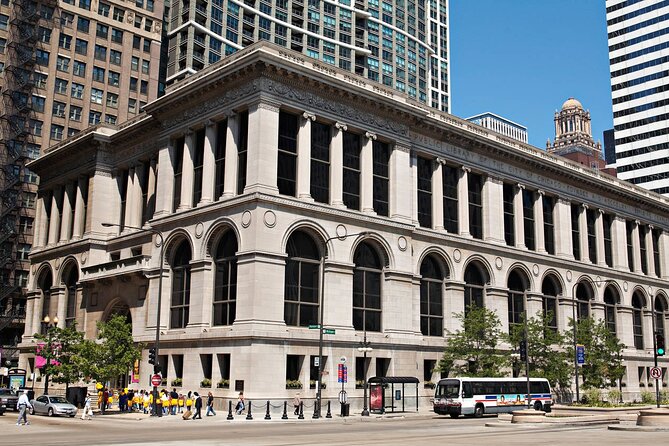
Next is the Rookery Building, sitting at LaSalle and Adams—right in the thick of the financial corridor. When it opened, it was described as the largest and finest office building in the United States, which tells you this wasn’t a minor project.
This stop helps you see Chicago’s evolution in a single walk. You start with speculative office-building logic at Marquette, then you come to a building that aimed for top-tier prestige.
You’ll have about 20 minutes and admission included. The biggest tip for you here: slow down for the details, not just the skyline shot. Look at how the building is organized and what kind of “arrival feeling” it creates for people working there.
You can also read our reviews of more private tours in Chicago





Stop 3: Palmer House Hilton Historic Lobby and early tech in a hotel
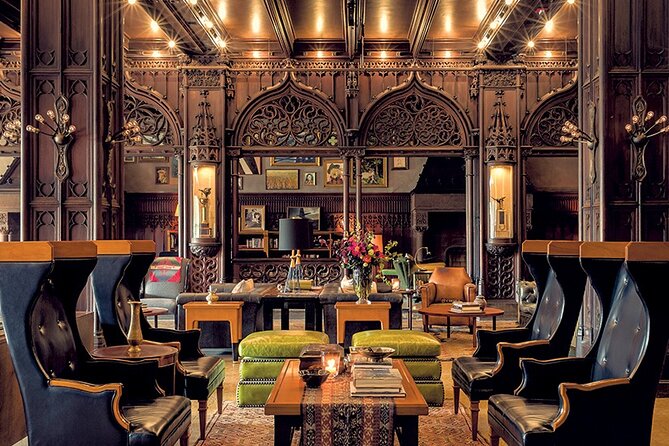
Then you hit a change of pace: Palmer House Hilton Historic Lobby. This is a historic hotel in the Loop and is described as the longest continuously operating hotel in North America.
The standout claims are practical, not vague: it was the city’s first hotel with elevators, the first with electric light bulbs, and the first with telephones in guest rooms. That’s architecture-as-infrastructure. The hotel wasn’t just stylish—it changed how people could travel and stay.
You’ll get about 10 minutes here, and it’s listed as free admission. With a stop that short, your best strategy is to focus on one or two “wow” features and let the rest blur into background. Ten minutes can disappear fast in a lobby if you try to read everything.
Stop 4: Sullivan Center (Carson Pirie Scott) and the Chicago School style
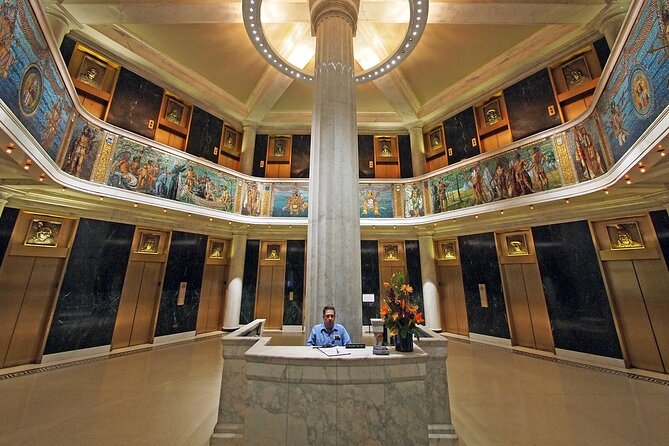
The Sullivan Center, formerly the Carson Pirie Scott store, is where the tour leans into Chicago School architecture. It was built between 1899 and 1903 and is treated as an important piece of tall-building history. It also keeps a direct retail connection—used for retail trade throughout much of its life.
It’s declared a Chicago landmark (1975), which is another reminder that this building is about more than aesthetics. It’s tied to how downtown retail and business life worked.
You’ll spend about 20 minutes and admission is included. If your feet are tired by this point, this is still a great stop to reset: retail storefront scale and interior layout tend to be easier to take in than trying to decode an exterior facade alone.
One reality check: because building access can vary, you may or may not get the full inside experience depending on the day.
Stop 5: Chicago Athletic Association Hotel, Venetian Gothic meets modern comforts
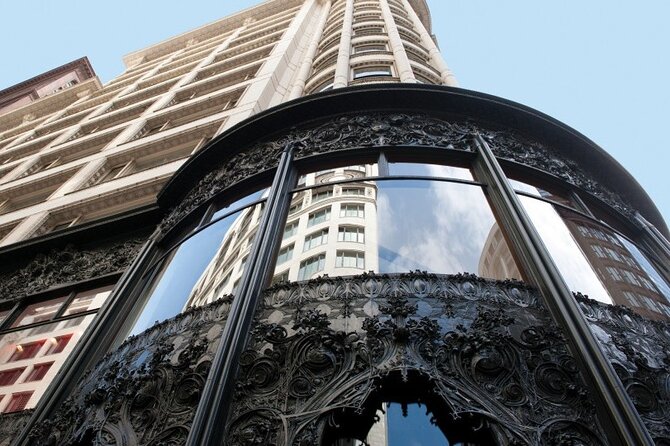
Next is the Chicago Athletic Association – The Unbound Collection by Hyatt, a building that moves you from commercial office stories into club-life and hospitality.
This is an 11-story Venetian Gothic structure designed by Henry Ives Cobb and completed in 1893. From construction until 2007, it operated as a private club for wealthy Chicagoans. The modern renovation is described as preserving a lot of the original ornate interior details—bells, trims, paneling—so it still feels like the old building, not a total wipe-and-rebuild.
You also get location payoff: it’s across from Millennium Park. That means you can glance in that direction and keep your bearings as you walk the rest of the day.
Time here is about 30 minutes, and it’s listed as free admission. This stop usually works well if you like texture: molding, trims, and the sense of “room” that old grand interiors create.
Stop 6: Chicago Cultural Center, Tiffany dome and public programs
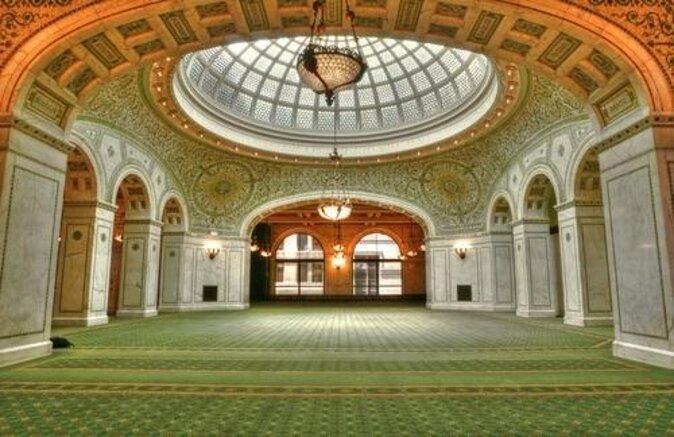
The tour then pivots to the city’s cultural engine: the Chicago Cultural Center. It’s described as taking up an entire city block and as a central spot for downtown Loop culture.
The headline feature is the world’s largest Tiffany stained glass dome. Beyond that, the Cultural Center runs more than 700 humanities programs a year, and many are free and open to the public.
You’ll spend about 30 minutes and have admission included. This is one of those stops where you’ll either want to wander a bit on your own once you’re oriented, or you’ll appreciate the guide pointing out which rooms and features to prioritize.
If you’re traveling with kids or anyone who gets museum fatigue, this stop can still work because it’s active and public-facing. Even a quick visit feels like part of the city, not just a separate attraction.
Stop 7: Tribune Tower, Gothic spires and a lobby you’ll want to linger in
The Tribune Tower is one of Chicago’s most iconic silhouettes. It rises 36 stories, yet the building’s Gothic spires and lobby have become signature features.
The lobby is described as shrine-like, with inspirational quotes. That detail matters because you’re not just reading architecture here—you’re reading values that the building is projecting.
You’ll have about 15 minutes and admission included. For this stop, I’d keep your photo plan simple: get the exterior spires, then commit to one careful look inside. With a short time window, you’ll get more satisfaction being selective than trying to see everything at once.
Stop 8: Wrigley Building, French Renaissance ornament and the clock tower
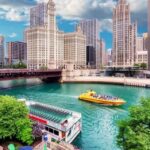
The final stop is the Wrigley Building, a 1920s icon. It has French Renaissance elements, but the clock tower is the star: 130 meters (425 feet).
This is a strong closing act because it gives you that skyline anchor. When you’re done, you don’t feel like you’ve been deposited somewhere random—you end at a landmark you can keep using as a reference point for the rest of your trip.
Time is about 15 minutes, with admission included. If you want to make the most of the last moments, stand back for a minute and look at the building’s scale compared with the street around it. Chicago loves “big sky + big buildings,” and Wrigley is an easy way to see that relationship clearly.
What lunch and bottled water change about the day
Some walking tours feel like a sprint from one photo angle to another. Here, the inclusion of lunch and bottled water helps you stay focused.
Lunch isn’t just convenience. It changes how long you can hold attention on architecture details. If you’ve ever tried to tour downtown while hungry, you know your brain starts prioritizing calories over cornices. This tour removes that problem.
That said, here’s a real-world caution you should consider. One past guest pointed out that lunch may not always match what’s described, even when confirmation emails suggest otherwise. So I’d recommend you verify lunch inclusion and details with the operator before the day of the tour, especially if you have dietary needs.
Inside access may vary: what to expect when doors are closed
This is a private tour, but access isn’t controlled by the guide. Some stops list admission included, yet you might not go into every building the way you’d imagine.
Even more, weekend tours can be more limited for inside access when places are closed or rules change. The best mindset is: plan for iconic views and exterior-to-interior storytelling, but expect that a few “inside time” moments may be shortened.
If inside access is your top priority, ask what locations are expected to be open on your specific date. That one question can save disappointment.
Who this tour fits best
This private architecture walking tour is a great match if you want:
- A structured route through the Loop’s major landmarks
- A mix of commercial towers and civic spaces
- Interior access where possible, plus context you can actually remember
- Comfortable timing for people who don’t want a long, all-day marathon
It’s also a good option for couples or small groups who like asking questions without feeling crowded out. If your travel style is more “wander and discover,” you could still enjoy it, but you might find the route less flexible than a self-guided approach.
Quick logistics tips that make it smoother
Bring shoes you can trust. The Loop is flat, but you’re covering enough ground that comfort matters.
Dress for Chicago weather. In summer, you’ll want a light layer you can stash. In colder months, keep a hat or hood handy—you’ll be outside between stops.
And since it’s a private tour, consider arriving a few minutes early at the start near the Fine Arts Building. You’ll settle in faster and waste less time regrouping.
Should you book this private Chicago architecture tour?
If you want a guided, efficient way to understand why Chicago’s architecture looks the way it does—and you care about entering key interiors—this tour is an easy “yes.”
It’s especially worth it when you value the bundle: guide + admissions (mostly) + lunch + water + private format in a tight 3-hour window. That makes it feel less like paying for footsteps and more like paying for interpretation.
The only strong “pause” is if you’re booking specifically for full inside access at every stop, or if you’re traveling on a weekend and you hate the idea of doors not cooperating. In that case, confirm access expectations and lunch details ahead of time.
FAQ
What time and where does the tour start and end?
The tour starts at the Fine Arts Building, 410 S Michigan Ave, Chicago, IL 60605. It ends at the Wrigley Building, 400-410 Michigan Ave, Chicago, IL 60611.
How long is the tour?
The tour is about 3 hours.
Is this a private tour?
Yes. It’s listed as a private tour/activity, so only your group will participate.
What language is the guide?
The tour is offered in English, with an English-speaking guide included.
What’s included in the price?
Included items are bottled water, all fees and taxes, an English speaking guide, and lunch.
Is lunch included for sure?
Lunch is listed as included, but one past guest said lunch was not included even though it was described and confirmed in advance. It’s smart to double-check the lunch details with the operator before you go.