REVIEW · CHICAGO
Explore the Historic Old Post Office in Chicago
Book on Viator →Operated by Chicago Architecture Center · Bookable on Viator
Chicago’s history is still working.
This Old Post Office tour is interesting because you walk through a building that was reborn from near-empty vacancy into a modern, light-filled workplace while keeping major architectural features intact. I love the adaptive reuse story, especially how the former mail powerhouse became a current Class A office and event space. I also love the specific details you’re shown in person, like the Main Lobby and the striking zig-zag and postcard walls that can’t be fully understood from photos.
One thing to consider: it’s a working commercial building with rules, so no photography and there’s no coat check or storage, which matters if you’re arriving from a long day of sightseeing.
In This Review
- Key highlights you shouldn’t miss
- Why this restored post office feels like two eras at once
- Getting oriented at 433 W Van Buren St
- A building that went from mail hub to modern Class A space
- Main Lobby: where the architecture grabs you first
- The zig-zag wall and postcard wall: small forms with big meaning
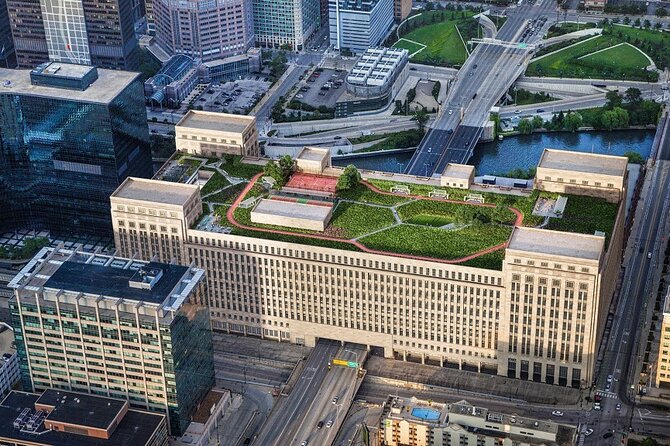
- The rooftop meadow and the 3.5-acre urban sky park
- Adaptive reuse in action: what makes this renovation worth caring about
- Docent-led format: how guides make the details click
- Price and value: $15 for 90 minutes in a landmark building
- Practical tips that keep your day smooth
- Who should book this Old Post Office tour
- Should you book the Old Post Office tour?
- FAQ
- How long is the Old Post Office tour?
- How much does it cost?
- Where does the tour start?
- Is the ticket mobile?
- What’s included with admission?
- Are food or drinks included?
- Is photography allowed?
- Are pets allowed?
- Is there storage or a coat check?
- What if plans change?
Key highlights you shouldn’t miss
- Main Lobby at full scale: you get the view in real life, not just in postcards
- Iconic interior features: the zig-zag wall and postcard wall are major stops
- Rooftop park payoff: the tour includes the rooftop meadow tied to the 3.5-acre sky park
- Docents bring artifacts: maps and old photographs help you connect past and present
- Small group energy: capped at 21 travelers, so questions land
Why this restored post office feels like two eras at once
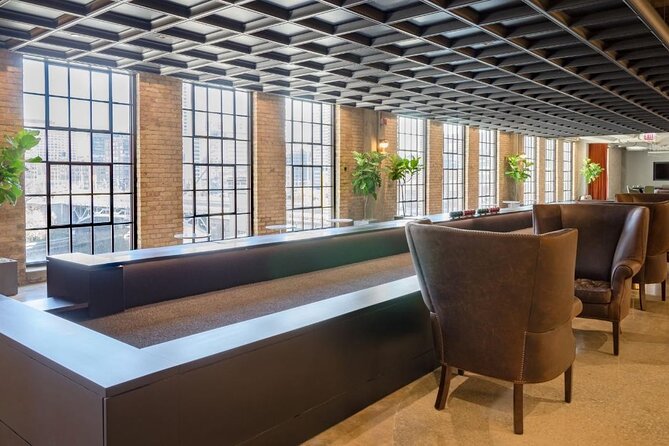
The Old Post Office in Chicago has always had personality. The big question was what would happen after it sat vacant for almost two decades. This tour answers that question in a very practical way: you see how the building’s original design can survive a serious, modern rework without turning into a bland copycat.
The renovation wasn’t just about making offices. It was about keeping the architectural spine and making it functional again for today’s needs—light, space, and places to gather. You walk through old grandeur with a modern rhythm.
And the best part is how the tour teaches you to look. You’re not just passing rooms. You’re learning what you’re seeing and why it was worth preserving. That makes the building feel less like a monument and more like a live, breathing piece of Chicago.
You can also read our reviews of more historical tours in Chicago


Getting oriented at 433 W Van Buren St
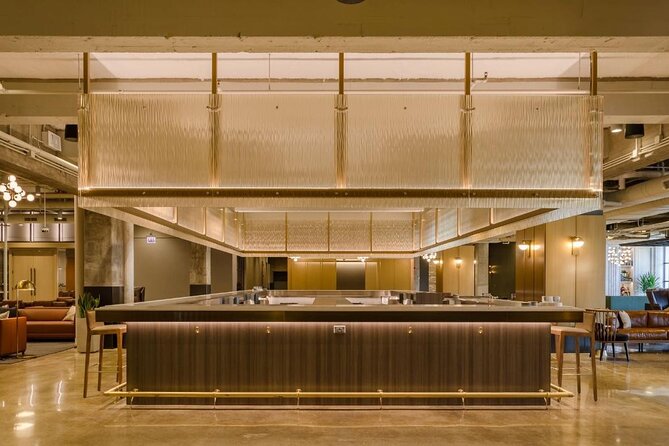
You meet at 433 W Van Buren St, on the south side of downtown near public transportation. The tour starts at 11:00 am and runs about 90 minutes. Tickets are mobile, which is convenient if you don’t want one more paper thing in your day bag.
The group is limited to 21 people, so you’ll get a calmer experience than big-bus style tours. Also, this is an active commercial space, so the route can shift if building management needs to. Plan to be flexible.
Practical note: photography isn’t allowed. That means you’ll want to use your eyes and take notes instead of planning a photo spree.
If you’re the type who enjoys “how did they pull that off?” stories, this tour is built for you.
A building that went from mail hub to modern Class A space
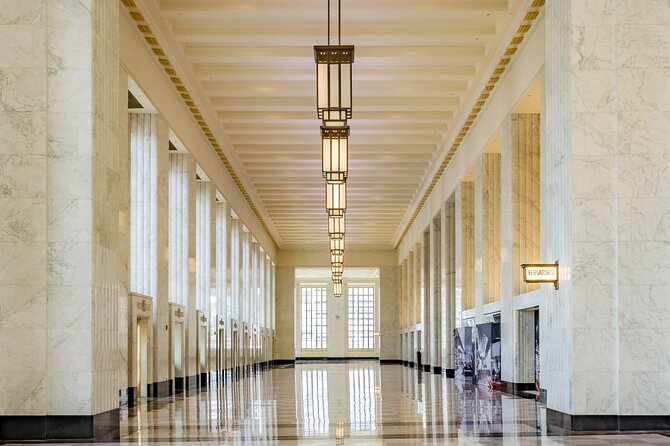
This isn’t a generic restoration tour. The Old Post Office was completed in 1934, and it was designed for large-scale operations—so the structure and interior volume were built to move and handle huge amounts of mail. When the building was repurposed, that original engineering became a huge advantage.
The tour frames adaptive reuse in plain language: when you reuse a historic building well, you avoid starting over from scratch. You also keep cultural and architectural memory in the city.
The tour also connects the past to the present by showing how historic elements were incorporated rather than erased. The idea is simple, but it takes real design work: keep what matters, then make it work for today. That’s why the tour feels like more than sightseeing. You’re learning how transformation happens—floor by floor, detail by detail.
Main Lobby: where the architecture grabs you first
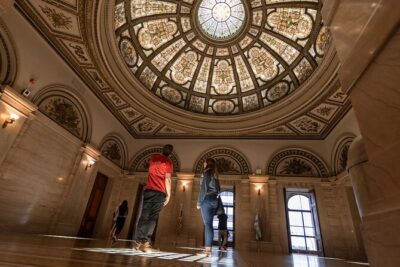
If you’ve seen the Old Post Office only from the outside, you’ll be surprised by how the interior sets the tone. The Main Lobby is one of those places you have to experience in scale. It’s the kind of space where the details don’t feel decorative; they feel structural and purposeful.
During the tour, you’ll get context for what the lobby was designed to do originally—and how the renovation supports modern use now. One consistent theme in the tour experience is that the lobby is hard to describe in words and photographs don’t fully capture how it feels when you’re standing inside.
I like that the docent-led format turns observation into understanding. You’re not left wondering what you’re looking at. You get a guided explanation tied to the building’s original role and the renovation choices that protect key features.
The zig-zag wall and postcard wall: small forms with big meaning
The tour doesn’t just point at famous landmarks. It takes you to specific interior features that help explain how this building worked.
You’ll see the zig-zag wall. Even if you don’t know what it was originally for, the tour gives enough background to make it click. It’s one of those design elements where the shape feels purposeful, not random—part of the mail-era logic of movement and organization.
Next is the postcard wall. It’s another distinctive feature that helps you connect the building’s identity to the daily flow of communication that once happened here. The tour’s pacing matters too. You aren’t sprinting past stops. You’re seeing how multiple interior details work together.
If you like architecture that has a job, not just a look, these wall features are a highlight.




The rooftop meadow and the 3.5-acre urban sky park
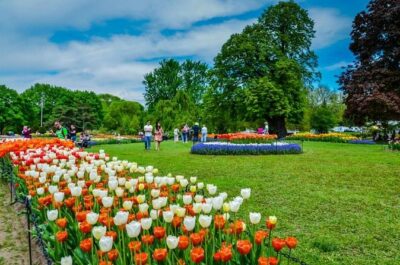
Chicago rooftop time can be hit or miss, depending on weather. But the tour is designed so the rooftop has a clear purpose: the building’s roof was converted into a 3.5-acre urban rooftop park, and you get to see the rooftop meadow as part of the visit.
This is where you can step back from the interior details and see the building’s new relationship to the city. A rooftop park turns unused roof space into something people can actually enjoy—an example of adaptive reuse that goes beyond offices and events.
Because it’s outdoors, plan smart: wear comfortable shoes and bring a layer if the weather is changeable. Also remember the tour has a no-photography rule, so treat the rooftop as a moment to observe and reset, not to stage content.
Adaptive reuse in action: what makes this renovation worth caring about
The tour makes adaptive reuse feel real, not theoretical. Here’s the key idea you’ll take away: preserving a historic building isn’t only about saving the exterior. It’s about keeping meaningful parts of the structure and design while meeting current needs.
This building’s scale matters. At 2.8 million square feet, the Old Post Office is huge, which means the renovation required serious vision and coordination. The tour explains how historic architectural details—things that could easily have been lost—were intentionally incorporated into a new office and event environment.
You also get the reason the project is important: when major historic buildings sit vacant for too long, cities lose usable space and cultural continuity. The Old Post Office proves the opposite can happen. Old places can become new spaces when the building is treated as something you can re-activate, not just lock away.
That’s why the tour feels motivating. It’s not only about what’s old. It’s about what’s possible.
Docent-led format: how guides make the details click
A big part of the value here is the docent approach. The tour is led by a certified Chicago Architecture Center docent, and the guides use more than talking points.
One thing I appreciate is the way guides bring in supporting visuals. In this tour experience, you may see materials like maps and old photographs that help you picture the building’s earlier setup. That turns “I’m looking at a wall” into “I know what role this played.”
The guide names that come up in the tour experience include Lorie, Alice, and John. Different personalities, same goal: connect the design details to the building’s original purpose and the renovation choices that kept the architectural character.
Also, you’ll have chances to ask questions within the small group size. That’s ideal if you’re curious and want your questions answered on the spot.
Price and value: $15 for 90 minutes in a landmark building
At $15.00 per person, this is a bargain if you like architecture and don’t want to spend half a day cobbling together your own route. For a building of this significance, the docent explanation is the difference between walking around and actually understanding.
The duration—about 1 hour 30 minutes—is also a smart length. It’s long enough to cover major interior stops and the rooftop meadow, but short enough that you can still fit the tour into a busy Chicago day.
One practical note: it’s commonly booked about 30 days in advance, which usually signals demand. If you’re traveling around peak weekends, I’d plan ahead instead of assuming you can grab a last-minute spot.
Practical tips that keep your day smooth
Here are the practical realities that matter more than you’d think with a working building tour:
- No photography: bring your curiosity, not your camera plans. Use your phone only for notes.
- No food or drink included: bring water if you need it, especially if you’ll be outdoors at the rooftop meadow.
- No coat check or storage: travel light. If you have a bulky backpack, you’ll want a plan before you arrive.
- Pets aren’t allowed: plan for service animals only where applicable. Service animals are allowed.
- It’s an active space: the tour route can change if management needs adjustments, so go with the flow.
If you’re doing this on a day when you’ll cover lots of ground in the city, the no-storage rule is the one detail that can quietly ruin your schedule—so check your bag situation early.
Who should book this Old Post Office tour
This is a strong fit if you like any of these things:
- Architecture that has a function, not just a façade
- Adaptive reuse stories, where old structure gets a new job
- People who want a guided look at specific interior features like the Main Lobby, zig-zag wall, and postcard wall
- Anyone who wants rooftop access to the meadow connected to a major roof transformation
If you’re traveling with kids, most travelers can participate, but the experience is best when everyone enjoys explanation and looking closely. If your group wants quiet wandering with no rules, this may feel a bit structured.
And if you’re short on time in Chicago, this gives you a concentrated hit of landmark design plus renovation context in about 90 minutes.
Should you book the Old Post Office tour?
Yes, I’d book it if you want your Chicago architecture time to come with clear interpretation and real stops you can’t easily replicate on your own. The interior focus—especially the Main Lobby plus the zig-zag and postcard walls—makes the tour worth paying for, even before you factor in the rooftop meadow.
Skip it only if you strongly prefer self-guided exploring, you need photography, or you’re carrying lots of gear and don’t want to manage the no-storage and no-coat-check reality.
If you go, come ready to look closely. The Old Post Office rewards attention.
FAQ
How long is the Old Post Office tour?
The tour lasts about 1 hour 30 minutes.
How much does it cost?
Admission is $15.00 per person.
Where does the tour start?
Meet at 433 W Van Buren St, Chicago, IL 60607.
Is the ticket mobile?
Yes, the tour uses a mobile ticket.
What’s included with admission?
You get a guided tour of the Old Post Office interior led by a certified Chicago Architecture Center docent.
Are food or drinks included?
No. Food and drink are not included.
Is photography allowed?
No. Photography is not allowed during the tour.
Are pets allowed?
No. Pets are not allowed.
Is there storage or a coat check?
No coat check and no storage for luggage or strollers are provided.
What if plans change?
You can cancel for a full refund if you cancel at least 24 hours before the experience starts.