REVIEW · CHICAGO
Big Bus Chicago: Sunset Tour by Open-Top Bus with Live Guide
Book on Viator →Operated by Big Bus Tours - USA · Bookable on Viator
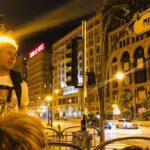
Chicago at night hits different. This Big Bus Chicago Sunset Tour turns the Windy City’s biggest landmarks into a single, easy skyline show—lit up and ready for photos—while a live guide keeps things clear. I especially like the open-top, double-decker views for unobstructed sightlines and the live narration that helps you connect what you’re seeing to how Chicago grew. The main catch: it’s not hop-on, hop-off, and if you end up on the lower deck (or the weather turns), the experience can feel less magical than it should.
Guides like Matty, Bernie, and even a Matt in the hat have been praised for mixing humor with real local details, and drivers such as Sandra and Shanda show up in the notes for being smooth and careful. You’ll also get moments that are clearly built for night photography, including a planetarium photo stop that people mention as a highlight. One more consideration: without an enclosed roof, you’ll want to dress for the temperature, because you can feel the evening chill quickly.
This tour is built for people who want the big picture fast. You’ll start downtown, find your seat on a first-come basis, then cruise past the Magnificent Mile, Millennium Park (hello, Bean), the Museum Campus area, and more before ending back where you began.
In This Review
- Key things I’d circle before you book
- Entering The Windy City’s Night Lights from a Double-Decker Seat
- Price and Value: What $49.30 Gets You (and What It Doesn’t)
- Where You Start on Clark and Ontario (and Why Arrival Time Matters)
- Getting The Best Seat: Top Deck Views and Audio Reality
- The Magnificent Mile After Dark: Chicago’s Downtown Showcase
- Millennium Park’s Bean and Loop Skyline Moments
- Navy Pier and Waterfront Energy Without the Walking Stress
- Museum Campus and the Planetarium Photo Stop
- Live Guide Narration: How It Makes the Route Click
- Comfort Tips for an Open-Top Sunset Ride
- When Things Go Sideways: What to Know Before You Go
- Who This Sunset Tour Fits Best
- Final Verdict: Should You Book the Big Bus Chicago Sunset Tour?
- FAQ
- Where does the Big Bus Chicago Sunset Tour start?
- How long is the sunset tour?
- Is this a hop-on hop-off tour?
- Do I get a live guide?
- Can I choose a seat on the top or bottom deck?
- What sights will the bus pass by at night?
- Is the tour wheelchair accessible?
- Are pets allowed onboard?
- Can I bring food or alcohol on the bus?
- How many people are on the tour?
Key things I’d circle before you book
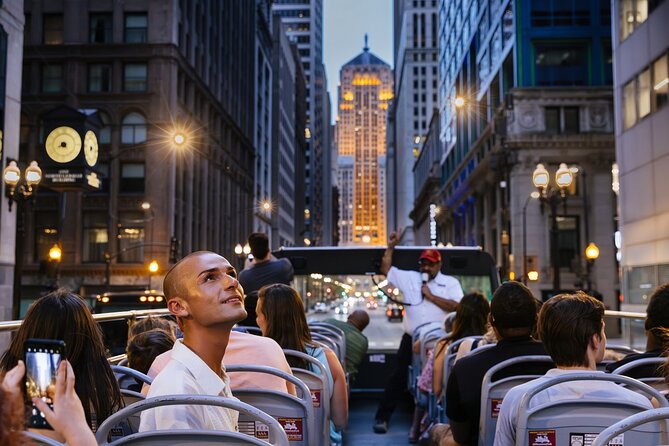
- Choose your deck early: top deck is where the views usually feel most “wow,” and you only get first-come seating
- Live guide in English or Spanish: you’ll hear context as you pass major sights
- Photo-friendly night stops: a planetarium stop gets called out for great pictures
- Major neighborhoods in one loop: Navy Pier, the Loop skyline, Magnificent Mile, Millennium Park, and Museum Campus area
- Small-ish group for a big bus: up to 80 travelers keeps it from feeling chaotic
Entering The Windy City’s Night Lights from a Double-Decker Seat
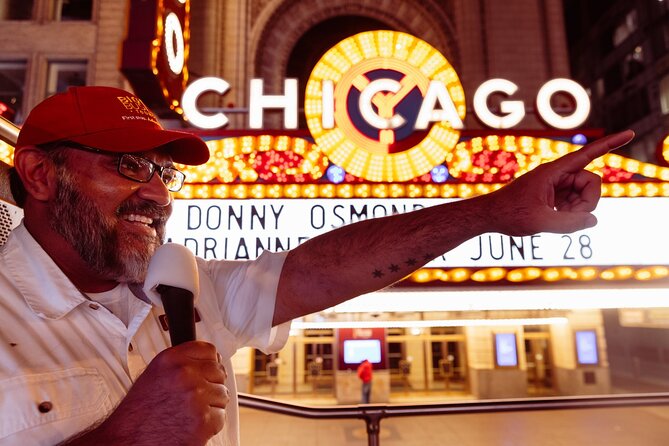
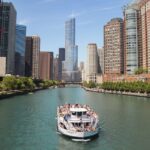
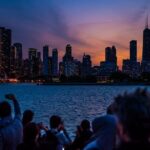
There’s something about Chicago after dark: the city doesn’t just look busy, it looks intentional. On this tour, you’re not searching for parking, not bouncing between stops, and not trying to map distances in the dark. You’re on a moving vantage point, with enough time to see landmarks glow, and enough guidance to make those sights mean something.
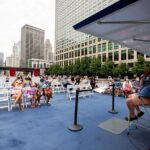
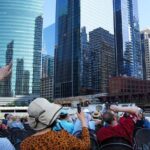
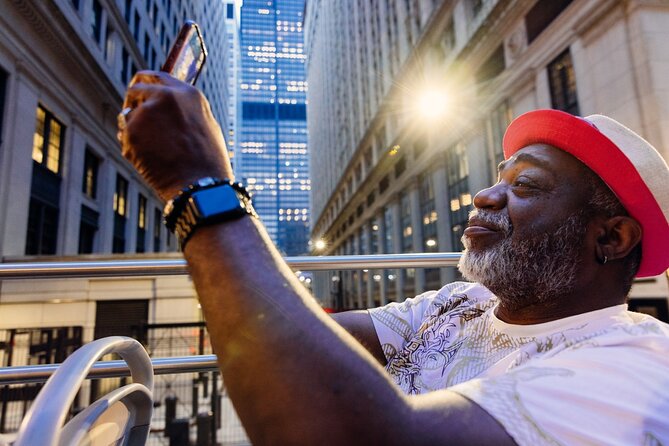
The open-top double-decker is the heart of the experience. If you’re on the top deck, you get a wider angle on the skyline, and you can hold your camera up without the “why is this window reflecting my face?” problem. If you’re on the bottom deck, you’ll still see a lot, but you may feel the ride more boxed in—especially when visibility is limited by weather or street setup.
I also like that the tour is straightforward: you stay on the bus for the whole experience. That keeps it simple for first-timers and also helps you avoid the common headache of splitting your time between museums, waterfront, and downtown streets in the evening.
You can also read our reviews of more guided tours in Chicago
Price and Value: What $49.30 Gets You (and What It Doesn’t)
At $49.30 per person, this sunset bus tour isn’t trying to be the cheapest way to see Chicago. It’s priced more like a convenience upgrade: you pay for transportation, a live guide, and a concentrated night route that covers the city’s headline sights.
Here’s where the value lands best:
- One ticket, many highlights: you’re seeing major downtown landmarks in a single ride window
- Live context included: the guide narration helps you avoid looking at buildings as just shapes
- Night photography focus: the route timing and photo moments make it easier than doing it yourself
Here’s what you should not expect:
- It’s not hop-on, hop-off, so you can’t treat it like a flexible hop between attractions.
- You’re not getting a deep, stop-by-stop museum experience. This is overview-level sightseeing with commentary, not extended time at each stop.
If you’re short on time, traveling solo, or you want a low-effort introduction before you plan walking or transit days, this price tends to make more sense. If you’re the type who loves wandering slowly and staying late in a single neighborhood, you might feel the time moves fast.
Where You Start on Clark and Ontario (and Why Arrival Time Matters)
The tour departs from downtown, with the listed meeting point at 618 N Clark St, Chicago, IL 60654, at the SW corner of Clark St and Ontario St. You’ll want to arrive about 15 minutes early so you’re not rushing across the block while the bus loads.
One detail worth double-checking: the tour information also shows 98 E Wacker Dr as a listed departure point. That’s exactly why you should trust what appears on your confirmation or voucher for your specific date and time.
This matters because seats are first come, first served, and the wrong timing can mean you end up on the lower deck when you wanted the top. When the goal is sunset-to-night views, seat choice isn’t a small detail—it’s half the point.
Getting The Best Seat: Top Deck Views and Audio Reality
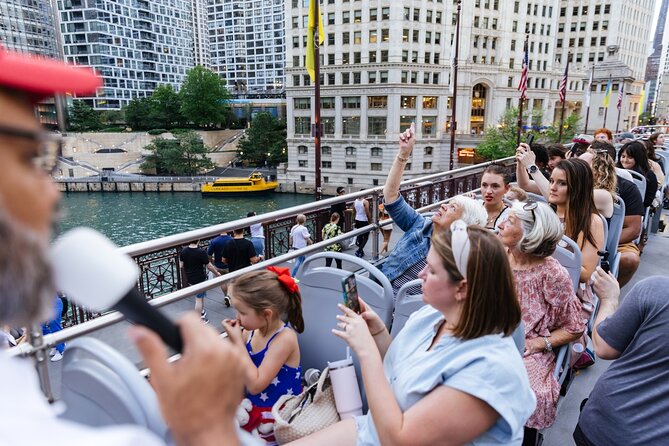
You’ll pick a spot on the top or bottom deck based on preference, but the key word is first come. If you arrive late, you might still ride, but you might lose the best vantage point.
Here’s the practical difference:
- Top deck: best for skyline drama, landmark photos, and the feeling of open-air sightseeing
- Bottom deck: more sheltered, but you may struggle to hear the narration if it’s crowded or if conditions are noisy
Some people also mention that with unfavorable weather, they couldn’t hear much from the lower deck. That doesn’t mean bottom deck is bad, but it does mean your comfort and sound depend on where you sit and what the evening brings—wind, light rain, or even just crowd noise.
My advice: if you care most about photos and views, aim for the top deck. And if you’re sensitive to cold, you’ll want layers even when the day was warm—because open-top doesn’t trap heat the way a closed bus does.
The Magnificent Mile After Dark: Chicago’s Downtown Showcase
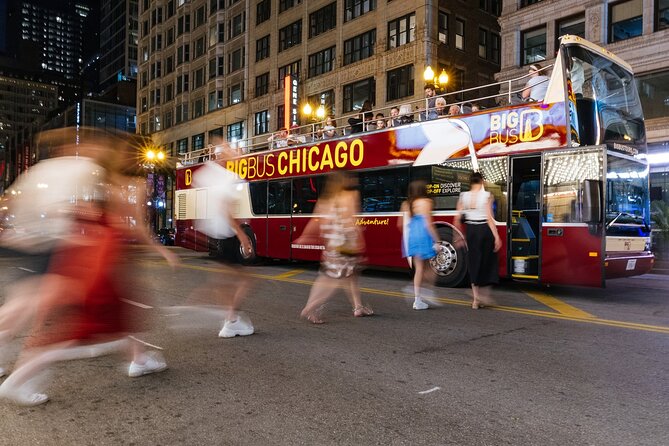
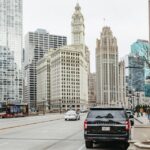
One of the big strengths of this route is how it hits the downtown core that first-timers usually want to see. The Magnificent Mile is one of the world-famous shopping and skyline corridors, and you’ll see it lit up as part of the evening loop.
What makes this stretch worth it from a bus:
- You get the skyline context without needing to walk the whole distance
- You see how Chicago’s architecture stacks and layers along major avenues
- The guide narration helps you connect buildings and streets to the city’s story
Even if you’ve seen photos of the Magnificent Mile before, night viewing changes the feel. Lighting brings out structure and depth, and the moving angle from the bus gives you “new photo” perspectives rather than repeating the same postcard view.
Also, if your legs are tired (or you just don’t want a walking tour in the evening), this is the “sit and see” alternative that still feels like you’re getting a real sense of place.
You can also read our reviews of more evening experiences in Chicago
Millennium Park’s Bean and Loop Skyline Moments
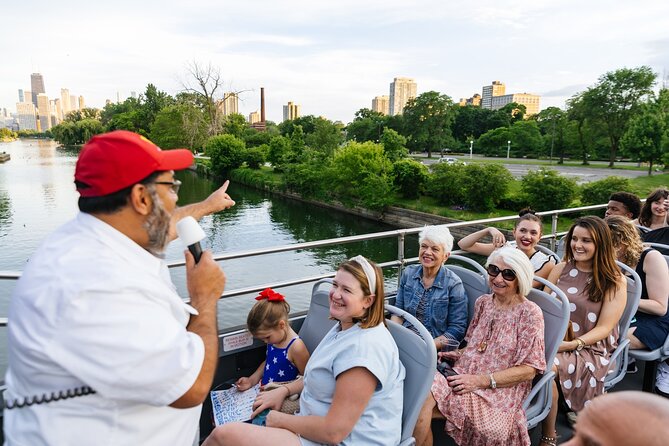
Millennium Park is one of Chicago’s modern icons, and yes, you’ll see the famous Bean as you pass through the area. The Bean is recognizable in daylight, but at night it becomes a reflective surface that catches surrounding lights and makes the whole park area feel more like a stage than a public space.
From the bus, you won’t linger long like you would if you walked over and spent time photographing angles from the ground. Still, you get two useful things:
1) an immediate sense of where Millennium Park fits into downtown
2) a quick chance to frame it in the broader skyline setting
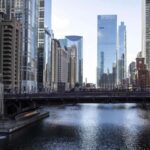
As the tour moves through the Loop area, you’ll also get skyline views that show how Chicago’s downtown identity is built. The Loop isn’t just a “downtown” label here—it’s the tight concentration of business towers and major landmarks. Riding past them at night makes the scale feel bigger, and the guide’s narration helps you understand what you’re looking at besides the visual wow-factor.
Navy Pier and Waterfront Energy Without the Walking Stress
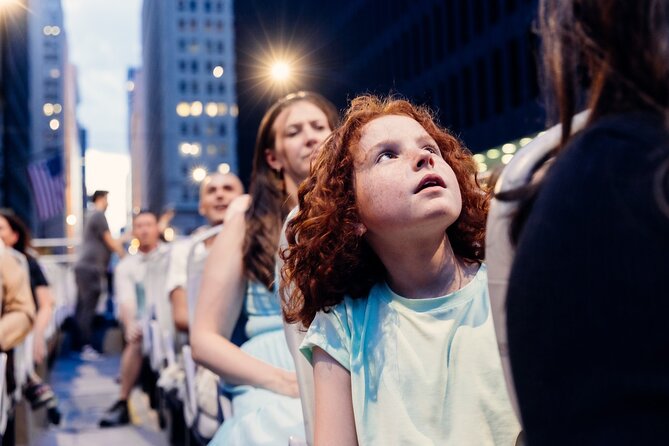
The route includes Navy Pier, another Chicago must-see, especially at sunset when the waterfront shifts from daytime activity into evening glow. On the bus, you get a clear view of the pier area as part of the larger downtown loop, which is ideal if you want waterfront in your night plan but don’t want to build a whole walking route around it.
This is also a smart choice if your itinerary is packed. Many first-time visitors end up spending too much time traveling between waterfront and downtown sights. This tour helps you avoid that by stitching the city’s key areas together into one continuous ride.
If you’re someone who likes the idea of waterfront photos but hates the logistics—finding a spot, dealing with crowds, or figuring out bus/transit timing—this is one of the best “pay for convenience” options in Chicago.
Museum Campus and the Planetarium Photo Stop
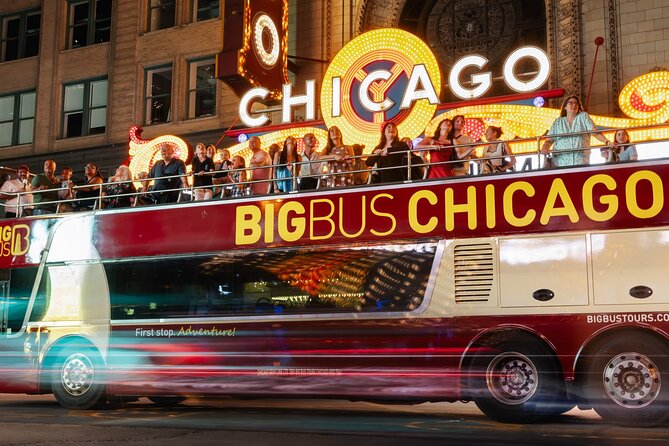
The Museum Campus area is a strong inclusion because it gives the tour a different feel from pure skyscraper shots. You’re still downtown-adjacent, but you get to see the city’s educational and cultural zone lit up.
One evening moment people mention is a planetarium stop for pictures. That’s the kind of timing that matters: you want the lights, the atmosphere, and enough opportunity to grab a couple of solid photos without scrambling.
The open-top ride also helps here. Even if you’re not aiming for museum-level detail, the architecture and the lighting layout around the campus area tend to look great at night, and the bus gives you mobility while you’re photographing.
Live Guide Narration: How It Makes the Route Click
A bus tour can be either mind-numbing or genuinely useful, and this is where the live guide makes a big difference. This tour is designed with narration in mind, and you’ll hear history and stories as you pass landmarks.
In the experience notes, guides such as Matty and Bernie get credit for being funny and informative, with drivers like Sandra and Shanda called out for safe, skilled driving. The humor matters because it keeps the long ride from feeling like a lecture, but the best part is that the guide ties landmarks to context—so you leave with more than just photos.
Language options are a plus. You can choose a tour with English or Spanish narration, depending on which option you pick. That’s helpful for families, mixed-language groups, and anyone who wants the commentary to land without translation effort.
One practical tip: if sound quality is critical to you, try to be closer to where narration carries best on your deck. Some people have had trouble hearing from the lower deck in less ideal conditions, so seat choice isn’t just about comfort—it’s about whether you catch the stories.
Comfort Tips for an Open-Top Sunset Ride
Even in Chicago, sunsets can turn into chilly nights fast. The buses are open-top, so you’ll feel the wind more than on a standard indoor coach.
Bring:
- a jacket or layers
- a warm layer even if the day felt mild
- a camera plan that’s realistic (you may want to pause settings before the bus is too bouncy)
Also keep an eye on overhead branches and low street elements while you’re on the top deck. There have been mentions of dodging low-hanging branches during the ride. You won’t be controlling anything, but awareness helps you stay comfortable and safe while taking photos.
If weather looks rough, consider how you’ll handle it. Poor conditions can affect both visibility and how well you hear narration from certain seats. Dress for “wind + night,” not just “sunset.”
When Things Go Sideways: What to Know Before You Go
Most of the time, this kind of city sightseeing ride runs smoothly. But Chicago traffic and big-vehicle operations are real life, not movie magic.
A few experiences indicate that:
- a bus can break down and cancel the trip before it departs
- an incident on the road can cause the tour to shut down early and send guests to make their own way
That doesn’t mean this happens often, but it’s a reason to keep your evening schedule flexible and avoid planning a hard-to-move dinner reservation right at tour end.
Who This Sunset Tour Fits Best
This tour is a great match if you:
- are visiting Chicago for the first time and want the headline landmarks in one evening
- want skyline views without the walking miles
- prefer clear planning over figuring out transit and timing at night
- want a guided overview that helps you decide what to do on other days
It may be less ideal if you:
- need unlimited time in one neighborhood (because this is a single continuous ride)
- hate cold weather or expect an enclosed ride
- rely on hearing commentary perfectly from the lower deck and want the best possible audio in every condition
If you’re traveling with older relatives or anyone who can’t handle walking tours, a bus tour is often a smart, low-fatigue solution.
Final Verdict: Should You Book the Big Bus Chicago Sunset Tour?
If you want a simple, photo-friendly way to see Chicago’s biggest night highlights—Navy Pier, the Magnificent Mile, Millennium Park’s Bean, and Loop skyline vibes—this tour is worth serious consideration. The value comes from the combination of open-top views and live narration that turns the route into something you can actually remember and use.
Book it when you want:
- an easy first-night overview
- a chance to grab strong skyline photos
- a guided orientation before you explore on your own
Skip it or adjust expectations if:
- you want hop-on flexibility
- you’re planning your day around very specific timings tied to the bus ending
- you know you’ll be unhappy if sound or weather isn’t ideal from where you end up
If you can handle dressing for the cold and you show up early to get the seat you want, this is one of the more efficient ways to experience Chicago’s night lights without turning your evening into logistics.
FAQ
Where does the Big Bus Chicago Sunset Tour start?
The tour departs from 618 N Clark St, Chicago, IL 60654 (SW corner of Clark St and Ontario St). Some tour information also lists 98 E Wacker Dr, Chicago, IL 60601 as a departure point, so check your confirmation for the exact location.
How long is the sunset tour?
It runs for approximately 90 minutes, though some published estimates list about 1 hour 15 minutes.
Is this a hop-on hop-off tour?
No. This is not a hop-on, hop-off tour. You stay on the bus for the full route.
Do I get a live guide?
Yes. The tour includes a live guide with narration in English or Spanish, depending on the tour option you choose.
Can I choose a seat on the top or bottom deck?
Yes. You can choose the top or bottom deck, but seats are first come, first served.
What sights will the bus pass by at night?
You’ll see major downtown highlights such as Navy Pier, the Magnificent Mile, Millennium Park (including the Bean), and the Loop skyline area, plus the Museum Campus area.
Is the tour wheelchair accessible?
Yes. Wheelchair-accessible vehicles are available with lifts that can accommodate up to 650 pounds. If you need accessibility support, you should request it at checkout.
Are pets allowed onboard?
No pets are allowed onboard, except ADA service animals.
Can I bring food or alcohol on the bus?
No food or alcohol is permitted. Non-alcoholic drinks in screw-top bottles are allowed.
How many people are on the tour?
The tour has a maximum capacity of 80 travelers.