REVIEW · CHICAGO
African American Heritage Tour of Chicago
Book on Viator →Operated by Chicago Personal Neighborhood Tours · Bookable on Viator
Chicago’s Black history has real street corners. This half-day drive tours the neighborhoods and landmarks that shaped music, politics, and community life, with a friendly, storytelling guide and a route built around Bronzeville, Hyde Park, and South Shore.
I especially like how the stops connect big names to specific places: gospel roots at Pilgrim Baptist Church, civil-rights leadership tied to Operation PUSH, and presidential history in Hyde Park. I also like the practical comfort of an air-conditioned vehicle, plus the chance to end at a soul food restaurant so you can keep the day moving.
One thing to consider: even though the tour is listed as about 4 hours, the pace can run longer depending on narration and photo time, so keep your next plans flexible.
In This Review
- Key things to notice before you go
- A South Side Story in about 4 Hours: route and what to expect
- Bronzeville: gospel origins, the Bronzeville name, and powerhouse leadership
- Pilgrim Baptist Church and the gospel-music connection
- Elijah Muhammad, Louis Farrakhan, and Black Muslim history in Hyde Park
- Muhammad Ali, Jesse Jackson’s Operation PUSH, and the movement-building thread
- Practical note for this stop
- Hyde Park: Obama’s home, an African American museum, and Chicago’s star power
- The Obama connection and why it lands here
- African American museum stop (marked free)
- Celebrity homes: Kanye West and Jennifer Hudson
- The soul food finish point
- South Shore: lakefront parks, views, and Kanye’s childhood home
- The guide experience: Steve’s storytelling, photo time, and pacing reality
- A couple pacing and sound considerations
- Vehicle size and traffic stops
- Value and cost: what you’re likely paying for (and what’s free)
- Admissions: not all stops are the same
- Food expectations at the soul food restaurant
- Price sensitivity: who might feel it’s fair
- Who should book this tour (and who might want a different option)
- Should you book the African American Heritage Tour of Chicago?
- FAQ
- How long is the tour?
- Where does the tour start and end?
- Is pickup included?
- Is airport pickup cheaper than Uber?
- Is the museum admission included?
- Are admissions included at every stop?
- What language is the tour offered in?
- How big is the group?
- What’s the cancellation policy?
Key things to notice before you go
- Bronzeville context on the ground: you’ll hear how the neighborhood got its name and how gospel music took root.
- Major figures, specific locations: Ali, Obama, Jesse Jackson, and more are tied to real addresses you’ll pass.
- Museum stop included in Hyde Park: the African American museum there is marked as free.
- South Shore plus the lakefront: parks and lake views break up the celebrity-and-history feel.
- You may spend a lot of time “inside the story”: some guides lean heavily into narration, so bring patience.
- Vehicle size and stops matter: expect frequent stop-and-go for photos and views, not a passive sit-and-ride bus day.
A South Side Story in about 4 Hours: route and what to expect
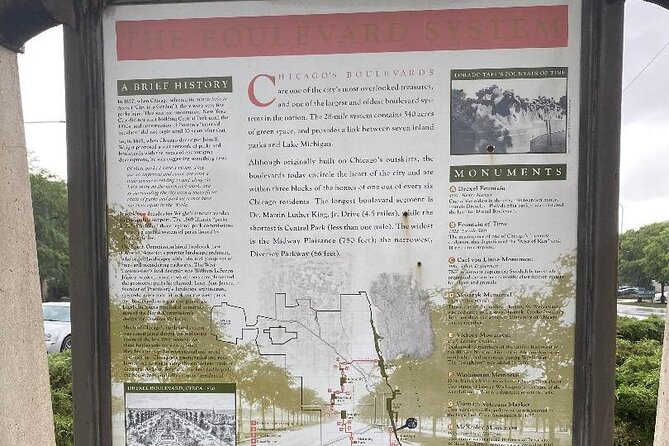
This is a half-day tour that focuses on one clear idea: Chicago’s African American story isn’t a museum-only experience. It’s built into neighborhoods, churches, and institutions—and the best way to see that is from a comfortable vehicle with frequent photo opportunities.
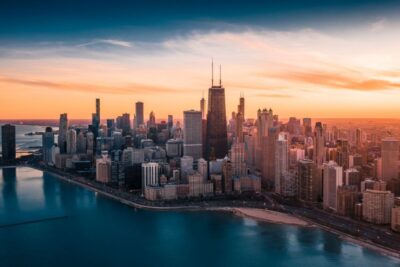
Your day is structured around three areas. You’ll start in central Chicago, then shift south and lake-adjacent for a layered look at culture and leadership—from Bronzeville’s gospel and migration-era roots to Hyde Park’s presidential and arts connections, ending with South Shore views along the lake.
You can also read our reviews of more walking tours in Chicago



Bronzeville: gospel origins, the Bronzeville name, and powerhouse leadership
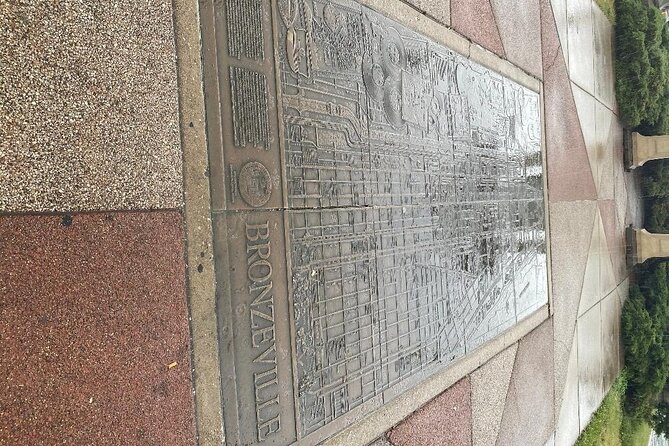
Bronzeville is the heart of the tour, and it’s the stop where the story most strongly connects music, faith, and politics. Expect a tour through an area often described as a cultural engine of Black Chicago—then pointed commentary that explains why those institutions mattered.
You’ll also hear the origin of the nickname Bronzeville, tied to the color bronze. That detail matters because it’s one of the ways the neighborhood’s identity gets defined in public memory.
Pilgrim Baptist Church and the gospel-music connection
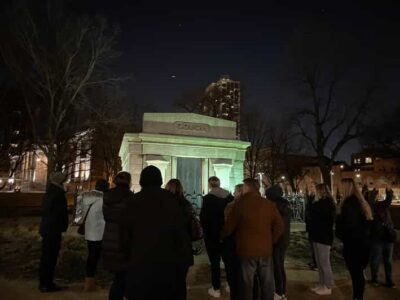
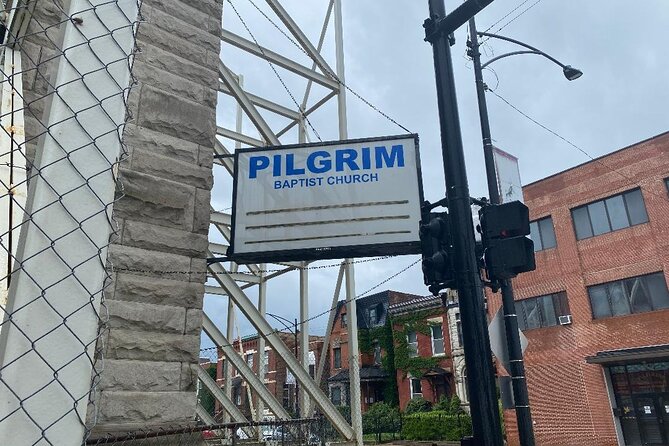
Bronzeville is linked to gospel history through Pilgrim Baptist Church, described as the birthplace of gospel music. Even if you can’t or don’t go inside every location, the framing helps you listen for the same theme across the day: faith and sound weren’t separate. They worked together.
Elijah Muhammad, Louis Farrakhan, and Black Muslim history in Hyde Park
The route then includes stops associated with the man who founded America’s Black Muslim movement in Elijah Muhammad. The tour also references the home of Louis Farrakhan, which adds a more controversial layer to the narrative—important, but also the kind of subject you might want handled with nuance.
If you care about how modern movements overlap with Chicago politics and media attention, these stops are the kind that make a tour feel more than sightseeing. You’re not just looking at famous names; you’re seeing how people and ideas take shape in neighborhoods.
Muhammad Ali, Jesse Jackson’s Operation PUSH, and the movement-building thread
The Bronzeville portion also connects to Muhammad Ali’s former residence and the Reverend Jesse Jackson’s Operation PUSH national headquarters. That’s a smart pairing because it links public celebrity to organizing and advocacy.
You can also read our reviews of more historical tours in Chicago




Practical note for this stop
Stop 1 is listed as having admission tickets not included. So if your guide points out places where you might want to go inside, don’t assume entry is part of the base package.
Hyde Park: Obama’s home, an African American museum, and Chicago’s star power
Hyde Park is where the tour turns from neighborhood identity to national headlines. This is the part many first-time visitors find especially satisfying because it’s concrete: presidential history, arts and media fame, and a museum stop all in one run.
The Obama connection and why it lands here
You’ll see the home of the 44th President of the United States, Barack Obama. Even if you’re just passing, the location-based context helps you understand why Hyde Park sits at the intersection of Chicago institutions and national visibility.
African American museum stop (marked free)
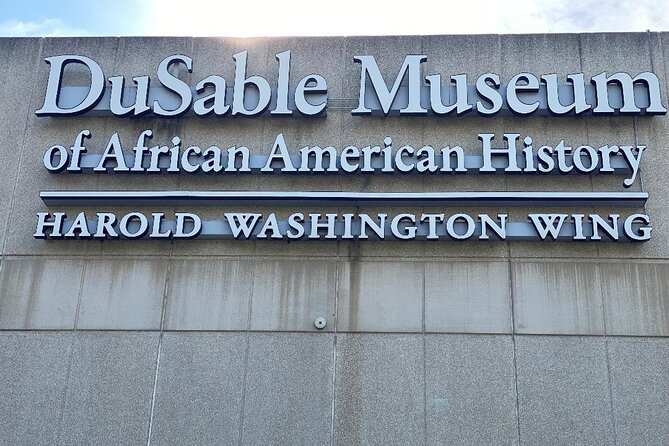
The tour includes a stop to visit an African American museum in Hyde Park, and that museum admission is marked as free. That matters for value because it’s one of the clearest “included” components in the day. You’ll get a chance to slow down and connect the neighborhood stories to artifacts, timelines, and curated learning.
Celebrity homes: Kanye West and Jennifer Hudson
You’ll also pass by homes associated with Kanye West and Jennifer Hudson. These are quick sightline moments rather than ticketed attractions, but they help ground the day in modern pop-culture geography—what people know, mapped onto where it came from.
The soul food finish point
Hyde Park is where the tour is described as ending at a soul food restaurant after the museum visit. That’s a nice flow: you get the history, then you sit down and eat in the same cultural tradition the tour is discussing.
One consideration: some people feel the museum portion could use more time, while others are happy with the pacing. If museums are your priority, plan to ask your guide how much time you’ll have before you settle in.
South Shore: lakefront parks, views, and Kanye’s childhood home
South Shore is a refreshing contrast. The tour shifts from the dense history-and-institutions feel into lake-adjacent scenery and park views, which helps break up the day emotionally.
You’ll see the lakefronts and parks, plus the childhood home connected to Kanye West. This stop works best if you’re the type who likes Chicago geography—where neighborhoods sit relative to the lake, and how people’s lives interact with public space.
Also, Stop 3 is marked as free for admission, which keeps expectations clear: it’s a view-and-story stop, not a paid entry stop.
The guide experience: Steve’s storytelling, photo time, and pacing reality
Many praised this tour guide experience, with particular attention to Steve’s passion and humor, plus his willingness to answer questions. People describe his personality as animated and engaging, and that can be a plus when you like an interactive style.
There’s also a practical upside: the tour is set up for photo opportunities. Some guests even describe the guide as acting like a personal photographer during the ride, which is a real value if you’re traveling with family and want group shots without figuring out the angles yourself.
A couple pacing and sound considerations
Here’s the balanced part. A recurring theme is that the tour can run longer than the listed time. That usually comes from time for narration, photo stops, and traffic realities, so you’ll want a buffer built into your schedule.
Sound quality can also affect the experience. One note mentioned the microphone not working well. If you’re hard of hearing or you know you’re sensitive to audio, consider bringing earbuds or asking your guide about sound setup early.
Vehicle size and traffic stops
The day relies on frequent stops for photos and story moments. Some people found the vehicle felt more like a smaller van than a big tour bus setup, which can change how easy it feels to get in and out at each point. If that sort of thing bothers you, it’s worth keeping in mind before you book.
Value and cost: what you’re likely paying for (and what’s free)
I like that this tour includes two clear “value anchors”: an air-conditioned vehicle and a museum stop in Hyde Park marked as free. Those two alone can offset part of the tour cost versus doing everything à la carte.
There’s also a transportation bonus if you’re flexible about timing: airport pickup may be possible as an upgrade, described as 10% less than an Uber ride when the schedule allows. That can be a meaningful savings on a short Chicago visit, especially if you’re coordinating arrival and want to avoid hunting for cabs.
Admissions: not all stops are the same
Stop 1 is listed as having admission not included. Stop 2 and Stop 3 are listed as admission free. So the day’s cost is partly about guided vehicle time and narration, not guaranteed paid entries everywhere.
Food expectations at the soul food restaurant
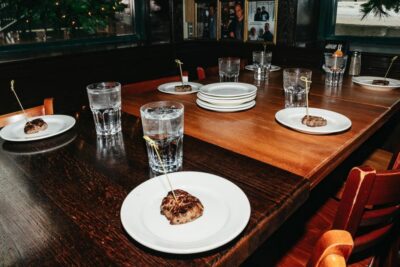
The tour ends at a soul food restaurant. The data doesn’t spell out whether your meal is included in the ticket price, so I’d budget to pay for what you order. I also recommend bringing water or planning to buy it there, because half-day Chicago driving plus story time can make you hungry fast.
Price sensitivity: who might feel it’s fair
Some guests say the experience is worth it for the amount of history, stops, and guide engagement. Others felt the cost was too high for how the time was spent. If you’re very strict about museum time or you want fewer “passing sights,” you may want to compare this option against other Chicago neighborhood tours.
Who should book this tour (and who might want a different option)
This tour is a strong fit if you:
- Want Chicago’s African American story tied to real neighborhoods like Bronzeville, not just abstract facts.
- Like the idea of seeing presidential, civil-rights, and music-linked sites in one connected route.
- Prefer a guided car tour over a large bus, because it can make navigating and photo stops feel easier.
It may be a weaker fit if you:
- Expect a more formal, tightly timed museum-first itinerary.
- Get frustrated by long narration or a pacing that can feel heavier on certain themes.
- Want only “pleasant sightseeing” and less focus on difficult parts of urban history and housing.
Should you book the African American Heritage Tour of Chicago?
If you’re visiting Chicago for the first time and want the South Side story with stops tied to big names and major institutions, this is an inviting way to get oriented fast. I also see clear value in the Hyde Park museum stop being marked free, plus the comfortable vehicle and the chance to end with soul food.
That said, go in with eyes open. Keep your schedule flexible, especially if you’re counting on the day being exactly four hours. And if your ideal tour is super structured with guaranteed museum time at every stop, you might want to compare options before committing.
If you do book, I’d treat this as a story-driven neighborhood tour: ask questions, take photos, and plan to spend most of your day mentally in Chicago’s history, not just physically checking off landmarks.
FAQ
How long is the tour?
The tour is listed as 4 hours approximately.
Where does the tour start and end?
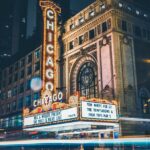
It starts at The Chicago Theatre, 175 N State St, Chicago, IL 60601, and ends back at the meeting point.
Is pickup included?
Pickup is offered with select pickup locations. Airport pickup is also mentioned as an option for an upgrade when the schedule allows.
Is airport pickup cheaper than Uber?
Airport pickup is described as 10% less than an Uber ride when the schedule allows.
Is the museum admission included?
In Hyde Park, the African American museum stop is marked as admission free.
Are admissions included at every stop?
Stop 1 is marked as admission ticket not included. Stops 2 and 3 are marked as admission free.
What language is the tour offered in?
The tour is offered in English.
How big is the group?
The maximum is listed as 100 travelers.
What’s the cancellation policy?
Free cancellation is offered up to 24 hours in advance for a full refund, and the experience requires good weather.