REVIEW · CHICAGO
Lakefront Segway Tour in Chicago
Book on Viator →Operated by Bike and Roll Chicago · Bookable on Viator
Chicago looks different when you glide. This is a small-group lakefront Segway tour that mixes museum campus stops with serious Lake Michigan views, led by guides like Matt and Joe. You’ll get Segway training right away, so you’re not wrestling with a new machine while everyone’s waiting.
I also like how the route hits several major spots in one go, so you’re not piecing together buses and on-foot zigzags. One thing to consider: the tour is weather-dependent, and if riding conditions aren’t safe, they may cancel and you’ll need to plan around that.
In This Review
- Lakefront Segway Touring: The Real Value in 90 Minutes
- What You’ll Do on the Segway (and Why It Feels Easy)
- Safety Training, Helmets, and Getting Comfortable Fast
- Field Museum Stop: Dinosaur Stars and a Museum Campus Moment
- Adler Planetarium Stop: Astronomy Views on the Northerly Island Edge
- Soldier Field Stop: Stadium Energy Without the Ticket
- Grant Park and Millennium Park: Where the City Lets You Breathe
- Buckingham Fountain: Big Views, Real-World Timing
- Route Highlights: Why the Lakefront Trail Part Is the Point
- Price and Group Size: Is $75 Good Value?
- Who This Segway Tour Fits Best
- Quick Practical Tips Before You Roll
- Should You Book This Lakefront Segway Tour?
- FAQ
- How long is the Lakefront Segway Tour in Chicago?
- How much does the tour cost?
- Where does the tour start and end?
- What’s included in the price?
- Are there age, weight, or health limits for riding?
- What should I wear or bring?
- Should You Book This Lakefront Segway Tour?
Lakefront Segway Touring: The Real Value in 90 Minutes

If you only have a short window in Chicago, this kind of Segway tour can save your feet and your energy. Instead of spending the day in stop-and-start walking lines, you move smoothly along the lakefront corridor and let the city come to you—views, landmarks, and skyline moments included.
For me, the biggest value is pacing. In about 1 hour 30 minutes, you cover multiple iconic sites that normally scatter across downtown, Grant Park, and the museum area. You still get the feel of Chicago as a place you’re moving through, not just standing in front of.
This works especially well along the Chicago Lakefront Trail area, where the scenery is built for lingering: wide open space, consistent sightlines, and that “I’m actually outside” feeling that you don’t always get in museums.
What You’ll Do on the Segway (and Why It Feels Easy)
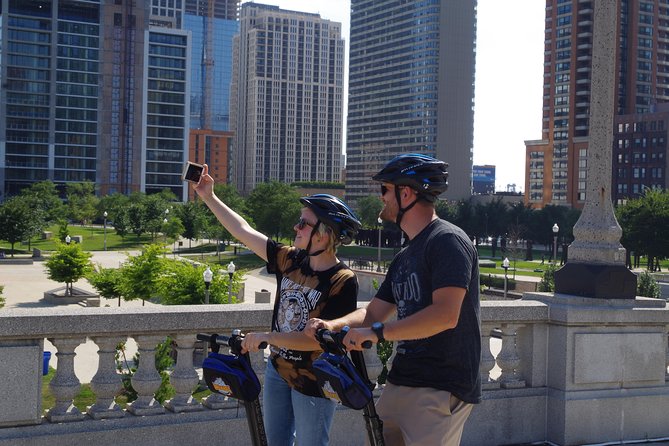
You’ll start at 34 S Michigan Ave and ride back to the same meeting point. There’s no hotel pickup or drop-off listed, so you’ll want to plan to arrive at the start spot on your own.
Most people pick up Segway basics quickly because the tour builds in time for training and then transitions into the ride. The guides also slow things down for the group. In past tour experiences like this, I’ve found the difference between a stressful ride and a confident ride is simply whether the instructor watches your footing and posture. This one gets praised for that kind of real attention—people mention guides keeping tabs on everyone and coaching new riders through the learning curve.
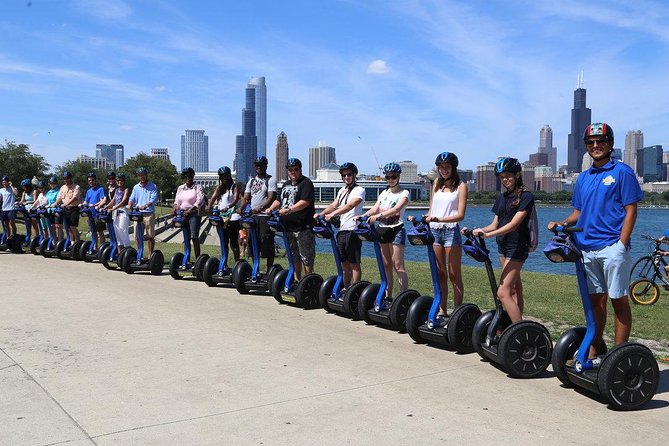
You’ll be in a group of up to 8 travelers, which matters more than you’d think. Larger groups can turn into a line you can’t enjoy. Here, smaller groups make it easier to keep together and easier for the guide to correct small issues before they become annoying.
You can also read our reviews of more tours and experiences in Chicago.



Safety Training, Helmets, and Getting Comfortable Fast
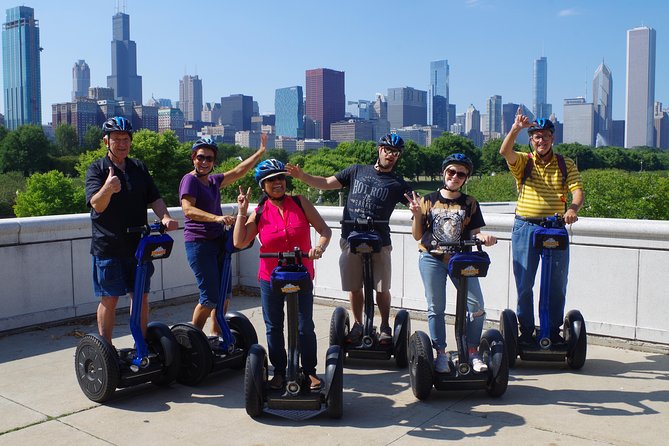
Helmets are provided, and that instantly helps you relax. It’s a practical inclusion, not a box-check. You also get Segway instruction before you start rolling at sightseeing speed.
A common highlight in the feedback is how patient the training feels. Riders mention guides walking them through technique so they can control speed, turns, and stopping without white-knuckle energy. If you’re bringing a teen or an adult who’s never ridden one, this setup is the key: the tour is designed so you’re not thrown into traffic-level uncertainty.
A good tip for your own experience: wear closed-toed athletic shoes. The tour info strongly recommends it, and it makes a real difference for comfort and control. If you show up in sandals or slick shoes, you’ll feel it fast once you’re learning foot placement.
Field Museum Stop: Dinosaur Stars and a Museum Campus Moment
One of your first major stops is the Field Museum, and it’s a smart choice if you want Chicago to feel like more than just a skyline. The Field Museum isn’t just a building to look at from outside—it’s known for standout exhibits like Máximo the Titanosaur, SUE (the famous, nearly complete Tyrannosaurus rex), an ancient Egyptian tomb experience, and extensive Chinese history and culture exhibits.
On this tour, what’s valuable isn’t only the museum itself. It’s the chance to reference a big cultural anchor while you’re already in the downtown area. When you’re moving on wheels, the stops feel like natural “chapters” of the day rather than random detours.
A realistic drawback: this Segway format isn’t a long, deep museum visit. If your priority is serious time inside the exhibits, you’ll still want a separate museum plan. The best role of this stop is context—an easy way to connect what you see outdoors (Lake Michigan, parks, downtown) to what Chicago is famous for indoors.
Adler Planetarium Stop: Astronomy Views on the Northerly Island Edge
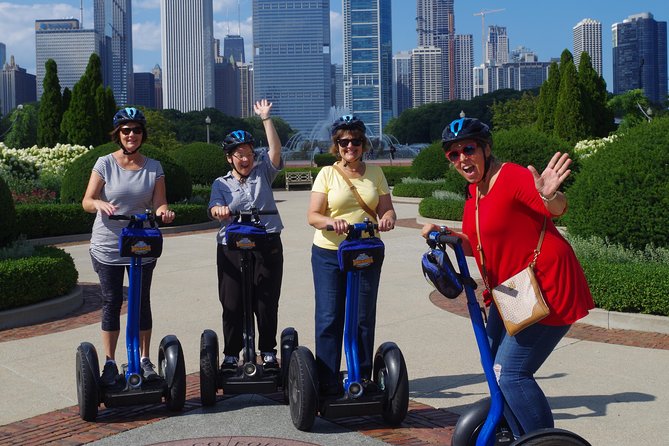
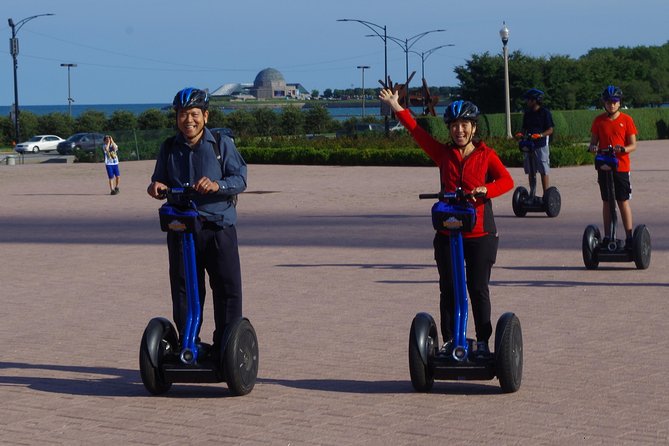
Next up is the Adler Planetarium, located on the northeast tip of Northerly Island along the Lake Michigan shore. Even if you’re not an astronomy superfan, this is a photogenic area because of the way the lake wraps around the museum shoreline.
This stop also helps you understand Chicago’s lakefront geography. You’re not just hearing about it—you’re seeing how the museum campus sits near water, with spaces that feel open and breezy.
If you like your city tours to include at least a touch of wonder, this is one of the best stops on the route. The planetarium theme gives you a break from pure architecture and lets you feel the “science city” side of Chicago.
Soldier Field Stop: Stadium Energy Without the Ticket
Then you roll by Soldier Field, the longtime home of the Chicago Bears and also tied to Chicago Fire FC. It opened in 1924 and sits near downtown, so it’s a recognizable landmark even if you’re not a sports deep-dive.
From a Segway-tour perspective, Soldier Field is a practical stop: you can appreciate the scale and setting without adding a whole day of event logistics. This is also a good point to pause and take photos, since you’ll be near open areas and a lot of visual lines converge around this part of the city.
One thing to keep in mind: if you’re expecting a stadium-history lecture, the tone of this experience is still guided sightseeing plus riding. Think “highlights and orientation” more than a long narrative session.





Grant Park and Millennium Park: Where the City Lets You Breathe
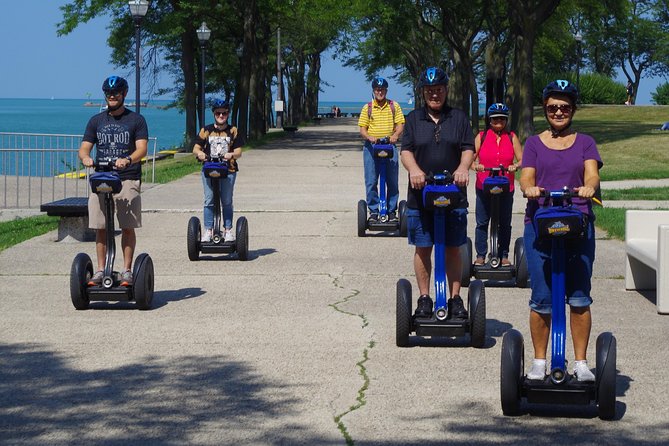
As the tour moves toward Grant Park, you’re entering Chicago’s central park zone, the huge 319-acre space that connects the downtown core with major cultural institutions. The stop matters because it threads together several famous destinations: Millennium Park, Buckingham Fountain, the Art Institute of Chicago, and the broader Museum Campus area.
For me, the best part of this section is how park time changes the mood. When you glide through park-adjacent areas, Chicago feels more lived-in and less “only downtown intersections.” Grant Park is also the natural place to spot the city’s famous design choices—open sightlines, wide paths, and architecture that looks good from multiple angles.
If you’ve never seen Millennium Park in person, this is a strong introduction. One detail worth noting: Millennium Park has free admission, and it’s known for the layout connecting multiple bridges and pathways. Even when you’re not going deep inside, it helps you understand why so many visitors start their own self-guided plans here.
Buckingham Fountain: Big Views, Real-World Timing
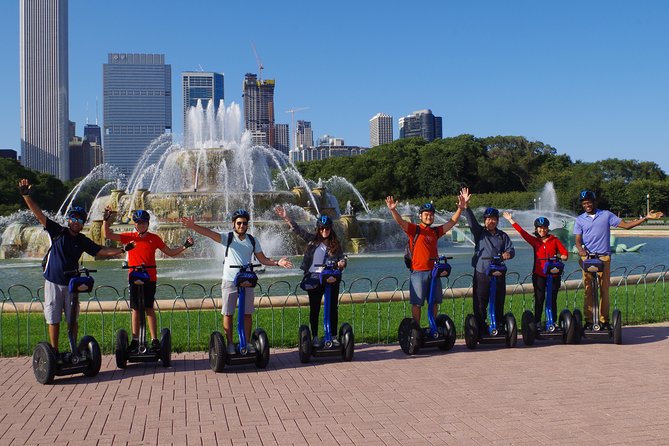
The route includes Buckingham Fountain, a Chicago landmark dedicated in 1927 and one of the largest fountains in the world. It’s located in the center of Grant Park between Queen’s Landing and Congress Parkway, which makes it a visual anchor for this part of the day.
Here’s the practical catch: fountains can be closed for events or maintenance, and the feedback includes an example where the fountain wasn’t available as expected. So if Buckingham Fountain is a must-see for you at peak operation, give yourself flexibility. On Segway tours, you’re seeing the area and getting perspective—sometimes the fountain’s status controls how much you can fully enjoy that specific moment.
Even so, the fountain area is still a great “spot photo, reset your eyes, and enjoy the park” stop. The lakefront and park setting do the heavy lifting.
Route Highlights: Why the Lakefront Trail Part Is the Point
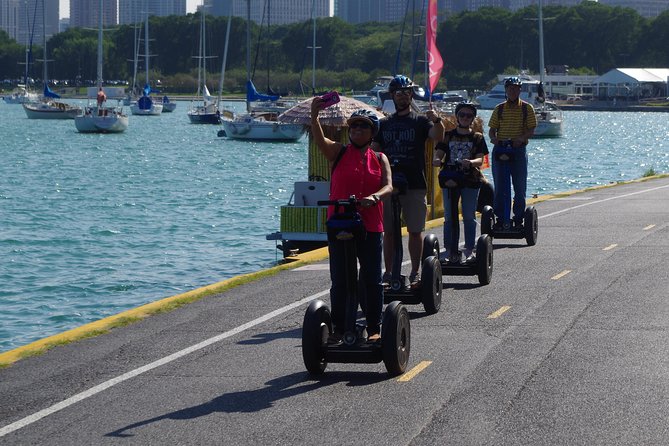
The “lakefront” part isn’t a marketing label. The Chicago Lakefront Trail feel is built for movement: a long shared-use stretch where you can appreciate the shore and the skyline without always fighting through dense streets.
This is where the tour earns its keep. Rolling past the lake gives you a constant change of scenery—open air, big horizon views, and a sense that Chicago is right there with you. Riders often describe it as fun, scenic, and different from typical walking tours, and that makes sense. The Segway adds a twist: you cover ground without feeling like you’re in a sprint.
And because it’s a small group, your experience doesn’t feel like a factory line. You can take a moment for photos when the guide suggests it, and the ride stays smooth enough that the city feels present instead of overwhelming.
Price and Group Size: Is $75 Good Value?
At $75 per person for about 1 hour 30 minutes, the value comes down to what you’re optimizing: time, comfort, and “see-many-sights” efficiency.
Compared to a strictly walking tour, you’re paying for easier movement and faster coverage. Compared to hiring a private guide, you’re paying for the shared group format—still small, but not fully customized.
The tour is capped at 8 travelers, which helps keep the experience personal. It also supports a key safety/quality point: the guide can actually watch everyone. In feedback, guides are praised for being attentive and for running training well, including for riders who hadn’t used a Segway before.
If you enjoy active sightseeing—moving, stopping briefly, then moving again—this price tends to feel fair. If you’re more of a “slow and soak it in” traveler who wants long museum time, a Segway tour might feel like a quick taste rather than the full meal.
Who This Segway Tour Fits Best
This is a strong match if you want:
- a unique way to get around downtown and the lakefront area
- quick orientation to Chicago’s big public landmarks
- a ride that feels safe and supported while you learn control fast
It’s also a good option for people who don’t love long walking days. Several riders mention that even with busy areas and wind (and sometimes events happening nearby), the tour still feels manageable—because the guide sets the tone around safety and pace.
It’s likely less ideal if you want a deep, museum-level history lecture at each stop. One piece of feedback specifically calls out that the experience can be more about the Segway and less about heavy historical storytelling. If history is your main interest, you might want to pair this with a more focused museum plan.
Quick Practical Tips Before You Roll
A few things will make your tour day smoother.
First, dress for Chicago weather and wind. The tour requires good conditions. If it’s unsafe for riding, it can get canceled. You’ll be happiest if you treat this like an outdoor activity that depends on the sky.
Second, wear closed-toed athletic shoes. That matters for comfort and for learning control.
Third, plan to arrive at 34 S Michigan Ave on time. Since there’s no pickup listed, you don’t want to show up late and then scramble for equipment or instruction.
Finally, bring your phone and be ready for photo stops. Guides tend to work in quick picture moments, and when you’re gliding, your angles can be better than you’d get on foot.
Should You Book This Lakefront Segway Tour?
Book it if you want an efficient, scenic Chicago experience that mixes the lakefront feel with major landmarks like the Field Museum, Adler Planetarium, Soldier Field, and Grant Park. The small-group size and the training focus are the reasons this tour works for first-timers and cautious riders, and it’s one of the best “short on time, high on fun” options.
Skip it (or plan differently) if you’re traveling with a strong need for long, detailed history at each stop, or if you’re traveling during a period you can’t afford to reshuffle in case weather forces a cancellation.
If you’re on the fence, think of this as a confidence-building, scenic intro to Chicago on two wheels—then build the rest of your day around whatever you want to go deeper on.
FAQ
How long is the Lakefront Segway Tour in Chicago?
The tour is about 1 hour 30 minutes.
How much does the tour cost?
It costs $75.00 per person.
Where does the tour start and end?
It starts at 34 S Michigan Ave, Chicago, IL 60603, and ends back at the same meeting point.
What’s included in the price?
The local guide, helmet use, and Segway-related provisions tied to the itinerary are included.
Are there age, weight, or health limits for riding?
Yes. Riders must be at least 12 years old and between 100–260 lbs. Pregnant women are not allowed to ride.
What should I wear or bring?
Wear closed-toed athletic shoes, which the tour strongly recommends. Food and drinks are not included.
Should You Book This Lakefront Segway Tour?
If you’re the type of traveler who wants to see key sights fast without wearing out your legs, yes—this is a fun, guided way to experience Chicago’s lakefront and downtown landmarks. Just pick a day with good weather, wear your best closed-toe shoes, and treat the stops as highlights you’ll build on later with your own deeper plans.