REVIEW · CHICAGO
Chicago River Cycleboat Cruise
Book on Viator →Operated by Chicago Boat Company · Bookable on Viator
Pedal, sip, and glide through Chicago. This 90-minute BYOB cycleboat turns the river into your personal party zone, with Bluetooth sound and built-in coolers. I love the simple mix of skyline sightseeing and active fun, and I also love that you can tailor the vibe with your own drinks and snacks; the main catch is that you’re planning your outing around weather, since the ride depends on good conditions.
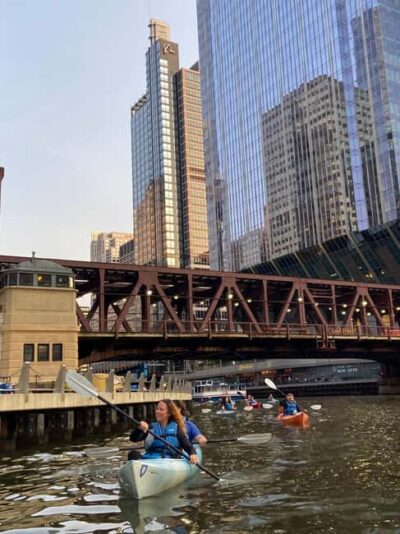
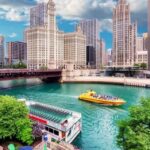
You start on the Chicago Riverwalk near Sweet Home Gelato (151 W Riverwalk). The boats run out from the Riverwalk between the LaSalle Street and Wells Street bridges, so you get right into the action without trekking across town. If you’re celebrating something big, this setup lets you reserve the entire cycleboat, which means more space and less waiting around for the group to get rolling.
The route also reads like a fast architectural highlight reel. You’ll pass iconic landmarks tied to different eras of Chicago, from a 1973 world-record skyscraper to classic downtown towers with early-1900s and 1920-era roots. Just note that the boat includes 10 cycle stations plus extra seating, so it’s a more hands-on experience than a typical cruise.
In This Review
- Key things to know before you pedal
- How the BYOB cycleboat works on the Chicago Riverwalk
- Price and value: what $65 buys you for 90 minutes
- First highlight: Willis Tower from the river level
- The 1960s-era marker: when Chicago shifts from industry to homes
- Wrigley Building at the 1920 mark: classic towers, great angles
- A turn-of-the-century structure built for a growing city’s travel needs
- Captains set the tone: friendly, informed, and safety-first
- Practical tips for a smooth ride
- Should you book the Chicago River Cycleboat Cruise?
Key things to know before you pedal
- BYOB setup with built-in coolers and ice, plus a no-glass rule for your drinks
- Bluetooth Sound System so you can bring your own playlist for the full 90 minutes
- Departing from the Riverwalk between LaSalle and Wells, which keeps everything central and easy to reach
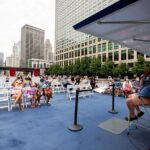
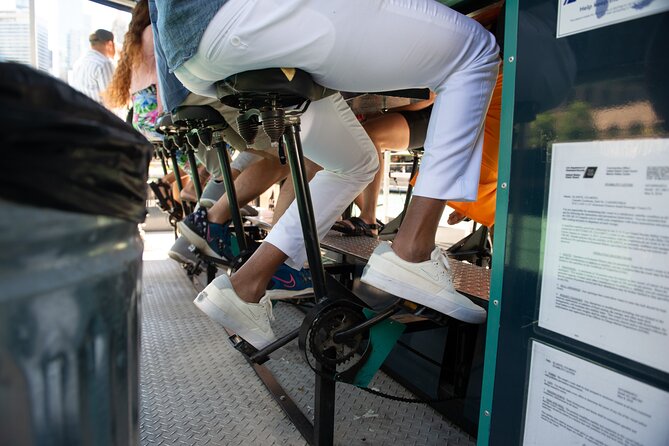
- 10 cycle stations plus additional seating, so the boat works well for mixed groups
- Small group feel (max 16 travelers), which makes it more like a private outing than a mass tour
- Captains like Monica, Paris, Chris, Marie, and Maria have led trips, with a friendly, safety-first approach
How the BYOB cycleboat works on the Chicago Riverwalk
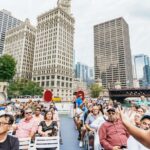
This is not a sit-and-sway boat tour. The cycleboat has 10 cycle stations, so you’re part of the engine for the ride, while still having additional seating for people who want to relax more.
Here’s what makes it easy to plan: the experience is BYOB and you bring your own snacks. The boat also includes a Bluetooth Sound System for music and built-in coolers with ice, so you’re not trying to guess where to store drinks once you’re on board. One practical rule matters: no glass for alcoholic beverages, so bring cans or bottles you can pour into something else if you’re unsure how it will be handled.
You’ll depart from the Chicago Riverwalk between the LaSalle Street and Wells Street bridges. That matters because it keeps the whole thing “walkable city core.” You’re not stuck with distant parking lots or a complicated transit puzzle.
Also pay attention to the rhythm of the experience: it’s roughly 90 minutes on the water. That’s long enough to feel like a real outing and short enough that you’re back on land without losing your whole day. If you’re doing this for a birthday, bachelorette, or team event, that timing helps you keep the schedule tight.
You can also read our reviews of more boat tours in Chicago
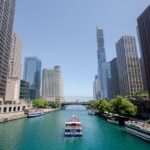
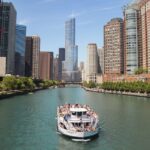
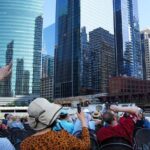
Price and value: what $65 buys you for 90 minutes
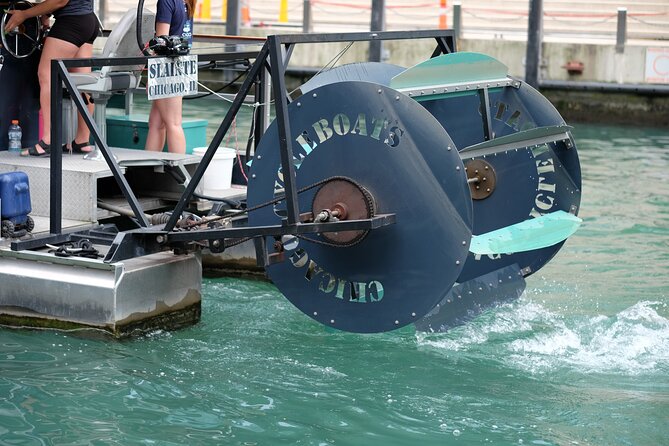
At $65 per person, this isn’t a bargain cruise where you’re just buying time on the water. You’re paying for a specific combo: active sightseeing, your own party supplies (BYOB), and onboard amenities like Bluetooth audio plus coolers and ice.
For value, I look at three things:
1) What you control (music, drinks, snacks)
2) What’s included (sound system, coolers, ice)
3) How long it lasts (about 90 minutes)
If you’d otherwise rent a space, pay for an alcohol-heavy event, or stitch together separate activities, this tends to feel like a cleaner deal. The small size (max 16) also helps. Bigger boats can feel like you’re watching other people’s fun. A smaller cycleboat usually feels closer to a shared plan, especially when the crew helps keep everything moving.
One more angle: this is often booked about 27 days in advance on average. That’s not “last-minute lottery ticket” territory, but it also isn’t something you should wait on if your dates matter. If you’re traveling for an occasion, plan ahead so you can get the time slot you want.
First highlight: Willis Tower from the river level
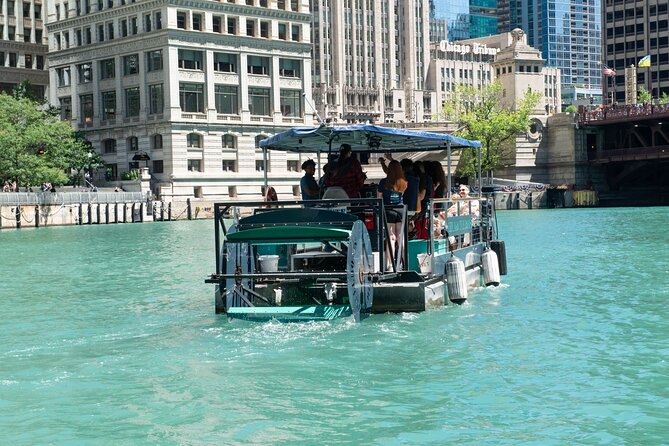
One of the stops centers on the tallest building in Chicago currently, and it was also the tallest building in the world when it opened in 1973. From the water, that kind of height lands differently. You don’t just see a skyline landmark, you feel its scale against the river lines and bridge spacing.
What I like about a river approach is the visual layering. The lower angle gives you context: the building isn’t floating in a vacuum. It sits in relation to bridges, riverbanks, and the city’s mid-century and early-1900s mix of structures around it. You’ll also get a more “real Chicago” photo than you would from a distant observation deck, because the river and the architecture share the frame.
If you’re expecting the boat to turn into an extended history lecture, keep your expectations flexible. The stops work like story prompts: quick, memorable facts paired with a view. For architecture nerds, that’s great. For people who want long explanations, you may want to bring your own curiosity and let the crew’s comments guide the details.
The 1960s-era marker: when Chicago shifts from industry to homes
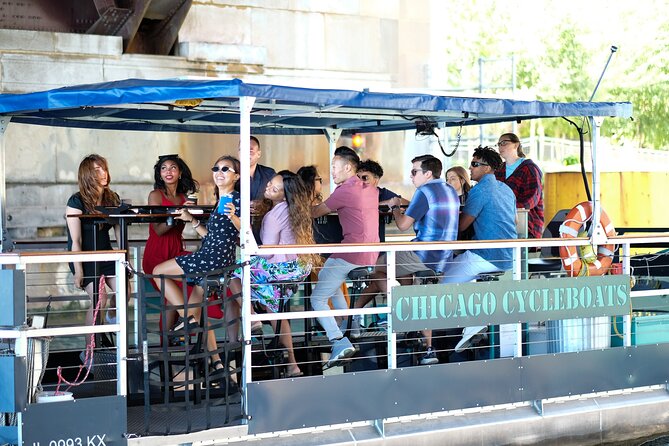
Another stop points to a 1960s building that marks a transition in Chicago history from industrial to residential. Even without a long textbook moment, this is a useful way to read the riverfront.
Look at it as a city lesson you can see in real time. The Chicago River isn’t just a scenic canal; it’s a timeline. As you ride past structures from different decades, you can spot changing priorities in the architecture—what got built to support work, and what came next when the area shifted toward living and lifestyle.
One consideration: because the stop is framed by the idea of transition rather than a named “must-know” landmark, you’ll enjoy it most if you’re the kind of person who likes noticing how cities evolve. If you want everything spelled out with names of every building, you may need to lean on questions to the crew during the ride.
Wrigley Building at the 1920 mark: classic towers, great angles
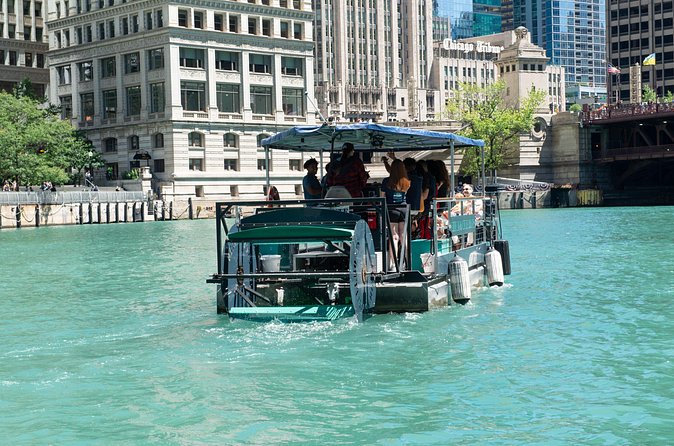
The boat also stops near the Wrigley Building, built in 1920 by the Wrigley chewing gum company. This is one of those Chicago landmarks that practically asks for a photo, and the river angle helps a lot.
From the water, you can catch the building’s presence in a way that feels grounded. Instead of looking at it from far away, you’re seeing it as part of the riverwalk street scene, with bridge lines and water reflections in the background. And because you’re on a moving cycleboat, you’ll get multiple looks without having to reposition yourself like you would on land.
If you care about photos, time your phone habits. You don’t want to rush at every stop and drop your focus. I’d use a simple approach: enjoy the first clean look, then do one more photo when you see the best angle with the river lines.



A turn-of-the-century structure built for a growing city’s travel needs
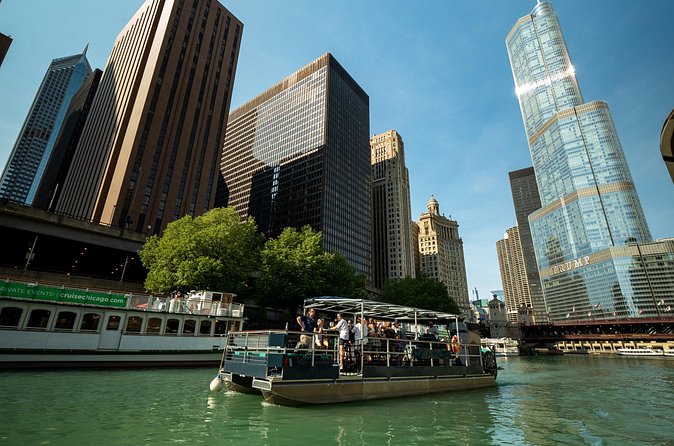
The final stretch includes a stop describing a building constructed at the turn of the 1900s to help ease the growing city and her travel demands. This type of stop is smart because it reminds you that “travel” isn’t just today’s traffic. It was also about moving people efficiently as Chicago expanded.
Even if the architecture isn’t the most famous name on postcards, it still adds value to the route. It gives you that “why was this here” context. You’ll likely notice scale, materials, and the way the building relates to nearby river access points.
Potential drawback: if you’re expecting a modern skyline-only route, this stop adds a different flavor—early-1900s infrastructure-and-city-planning energy. That’s good for balance, but it can feel less dramatic than a major skyscraper if you only want big wow moments.
Captains set the tone: friendly, informed, and safety-first
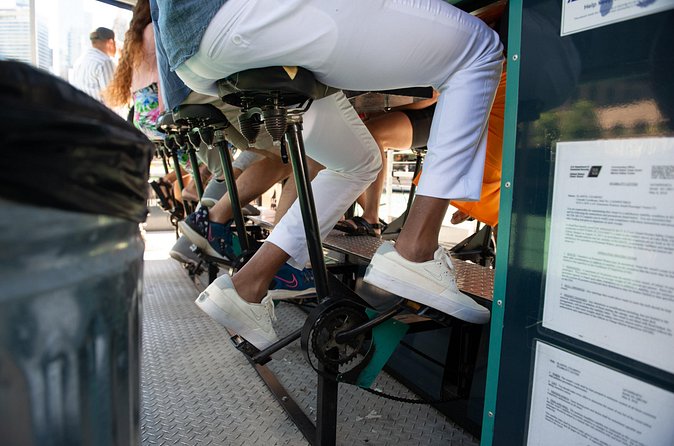
A cycleboat works best when the crew keeps things smooth. In the experiences I’m drawing from, captains such as Monica and Marie/Maria show up again and again, along with names like Paris and Chris. The consistent theme is a mix of friendliness and professionalism, with captains who help people settle in and keep the outing organized.
That matters because this is a BYOB environment. You want the ride to feel fun, but you also want order—especially with music, drinks, and people coming and going between seating and cycle stations. A good captain also keeps the pace right so everyone gets a fair chance at views and photos.
The best part is the social vibe. This is a popular format for celebrations: bachelorettes, team outings, birthdays, and retirement get-togethers. If that’s your goal, the Bluetooth music and the onboard coolers make it easy to start the party without lugging everything to a restaurant that might not fit your group.
Practical tips for a smooth ride
Here’s how I’d prepare to make the ride feel effortless:
- Bring BYOB alcohol in non-glass containers. The boat requests no glass for alcoholic beverages.
- Bring your own snacks. Food isn’t listed as included, but snacks are allowed.
- Bring sunscreen. It’s not included, and you’ll be outside on the river.
- Use the mobile ticket. Confirmation is received within 48 hours of booking, and the ticket is mobile.
- Plan around public transit if needed. It’s noted as near public transportation.
- Expect a weather-dependent experience. Good weather is required, and if it’s canceled due to poor conditions, you’ll be offered another date or a full refund.
Also, don’t overpack your expectations. This is a 90-minute urban river ride focused on sights and the party-friendly format. If you want a quiet museum-style cruise, you might feel it’s too social. But if you want a memorable Chicago experience that’s part sightseeing and part celebration space, it hits the mark.
Should you book the Chicago River Cycleboat Cruise?
I’d book it if you want a fun, city-core experience where you control the music and the drinks, and you’d rather spend time on the water than in a crowded tour group. The included Bluetooth Sound System and built-in coolers with ice turn a BYOB idea into something that’s actually practical. And the route hits big-name architecture moments tied to major Chicago eras, including the Willis Tower landmark tied to 1973 and the Wrigley Building from 1920.
Skip it (or at least think twice) if you hate being outside in changeable weather, or if you’re looking for a long, slow, guided history session. This ride is about momentum: pedal, glide, sing along, snap a few photos, then back to the Riverwalk while your crew still feels “on.”
If your dates are flexible, you’ll likely find it easier to match your schedule. If your trip is tied to an event, aim to book early and coordinate your group so everyone shows up ready to enjoy the ride.