REVIEW · CHICAGO
Frank Lloyd Wright Robie House Admission
Book on Viator →Operated by Frank Lloyd Wright Home and Studio · Bookable on Viator
A flat prairie house with serious star power. The Robie House is one of Frank Lloyd Wright’s most influential designs, and this guided visit lets you see why it became UNESCO-worthy. You get about an hour inside and out, focused on how the building works—and why people still talk about it.
I especially like two things: the close-up look at the details of Wright’s Prairie Style design, and the fact that the tour is kept small (max 14), so questions don’t get swallowed by the group.
One thing to consider: timing is strict, and some visitors have run into trouble when tickets or tour times weren’t confirmed clearly. Plan to verify your entry time right after booking.
In This Review
- Key Takeaways Before You Go
- Frank Lloyd Wright’s Robie House: What You’re Actually Seeing
- Arriving at 5757 S Woodlawn Ave: Timing and Check-In Reality
- Your 1-Hour Tour: Exterior Clues and Interior Payoff
- What you can expect outside
- What you can expect inside
- Why UNESCO Status Matters Here (And Isn’t Just a Sticker)
- The Prairie Style Details That Make This Tour Worth Your Time
- Guides can bring the house to life
- Small-Group Size: The Difference Between Seeing a House and Understanding It
- Hyde Park and the University of Chicago Area: A Bonus Day Feel
- What Makes This Tour a Good Value
- A Quick Reality Check on Accessibility
- Should You Book This Robie House Tour?
- FAQ
- How long is the Frank Lloyd Wright Robie House tour?
- What days can I visit for public tours?
- Where do I meet for the tour?
- Is the tour offered in English?
- Do they use mobile tickets?
- How many people are in the group?
- Is the Robie House tour accessible for people with disabilities, and are service animals allowed?
Key Takeaways Before You Go
- Small group (up to 14) means a more personal architecture walk-through
- 1-hour guided visit covers both exterior cues and interior layout choices
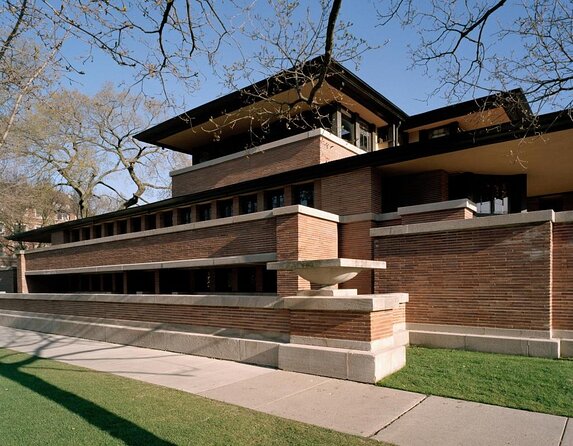
- Prairie Style details show how Wright blurred the line between inside and outside
- UNESCO World Heritage status adds weight to every square foot you see
- Public tours run Thu–Mon, with the site closed Tue–Wed
Frank Lloyd Wright’s Robie House: What You’re Actually Seeing
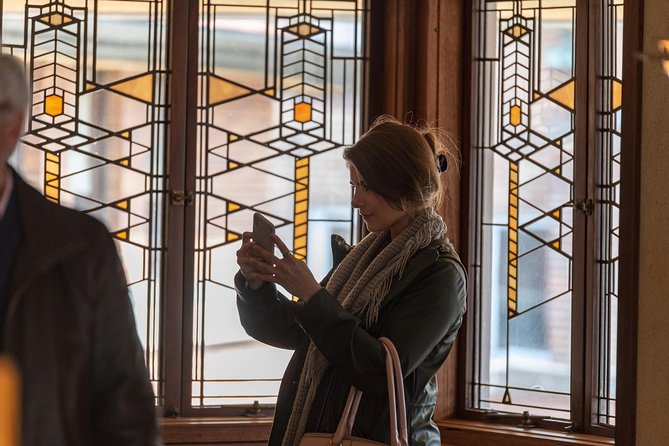
If you care about architecture, the Robie House is the kind of stop that feels bigger than its footprint. It’s often described as a turning point in American design, and walking through it (or even just staring at it from outside) helps you understand why. Wright’s ideas aren’t just decorative—they’re structural, planned into the walls, openings, and the way rooms connect.
The big theme you’ll notice fast is how the house seems to keep stretching outward. The design borrows from the Midwest prairie feel: long horizontal lines, strong roof movement, and an overall sense that the building belongs to the land. In the reviews you provided, I also see a consistent pattern: people leave talking about how the house blends interior and exterior choices, not just about pretty rooms.
This visit is also tied to a major context. The Robie House is part of the UNESCO World Heritage listing for the 20th Century Architecture of Frank Lloyd Wright. That means your hour here isn’t only a museum stop—it’s a piece of a global “why does this matter” story about modern architecture.
You can also read our reviews of more tours and experiences in Chicago.



Arriving at 5757 S Woodlawn Ave: Timing and Check-In Reality
Your meeting point is 5757 S Woodlawn Ave, Chicago, IL 60637. The tour runs about one hour (approx.), and the site hours listed are 10:00 AM–3:00 PM. Public tours are available Thursday–Monday, and the museum is closed Tuesday and Wednesday, so you’ll want to match your visit to those days.
Here’s the practical advice I’d give you: don’t treat this like a drop-in “show up whenever” building. Several experiences in the feedback you shared point to confusion around tour start times—sometimes caused by ticket platforms not syncing neatly with the venue. So the smart move is to confirm two things early:
- Your scheduled time slot (not just your date)
- That your ticket is recognized at the venue before you’re standing there with time to spare
If you arrive late, you may miss your group. If your ticket isn’t showing correctly, you might have to wait for the next available slot—or in worse cases, you could end up buying a different option onsite. That risk is why I recommend planning a little buffer time and checking your timing details right after booking.
Your 1-Hour Tour: Exterior Clues and Interior Payoff
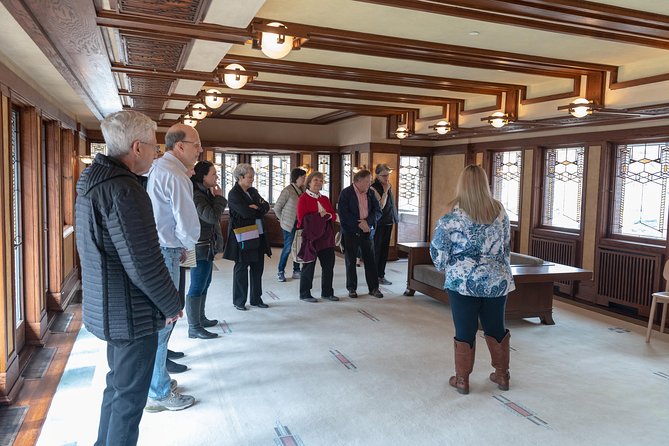
This is a guided tour experience that’s designed to be efficient. You’re in and out in about an hour, which means the guide has to focus on the essential story beats: what Wright built, what problem he was trying to solve, and how the design choices affect how you move and feel inside the house.
Even though the stop is “just one building,” the pace is smart. You start by looking outward first—because the exterior tells you what kind of rules the house runs on. Then you step inside and see how the same design thinking shows up in layout and materials. The most common takeaway in the reviews you included is that the tour helps people understand the relationship between inside and outside elements—exactly the point of Wright’s Prairie approach.
What you can expect outside
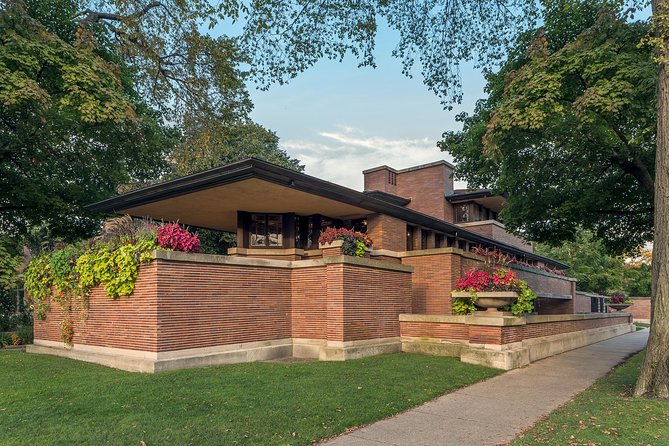
The exterior is where the house’s horizontal emphasis hits you. You’ll likely notice how the roofline and openings create a sense of movement, not a static box. For many first-time Wright fans, this outside look is what makes the interior feel “intentional” rather than random or decorative.
What you can expect inside
Inside is where Wright’s planning becomes practical. The home is restored and presented as a lived-in work of design—so you don’t just look at walls; you notice how light enters, how spaces relate, and how the floorplan supports the way people would have used the rooms.
A recurring theme from the feedback you provided: people spend the most time reacting to the building’s materials and craftsmanship. You’ll probably be surprised by how much attention goes into transitions—where the structure meets the openings, and where the inside starts to feel visually connected to the outside.





Why UNESCO Status Matters Here (And Isn’t Just a Sticker)
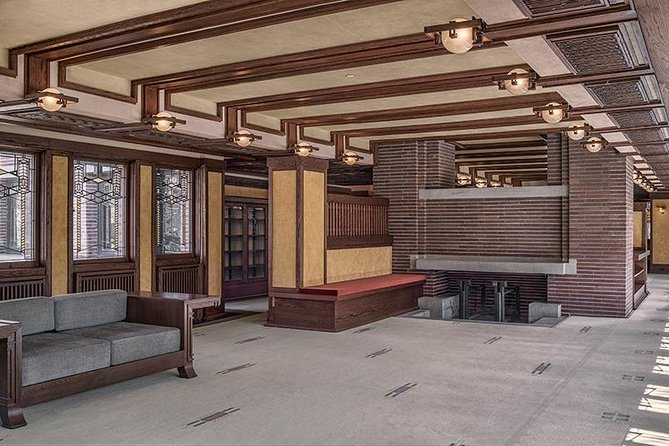
UNESCO listing can sometimes feel like paperwork. In this case, it actually helps explain why you’re being guided through the way the Robie House was designed.
The house is recognized as part of the UNESCO listing for the 20th Century Architecture of Frank Lloyd Wright. That matters because it frames the visit as a historical milestone, not a random historic home. Wright’s Robie House is connected to modern architecture’s evolution in the United States—so the guide’s job is not only to describe rooms, but to connect those rooms to a bigger shift in design thinking.
In the details you shared, one of the most repeated ideas is that the Robie House has been “saved” and carefully restored after near demolition. That story is more than drama. It’s part of why the house still exists in a form you can experience today.
The Prairie Style Details That Make This Tour Worth Your Time

Prairie Style can sound like a label until you see it applied with intention. At the Robie House, Prairie Style isn’t just about “low and horizontal.” It’s about how lines, openings, and space planning reinforce a worldview: buildings should feel connected to their environment.
From the reviews you gave, the aspects people praise most often include:
- Getting a close look at architectural details
- Learning how Wright’s design blends interior and exterior elements
- Having a guide who can connect design choices to the house’s history and the Hyde Park area
If you want to get more out of the hour, go in with one goal: watch for how the house frames space. Ask yourself: Where does your eye go first? Where does light land? How do rooms seem to relate to one another? A good guide will point you to these answers, and the small group size helps you actually hear them.
Guides can bring the house to life
You may see different guides leading the tour. The feedback you shared includes names such as Mary, Bruce, Preety, and Bryan, and the common thread is that they connect the house to Wright’s bigger ideas. If your guide takes questions, that’s when the visit gets especially satisfying—because Wright’s designs are full of decisions, and you’ll want to ask why certain features exist.
Small-Group Size: The Difference Between Seeing a House and Understanding It
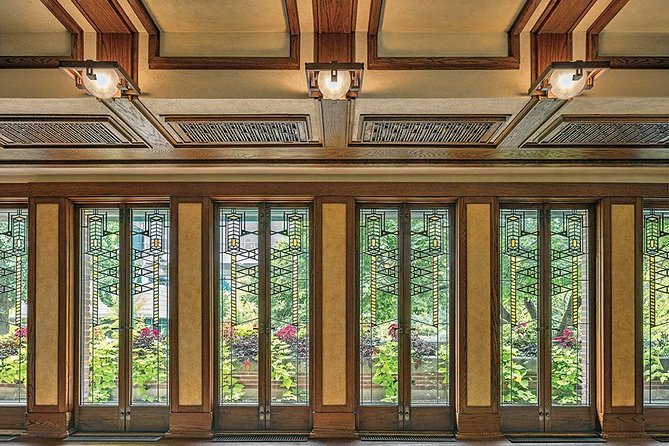
This tour caps at 14 travelers, which is a big deal for a building this famous. In large groups, you often get a quick walk-by and a blur of facts. In a smaller group, you can pause, hear the explanation, and actually look.
That’s exactly what your positive feedback points to: people calling the tour thorough, learning a lot, and feeling like they got close enough to appreciate the building. I’d treat this as one of the best reasons to book this version of the Robie House experience instead of doing it solo or with a bigger crowd. The guide’s time is concentrated, and your attention is too.
Also, a shorter duration (about an hour) tends to keep the experience focused. You’re not stuck for two hours while you lose steam. You get the core story in a walkable format.
Hyde Park and the University of Chicago Area: A Bonus Day Feel

Even though the tour centers on the Robie House itself, its setting matters. The Robie House sits on the University of Chicago campus in the Hyde Park area. Several comments you shared describe the surrounding neighborhood as beautiful, and people also linked the day to other learning stops nearby (like the Museum of Science and Industry).
I’d use that as your planning cue: if you’re building a half-day or day around architecture, this works well as a “think about design” anchor. You can follow it with a more general museum stop, then circle back for food and a relaxed walk. The Hyde Park vibe is different from downtown Chicago, so it can feel like you’re seeing a quieter side of the city.
What Makes This Tour a Good Value
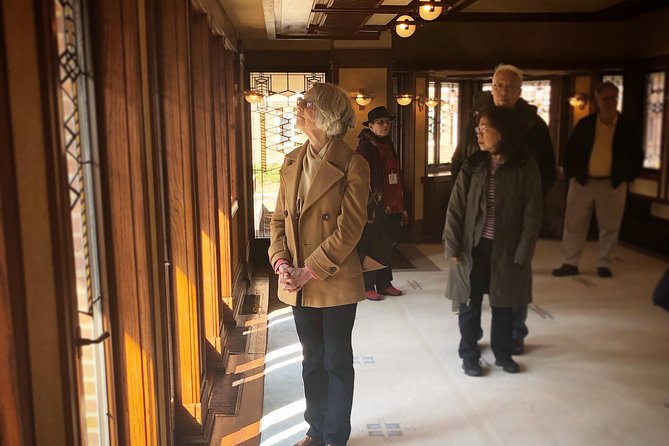
Admission is included, and you’re getting a guided experience that fits into a tight travel schedule—about one hour. For many people, the value comes down to three things:
- Access to interior (not just photos from the sidewalk)
- A guided explanation tied to Wright’s design thinking
- Small-group structure that helps you actually understand what you’re looking at
One caution on value: if your booking doesn’t match the venue’s system smoothly, you could lose time or end up paying for another option onsite. That’s why it’s worth double-checking your confirmed tour time and that your ticket is valid at the venue. Doing that can protect you from turning a great hour of architecture into a stressful scramble.
A Quick Reality Check on Accessibility
The information provided says most travelers can participate, and service animals are allowed. Still, one of the reviews you included notes the site is not easily accessible for disabled visitors. So if mobility is a factor for you, plan to take extra care with your expectations and contact the venue ahead of time if you need specific accommodations. Don’t assume a classic historic house will feel effortless to navigate.
Should You Book This Robie House Tour?
Yes—if you want the highest chance of walking away with actual understanding, not just seeing a famous exterior. I’d book this tour when:
- You like architecture explanations tied to how a space functions
- You’re traveling with someone who enjoys details and questions
- You want a small-group experience that respects your time (about one hour)
I’d think twice if:
- Your schedule is tight and you can’t handle the risk of tour time confusion
- You’re relying on a mobile ticket without time-slot confirmation and you can’t spare time to straighten things out onsite
If you do book, do one practical thing: confirm your entry time right away after booking. That tiny step can turn your visit into a smooth hour of Prairie-era brilliance rather than a frustrating start.
If you need flexibility, the experience offers free cancellation up to 24 hours in advance, which makes it easier to adjust plans if Chicago weather or transit throws a wrench your way.
FAQ
How long is the Frank Lloyd Wright Robie House tour?
The tour is listed as approximately 1 hour.
What days can I visit for public tours?
Public tours are available Thursday through Monday. The museum is closed Tuesday and Wednesday.
Where do I meet for the tour?
The meeting point is 5757 S Woodlawn Ave, Chicago, IL 60637.
Is the tour offered in English?
Yes, the tour is offered in English.
Do they use mobile tickets?
Yes. The experience includes a mobile ticket, and you’ll receive confirmation at booking.
How many people are in the group?
The tour has a maximum of 14 travelers.
Is the Robie House tour accessible for people with disabilities, and are service animals allowed?
Service animals are allowed. One review you shared also notes that access for disabled visitors can be difficult, so it’s smart to plan ahead if you need specific accessibility accommodations.