REVIEW · CHICAGO
Chicago Walking Tour of Highlights with Free Bike or Kayak Rental
Book on Viator →Operated by Bobby's Bike, Hike & Food Tours - Chicago · Bookable on Viator
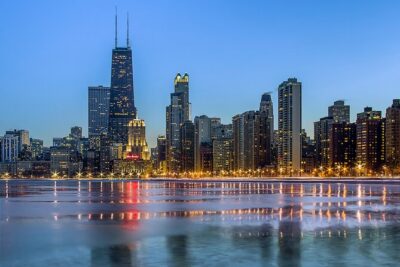
Chicago can feel huge. This tour keeps it tight and story-filled, with a smart route through the city’s best-known landmarks and a free 2-hour bike or kayak rental as a bonus. I especially love how the guide connects what you see to how it was built, from Cloud Gate and its polished reflections to the Riverwalk’s engineering and public-art ideas. One thing to consider: the rental bonus has seasonal limits for kayaks and some blocked weekend windows, so you’ll want to line it up with your dates.
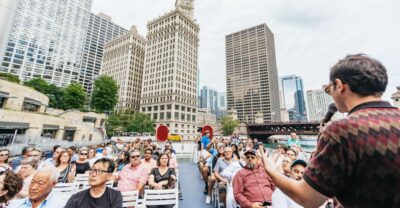
You start at the Palmer House and finish at the Chicago Water Tower, with a small group size (18 max) and a relaxed pace that still packs in a lot. You also get VIP-style access at locations along the way, and the itinerary is designed for a 2-hour hit of Chicago without feeling like you rushed past everything. If you want lots of photo stops and design details called out, you’re in the right place.
In This Review
- Key highlights worth your time
- The vibe: a 2-hour highlights walk with a real extra perk
- Where you begin: Palmer House to set the tone
- Millennium Park: Cloud Gate and the design stories behind the photos
- Cloud Gate, aka The Bean, explained without killing the fun
- Jay Pritzker Pavilion: the sound system you can see
- Magnificent Mile: architecture and money, mixed with history
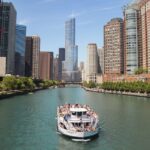
- Chicago Riverwalk: the waterfront that grew from engineering
- Crown Fountain: public art you can feel, not just look at
- Chicago Theatre: a marquee you can read with context
- Historic Water Tower: the quick lesson in resilience
- Art Institute of Chicago: looking with a guide’s lens
- Holy Name Cathedral: Gothic lines and a surprising ceiling
- Daley Bicentennial Plaza: a quieter detour with hidden structure
- Free 2-hour bike or kayak rental: how to turn this into two experiences
- Bike rental details
- Kayak rental details
- The limits that can affect value
- When to use it
- Ending at the Water Tower: finishing with a landmark that feels like home base
- Who this tour is best for
- Price and value: $44.99 plus a rental you can actually use
- A quick note on timing, groups, and comfort
- Should you book this Chicago highlights walk?
- FAQ
- How much is the Chicago Walking Tour of Highlights?
- How long is the tour?
- What time does the tour start?
- Where do I meet and where does the tour end?
- What language is the tour offered in?
- Do I need a printed ticket?
- Are admissions included for the stops?
- What’s the free 2-hour bike or kayak rental?
- Where do the bike and kayak rentals take place?
- Is kayaking available year-round, and are there weekend limits?
Key highlights worth your time
- Millennium Park stories at walking speed: the Cloud Gate photo spot, Jay Pritzker Pavilion sound design, and more.
- Riverwalk + architecture context: you’ll get the why behind the river reversal and the staged build.
- A best-of Magnificent Mile loop: skyscraper evolution, Tribune Tower details, and classic Chicago landmarks nearby.
- Public art that you can actually play with: Crown Fountain’s face-screen symbolism and behavior.
- One ticket bonus that can turn into a second day: the free 2-hour bike or kayak rental within a tight time window.
The vibe: a 2-hour highlights walk with a real extra perk
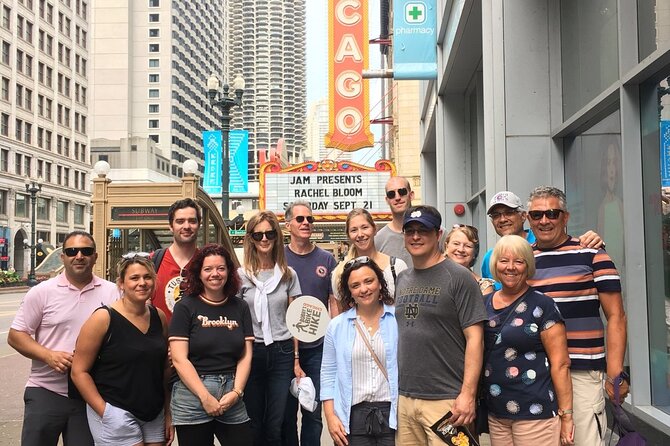
For $44.99, you’re buying two things at once: a guided walk through Chicago’s signature sights and a bonus 2-hour bike or kayak rental you can use soon after your tour. It’s the kind of value setup that makes sense if you want to see the big names now, then keep exploring after you’ve learned a few useful details.
The tour runs about 2 hours and starts at 3:30 pm. Each stop is timed tightly (mostly 5–15 minutes), so the guide can point out the key story beats without turning the day into a full-day museum marathon. That pacing is a plus if you like variety. It’s also a heads-up: if you want lingering time to read every plaque or slowly browse the Magnificent Mile storefronts, you’ll likely wish you had more time.
You can also read our reviews of more walking tours in Chicago



Where you begin: Palmer House to set the tone
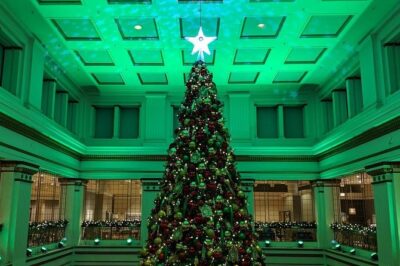
You meet at Palmer House Hilton Hotel (17 E Monroe St) and later revisit the Palmer House Historic Lobby as one of the stops. This matters because it frames the walk as more than postcard sightseeing. Palmer House is part of Chicago’s performance-and-visitor history, and the lobby itself is a quick masterclass in how the city has always blended business, culture, and showmanship.
One of the stand-out details here is the Tiffany-designed ceiling. You also get the kind of story a casual walk past a hotel lobby rarely provides: the famous Palmer House brownie connection to the 1893 World’s Fair. If you like travel days where you learn something instantly practical (why that building matters, who it served, what people did there), this is a good opener.
Millennium Park: Cloud Gate and the design stories behind the photos
Millennium Park is the anchor stop, and for good reason. You get 15 minutes here, which is enough time to see the major landmarks and still hear the “how did they think of that?” explanations that make the park feel more alive.
Cloud Gate, aka The Bean, explained without killing the fun
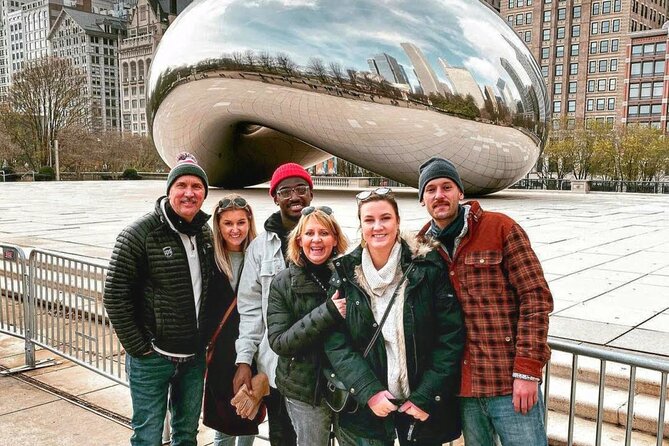
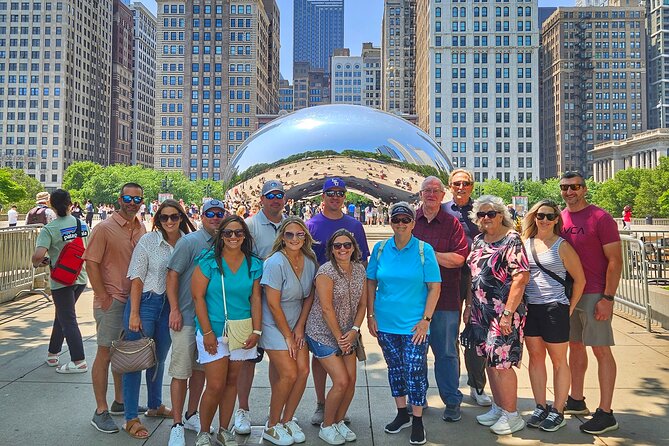
Cloud Gate is the showstopper: a mirrored sculpture that captures Chicago’s skyline in a single reflection. The guide’s details are exactly what you want before you take photos—like where the reflections look best and how the sculpture’s seamless finish was engineered. You’ll also hear why it sparked debate before it became a global Chicago symbol.
A small practical tip: don’t just shoot straight-on. Change your angle and let the reflection bend the scene. That’s when Cloud Gate stops being a statue and becomes a moving photo tool.
Jay Pritzker Pavilion: the sound system you can see
Millennium Park also includes the Jay Pritzker Pavilion. Even in just a short stop, the point is to notice the structure as a performance instrument. You’ll learn about the sweeping trellis and how it helps create concert-quality outdoor sound across the Great Lawn. If you’ve ever wondered how outdoor music can sound crisp instead of echoey, this is the rare landmark that answers it with a visible reason.
You can also read our reviews of more cycling tours in Chicago






Magnificent Mile: architecture and money, mixed with history
From Millennium Park you head to the Magnificent Mile on Michigan Avenue for about 10 minutes. This stretch can feel like a blur of shops if you walk it on autopilot. Here, the guide uses it as a lens on Chicago’s growth—why this avenue became a premium corridor and how skyscrapers shaped the skyline identity.
Expect stories about buildings and design evolution, including facts tied to major landmarks nearby. You’ll also get attention directed at details people miss on quick passes, like embedded features linked to the Tribune Tower and the Wrigley Building’s original purpose. This is one reason the tour feels efficient: you’re learning what to look for while you’re walking, not after you’ve already moved on.
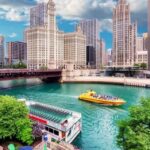
Chicago Riverwalk: the waterfront that grew from engineering
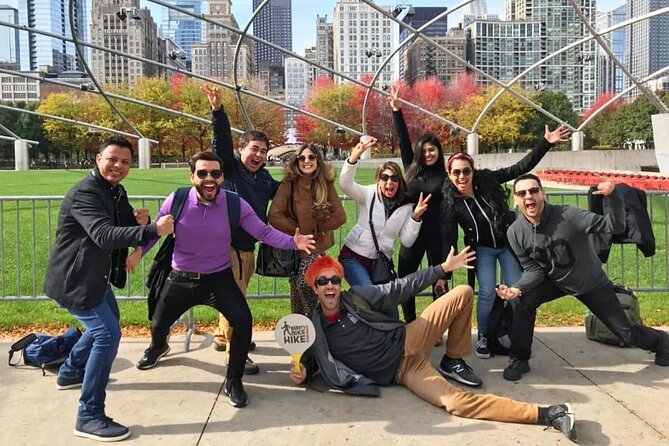
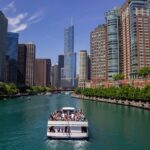
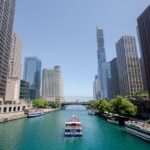
The Riverwalk stop is another 15-minute anchor. It’s the part of Chicago where you feel the city’s engineering confidence and its love of public space at the same time.
You’ll hear how the river was reversed—an engineering feat that changed how the city planned and presented itself. Then you’ll get the story of how the Riverwalk was built in stages, each tied to themes of architecture and culture. The guide also points out things that matter for both photos and strolling: art installations, ecological efforts, and calmer photo angles you might not notice if you stayed stuck in main sightlines.
Practical photo note: the Riverwalk gives you more depth than the usual skyline viewpoint. If you time your shots with people moving behind you, it looks like Chicago is actively living, not just posing.
Crown Fountain: public art you can feel, not just look at
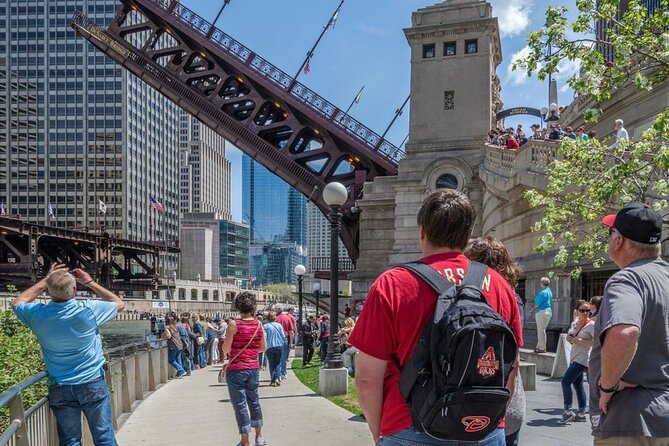
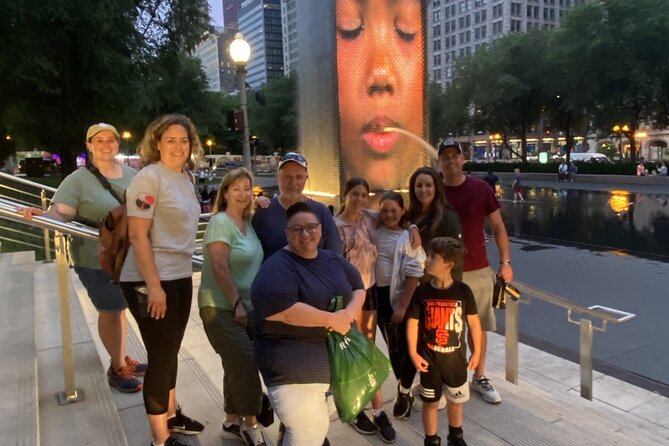
Crown Fountain is a quick 5-minute stop, but it’s one of the most memorable on the list because it’s interactive in a way that feels human. The guide explains how it works as a large-scale community art project, including the digital faces that appear on tall towers and the symbolism behind changing expressions.
You’ll also hear about the spitting water effect and how it was engineered, plus why Crown Fountain was considered bold and controversial at launch. That history matters, because it helps you see the fountain as a design argument, not just a playful feature.
If you’re bringing kids, this is often the “wait, look at it” moment that makes the whole tour stick. Even if you’re traveling solo, it breaks up the architecture-heavy flow.
Chicago Theatre: a marquee you can read with context
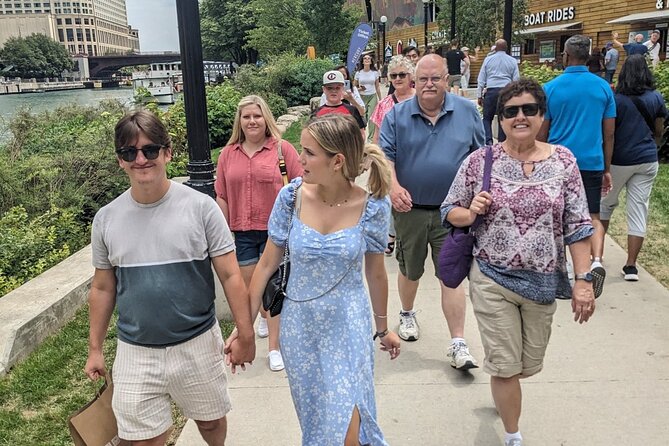
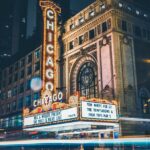
Next up is the Chicago Theatre, about 10 minutes. The marquee is the obvious photo target, but what makes it worthwhile on this tour is the story behind it: the 1921 French Baroque design, the way the lobby relates to the Palace of Versailles idea, and the famous seven-story marquee.
You’ll also hear how the auditorium’s design has symbolism and that the theatre’s major renovation helped revive the district. This matters for your travel planning because it explains why a single building can change how an entire area feels, not just how it looks.
Historic Water Tower: the quick lesson in resilience
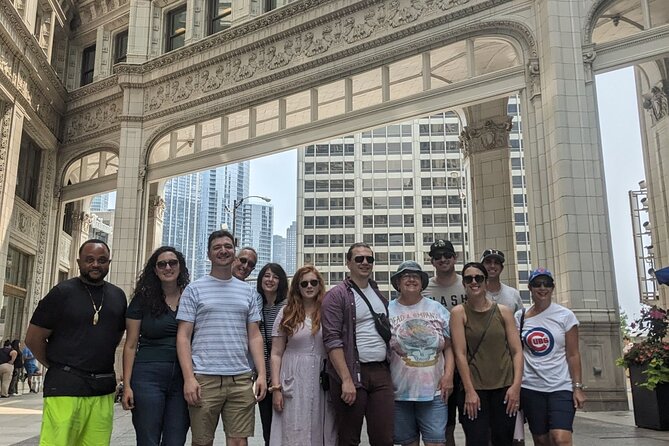
The Historic Water Tower stop brings you back to old Chicago for about 10 minutes. It survived the Great Chicago Fire of 1871, and the guide uses that as a story of resilience and identity.
This stop is useful even if you’ve seen the Water Tower in photos before. You’ll learn about its role beyond being a pretty relic, including what it once housed (a pumping system) and why its castle-like design caused debate early on. Then you get that contrast effect: old Chicago beside towering modern buildings, all visible close together.
Art Institute of Chicago: looking with a guide’s lens
The Art Institute stop is about 10 minutes. It’s short, so you should think of it as a “set up your visit” stop, not a full museum experience. The guide highlights what makes the museum one of the big players in the art world and points out the famous bronze lions and their meaning.
You’ll also hear why key collections found a home in Chicago and how the museum grew from an academy into a major institution. If you’ve ever walked into a museum feeling lost, this kind of guide framing can help you choose what to prioritize later.
Practical approach: if you want more than one or two paintings, plan to return on another day. This tour can’t cover a world-class museum in 10 minutes, but it can help you pick what to seek out next.
Holy Name Cathedral: Gothic lines and a surprising ceiling
Holy Name Cathedral is about 10 minutes. This stop adds calm and architectural contrast, especially after the more showy downtown sights.
You’ll see the Gothic Revival façade and hear how the ceiling’s shape connects to a ship’s hull idea, meant to suggest shelter and strength. Inside, you’ll learn details about the bronze doors and the Resurrection Crucifix placement, plus how restoration followed a fire in 2009. The guide also points out woodwork and stained glass, and the overall mood—peaceful and focused.
If you like buildings where art and faith meet design craft, you’ll get something real here even in a short visit.
Daley Bicentennial Plaza: a quieter detour with hidden structure
Daley Bicentennial Plaza is a 10-minute stop that works well when you want a breather. The guide frames it as a place many people pass without understanding, including its past role connected to the old police headquarters and skating rink.
You’ll also learn about reconstruction impacts and how the plaza’s elevation hides a massive parking structure underneath your feet. That detail alone changes how you look at the area—like the city is doing practical work out of sight while presenting a green, open-looking space above.
Free 2-hour bike or kayak rental: how to turn this into two experiences
This is the bonus that can make the whole purchase feel like a bargain, but only if you plan it right.
Bike rental details
Bike rentals are at Bobby’s Bike Hike World Headquarters, 540 N. Lake Shore Drive (open year-round except Thanksgiving and Christmas). You’re set up to use the 20 mile Lakefront Bike Trail, a route that’s a solid follow-up to your downtown walk because it lets you see Chicago from the waterline perspective.
Kayak rental details
Kayak rentals are at Ohio Street Beach, Bobby’s Kayak, 550 E Grand Avenue (open mid-May to mid-October, weather dependent). Kayaking is only available from June to September, and it’s on Lake Michigan. If you’re traveling outside that season, you’ll want to count on the bike option instead.
The limits that can affect value
There are two key restrictions to understand:
- Saturday bike or kayak rentals are excluded between the Memorial Day weekend (end of May) and Labor Day (early September).
- There are no refunds/discounts for not using the activity or issues due to weather restrictions.
That doesn’t mean the tour isn’t good. It just means you should check your calendar before you get excited about the rental.
When to use it
You have a window of within plus or minus 3 days of your tour booking to use the rental. This timing is tight enough that you should plan the day after your tour (or the same week) as an active follow-up.
Ending at the Water Tower: finishing with a landmark that feels like home base
The tour ends at the Chicago Water Tower (806 Michigan Ave). Finishing here is smart because it puts you near a strong mix of transit and neighborhood access. It also gives a full-circle feeling: you started with historic Palmer House context, walked through modern downtown icons, and then land at another “survived and stayed” Chicago symbol.
Who this tour is best for
You’ll like this most if you:
- want a guided way to understand what you see (not just a list of stops),
- enjoy architecture, public art, and “how things work” stories,
- like having an activity bonus after the walk (bike or kayak),
- are short on time but still want a wide slice of Chicago highlights.
You might want to skip or supplement it if you:
- hate rushing through highlights and prefer long museum browsing,
- travel only in kayak season’s off months and don’t want to bike,
- need lots of quiet time at each stop (most stops are 5–15 minutes).
Price and value: $44.99 plus a rental you can actually use
At $44.99 for about 2 hours, the base cost is reasonable for a top-sight, guide-led highlights loop in central Chicago. The real value move is that the price is tied to the free 2-hour bike or kayak rental within the window around your booking.
The math gets better if you’re the type of traveler who likes to keep moving after a tour. A bike ride on the lakefront trail can turn the day into something bigger than a single walking loop. The value gets weaker if your dates fall into kayak downtime or you end up unable to use the rental due to your schedule or weather.
A quick note on timing, groups, and comfort
This tour runs in all weather conditions, so you’ll want to dress for the day. The operator also notes that it requires good weather for the experience. In practice, that means you should bring rain gear if there’s any chance of wet weather, and don’t schedule something critical right after the tour.
Group size stays small (max 18), which helps with navigation and keeps the tour from turning into a long shuffle. It’s also offered in English and uses a mobile ticket, and it’s near public transportation.
Should you book this Chicago highlights walk?
Yes, if you want a guided hit of Chicago’s most famous sights with practical context, and you’re willing to use the rental bonus. This is one of those tours that can save you guesswork: the guide shows you where to look for skyline photos, explains why public art behaves the way it does, and ties architecture to Chicago’s growth story.
No, if you mostly want unstructured time at each location or you’re traveling in a period when you know you won’t be able to use the bike/kayak perk. In that case, you might be better off with a museum-centered day or a self-guided walk where you control pacing completely.
If your goal is to get oriented fast and then move on with confidence, this tour is an efficient, well-stitched way to do it.
FAQ
How much is the Chicago Walking Tour of Highlights?
It costs $44.99 per person.
How long is the tour?
The tour lasts about 2 hours.
What time does the tour start?
The start time is 3:30 pm.
Where do I meet and where does the tour end?
You meet at Palmer House Hilton Hotel, 17 E Monroe St, Chicago. The tour ends at Chicago Water Tower, 806 Michigan Ave, Chicago.
What language is the tour offered in?
The tour is offered in English.
Do I need a printed ticket?
No. It uses a mobile ticket, and you’ll receive confirmation at booking time.
Are admissions included for the stops?
The stop details list admission ticket free for each of the landmarks included on the route.
What’s the free 2-hour bike or kayak rental?
As a booking perk, you get a free 2-hour bike or kayak rental to use within plus or minus 3 days of your tour booking.
Where do the bike and kayak rentals take place?
Bike rentals are at Bobby’s Bike Hike World Headquarters, 540 N. Lake Shore Drive. Kayak rentals are at Ohio Street Beach, Bobby’s Kayak, 550 E. Grand Avenue.
Is kayaking available year-round, and are there weekend limits?
Kayaking is available mid-May to mid-October, weather dependent, and kayaking only runs from June through September. Saturday bike/kayak rentals are excluded between Memorial Day weekend (end of May) and Labor Day (early September).