REVIEW · CHICAGO
Chicago’s Ultimate City Bike Tour
Book on Viator →Operated by Bobby's Bike, Hike & Food Tours - Chicago · Bookable on Viator
Chicago by bike beats the usual sightseeing grind. This 3-hour ride is built around the Lakefront Trail and museum-area highlights, so you see a lot without the stop-and-go feel of walking. You’ll also get a guide who keeps things fun and orderly for a group size that stays small.
I love the relaxed pacing: the route stays mostly on dedicated bike paths, with only small hills and plenty of breaks. I also like how the tour mixes big-name stops with practical photo moments, from the Field Museum area to Millennium Park’s public art. One thing to consider: you’ll sometimes ride in city traffic conditions (roads, bike lanes, and occasional stretches where drivers slow down), so it helps if you’re comfortable biking with a group.
In This Review
- Quick hits to know before you ride
- Why this bike tour works so well for a first Chicago pass
- Meeting at Bobby’s and getting your bike sorted
- Lakefront Trail: the easiest way to “feel Chicago”
- Field Museum area: dinosaur attraction with skyline-and-stories energy
- Shedd Aquarium and Adler Planetarium: quick looks, admissions not included
- Northerly Island nature preserve: downtown calm on a bike break
- Soldier Field and the 12th Street Beach contrast
- Grant Park: front yard territory with fountains and public art
- Chicago Theater marquee and Daley Bicentennial Plaza: skyline meets sculpture
- How long you’ll actually be riding (and why pace feels relaxed)
- $59 pricing: what you’re really buying
- Who this tour is best for
- Rain or shine, and what that means for your day
- Should you book this Chicago bike tour?
Quick hits to know before you ride
- Mostly traffic-free riding along the Lakefront Trail for an easy, scenic backbone
- Museum Campus walk-ups without pressure: you’ll get short stops, but some admissions aren’t included
- Real Chicago textures: lake views, stadium energy, and a quiet peninsula nature preserve
- Frequent landmark photo breaks at Grant Park, Buckingham Fountain, and Millennium Park
- Guides with personality like York, Dan, AJ, Nic, Joe, Gabe, Meredith, Josh, and Fran
Why this bike tour works so well for a first Chicago pass
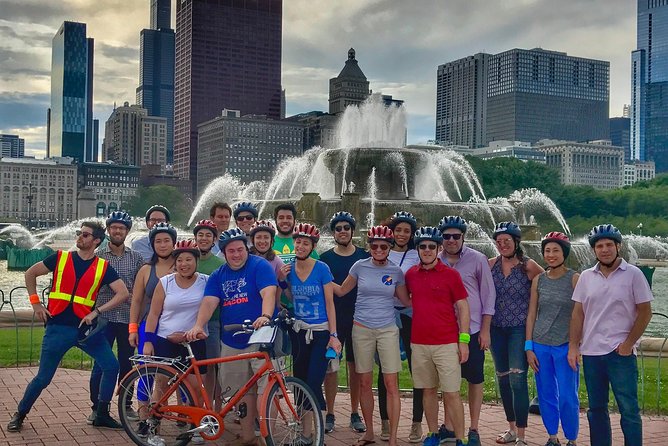
If it’s your first time in Chicago, you need two things: fast orientation and memorable stops. This tour gives you both by running a route that layers iconic landmarks with lake views and a few side moments that feel more local than postcard-only.
You’re paying $59, and the value is in the setup. You don’t have to rent bikes, plan a route, or worry about timing museum crowds. You show up, get a helmet and bike, and a guide handles the flow while you focus on enjoying the ride and listening for stories.
The ride length is also a big part of the appeal. Reviews from past riders often put the real biking around 7 to 8 miles, with enough time to pause, take pictures, and still feel like you did something meaningful.
You can also read our reviews of more cycling tours in Chicago
Meeting at Bobby’s and getting your bike sorted
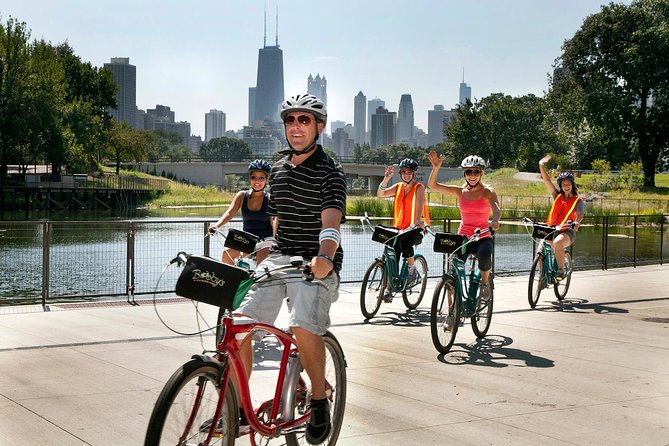
You start at Bobby’s Bike Hike – Chicago Bike, Walking & Food Tours, 540 N Lake Shore Dr, and you end back where you started. That matters more than you’d think: it keeps the tour simple and limits the “where do we meet again?” stress.
Once you’re there, you’ll get your bicycle and helmet plus the tour guide. The tour is capped at a maximum of 15 travelers, which helps with spacing and group control, especially when you’re near busy downtown intersections or when the group needs to slow down together.
Most guides on this route use a clear system for safety and pacing. In past rides, guides like Dan, York, AJ, Nic, Gabe, and Joe have been called out for keeping the group together and moving at an easy, comfortable rhythm.
Lakefront Trail: the easiest way to “feel Chicago”
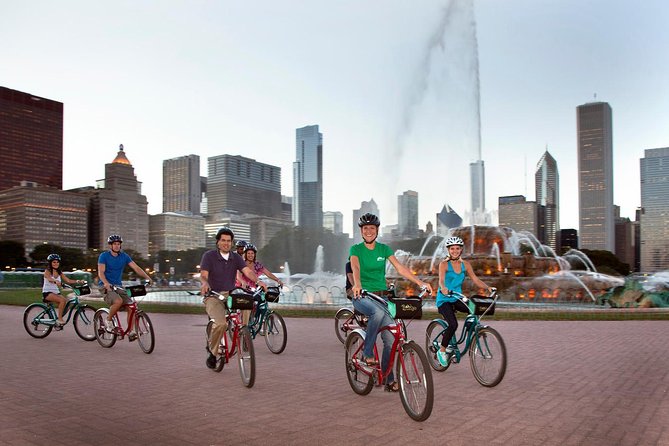
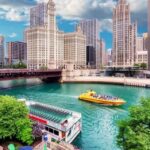
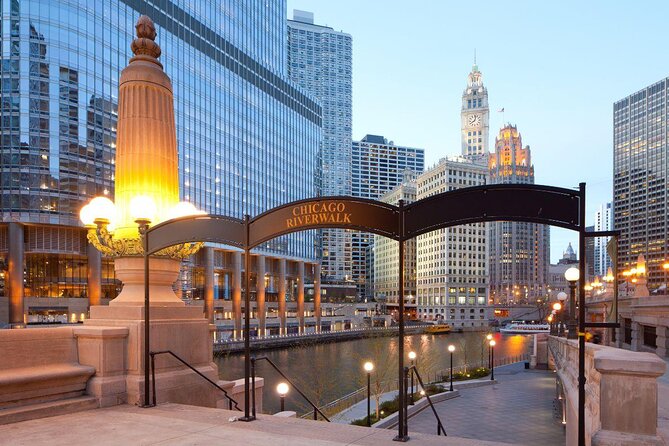
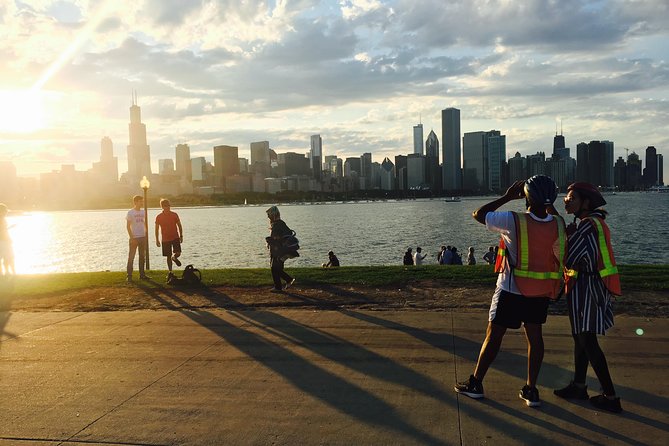
The heart of this tour is time on the 18-mile Lakefront Trail, a paved path that’s been serving walkers, runners, and bicyclists since 1963. This is Chicago’s best kind of urban scenery: water on one side, skyline energy on the other, and a route that makes biking feel natural.
Why it’s valuable for you: the lakefront sections cut through the hardest part of city travel. Instead of guessing which streets are stressful, you’re mostly on a dedicated route. You also get those long sightlines for photos that are hard to recreate from a bus window.
A practical note: even on great paths, you’ll still ride as part of a group. You’ll likely move in single file at times to stay safe. If that’s your least favorite style, just know the guides manage it so the group doesn’t stretch out too much.
Field Museum area: dinosaur attraction with skyline-and-stories energy
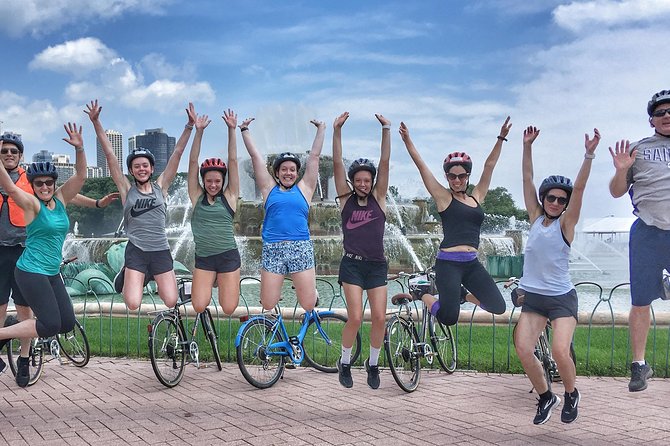
You’ll head into Museum Campus territory and stop near the Field Museum of Natural History, one of the largest museums in the world. The highlight people talk about is T-Rex Sue, described as the biggest fully recovered tyrannosaurus rex.
This is a smart stop even if you don’t plan to go inside for long. The museum area sits at a crossroads where Chicago’s lake views and downtown ambitions overlap, so you get a strong sense of place in a short time.
The trade-off: your time here is limited, so don’t expect a museum deep-dive. You’re there for orientation, photos, and a few key stories that help you connect what you see with the city behind it.
Shedd Aquarium and Adler Planetarium: quick looks, admissions not included
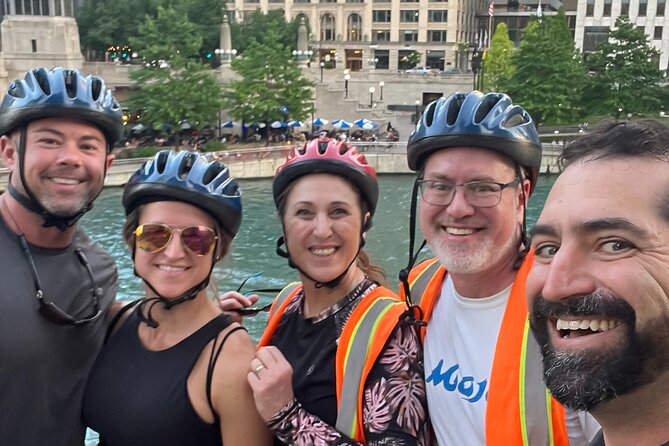
Next come the museum powerhouses of Shedd Aquarium and Adler Planetarium. Shedd opened in 1930 and is home to about 32,000 aquatic animals, and it’s known as one of the largest aquariums in the U.S. Adler is the oldest planetarium in the Western Hemisphere and offers multiple theaters with rotating space science exhibits.
Here’s how to handle this as a planner: both stops are about 15 minutes, and admission tickets are not included. That means the tour is built for quick orientation, not a full museum visit.
If you want to go deeper, use this stop as your decision moment. You’ll see the setting, decide if it matches your interests, and then you can buy tickets on your own schedule. It’s a good way to avoid the common mistake of doing too much inside and running out of energy for the rest of the day.
You can also read our reviews of more city tours in Chicago


Northerly Island nature preserve: downtown calm on a bike break
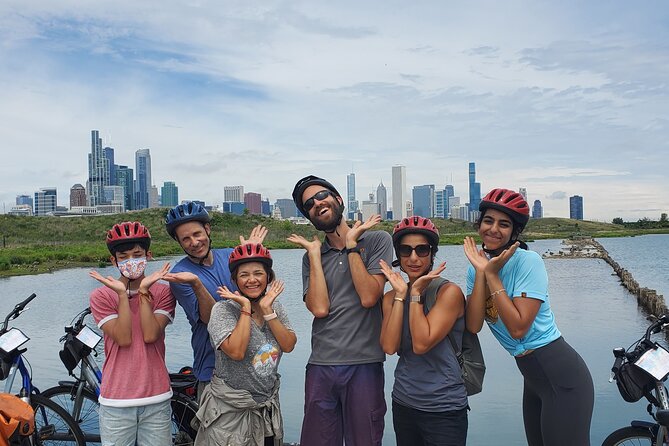
After the museum cluster, you’ll spend time at Northerly Island, a nature preserve on the peninsula south of the museum campus. It’s in early stages of natural development, and the long-range plan includes things like canoeing, bird watching, fishing, and camping.
This stop is a relief valve. After city architecture and big-ticket museums, Northerly Island shifts your perspective to something quieter and more ecological. It’s also the kind of place that helps kids (and adults) burn off energy a bit without making the tour feel like a strict school field trip.
Expect it to be more about atmosphere than structured activities. The time is short—about 15 minutes—but the payoff is that break from the “downtown equals crowded” mindset.
Soldier Field and the 12th Street Beach contrast
The tour then swings toward Soldier Field, built in 1924 and known as the oldest NFL stadium in the United States. During football season it’s the home of the Chicago Bears, and outside the season it hosts major concerts.
Why this works on a bike tour: stadiums are landmarks that immediately read as Chicago. You feel that sports-meets-architecture story in your body as you ride past, not just with a quick roadside glance.
Then comes 12th Street Beach, described as a hidden gem of the South Loop. You get white sands, clear blue freshwater, and a location close to Northerly Island, so it pairs well with the earlier nature-preserve stop.
Potential drawback: if it’s windy (Chicago loves that move), you might want a light layer even in warmer months. The payoff is still worth it—lakefront views and that soft, sandy contrast to the urban edges.
Grant Park: front yard territory with fountains and public art
From the lake and the stadium area, you’ll ride into Grant Park, often called Chicago’s front yard. The tour includes time near areas that host major culture festivals like Lollapalooza and Taste of Chicago.
You’ll also stop at Clarence F. Buckingham Fountain, built in 1927 when it was the largest fountain in the world. Today it’s the centerpiece of Grant Park and draws crowds for its light and water shows.
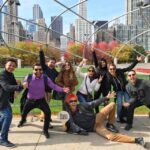
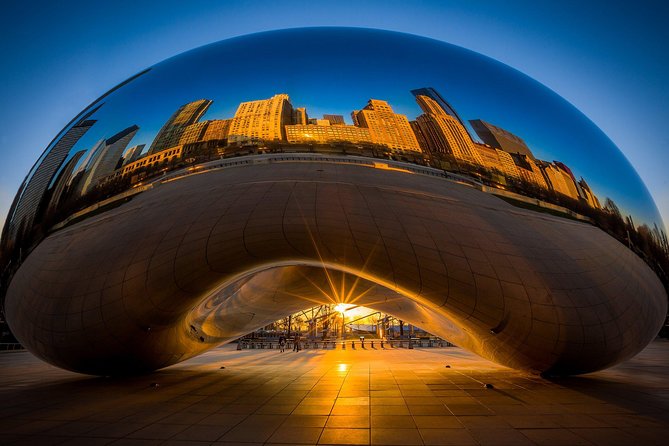
Then you’ll hit Millennium Park, home to Chicago’s most beloved public art. Expect to see Cloud Gate, Crown Fountain, and the Pritzker Pavilion. This is prime photo time because the art is designed for people, not just people-looking.
Two practical tips for this part:
- Wear comfortable shoes under your bike gear. You’ll be stopping often.
- Bring your camera mindset for art. Even if you’ve seen pictures before, seeing these pieces at scale changes the experience.
Chicago Theater marquee and Daley Bicentennial Plaza: skyline meets sculpture
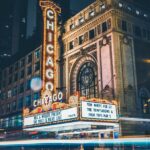
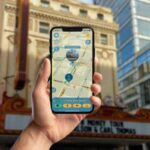
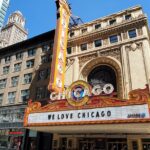
As the tour moves through the Loop edge, you’ll pause by the Chicago Theater marquee sign—the kind of iconic detail you’d miss unless you’re looking specifically for it.
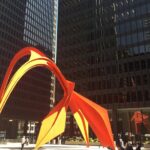
You’ll also spend time at Daley Bicentennial Plaza, where you can see the Picasso sculpture and the towering skyscrapers of the Loop nearby. This section helps balance the lakefront and park time with the dense vertical Chicago vibe.
If your group includes kids, this is usually where you’ll hear the most reactions. It’s bright, visual, and quick.
How long you’ll actually be riding (and why pace feels relaxed)
The tour runs about 3 hours total, but the experience is not just a straight ride. You’re getting short stops—often around 10 to 20 minutes—so you’re pacing yourself without realizing it.
The terrain is mostly described as easy and flat, with only a couple of small hills to negotiate. That’s why it works for novice cyclists. Many riders note they felt comfortable even with limited prior biking experience.
One consideration: because the group is moving as a unit, the pace can feel affected by riders of different comfort levels. If you prefer to pedal harder, you may find yourself waiting at a smooth group rhythm rather than racing ahead.
Also, you should expect some interactions with city driving patterns. In past rides, one person noted that cars can get frustrated when they need to share space with cyclists. Guides do their best to reduce risk by managing spacing and keeping the group visible.
$59 pricing: what you’re really buying
At $59 per person, you’re not just paying for a bike. You’re paying for:
- A guide who manages route flow and safety
- Helmets and bike equipment
- A curated mix of lakefront, museum-area stops, and downtown landmarks
If you were to rent bikes on your own and try to plan the route between Lake Michigan, Museum Campus, and the Loop, the time costs would add up fast. The guide helps you make sense of what you’re seeing, and the short stop format keeps you from spending half your day on lines and detours.
You should budget for food and drinks separately. Admission tickets for Shedd Aquarium and Adler Planetarium are not included, so decide in advance whether you want those full experiences or prefer to treat the stops as previews.
There’s also a suggested $10 guide gratuity, handled via cash, Venmo, or PayPal. If you care about tipping like locals do, it’s good to plan for it.
Who this tour is best for
This bike tour is built for people who want a lot of Chicago in a short time without getting worn out.
It’s a strong match for:
- First-timers who want quick orientation
- Families looking for an active, safe-feeling outing
- Novice cyclists who want mostly protected riding and a clear group pace
- People who want lakefront views plus major landmarks in one go
Family note: children must be strong, capable riders and able to bike for 9 miles. That’s a real requirement, not a stretch goal.
If your idea of fun is long-distance cycling with minimal stops, you might find the frequent pauses frustrating. But if you want the balance of scenic riding and landmark time, this is the sweet spot.
Rain or shine, and what that means for your day
This tour operates rain or shine. Chicago weather can turn fast, and guides plan for that. In at least one recent ride, ponchos were used to help everyone stay comfortable.
That said, extreme weather can force a change in plans. If the operator has to cancel because conditions are unsafe, you should expect options to switch tours or receive a refund.
So, if you’re booking on a day with uncertain weather, you’re not gambling as hard as you would with a strict outdoor-only plan. The experience is designed to keep moving.
Should you book this Chicago bike tour?
Yes, if you want a practical, scenic, guided intro to the city in about three hours, this is an easy decision. The route leans into the Lakefront Trail plus major downtown icons like Millennium Park and Buckingham Fountain, and you get that value without needing to coordinate bike logistics.
Skip it (or think twice) if you know you dislike riding in groups or you feel uneasy around city traffic patterns. You’re not doing a totally traffic-free ride end to end, even though the route is mostly comfortable.
If you’re traveling with kids or you’re a newer cyclist, this is still a good call—just be honest about the requirement for children to bike 9 miles and about whether you’ll be comfortable keeping the group pace.