REVIEW · CHICAGO
Chicago: History and Architecture Guided Kayak Tour
Book on GetYourGuide →Operated by Wateriders Kayak Tours & Rentals · Bookable on GetYourGuide
Chicago looks different from the water. On this Chicago River kayak tour, I like that you paddle right through the downtown “urban canyon” while a guide connects what you see to how the city grew, including the role of the river. I also love the practical payoff: you get skyline views and riverfront details that you simply cannot get from a sidewalk.
The only real drawback is that this is hands-on paddling time and it is not set up for everyone, including people who cannot swim or who need mobility support. The operator also lists approximate kayak weight limits, so it is worth checking you fit comfortably before you show up.
In This Review
- Key things I’d plan around
- Chicago River From a Kayak: Why Downtown Feels Special
- Two Hours on the Water: The Pace and Flow You’ll Feel
- Getting Set Up: Kayaks, Equipment, and What You Need to Know
- Learning Why the River Mattered to Chicago
- River Flows in Reverse: The Engineering Moment You’ll Remember
- Passing Under Articulated Ironwork Drawbridges
- Riverwalk Promenade Views and the Skyline From Below
- Shoreline Activity and Wildlife You Might Spot
- Price and Value: Is $64 for a Guided River Kayak Reasonable?
- Who Should Book This Chicago River Kayak Tour
- Should You Book It?
- FAQ
- How long is the Chicago: History and Architecture Guided Kayak Tour?
- What is included in the price?
- Is food included?
- Do I need to know how to swim?
- What is the group size?
- What language is the tour guide?
- What is the cancellation policy?
Key things I’d plan around
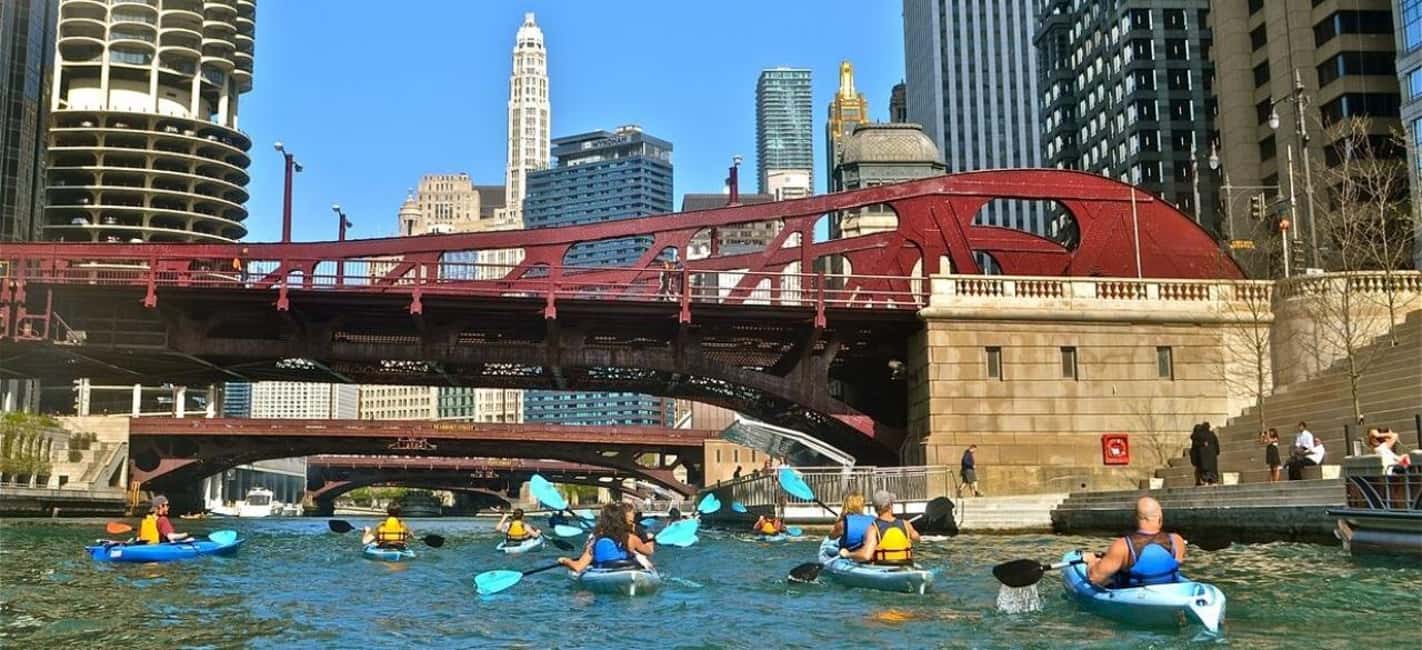
- Small group of 6 means you spend more time paddling and less time waiting in a crowd.
- Downtown skyline + river canyon feel gives you big-city views from a low, close perspective.
- Drawbridges with articulated ironwork are a standout moment you pass under during the route.
- The river flows in reverse gets explained in plain terms, so the engineering feels real, not trivia.
- Riverwalk promenade views help you understand why this stretch was upgraded and how people use it now.
- Wildlife spotting is part of the outing, especially along areas where nature has returned.
Chicago River From a Kayak: Why Downtown Feels Special
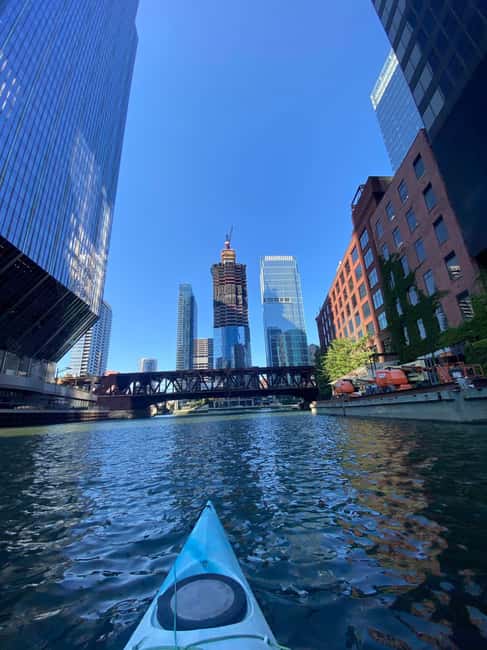
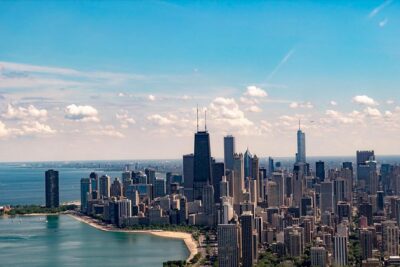
Downtown Chicago is all angles. In a car or on foot, the skyline dominates and the water becomes background. On the kayak, the river becomes the main character.
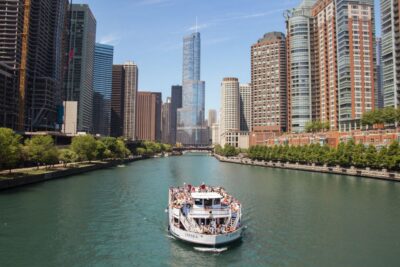
You paddle along the Chicago River through that tight downtown corridor, where tall buildings frame the view like a living photo border. The guide then gives you the missing context. Instead of just noticing bridges and architecture, you learn what the river did for the city in the first place, and why engineers fought so hard to shape this waterway.
You also get a quick mindset shift that I think is the secret sauce here. Looking down at the water makes the river’s behavior feel personal. The tour turns that behavior—current, structure, and movement—into story.
You can also read our reviews of more guided tours in Chicago


Two Hours on the Water: The Pace and Flow You’ll Feel
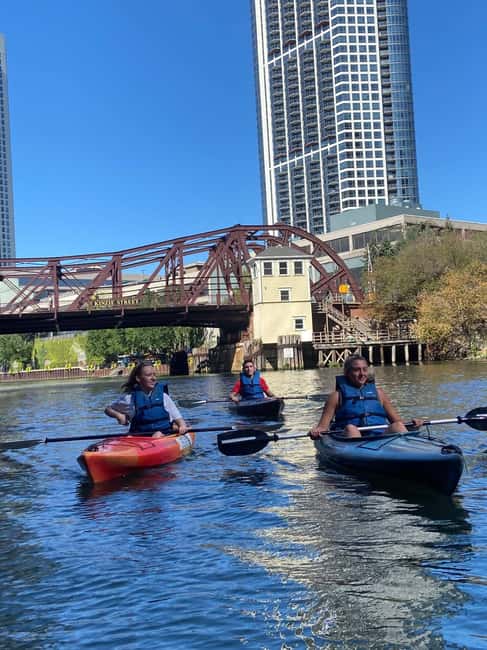
This tour runs about 2 hours, and that length matters. It is long enough to actually get into the rhythm of paddling and listening. It is short enough that you do not feel like you are signing up for half a day when your Chicago plans are packed.
With a small group limited to 6 participants, you tend to get quicker attention from the guide. That is helpful when you are new to kayaking or just want to get comfortable before you start paying attention to bridges and skyline.
You should expect a guided outing that blends technique and history. The equipment is included, so you are not juggling extra gear. The guide gives you what you need to paddle and what to watch for as you move through the downtown stretch.
Getting Set Up: Kayaks, Equipment, and What You Need to Know
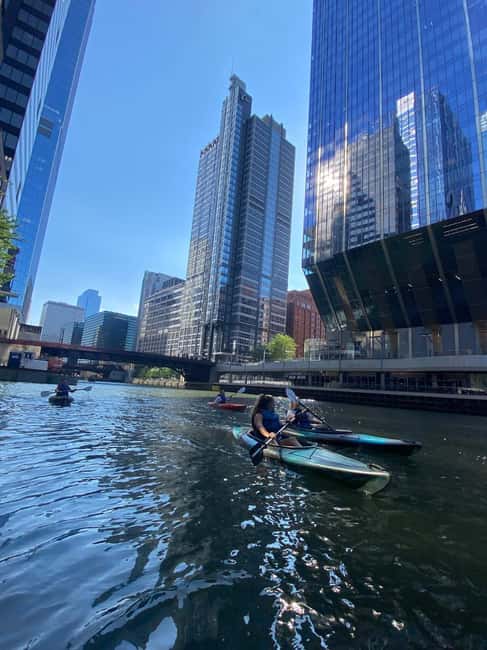
You will be using a kayak with equipment provided, along with a live, English-speaking guide. The listing makes the live-guide part clear, and in practice that is what turns this from a scenic rental into an experience with direction.
Before you go, take the operator’s weight notes seriously:
- Single kayak has an approximate limit of 275 lbs
- Double kayak has an approximate limit of 500 lbs
That matters because it affects which kayak you can use, and comfort tends to follow the fit. If you are on the edge, you may want to ask the provider what setup is best for your group so you do not end up stressed once you are already suited up.
One more heads-up: this is not suitable for non-swimmers. Even if you feel comfortable on boats, kayaking is different because you are hands-on in the water environment. The rule is there for a reason.
Learning Why the River Mattered to Chicago
A big part of the tour is the story of how Chicago developed alongside the river. You will hear about the major figures involved in the city’s growth, and how the river shaped trade, industry, and the physical layout of downtown.
What makes this worth your time is how the guide ties the facts to what you can actually see while paddling. You are not just getting a lecture while you stare at buildings. You watch the shoreline, notice the built environment along the water, and then get the explanation for why it looks the way it does.
The tour also points out how the riverwalk promenade connects modern life to that older river-centered reality. The upgraded riverwalk areas help you visualize where people spend time now—right where the city once relied on the water for movement and work.
River Flows in Reverse: The Engineering Moment You’ll Remember
One of the most memorable parts is the explanation of why the river flows in reverse. That is the kind of fact that sounds like a headline until someone breaks it down in context.
On the kayak, the concept clicks because you can feel that the water is not doing what you expect from a typical river downhill mental model. Whether you fully understand every engineering detail, you still come away with an important takeaway: Chicago’s river system was shaped on purpose, not just left to behave naturally.
This is also where the tour earns its architecture and engineering label. The guide highlights the infrastructure logic behind the movement you’re seeing, and that makes the downtown river feel engineered in a way that matches Chicago’s overall style—human decisions built into the city’s daily function.
You can also read our reviews of more historical tours in Chicago




Passing Under Articulated Ironwork Drawbridges
After you settle into the paddle rhythm, you get a key highlight: you pass under articulated ironwork bridges. The tour notes that these are part of the world’s second-largest operational drawbridge system, and that is a huge clue about how busy and functional this stretch is.
Passing under bridges while you are close to the water is a totally different experience than seeing the same structure from ground level. You feel the scale in three dimensions: the underside, the span, the way the river narrows and widens around the crossings.
It also gives you a new way to read downtown. Bridges stop being just scenery. They become part of the river’s ongoing life—how boats move through, how streets connect, and how engineering keeps two kinds of traffic working in the same space.
Riverwalk Promenade Views and the Skyline From Below
The route includes time alongside the recently renovated riverwalk promenade. That upgrade matters because it changes how you experience the river, not just how it looks.
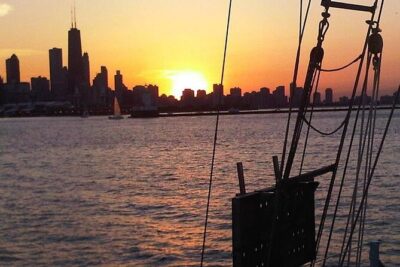
From the water, you get a view of the skyline that is lower and wider than typical photos. The buildings reflect off the water surface in a way that makes the city look more layered. You also see how the riverwalk lines up with the downtown activity around it, which helps you understand why this area is popular for getting outside.
If you enjoy urban planning and design, this part will feel especially satisfying. You are basically doing an instant comparison: older industrial-water logic meets newer public-space use. You see the river as both an infrastructure system and a public realm.
Shoreline Activity and Wildlife You Might Spot
This tour also includes time to look around for the shoreline scene and wildlife that has returned to this downtown section of the Chicago River.
You should think of wildlife spotting here as a bonus, not a guarantee. But it is a meaningful bonus because it reinforces that the river isn’t only concrete and steel. Even in a major downtown corridor, there are opportunities for living things to persist—especially where the shoreline and water conditions support it.
The guide’s job, in practice, is to point your eyes in the right direction so you are not just hoping for movement in the background. When you get those quick glimpses, it adds warmth to the otherwise engineering-heavy theme of the tour.
Price and Value: Is $64 for a Guided River Kayak Reasonable?
At $64 per person for 2 hours, this lands in the category of “worth it if you want the guide and the access.” The big value drivers are:
- A live guide (history, river engineering explanations, what to watch for)
- Kayak + equipment included
- Small group capped at 6 participants, which usually means more attention and less downtime
This is not a food-inclusive tour, so you will still need to plan a meal separately. Also, transportation to the starting point is not included, so you’ll want to factor in how you’ll get there on your own.
Still, the price makes sense for a guided, downtown-focused activity. You are paying for more than paddling time. You are paying for context: why the river behaves the way it does, why drawbridges are so important here, and how downtown uses the riverwalk now.
Who Should Book This Chicago River Kayak Tour
This experience fits best if you want:
- A downtown Chicago activity that feels different from museums and walking loops
- A mix of architecture-adjacent sightseeing and practical engineering storytelling
- A guided outing where you can ask questions and get pointed explanations
- A calmer, lower-to-the-water view of the skyline
It is not a fit if:
- You are a non-swimmer
- You need support for mobility impairments
- You do not fit the operator’s approximate kayak weight limits (single around 275 lbs, double around 500 lbs)
If you like active sightseeing but still want structure, this is a strong match. If you prefer standing back and taking photos only, you might feel like you spend too much time paddling. But if you enjoy getting hands-on, this tour’s format is the point.
Should You Book It?
I’d book this if you want a guided way to understand why downtown Chicago looks and functions the way it does, with the river as your classroom. The highlight package is compelling: downtown views, drawbridges, and a real explanation of reverse river flow, all paired with a manageable 2-hour time window.
Skip it if you need a purely passive experience, or if swimming comfort is an issue. Also, do a quick check on the kayak weight limits so you do not run into problems before you’re on the water.
If your goal is to leave Chicago feeling like you saw both the city and the mechanics behind it, this kayak tour is one of the better ways to do it.
FAQ
How long is the Chicago: History and Architecture Guided Kayak Tour?
It lasts about 2 hours.
What is included in the price?
The tour includes a live tour guide, the kayak, and the equipment.
Is food included?
No, food is not included.
Do I need to know how to swim?
Yes. The tour is not suitable for non-swimmers.
What is the group size?
It is a small group limited to 6 participants.
What language is the tour guide?
The tour is guided in English.
What is the cancellation policy?
Free cancellation is available up to 24 hours in advance for a full refund.