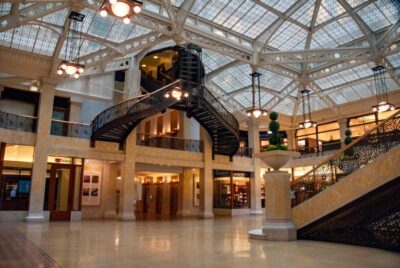
REVIEW · CHICAGO
Chicago: Evolution of the Skyscraper Walking Tour
Book on GetYourGuide →Operated by Chicago Architecture Center · Bookable on GetYourGuide
Chicago’s skyline feels like a storybook you can walk through. This 90-minute skyscraper walking tour takes you through the city’s major “how we got here” moments, in order. You’ll connect the Chicago River beginnings, the comeback after the Great Chicago Fire, and the push toward taller commercial buildings—all while standing close enough to really see design choices.
Two things I like a lot: first, the tour is built around a true timeline, not random highlights. Second, you get a certified guide from the Chicago Architecture Center, and the explanations land fast and clearly—like when Mitch turned downtown towers into a coherent, people-linked narrative. The tour also pairs well with a quick stop inside the Chicago Architecture Center exhibits, so you start walking with context instead of guesswork.
One consideration: it’s a rain-or-shine walking tour, and there’s no secure storage for luggage or strollers. If you’re carrying bags, you’ll want to plan ahead or travel light.
In This Review
- Key Things I’d Watch For on This Tour
- Chicago’s Skyline Timeline, Built for People Who Like Straight Answers
- Meeting at the Chicago Architecture Center (and Why the Exhibits Are Included)
- The 90-Minute Format: A Short Walk That Still Feels Like a Real Education
- The Chronological Walk: River Growth, the Great Fire, and the High-Rise Leap
- Building Stops That Act Like Milestones (Not Just Random Names)
- How Architecture Technology Evolved (And What You Should Watch For)
- Design Styles as Era-Based Choices (Not Just Aesthetics)
- Your Certified Guide: Training That Turns Buildings Into a Story
- Value Check: Is $35 for 90 Minutes Worth It?
- Weather, Pace, and What to Bring (So You’re Comfortable)
- Who This Tour Fits Best (and Who Might Want Another Option)
- Should You Book This Chicago Skyscraper Walking Tour?
Key Things I’d Watch For on This Tour
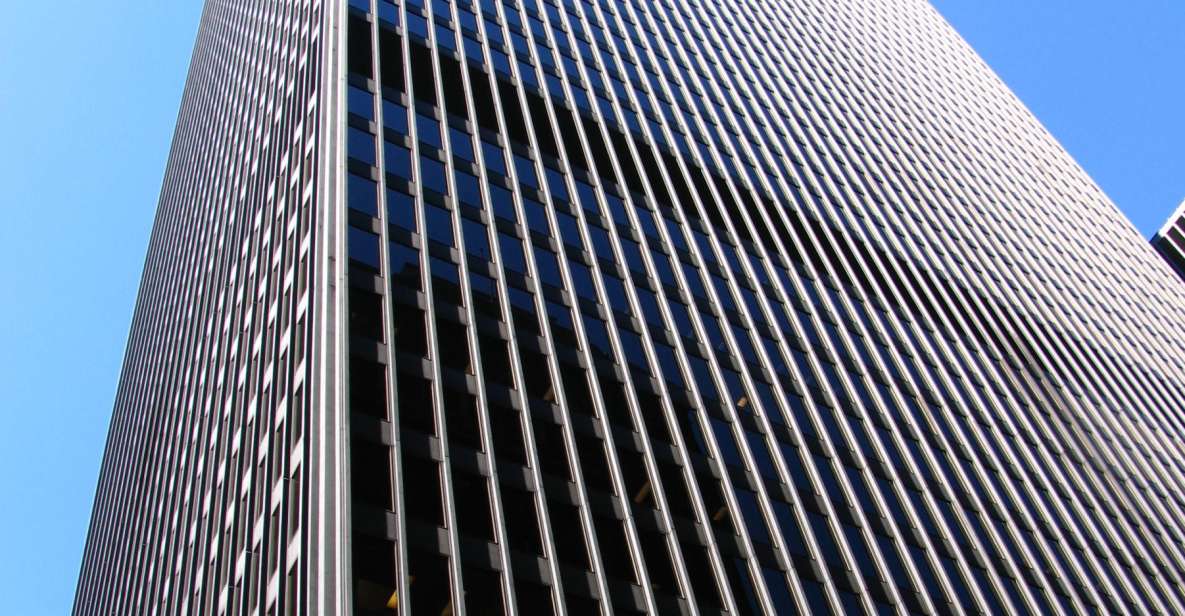
- Chronological skyscraper story that starts with the river and tracks Chicago forward after the Great Fire
- Certified Chicago Architecture Center guide trained by the city’s top architecture authority
- Up-close design details tied to the era’s engineering and popular styles
- A practical downtown route focused around the river and Michigan Avenue area
- Chicago Architecture Center exhibits included, including a miniature of the Chicago Loop
Chicago’s Skyline Timeline, Built for People Who Like Straight Answers
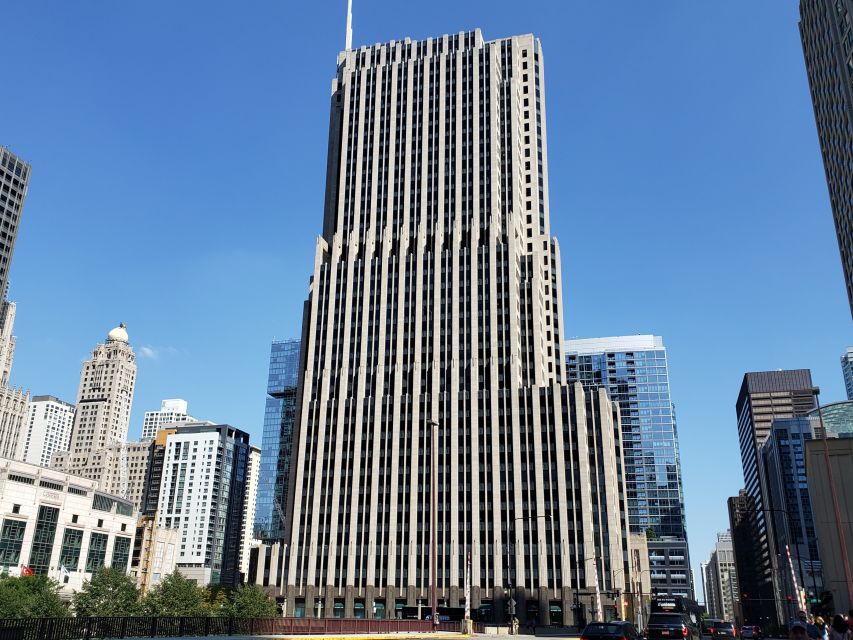
Chicago skyscrapers can feel like a blur from street level. This tour slows it down. You walk a manageable downtown chunk while your guide builds a clear line from early growth to modern ambition.
The big appeal is that you’re not just looking up—you’re learning why certain shapes, materials, and engineering choices appeared when they did. The story starts with the city’s growth along the Chicago River, moves into what changed after the Great Chicago Fire, and then follows the rise of Chicago into a commercial and cultural hub. That order matters because it makes the skyline feel logical, not random.
And yes, you’ll notice how the buildings reflect the fashions of their eras. Not just the “cool” parts—what architects were trying to solve, how they fit the moment, and how technology let them build higher.
You can also read our reviews of more walking tours in Chicago



Meeting at the Chicago Architecture Center (and Why the Exhibits Are Included)
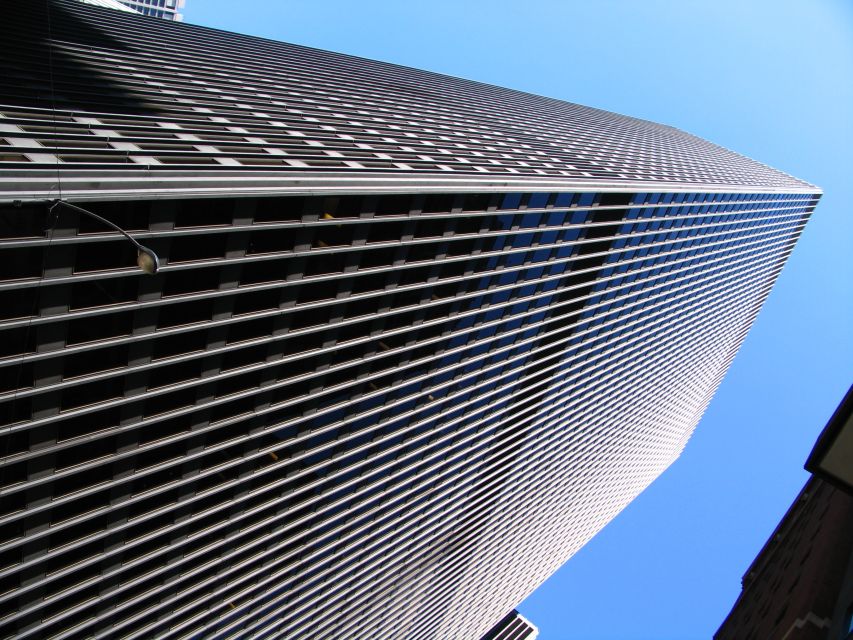
You meet inside the Chicago Architecture Center at 111 E. Wacker Drive, Chicago, IL 60601. That’s a real advantage because you’re starting in an architecture-focused space, not wandering into a tour cold.
The tour includes admission to the Chicago Architecture Center exhibits (listed as new). Even if you’re eager to get outside, I like arriving with a few minutes to orient yourself. One of the best things you can do early is look at the center’s miniature of the Chicago Loop—it helps you map what you’re about to walk through. There’s also a bookstore and gifts area, which can be a nice bonus if you want a souvenir that’s actually tied to what you saw.
This setup turns the walking tour into the “live version” of what you saw inside. You’ll still do most of the learning on your feet, but you’ll do it with better bearings.
The 90-Minute Format: A Short Walk That Still Feels Like a Real Education
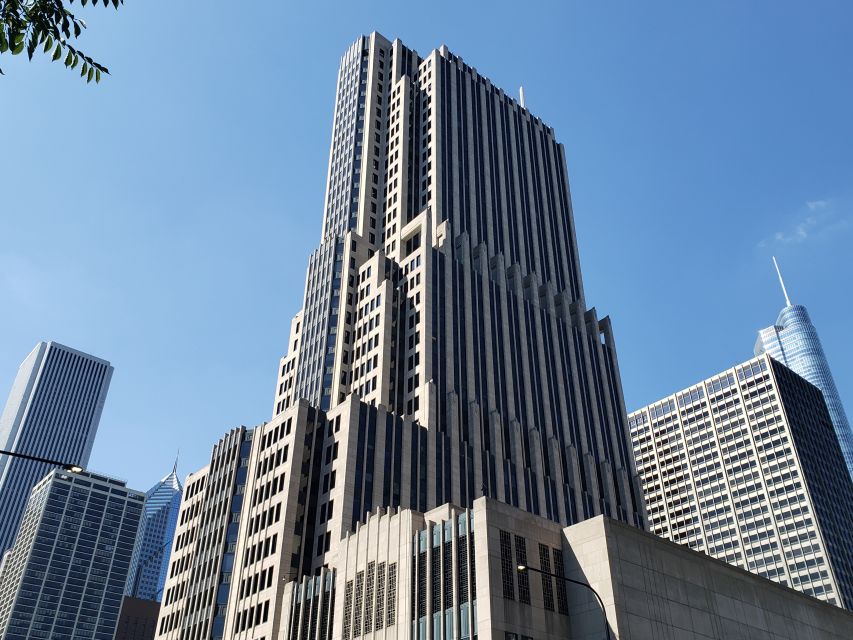
This is a 90-minute tour with a live English-speaking guide. In that time, you’ll cover enough ground to feel like you’re seeing more than one snapshot—without turning your day into an all-day logistics puzzle.
Reviews back up that the walk covers a focused downtown area around the river and Michigan Avenue rather than the whole city. One guest described it as modest and only a few blocks around the architecture center area. Another described it as an extended area around the river and Michigan Avenue. Either way, the format is designed so you can learn a lot without needing a marathon pace.
I recommend treating it like a “first Chicago architecture course,” not a deep research seminar. You’ll come away with the major story beats, plus enough building references—like the Page Brothers Building and NBC Tower—to keep your eyes open later.
The Chronological Walk: River Growth, the Great Fire, and the High-Rise Leap
You’ll experience Chicago architecture in chronological order, which is exactly how you should see it. When you understand what came first, later buildings stop feeling like disconnected icons and start feeling like logical steps.
The early chapter centers on Chicago’s growth along the river. That matters because Chicago’s rise wasn’t just about wealthy people and real estate hype—it was about how the city functioned and moved goods and people. Your guide ties that river-based beginning to the architecture you’re seeing around downtown.
Then you hit the city’s rebirth after the Great Chicago Fire. This part of the story helps you understand why rebuilding wasn’t only about replacing buildings—it was about changing standards and pushing new ideas. The skyline you see today is shaped by those choices.
Finally, you move into the rise of Chicago as a commercial and cultural hub. This is where skyscraper design really comes into focus: how architecture and engineering adapted to demand, and how city growth encouraged ambitious construction.
Building Stops That Act Like Milestones (Not Just Random Names)
Throughout the walk, you’ll see architecturally significant buildings discussed in the order they were built. You’ll hear how each one reflects its era’s style—and how technology shaped what was possible.
The specific buildings named during the tour include:
- Page Brothers Building
- Old Dearborn Bank
- Chicago Motor Club
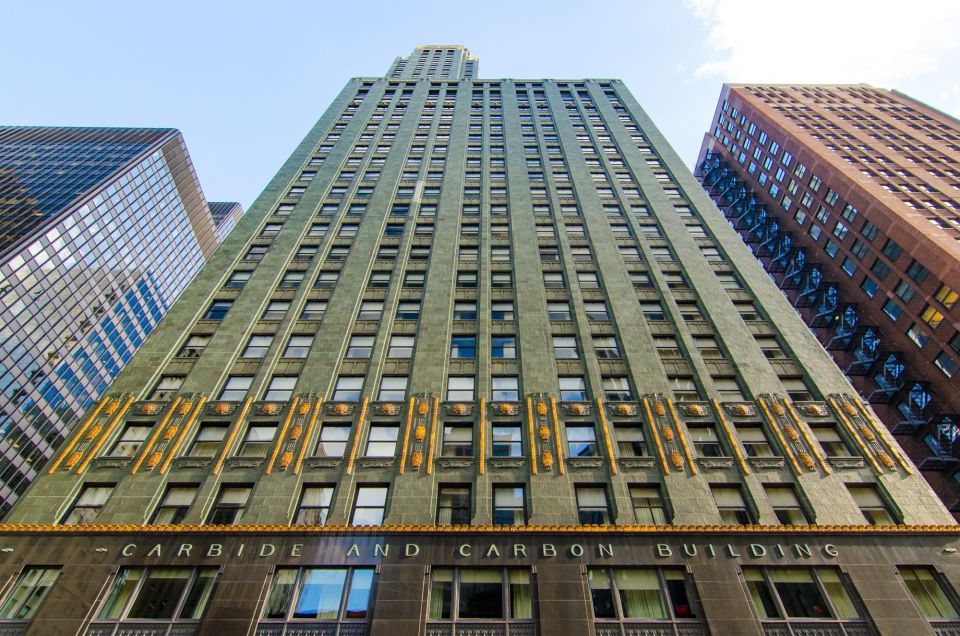
- Carbide and Carbon Building
- NBC Tower
- and more
Here’s why that matters. When you stand in front of these structures and hear the “when and why,” the names stop being trivia. You start reading the skyline the way a designer would: as a record of changing priorities.
For example, banks and offices often show how institutions wanted to look trustworthy and permanent, while later commercial landmarks can reflect a stronger push toward modern identity. Even without getting lost in technical jargon, your guide connects the building form to its purpose and its moment.
I’d also pay attention to how often your guide ties the visual style back to engineering and construction constraints. That helps you notice details you’d otherwise miss, like how design choices communicate an era’s confidence and ambition.





How Architecture Technology Evolved (And What You Should Watch For)
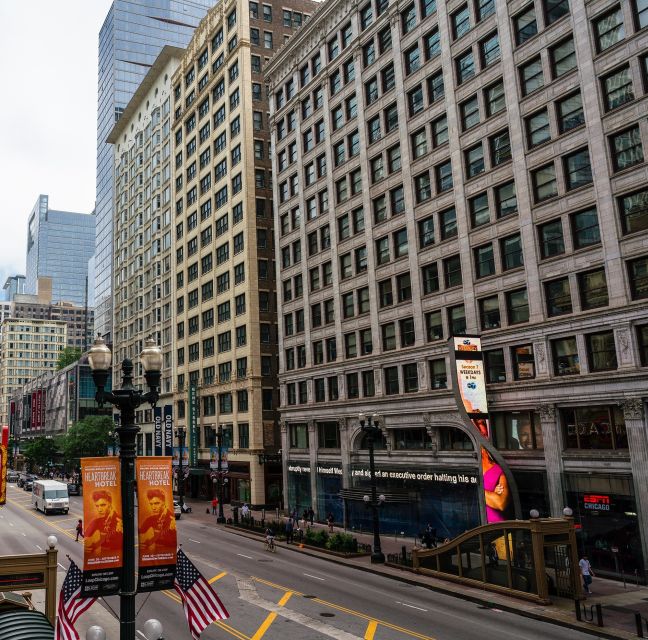
One of the best promises of this tour is a clear look at how architectural technology evolved over time. That’s not abstract talk—it shows up in what buildings could do and how fast they could rise.
You’ll hear about architects using cutting-edge engineering to build taller than ever before. As that story unfolds, the skyline starts to make sense as a technology timeline as much as an art timeline.
On the street, I’d watch for two things as you move along:
- How building heights and massing change as new engineering possibilities show up
- How facade and style choices shift as “what looks modern” evolves
If you like to connect the dots, this tour gives you the dots. It’s especially good for first-timers because it makes the logic readable: technology enables scale, scale changes the skyline, and the skyline changes what developers and institutions want next.
Design Styles as Era-Based Choices (Not Just Aesthetics)
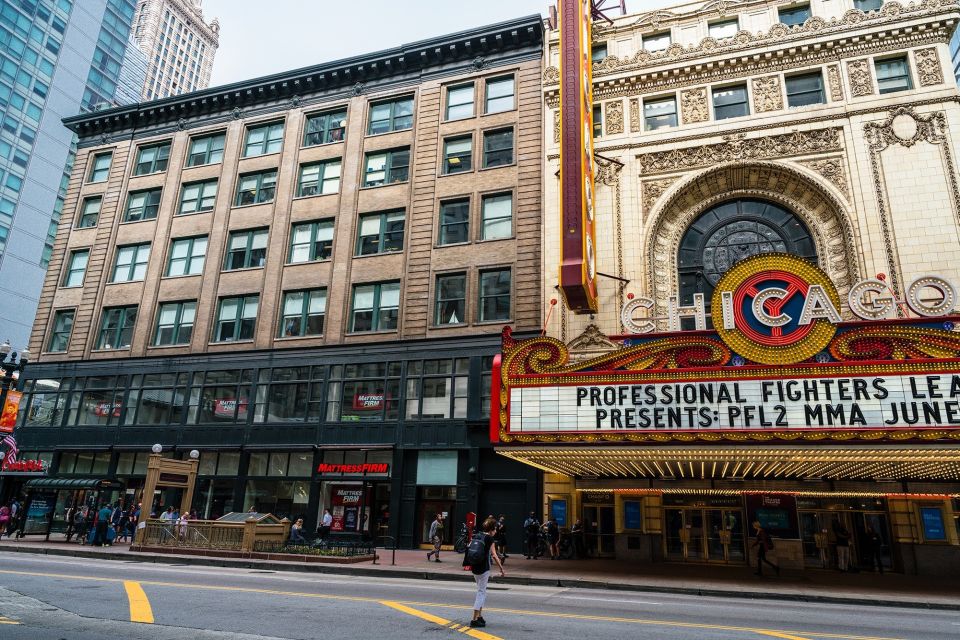
You’re also learning how architects adapted building styles to match the fashions of their time. That’s a smart approach because it keeps design from feeling like random decoration.
You’ll see that even when a building is technically impressive, it still has to speak the language of its era—through shape, proportion, and overall visual mood. Your guide helps you understand these choices as cultural signals as well as design decisions.
This is where the tour becomes fun even if you’re not an architecture nut. You’ll start noticing how Chicago’s skyline reflects changing tastes across decades—like looking at fashion photography, but with steel and stone.
Your Certified Guide: Training That Turns Buildings Into a Story
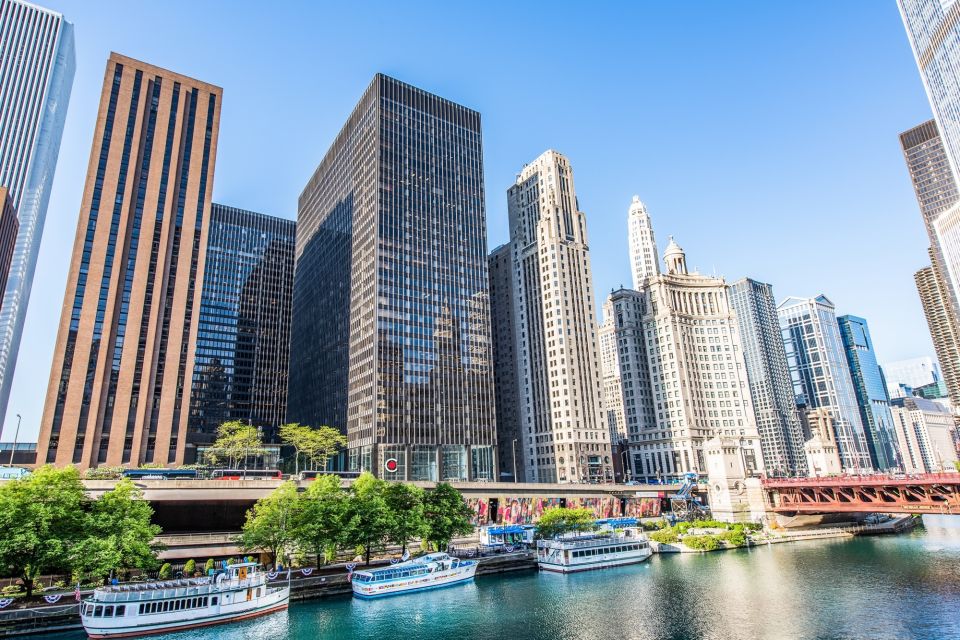
The tour is led by a certified guide from the Chicago Architecture Center, which is important. This isn’t a random walking buddy handing out blurbs. The guide is trained by the Chicago Architecture Center, described as the city’s leading authority on architecture.
One review mentioned Mitch specifically, praising how he presented detailed, interesting history while strolling around the river and Michigan Avenue. That’s the kind of guide impact I’d expect here: you should feel the story moving forward as you walk, not getting stuck on one building detail.
You’ll also likely have time for questions during the walk. One guest noted they enjoyed being able to ask questions, which is a great sign. If you’re the type who wants to know why a building looks the way it does or how it fits the skyline, you’ll get more out of the experience.
Value Check: Is $35 for 90 Minutes Worth It?
The price is listed at $35 per group up to 1, for a 90-minute guided walk. Even if the exact per-person structure is a bit hard to interpret from the label, the core value is clear: you’re paying for a certified architecture guide plus included admission to the Chicago Architecture Center exhibits.
For me, the biggest value isn’t just the walking. It’s the combination of:
- a guided, chronological narrative that connects buildings to the city’s growth
- an architectural learning start inside the center (with the Loop miniature)
- certified expertise tied to the Chicago Architecture Center
Add in that your ticket supports Chicago Architecture Center education initiatives and community programs—like Girls Build!, Teen Fellows, the Newhouse Architecture + Design Competition, and helping keep Open House Chicago free—and the experience feels like more than sightseeing.
If you only have a short window in Chicago and you want to understand the skyline quickly, this is a strong use of time.
Weather, Pace, and What to Bring (So You’re Comfortable)
It’s a walking tour, so dress for the day. The tour goes rain or shine, and it notes there are no refunds due to weather. That’s common, but it’s worth planning for so you don’t end up miserable the whole time.
What to bring:
- a face mask or protective covering (listed as required to bring)
Not allowed:
- pets (service animals are welcome)
- luggage or large bags
Know before you go:
- there’s no secure storage for luggage or strollers
I’d treat this as a “light bag” outing. Keep what you need, wear comfortable shoes, and you’ll be fine.
Who This Tour Fits Best (and Who Might Want Another Option)
This tour fits best if you like:
- architecture history that stays readable and chronological
- skyline viewing with real context
- short, guided walks that don’t swallow half your day
You’ll also enjoy it if you’ve been on river cruises and want to add the land-side architecture story. Since you’re seeing the buildings in order and hearing how the city evolved, it pairs naturally with other Chicago experiences.
You might choose something else if you want a very deep technical explanation of materials and engineering. The tour’s focus is on an overview that makes the evolution understandable, not on building a textbook-level study.
Should You Book This Chicago Skyscraper Walking Tour?
Book it if you want an efficient way to understand how Chicago became the skyline capital we know today. I’d especially recommend it for first-time visitors who want the city’s architectural story in a clean timeline, plus the extra context from the Chicago Architecture Center exhibits.
Pass if you can’t do a steady walk or you need luggage/stroller storage. Also, if you hate being outside in weather, remember it runs rain or shine and there’s no weather refund.
If you’re in the mood to look up at Chicago and finally know what you’re seeing, this tour is one of the most practical choices you can make.