REVIEW · CHICAGO
Black Heritage Tour
Book on GetYourGuide →Operated by Chicago Personal Neighborhood Tour · Bookable on GetYourGuide
The next block can change your whole view. This Black Heritage Tour follows the Great Migration into Chicago and pairs real street-level stops with stories you won’t find in a textbook. I loved the way the guide Steve stays flexible and answers questions, and I also loved the photo-friendly route through Bronzeville. One thing to consider: it’s not a kid tour, since it isn’t suitable for children under 18.
You’ll ride a big bus, but most departures stay small, so it feels more personal than you’d expect for a 4-hour loop. You’ll see the train-station legacy of the Great Migration, famous Black homes along the way, and a gospel stop at Pilgrim Baptist Church tied to the roots of modern gospel music. You’re also getting first-person context, including Operation PUSH connections and on-the-ground stories passed down by the guide.
If you want a quick drive-by of famous names only, this isn’t that. It’s built for people who care about why neighborhoods formed, how culture moved with the trains, and what the streets can teach when someone explains them clearly.
In This Review
- Key points before you go
- Why this Chicago route hits differently
- The small-group feel on a big bus
- Pickup in downtown Chicago and how the tour flows
- Following the Great Migration into Bronzeville
- Pilgrim Baptist Church and the origins of modern gospel
- Celebrity homes, but with a purpose
- The DuSable connection: seeing the father of Chicago
- Operation PUSH and Jessie Jackson: why the stories feel personal
- How the custom deviation option works in practice
- Photo moments without the chaos
- Price and value for a 4-hour guided experience
- Who this tour fits best
- Quick tips to get the most out of your ride
- Should you book the Black Heritage Tour?
- FAQ
- How long is the Black Heritage Tour?
- What is the meeting point for the tour?
- Is pickup available outside downtown Chicago?
- What’s included on the tour?
- Are there any limits on who can join?
- Can the route be customized?
- What’s the group size like?
- What are the cancellation terms?
Key points before you go
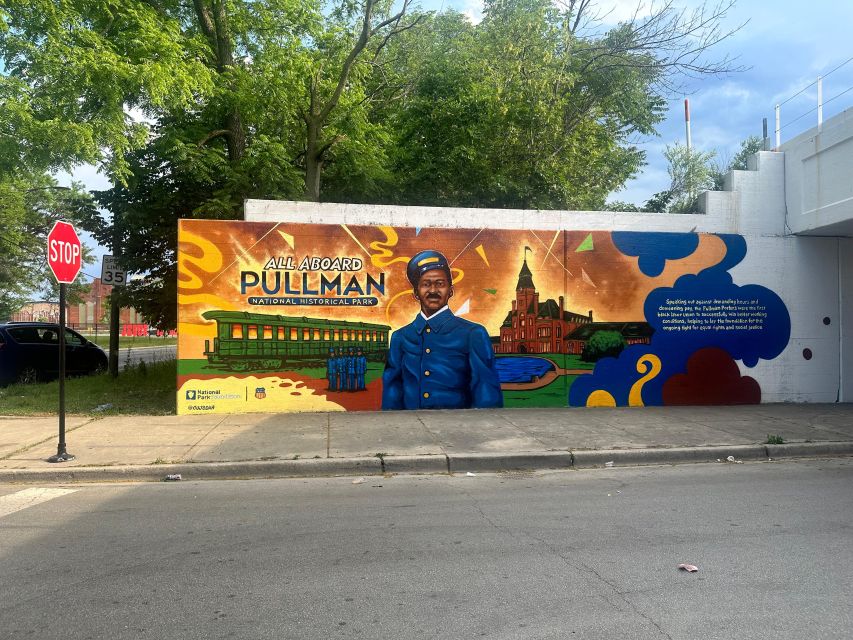
- Great Migration route, not random sightseeing: you follow the same rail-driven path into Chicago’s largest Black neighborhood.
- Small-group feel on a bus: most seats are for 11 or fewer people, even though it’s technically a bigger vehicle.
- Photo stops with real context: multiple opportunities to take pictures, with guidance as you go.
- Pilgrim Baptist Church and gospel music origins: you’ll talk about Thomas, Dorsey, Mahalia Jackson, and more while you’re there.
- First-hand guide stories: Steve shares connection-level detail from Operation PUSH and meetings with Jessie Jackson.
Why this Chicago route hits differently
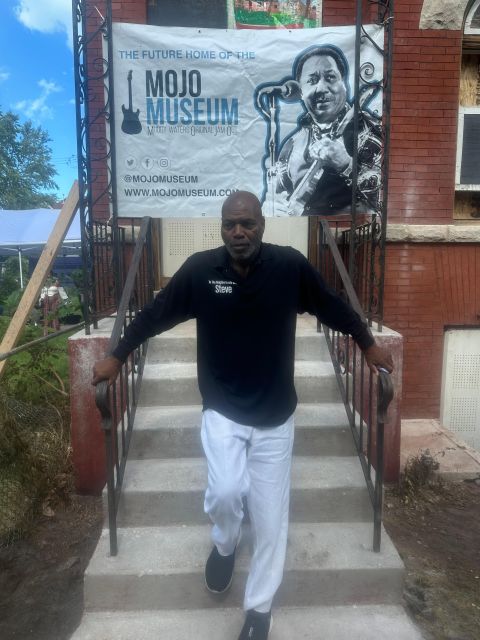
Chicago isn’t just a skyline and deep-dish. This tour is about movement—how thousands of Black families traveled from the South to the North, then landed in Chicago and helped build new communities almost overnight. You’re not only looking at buildings. You’re tracing a route that shaped jobs, music, politics, faith, and everyday life.
What makes it work is the combination of street stops plus analysis. The guide doesn’t treat the city like a postcard. He frames what you’re seeing—why a neighborhood grew here, why certain institutions mattered, and how culture traveled with people. That’s the difference between checking boxes and actually understanding the geography.
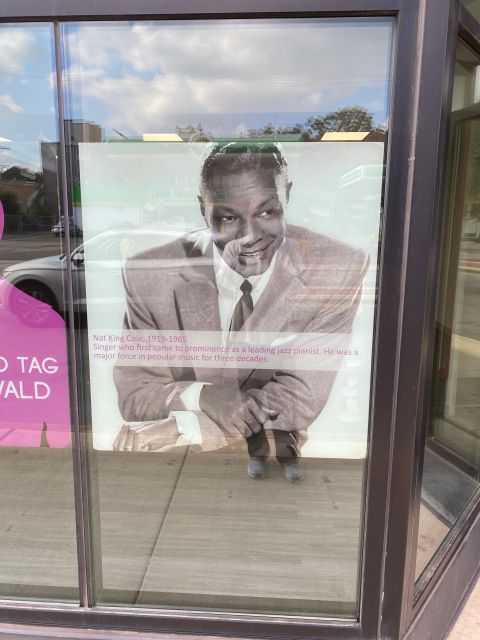
I also like the balance of celebrity and community. Yes, you’ll pass homes associated with major names, including Nat King Cole, Louis Armstrong, Muddy Waters, Jennifer Hudson, and Barack Obama. But those references aren’t just name-dropping. They’re used to point you back toward the bigger story: where Black Americans lived, gathered, worshiped, and built families during and after the Great Migration.
You can also read our reviews of more walking tours in Chicago

The small-group feel on a big bus
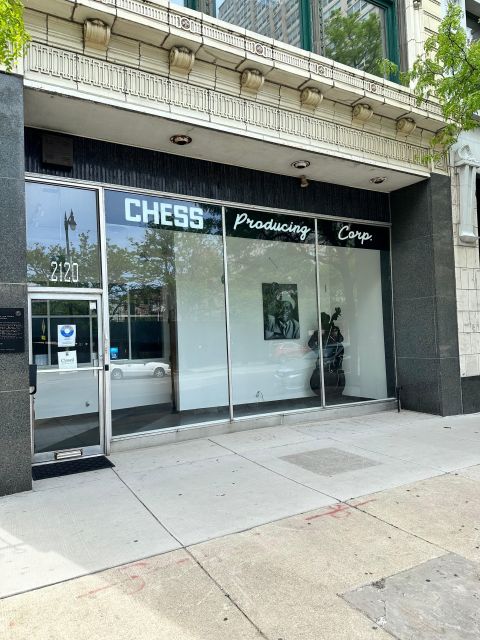
The format is a bus tour, so you get the easy logistics of staying seated and covering more ground in 4 hours. But the tour is designed to feel smaller than the vehicle sounds. Most departures seat 11 people or less, and that matters more than you’d think.
With a smaller group, you get better back-and-forth time. You’re more likely to ask questions and get direct answers instead of letting your question die under the hum of the engine. Based on what I learned from the tour’s track record, Steve is attentive to questions and keeps things flexible. That’s a big deal on tours where the schedule usually wins.
Practical tip: if you like photography, a smaller group helps. You can step out for photos more smoothly, and the guide can point out exactly what to frame before you take the shot.
Pickup in downtown Chicago and how the tour flows
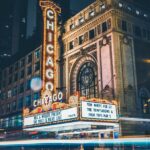
You start in Chicago’s downtown area, with pickup in front of the Chicago Theater at 175 N State. Downtown hotel pickup is included. If you’re coming from nearby suburbs, pickup uses the standard ride-share fare for that area.
The tour is anchored around the 60611 area—your pickup point and where you return. That keeps the day simple. You’re not stretched across the city for a whole afternoon. Instead, you follow a route shaped by migration patterns and community geography, then you loop back.
Once you’re onboard, the flow is straightforward:
- you move along the migration-linked route into Chicago’s older Black neighborhood core,
- you stop for context around key cultural places,
- and you pass famous homes while tying them back to community development.
Because it’s a guided bus experience, you’re protected from the most common city-tour problem: spending your time navigating instead of learning. This gives you time to listen, watch, and ask.
Following the Great Migration into Bronzeville
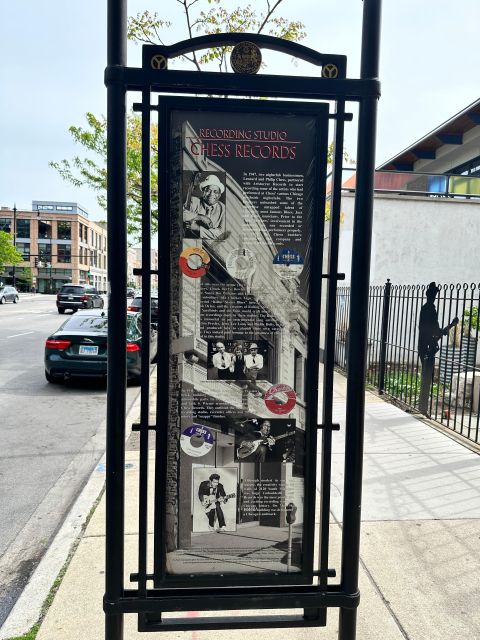
This is the heart of the tour. You’ll follow the path of the Great Migration into Chicago, including the train stations where huge numbers of travelers would have arrived as they sought the largest Black neighborhood in America. That detail matters. The migration wasn’t just a general idea—it was booked, boarded, arrived, and then immediately shaped daily life.
You’ll head into Bronzeville, described as the early and mid-1900s biggest, most populated Black area in America. Even if you’ve heard of Bronzeville before, what you’ll appreciate on this tour is the way it explains how the neighborhood fit into the bigger northward push. You’re getting a route-based story, not a museum recap.
If you like “show me the place” history, this part will work well. You’re driving down streets that the guide connects to where his ancestors traveled to reach Black neighborhoods in Chicago. That kind of specificity—street-level, family-level—often makes the historical context feel less abstract.
Pilgrim Baptist Church and the origins of modern gospel
Chicago is known for modern gospel music, and this tour gives you a direct cultural anchor at Pilgrim Baptist Church. You’ll talk about key figures tied to the development of gospel, including Thomas, Dorsey, and Mahalia Jackson, while you’re taking in the setting.
Here’s why I think this is valuable: gospel music is more than entertainment. It’s communication—faith expressed through sound, and sound shaped by community experience. When you connect the church stop to the people who influenced modern gospel, the music becomes part of the migration story rather than a separate topic.
Also, a church stop changes the pace in a good way. You’ll have a moment where you’re not just looking out a bus window at residences. You’re in a place that reflects how faith and culture held communities together.
Practical note: check your comfort level. Even though it’s a tour, you’re visiting a religious setting. Dress and behavior should reflect that.
You can also read our reviews of more historical tours in Chicago



Celebrity homes, but with a purpose
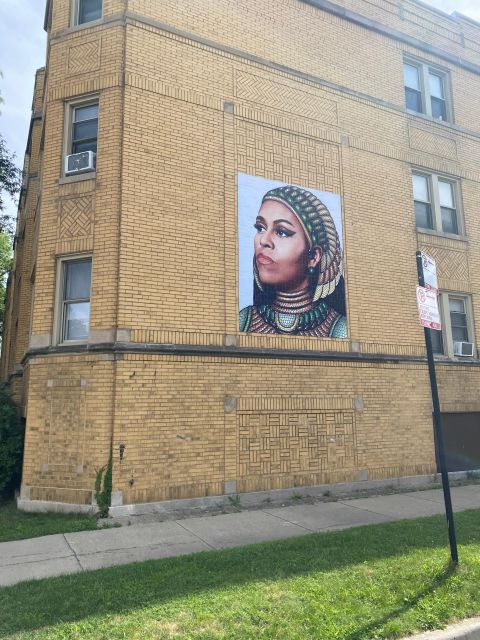
A big draw here is seeing homes of Black celebrities who lived in Chicago. The tour passes properties associated with Nat King Cole, Louis Armstrong, Muddy Waters, Jennifer Hudson, and Barack Obama. It also includes the home of Elijah Muhammad, founder of the Nation of Islam.
This could easily become a list of famous names. On this tour, it stays grounded because each reference is used to reinforce community context. Celebrity homes are treated as proof of the area’s influence and visibility, not as the end goal.
And there’s extra depth from the guide’s lived perspective. He shares first-hand stories and connects what you’re seeing to leadership networks and community institutions—so the neighborhoods feel like systems, not scenes.
If you’re a fan of Chicago culture, you’ll probably enjoy the mix of art and politics: jazz legends alongside religious leadership, contemporary celebrity alongside Great Migration-level family stories.
The DuSable connection: seeing the father of Chicago
You’ll also see a bus connected with Jean Baptiste DuSable, widely called the father of Chicago. That might sound like a simple roadside photo moment, but it does add a useful frame for the tour.
Why? DuSable’s story connects early Chicago development to the larger movement of people and communities. The tour uses that link to show that Chicago growth has always depended on migration and settlement waves. You’re not only riding through neighborhoods that formed later—you’re seeing how the city’s identity keeps being rewritten by who arrives and builds.
It’s also a nice photo moment, and the guide helps you grab the right angles rather than just pointing generally and moving on.
Operation PUSH and Jessie Jackson: why the stories feel personal
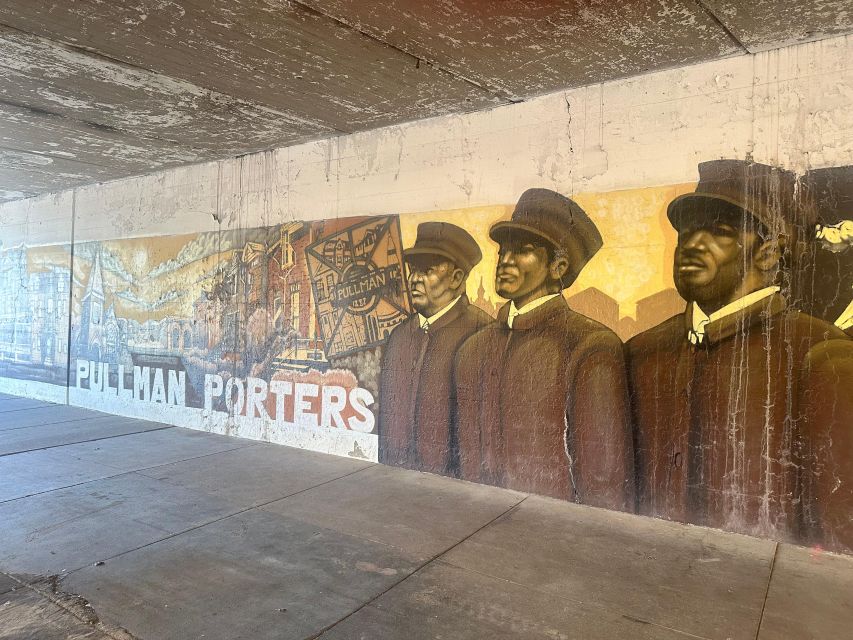
Here’s one of the reasons people rate this tour highly: you’re not just hearing facts. You’re hearing first-hand perspective.
The guide Steve lived this tour—he was part of Operation PUSH, had meetings with Jessie Jackson, and lived across the street from leaders in the Black Muslim movement. That lived proximity is the kind of detail that can turn an ordinary tour into something you remember on the walk back to your hotel.
It shows up most clearly in the personal stories shared during the ride. For example, you’ll hear a true story tied to Barack Obama giving his mother’s car a jump start, connected to his family stepping off the train into Chicago as part of the Great Migration.
That type of story does two things:
- it humanizes large historical movements,
- it explains how ordinary moments connect to larger change.
And because Steve answers questions and stays flexible, you’re less likely to feel like you’re trapped in one lecture style.
How the custom deviation option works in practice
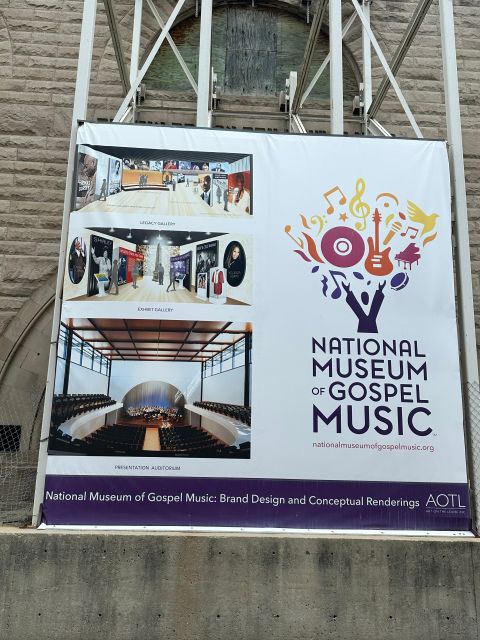
The tour includes an optional custom deviation. That’s handy if you want to adjust the route a bit based on interests—extra time for photos, or adding emphasis on something you care about more.
One consideration: for 12 or more travelers, you need 7 days notice. If you’re planning a group trip and hoping to tailor the route, plan ahead. Smaller groups are more likely to adapt naturally during the tour itself, but large groups require coordination.
Also, because the tour is built around migration geography and set cultural stops, don’t expect it to turn into a totally different day. Think of deviation as fine-tuning, not rewriting the whole itinerary.
Photo moments without the chaos
This tour is designed with multiple photo opportunities, and the guide actively engages you while you take pictures. That matters because too many bus tours treat photos as a last-minute scramble: stop, quick snap, back on board.
Here, you’ll get guidance on what’s worth photographing and when. That helps you get better shots and feel less rushed. If you’re planning to document your day, charge your phone and bring a camera strap or something to keep your hands free during quick transitions.
A smaller-group layout helps too. With about 11 or fewer people most of the time, you’re not fighting for angles or trying to squeeze past strangers to take a picture.
Price and value for a 4-hour guided experience
The price is $125 per person for about 4 hours, depending on availability for start times. Is it expensive? In Chicago tour terms, it’s not bargain-basement. But it’s also not a rushed “see what you can in 90 minutes” experience.
You’re paying for:
- guided interpretation tied to the Great Migration route,
- cultural stops like Pilgrim Baptist Church,
- passes by multiple notable Black residences,
- and first-hand context from Steve, including Operation PUSH and Jessie Jackson meeting connections.
The value also comes from the group size. A tour that typically holds 11 or fewer people can feel closer to a private experience than a standard big-bus ride. That’s part of why you can ask questions and actually get answers.
If you care about Chicago’s Black neighborhoods as more than landmarks—if you want street-level context and stories tied to real movement—this price makes more sense.
Who this tour fits best
This tour is a great match if you:
- want a migration-focused view of Chicago, not a general city highlights loop,
- care about how gospel music developed and why churches mattered,
- enjoy guided history that includes names and places tied to real stories,
- like small-group energy and photo-friendly stops.
It may not be the best fit if you’re looking for a purely casual hop-on/hop-off style day. The tour is designed to explain, analyze, and connect. You’ll get more out of it if you’re ready to listen and ask questions.
And it’s not suitable for children under 18, so plan for an adult-only outing or a different activity if your group includes younger kids.
Quick tips to get the most out of your ride
Bring comfortable shoes for quick stops and walking near pickup areas. Dress appropriately for a church visit. If you’re interested in the specific figures mentioned—Thomas, Dorsey, Mahalia Jackson, Elijah Muhammad, DuSable—consider having a quick read in advance so names feel familiar when Steve ties them into the route.
Finally, come with at least a couple of questions. This guide structure is built for interaction. If you ask what something means in the neighborhood context, you’ll get better answers than if you just sit and watch.
Should you book the Black Heritage Tour?
I’d book it if you want more than a generic Chicago tour. This one follows the Great Migration into Bronzeville, includes a gospel stop at Pilgrim Baptist Church, and frames celebrity homes within the community story. The standout difference is Steve’s first-hand perspective—Operation PUSH connections, meetings with Jessie Jackson, and stories tied to real moments like Barack Obama’s jump-start anecdote.
Book it if you like small-group energy, guided photo opportunities, and a route that explains why Chicago looks the way it does. Skip it if you only want quick visuals and you don’t care about the context behind the streets.
If you’re planning a visit to Chicago and want to understand the city through the movement that shaped it, this is a smart use of a half-day.
FAQ
How long is the Black Heritage Tour?
The tour runs for 4 hours.
What is the meeting point for the tour?
Pickup is included in front of the Chicago Theater at 175 N State, with pickup tied to the 60611 area.
Is pickup available outside downtown Chicago?
Downtown Chicago hotel pickup is free. Pickup from surrounding suburbs uses the standard ride-share fare.
What’s included on the tour?
You’ll follow the Great Migration path into Chicago, with stops that include Bronzeville and a visit to Pilgrim Baptist Church, plus stories and explanations about the route and key figures.
Are there any limits on who can join?
Children under 18 years are not suitable for this tour.
Can the route be customized?
Custom deviation is optional. If you have a group of 12 or more travelers, you need 7 days notice.
What’s the group size like?
It’s a bus tour, but 90% of tours seat 11 people or less.
What are the cancellation terms?
You can cancel up to 24 hours in advance for a full refund.