REVIEW · CHICAGO
Explore Black History on the Southside of Chicago
Book on Viator →Operated by Gillian · Bookable on Viator
A short walk can change how you see Chicago. This Bronzeville-to-beyond route with Gillian, a 5th generation South Sider, helps you learn Black history street by street, with photo stops and conversations at real landmarks like DuSable Museum of African American History and Muhammad Ali’s former home. I love that it mixes big names with everyday places, and I love the feel of the neighborhoods as you walk, especially around Kenwood. One thing to plan around: the tour stays outdoors and does not go inside the DuSable Museum, so weather and walking comfort matter.
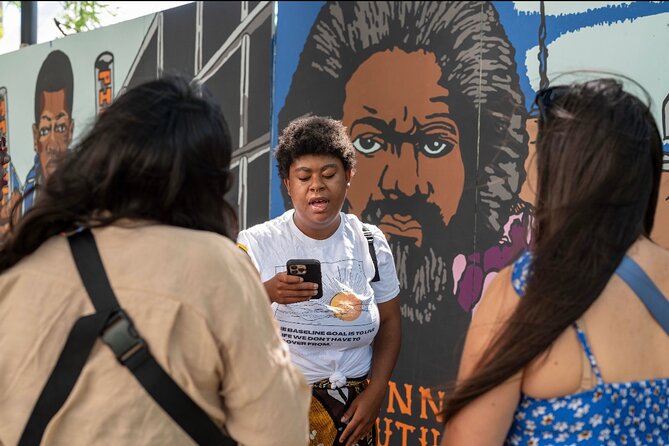
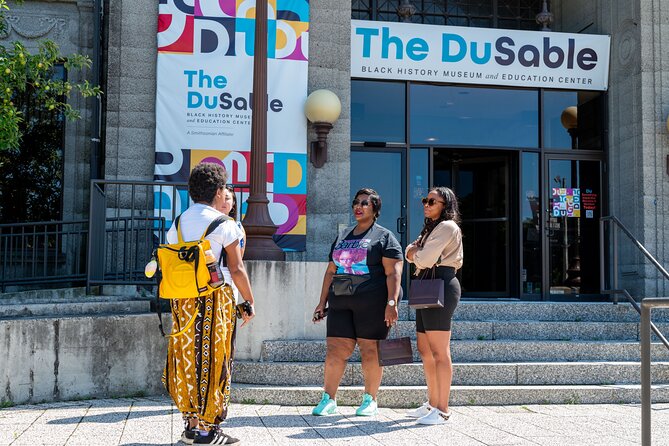
You’ll start in front of the DuSable Black History Museum and Education Center at 740 E 56th Pl, Chicago, then follow a 2 to 3 hour walking route (about 2.5 hours) through multiple stops. The tour uses a mobile ticket, keeps groups to a maximum of 50, and includes drinks along the way. Bring your camera or phone, come with questions, and expect a guided walk where you’ll learn more from what you notice than from what you miss inside.
In This Review
- Key things I’d circle before you go
- How a $5 ticket turns into a real value day
- DuSable Museum at the curb: what you should see before walking starts
- Washington Park: the statues and sculptures that anchor the area
- Kenwood and Casa de Barack Obama: more than a famous address
- 930 E 50th St: Operation PUSH and Dr. King’s workshop legacy
- Muhammad Ali at 4944 S Woodlawn Ave: a home tied to conviction
- The Blackstone Branch library: finishing with architecture and public access
- What walking, timing, and group size feel like
- Why this tour feels more personal than a list of stops
- Who should book this Black History South Side walk
- Quick checklist: what to bring
- Should you book this tour?
- FAQ
- How long is the tour?
- How much does it cost?
- Where does the tour start?
- Does the tour include entry into the DuSable Museum?
- What major stops are included?
- Is there a mobile ticket?
- Is the tour good for people with moderate physical fitness?
- What happens if the weather is poor?
Key things I’d circle before you go
- Start at DuSable Museum exterior so you can set context before the walking lessons begin
- Kenwood photo stop at Casa de Barack Obama with architecture you can actually study up close
- Muhammad Ali’s former home tied to his decision to refuse military service on religious grounds
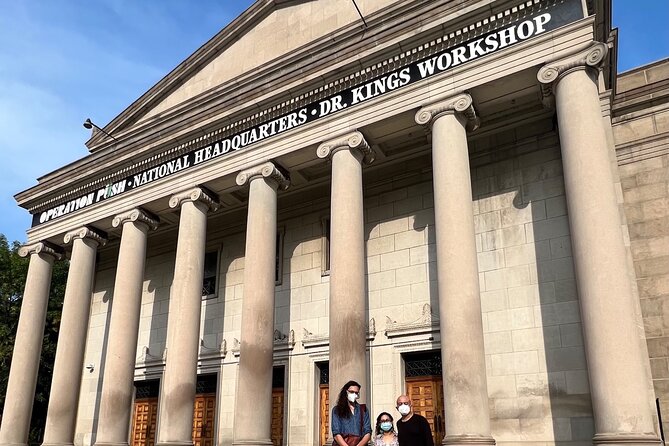
- Operation PUSH at 930 E 50th St and Dr. King’s workshop legacy via Rev. Jesse Jackson
- Blackstone Branch Chicago Public Library as a strong finishing point with Greco-Roman style
- Drinks included, plus time to ask questions and take photos as you walk
How a $5 ticket turns into a real value day
At $5 per person, this tour is priced like a casual add-on. But you’re getting a lot for that amount: a guided walking experience focused on Black history, a route with multiple major stops, and a duration that’s long enough to matter (about 2.5 hours). Also, many stops on the route are free from an admission standpoint, which keeps your overall cost low.
This is the kind of value you feel in your planning. Instead of paying museum ticket prices on top of the tour, you’re using your money to buy time with a guide who can connect the places you’re seeing. When you’re exploring Chicago, that’s often where the biggest payoff lives.
You can also read our reviews of more historical tours in Chicago


DuSable Museum at the curb: what you should see before walking starts
The tour begins in front of the DuSable Museum of African American History at 740 E 56th Pl. The museum is named after Jean Baptiste Point du Sable, described here as the first non-native person to settle in Chicago. That naming detail matters, because it frames the whole South Side story as more than a set of famous dates.
Even though the walking tour does not include entry into the museum, I strongly suggest arriving early to look around. A good strategy is to give yourself a quick window to get your bearings at the museum first, so the street-level stops later feel like chapters instead of random locations. If you only show up at the walking start time, you’ll still enjoy the tour, but you’ll miss an easy way to deepen the context.
Washington Park: the statues and sculptures that anchor the area
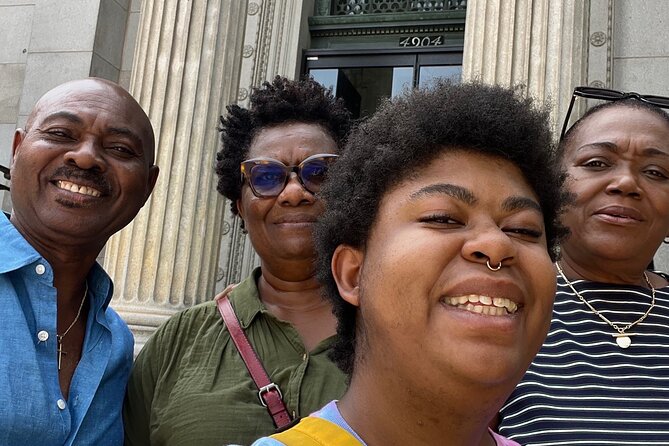
Right after the museum start, you head to Washington Park, just outside the DuSable Museum. This park sits in front of the museum and features statues and sculptures tied to history reaching back to the 1800s. It’s a great palate cleanser after the museum exterior because it puts you in “public memory” mode.
For photos, think about angles and crowding. Because it’s a park near major landmarks, you’ll likely have multiple sightlines, which is helpful when you want pictures that include both people and the sculpture backdrop. And if you enjoy learning through visual cues, this is one of the stops where you can read the place quickly, then move on with a clearer sense of why the site matters.
Kenwood and Casa de Barack Obama: more than a famous address
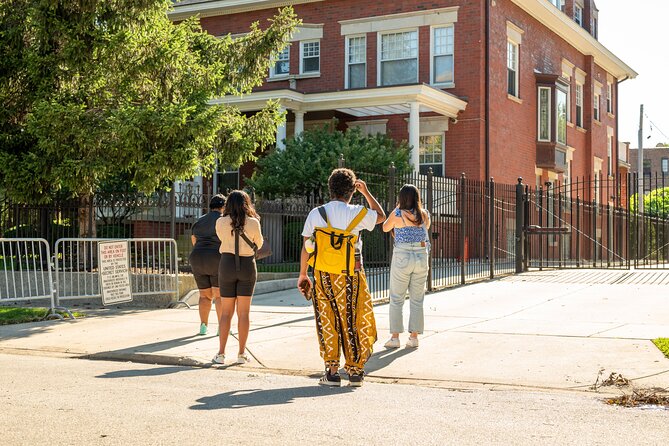
One of the tour highlights is a stop at Casa de Barak Obama in the Kenwood neighborhood. You’ll take photos and talk about President Obama’s historic election as the nation’s first Black President. The key detail I’d bet you’ll notice during this part is the architecture: the brown and grey stone mansions are described as having been well preserved for over a hundred years.
A helpful tip here is to slow down a bit when the group is still moving slowly. Kenwood is where you can really see how street-level Chicago can tell long-term stories—through how buildings were built, maintained, and still stand today. In particular, you’ll see early-1900s-style grandeur that makes the history feel physical rather than distant. If you like “read the block” travel—where the neighborhood is the exhibit—this stop will land well.
930 E 50th St: Operation PUSH and Dr. King’s workshop legacy
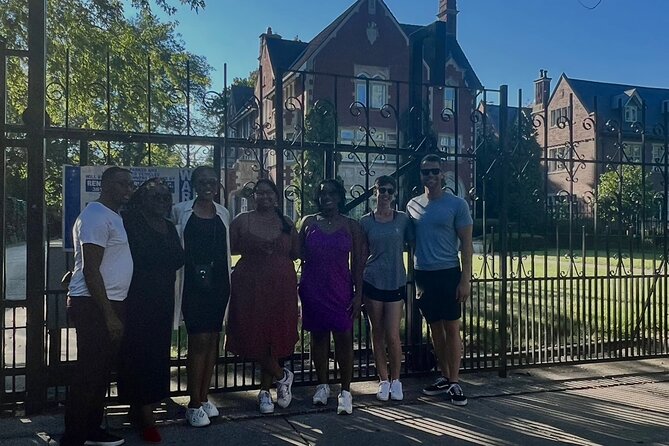
Next up is 930 E 50th St, connected to Operation Rainbow PUSH National Headquarters. The site is tied to Dr. Martin Luther King through Rev. Jesse Jackson and the founding of Dr. King’s Workshop. This is where the tour shifts from individual landmarks to the organizational engine behind civil rights work.
What’s valuable here is the timeline feel. The explanation you get connects activism across decades, described here as spanning from the 1960s to today, and frames PUSH as an international human and civil rights organization. You’ll probably find it easier to understand the movement when you connect people to institutions like this. It’s not just about who spoke—it’s about how advocacy kept going after the spotlight.



Muhammad Ali at 4944 S Woodlawn Ave: a home tied to conviction
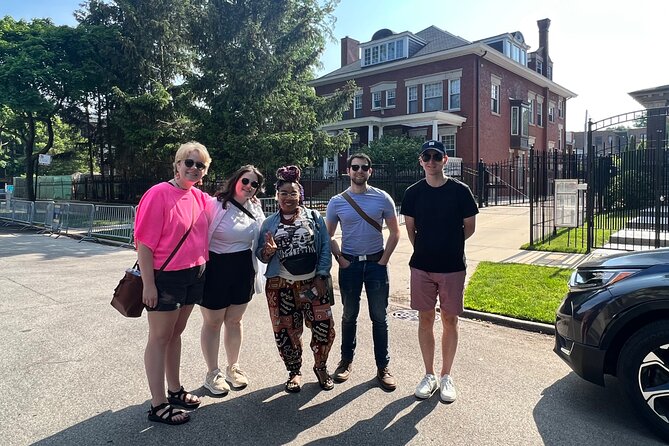
A major stop on the route is 4944 S Woodlawn Ave, Muhammad Ali’s former home. You’ll hear how Ali bought a mansion in Chicago to be closer to his spiritual mentor, Elijah Muhammad. You’ll also connect that choice to Ali’s refusal to join military service based on religious grounds.
This is one of those stops where your travel instincts should kick in: look, listen, and don’t rush the meaning. A home isn’t just an address; it’s where belief and decisions played out day to day. If you’ve ever wondered how public courage is rooted in private conviction, this part of the walk helps make that connection feel straightforward.
For photos, keep expectations realistic. You’re viewing a residential area from the street, so take pictures from safe public spots and respect the neighborhood. The point here is learning and honoring, not “grabbing a shot and moving on.”
The Blackstone Branch library: finishing with architecture and public access
The last stop is the Blackstone Branch, Chicago Public Library. This is a strong ending because it’s described with both beauty and purpose: Greco-Roman architecture and a rich history, plus a note that it’s Chicago’s oldest public library branch.
Why I like using a library as a tour finish: it nudges the learning forward. A museum stop can teach you facts, but libraries suggest action—reading, researching, passing knowledge along. If your goal is to leave with momentum, this stop is a smart last chapter.
Also, the library is a nice change from “homes and headquarters.” It brings you back to community space—one that fits the theme of preservation, documentation, and education that starts at the DuSable Museum.
What walking, timing, and group size feel like
The tour runs about 2 to 3 hours and keeps a manageable group size with a maximum of 50 travelers. That matters because it affects how much you can actually ask questions and how easily the guide can slow down when you want extra detail. With this kind of route—multiple outside stops—pace is everything.
You’ll also want to plan for a camera-forward experience. The tour is built around photo stops, so having your phone charged is not optional. Bring whatever you use for photos and keep it ready; you’ll likely want pictures at several key sites, including the Obama home and Muhammad Ali’s former home.
Finally, the tour includes drinks. That’s a small detail until you’re walking under Chicago weather and realizing you’ll appreciate it more than you expected. If you’re sensitive to heat or cold, bring appropriate layers anyway, because the experience notes that it requires good weather.
Why this tour feels more personal than a list of stops
This walk is taught by a guide who’s described as a 5th generation South Sider, and that changes the tone. Instead of treating each stop like a checkbox, you get explanations that connect the sites to the lived geography of the South Side. The route doesn’t just name people; it links places to decisions, institutions, and community memory.
One practical way to get more out of it: come with questions. The tour explicitly welcomes questions, and you’ll probably get more out of your photos if you know what you’re looking for. If you’re the type of traveler who likes context—why this neighborhood, why these dates, why these buildings—this format will feel satisfying.
Who should book this Black History South Side walk
I’d recommend this tour if you want:
- A walking-based introduction to Bronzeville and nearby areas
- A chance to see major cultural touchpoints like the DuSable area, Obama-related sites, and Muhammad Ali’s former home
- An experience that mixes street learning with architecture and public spaces like parks and libraries
- A guided route where you can ask questions and get practical explanations on the spot
If you’re coming mainly for museum time inside galleries, you might feel shortchanged. This tour does not go inside the DuSable Museum. You’ll still learn outside, but if indoor exhibits are your priority, you may want to pair the walk with a separate museum visit on your own.
Quick checklist: what to bring
Keep it simple and you’ll enjoy it more:
- Camera or phone for photos (multiple stops are photo-friendly)
- Comfortable walking shoes (it’s a walking tour, after all)
- Your questions, written down if you’re the type who thinks best after planning
- Weather-ready layers, since the experience requires good weather
- A refill plan even with drinks included—Chicago can surprise you with temperature shifts
Should you book this tour?
If you’re visiting Chicago and want a focused way to learn Black history on the South Side without spending a big chunk of your day in transit, this is a smart booking. The $5 price makes it easy to say yes, and the stop selection—DuSable Museum area, Kenwood for Casa de Barack Obama, Operation PUSH at 930 E 50th St, Muhammad Ali’s home, and the Blackstone Branch library—keeps the story moving across people, organizations, and community spaces.
Book it if you enjoy walking, asking questions, and learning through what you can see from the sidewalk. Skip it only if you specifically want museum interior time as part of the guided experience. Otherwise, this is the kind of tour that helps you leave with a clearer Chicago map in your head—and a stronger sense of why these places matter.
FAQ
How long is the tour?
The tour lasts about 2 to 3 hours, approximately 2.5 hours.
How much does it cost?
It costs $5.00 per person.
Where does the tour start?
It starts at DuSable Black History Museum and Education Center, 740 E 56th Pl, Chicago, IL 60637.
Does the tour include entry into the DuSable Museum?
No. The tour does not go inside the DuSable Museum, though visiting it is encouraged before the tour.
What major stops are included?
The route includes Washington Park, Casa de Barak Obama, Operation Rainbow PUSH National Headquarters at 930 E 50th St, Muhammad Ali’s former home at 4944 S Woodlawn Ave, and the Blackstone Branch Chicago Public Library.
Is there a mobile ticket?
Yes. The tour uses a mobile ticket.
Is the tour good for people with moderate physical fitness?
The tour is listed as suitable for travelers with moderate physical fitness.
What happens if the weather is poor?
The tour requires good weather. If it’s canceled due to poor weather, you’ll be offered a different date or a full refund.