REVIEW · CHICAGO
Chicago: Downtown Loop & Millennium Park 2 Hour Walking Tour
Book on Viator →Operated by Tours By Foot - Chicago · Bookable on Viator
Chicago gets in your bones fast. This 2-hour Loop and Millennium Park walk gives you that quick-hit feeling, with big architecture, public art, and plainspoken context you can use right away. You’ll pair classic landmarks (like the Chicago Theatre) with modern-day icons (like The Bean) and learn how the city rebuilt itself after the Great Chicago Fire.
I especially like two things. First, the route keeps history practical—stories that help you read the buildings as you pass them. Second, the guide is genuinely kind and engaging, and you’ll get useful Chicago recommendations along the way, not just facts.
One thing to consider: it’s a walking tour, and Chicago weather can be real. The tour is built for winter with indoor stops when it’s cold or rainy, but you’ll still be outside at points—so wear layers and plan for quick photo stops rather than long sits.
In This Review
- Key highlights you’ll notice fast
- Why this Loop-to-Millennium Park route makes sense
- Starting at the Chicago Theatre: your first big landmark
- Marshall Field and Daley Bicentennial Plaza: commerce meets public art
- Inside the Chicago Loop: elevated tracks and the city’s comeback
- Millennium Station: understanding why the Loop is called the Loop
- Chicago Cultural Center and the Tiffany Windows: color you can see from the doorway
- Millennium Park: Cloud Gate and the rhythm of public space
- Price and timing: getting $49 of value in 2 hours
- What it’s like on the ground: walking comfort and photo reality
- Who should book this tour (and who might want another plan)
- Should you book the Chicago Loop and Millennium Park walking tour?
- FAQ
- How long is the walking tour?
- What does the tour cost?
- Where does the tour start and where does it end?
- Is this tour good for winter weather?
- Is there an admission fee for the stops?
- Can I cancel, and are service animals allowed?
Key highlights you’ll notice fast
- Chicago Theatre’s marquee and landmark presence in the heart of downtown
- Marshall Field and Company Building area stories tied to Chicago’s department-store era
- Daley Bicentennial Plaza and Picasso’s sculpture as a stop that feels like a public museum
- The Loop’s elevated-train setting and resilience story connected to the Great Chicago Fire
- Chicago Cultural Center’s Tiffany Windows for color and detail you’ll want to slow down for
- Millennium Park’s Cloud Gate (The Bean) reflections that change every minute
Why this Loop-to-Millennium Park route makes sense
This tour is designed for visitors who want to get oriented without spending a whole day commuting between areas. The Loop is Chicago’s downtown engine, where elevated tracks, landmark facades, and busy street corners tell you how the city works. Millennium Park is the contrast—public art, greenery, and iconic architecture right in the same urban core.
What makes the pacing work is the mix of stops. You get a “street view” understanding of the Loop’s role in Chicago’s comeback, then you switch to Millennium Park’s open space where you can actually look up, take photos, and absorb the scale of the skyline reflections. Even better, it’s built for Chicago weather. The tour is suited for winter, with indoor stops when it’s cold or rainy—so you’re not stuck only doing exterior sightseeing in nasty conditions.
For me, the real win is that you don’t just see famous things. You learn enough context to make the photos mean something later. If you’re trying to understand Chicago beyond a skyline postcard, this route helps you do that fast.
You can also read our reviews of more walking tours in Chicago



Starting at the Chicago Theatre: your first big landmark
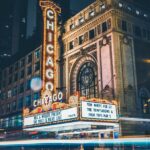
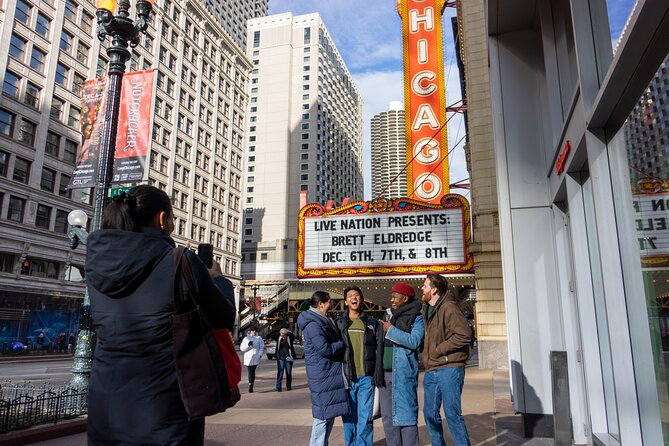
You begin at the Chicago Theatre (175 N State St), right where the downtown action really feels like Chicago. The marquee is the kind of landmark you notice even if you’re half-paying attention, and the stop is timed so you can take it in before the route pulls you deeper into the Loop.
This is a smart opener because it sets expectations. You’re not starting at a random corner—you’re at a classic venue known for grand architecture and its Wonder Theatre nickname. That matters because from here onward, you’ll start seeing Chicago as a city that planned for showmanship: not only business, but also public-facing culture.
Practical tip: give yourself a moment at this stop to look around, not just up. The surrounding streets and building frontages help you understand how this theater anchors the downtown grid. It also sets you up for what comes next, especially when you’re learning how different downtown institutions—entertainment, retail, civic art—sit side by side.
Marshall Field and Daley Bicentennial Plaza: commerce meets public art
After you leave the theatre district energy, you head toward the legacy of Chicago’s legendary department-store era. The stop at the Marshall Field and Company Building area is brief, but it’s meaningful because it frames downtown as a place where people once came not only to buy things, but to experience the city.
Why I like this stop: it gives you a different lens on Chicago than the “skyscrapers only” approach. Department stores were major social hubs. They influenced how downtown felt day-to-day. Even if you don’t shop the way people did back then, you’ll understand the city’s old rhythm just by connecting the buildings to that story.
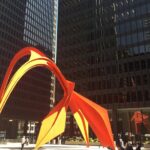
Next comes Daley Bicentennial Plaza with Picasso’s sculpture. This is a stop that’s easy to appreciate because it’s public art—out in the open, meant to be seen without museum ticket lines. The Picasso sculpture has become a recognizable city symbol, so you’re not just learning about a work of art; you’re learning about a Chicago landmark people use as a reference point.
Photo note: this is a good place to grab shots that include nearby architecture. The sculpture sits in a larger downtown setting, so you’ll get images that look like Chicago, not like a statue in isolation.
Inside the Chicago Loop: elevated tracks and the city’s comeback
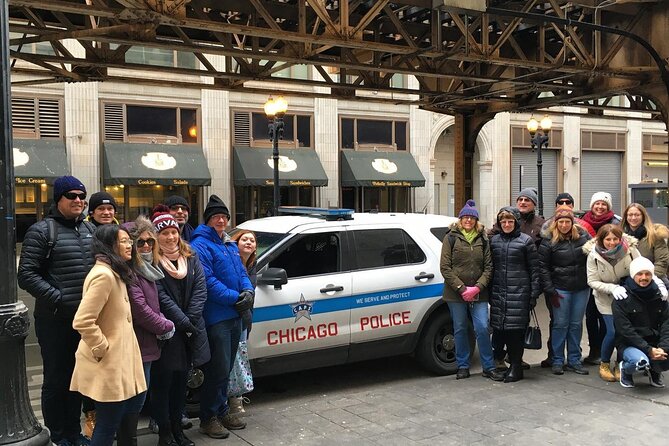
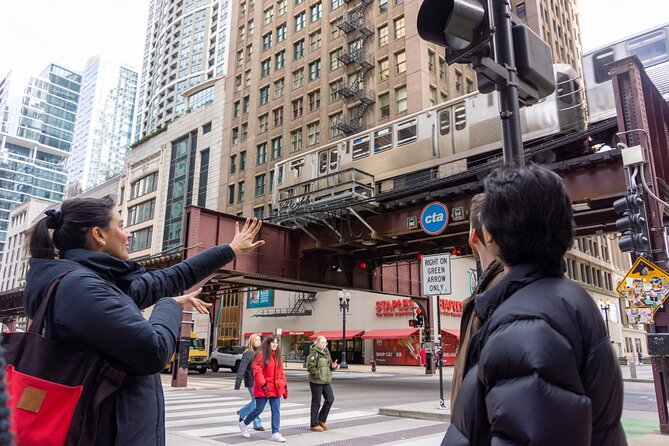
When you get into the Loop portion of the walk, the elevated train tracks become more than background. They help explain how the downtown works spatially, because the elevated system shapes street-level movement and the way blocks feel.
The Loop stop includes a story focus: the devastating Great Chicago Fire of 1871 and the city’s resilience and rebirth after it. That’s a powerful theme because it connects design choices to survival. In other words, it’s not just history you read later—it’s history you’re standing inside.
What to watch for as you listen: how the guide connects present-day structures to past events. Even without going deep into every detail, the explanation helps you notice rebuilding patterns—why downtown looks the way it does and why certain choices mattered after a citywide disaster.
Cold-weather tip: the Loop can feel windy at street level, even when the sun is out. If it’s chilly, keep your hands warm and think ahead about gloves in your pocket. You’ll want your fingers functional for quick camera adjustments.
Millennium Station: understanding why the Loop is called the Loop
One of the quieter but most useful stops is Millennium Station. It’s here that the tour connects the name and the infrastructure. You’ll learn about the elevated train system that gives the Loop its identity—so now you’re not just seeing rails. You understand why they’re central to downtown’s layout and daily life.
This stop also gives you a natural reset. After the heavier story of the Fire and rebuilding, it’s good to switch to a practical subject: transit. Transit is the city’s daily rhythm. It shapes where people gather, where they move quickly, and where they linger.
Even if you’re not using the trains during your trip, this helps you move with confidence later. You’ll start to recognize how Chicago’s transit lines and stations connect into the downtown core. That makes it easier to plan your next hop—whether you’re going to another museum, a lakefront walk, or back to your hotel.
You can also read our reviews of more tours and experiences in Chicago





Chicago Cultural Center and the Tiffany Windows: color you can see from the doorway
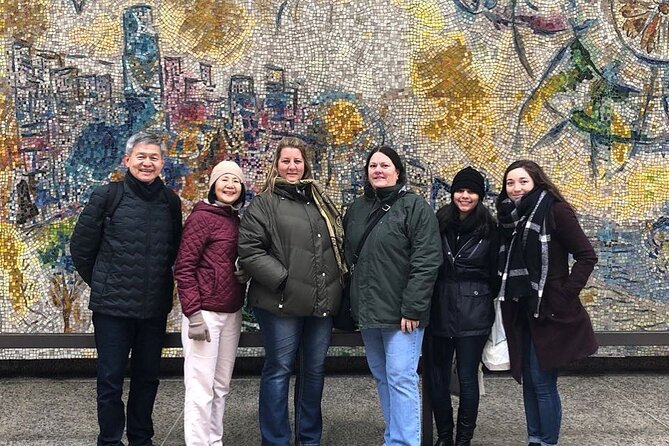
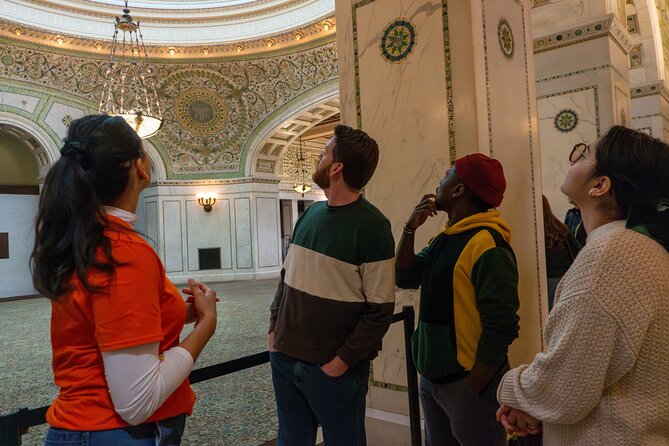
The Chicago Cultural Center stop is where the tour turns into something closer to art sightseeing. You’ll see the Tiffany Windows—delicate, colorful glass that reads differently when you’re close to it rather than seeing photos online.
This is one of the smartest winter choices on the route because it’s indoor time with something visually rewarding. The stop is short, but the windows are the kind of thing you want to look at from a couple of angles. If you rush through, you’ll miss the way the colors shift with the light and the way the glass patterns pull your eye.
Why this is valuable: it breaks the Loop-only feel. You’re not stuck with street-level architecture all tour. Instead, you get a moment of crafted beauty—a reminder that Chicago doesn’t treat art as an extra. It treats it as part of public life.
If you’re traveling with someone who likes photos, this is also a good target. The Windows are visually strong, so you’ll get shots even with limited time.
Millennium Park: Cloud Gate and the rhythm of public space
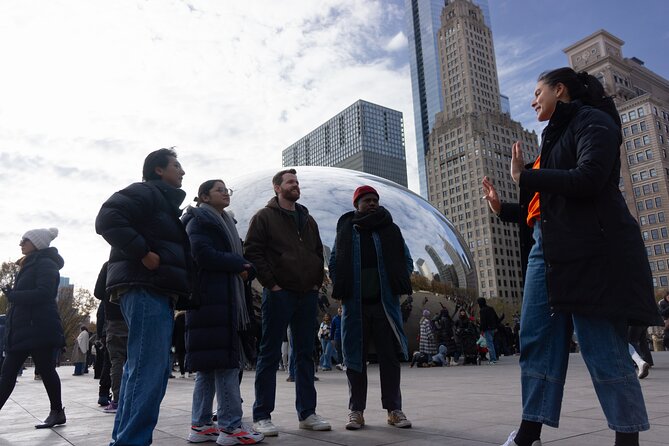
You finish with the heart of Millennium Park, and the tour doesn’t waste time getting you to Cloud Gate—better known as The Bean. The reflective surface changes constantly as you move, and it captures the skyline in a way that feels playful but also oddly architectural. People often end up circling it because the reflections keep shifting with crowds and light.
The stop includes time specifically for Cloud Gate, which is exactly how it should be. When you’re short on time, you want the iconic photo moment without turning the experience into a quick passing glance.
After that, you spend time in Millennium Park itself. This park is more than a sculpture plaza. It’s a carefully designed urban space, with places like the Jay Pritzker Pavilion and Lurie Garden adding range—open air, seating, and greenery in the middle of downtown.
What I think you’ll enjoy here: the transition from tight downtown streets into a more open feeling. Even if you’re only in the park briefly, it gives your legs and your eyes a rest. It also helps you understand why Millennium Park became such a staple destination—it works for tourists and locals because it’s flexible. You can walk, pause, take photos, or just watch the city.
Price and timing: getting $49 of value in 2 hours
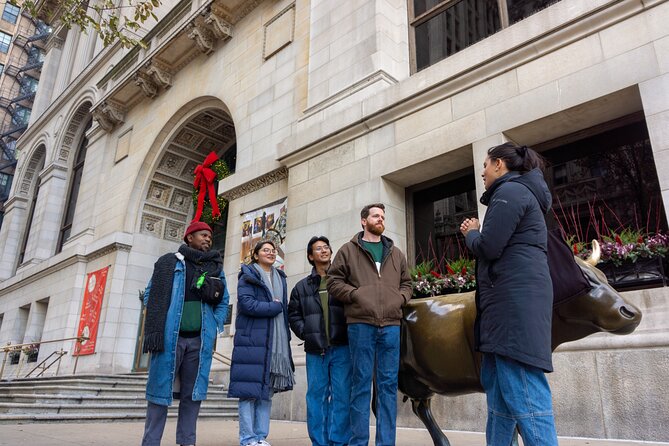
At $49 per person for an approximately 2-hour walk, this tour isn’t “cheap,” but it can be good value if you care about context and efficiency. You’re paying for a professional guide, a pre-planned route, and a tight schedule that hits multiple major landmarks without you needing to figure out the best order.
The small-group size (maximum 15 travelers) matters for this price. In a group that small, your guide can keep momentum without losing you entirely in a crowd. It also makes it easier to ask practical questions—especially if you want recommendations for what to do after the tour.
Timing is another part of the value equation. This is short enough to fit into a busy Chicago schedule, but not so short that it feels like a hurried “photo-only” stroll. You get enough time to experience each location as more than a name on a map.
One more detail that matters: the tour uses a mobile ticket. That saves time because you don’t need to sort through printouts at check-in. It’s a small thing, but in a winter city where you’re already managing coats and gloves, small friction reductions help.
What it’s like on the ground: walking comfort and photo reality
Let’s keep it real about expectations. This is a walking tour with brief stops—so you’ll get focused moments, not long museum-style stays. That’s great for first-time orientation, but if you’re the type who likes extended time to read every plaque, you may want to plan extra independent time after.
Here’s a practical way to prepare:
- Wear layers and shoes with grip for cold sidewalks.
- Bring a camera strap or keep your hands free at indoor stops.
- Accept that some photos will be quick because you’re moving as a group.
The good news is the route includes indoor breathing space when it’s cold or rainy, with the Cultural Center being the most obvious indoor pause. That helps keep the tour comfortable instead of turning into a cold endurance test.
Who should book this tour (and who might want another plan)
This tour is best for you if:
- You’re seeing Chicago for the first time and want a strong downtown orientation.
- You like architecture and public art, but you don’t want to spend hours researching before you go.
- You care about history that helps you interpret what you’re looking at now.
- You appreciate a small-group pace and clear guidance for where to look.
It may feel less ideal if:
- You want long, quiet time at a single landmark.
- You’re traveling on a schedule where every minute is already locked and you dislike walking between multiple stops.
The guide’s approach seems to land well with people who like history explained in an approachable way, plus helpful place recommendations. That combination is the difference between “I saw things” and “I understand what I saw.”
Should you book the Chicago Loop and Millennium Park walking tour?
Yes, if you want an efficient, landmark-focused walk that mixes the Loop’s identity with Millennium Park’s big public-art payoff. The price makes sense when you factor in a professional guide and a route that hits multiple famous sites in a short window. You’ll leave with better city context, not just photos.
If you’re choosing between doing it alone and taking a guided walk, this is one where I’d lean guided—because the stories (including the Great Chicago Fire connection and the Loop naming through the elevated trains) help you make sense of what you see. And the kind, helpful guide style plus practical recommendations are exactly what you want in the first day or two of a Chicago trip.
FAQ
How long is the walking tour?
The tour lasts about 2 hours.
What does the tour cost?
It costs $49.00 per person.
Where does the tour start and where does it end?
It starts at the Chicago Theatre, 175 N State St, Chicago, IL 60601, and ends at Cloud Gate, 201 E Randolph St, Chicago, IL 60602.
Is this tour good for winter weather?
Yes. It’s suited for Chicago winter, with indoor stops when it’s cold and rainy.
Is there an admission fee for the stops?
Most of the listed stops are free to visit, and one stop has admission ticket included.
Can I cancel, and are service animals allowed?
Service animals are allowed. You can cancel up to 24 hours in advance for a full refund.