REVIEW · CHICAGO
2-Hour Chicago’s Chinatown History and Culture Tour
Book on Viator →Operated by Chinatown Visitor Center · Bookable on Viator
Two hours, and Chicago reveals a lot. This Chicago Chinatown history and culture walk strings together murals, old buildings, museum stops, and river views so you get your bearings fast and still learn what shaped the neighborhood.
I like that the route focuses on specific places you can see, not vague talking points. You also get a real mix: street-level landmarks like Chinatown’s Welcome Gate, plus indoor culture time at the Chinese-American Museum of Chicago.
One thing to consider: the pacing is brisk. If you’re hoping for slow, deep stories about daily life and personal experiences, this tour may feel more like a highlight reel than a fully detailed neighborhood biography.
In This Review
- Key highlights to look for on this Chinatown walk
- Why this 2-hour Chinatown history walk works
- Price and what $30 buys you (and what it doesn’t)
- Starting at Chinatown Square: zodiacs, murals, and St. Anne’s Bakery
- Crossing Archer and Cermak: the streets that explain Old Chinatown
- Pui-Tak Center and Won Kow: Terra Cotta details and famous facades
- Chinese-American Museum of Chicago: art and innovation today
- Nine Dragon Wall: Beijing-inspired dragons and lucky colors
- Ping Tom Memorial Park: river trails, bridges, and a different kind of Chinatown view
- Who should book this Chinatown tour (and who might want more)
- Tips for getting the most from the route
- Should you book this Chinatown History and Culture Tour?
- FAQ
- How long is the Chinatown History and Culture Tour?
- What does the tour cost?
- Is the tour offered in English?
- How many people are on the tour at most?
- Where does the tour start and where does it end?
- What’s included with the tour ticket?
- Are there extra costs like gratuities?
- What is the cancellation and weather policy?
Key highlights to look for on this Chinatown walk
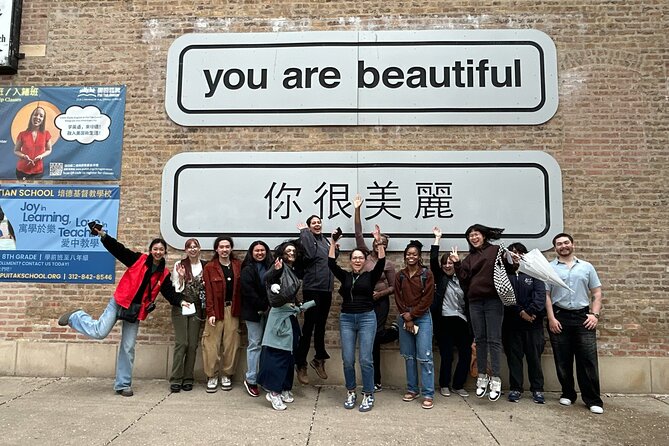
- Zodiac animals and murals at Chinatown Square, plus classic local stops nearby
- Cermak Rd and the Welcome Gate area, where the streets explain Chicago’s Chinatown growth
- Pui-Tak Center and the Terra Cotta details, a visual lesson in community architecture
- Chinese-American Museum of Chicago, focused on art, culture, and innovation today
- Nine Dragon Wall, a rare replica with glazed tiles from China and a Beijing-style model
- Ping Tom Memorial Park, river trails, bridges, and skyline views after the history portion
Why this 2-hour Chinatown history walk works
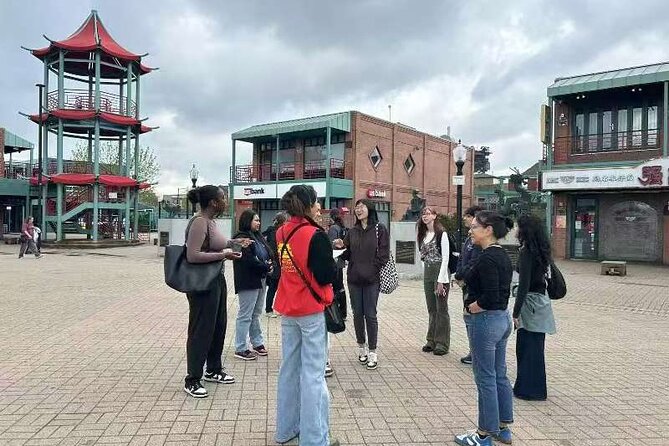
Chicago’s Chinatown can feel like a maze if you only wander on your own. This tour gives you a route you can repeat later, with landmarks placed close enough that the stories actually stick. You’re walking through the neighborhood’s most recognizable visual anchors—then using the guide to connect them to how the area developed over time.
The schedule is also friendly for a quick visit. Two hours is long enough to hit multiple cultural points, yet short enough that you’re not stuck in “tour fatigue” when you still want to eat or explore on your own afterward. And with a maximum group size of 15, you usually get enough room to hear what matters without being shoved into a moving crowd.
Weather does matter. If it’s canceled due to poor weather, you’ll be offered a different date or a full refund.
You can also read our reviews of more historical tours in Chicago


Price and what $30 buys you (and what it doesn’t)
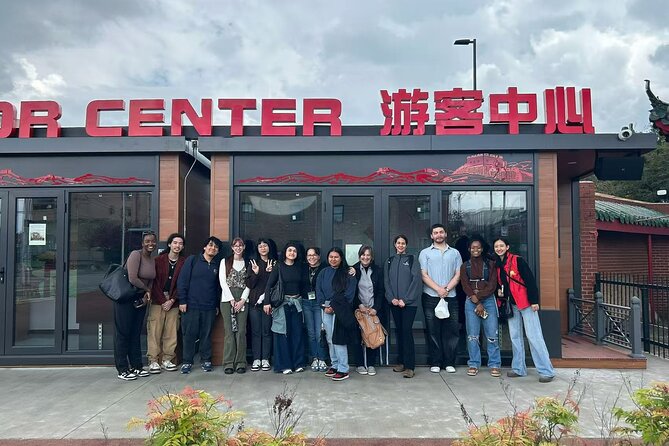
At $30 per person, this is a low-cost way to get context for a part of Chicago that many visitors treat like a quick photo stop. The big value is what’s built in: an English-speaking guide, a souvenir gift from the Chinatown Visitor Center, and a discount toward future tours and workshops.
What’s not included is also normal for tours like this: gratuities are suggested (listed as $6–10 per person, and you can pay by cash, Venmo, or PayPal). If you want the guide to take extra care with your questions, budgeting a tip helps.
One more practical value: several of the planned stops explicitly note free admission. That means your money goes toward the walking, storytelling, and access—not toward museum ticket pricing.
Starting at Chinatown Square: zodiacs, murals, and St. Anne’s Bakery
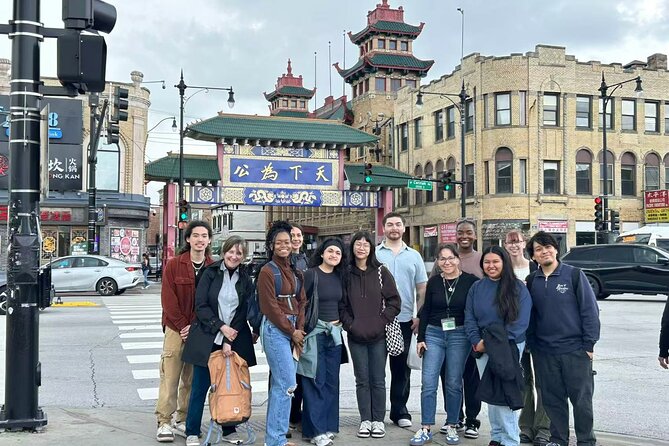
Your tour begins at 2189 S Wentworth Ave. The first stop is Chinatown Square, where you’ll see a mural and 12 zodiac animal statues. This is a smart opening move. It gives you a visual “key” for the area right away: symbols, art, and identity are part of the neighborhood’s language.
From there, you walk through the plaza area and nearby commercial streets. Expect to pass well-known local textures like restaurants, ice cream parlors, and general merchandise shops. You also get time to notice a long-standing community fixture in the mix: St. Anne’s Bakery.
This stop is listed at about 20 minutes, with free entry. That short window is enough to orient you without turning the start into a long wait. If you’re the kind of person who likes to do one or two photos early and then get moving, this is a good start pace.
Crossing Archer and Cermak: the streets that explain Old Chinatown
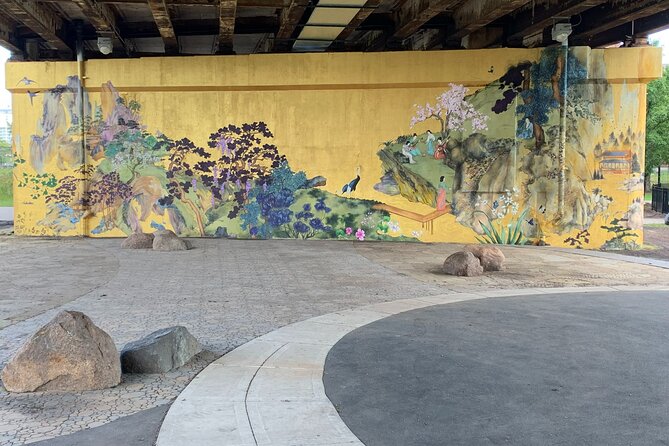
Next comes a walk that feels like it’s moving through layers of time. You cross Archer, then head along Cermak Rd. The guide’s topic here is big-picture but street-based: Cermak Rd is named for a former Chicago mayor killed in an assassination attempt on a U.S. President.
Then you’ll walk east and talk through how Old Chinatown developed. This is where the route starts doing more than “show and tell.” The streets themselves become the story: which directions commerce tends to follow, how neighborhoods expand, and why certain areas gather landmarks.
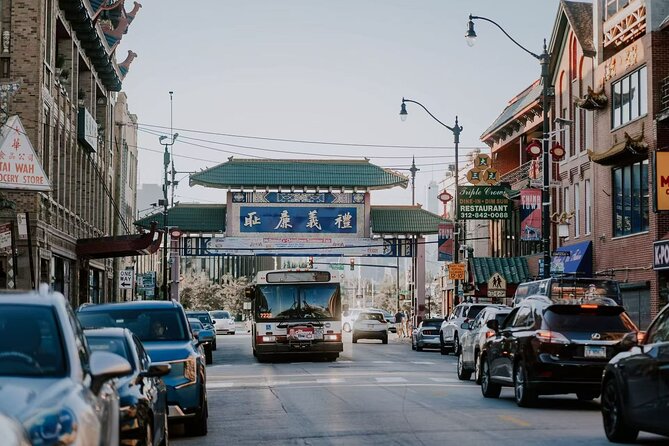
At the corner of Wentworth, you’ll stop for photos under Chinatown’s Welcome Gate. You’ll also have a chance to spot an alley that’s been featured through Chicago PD—useful if you like recognizing media locations and connecting them back to real streets.
If you prefer to hear your history in small bursts, this section tends to work well because it’s broken up by photo opportunities and quick place markers.
Pui-Tak Center and Won Kow: Terra Cotta details and famous facades
After the gate area, you continue toward the historic Pui-Tak Center. You’ll get about 30 minutes here, with free admission. This stop matters because it shifts you from symbolism and street layout into buildings—materials, details, and architectural cues that help you read the neighborhood at a glance.
As you keep walking south, the tour turns its attention to the Won Kow building, described as being used in many TV shows and movies. You’ll also hear about it as a favorite hangout of legendary Chicago gangster Al Capone. Even if you’re not a crime-history person, this angle can help you understand how Chinatown’s visible streets and buildings became part of Chicago’s broader cultural map.
There’s also a visual treat that I think most people will enjoy: the tour calls out a cool recessed balcony atop Emperor’s Choice restaurant, plus beautiful Terra Cotta decorative tiles. Those tile details show up not only at Won Kow, but also on the Pui-Tak Center and other buildings through the area. It’s the kind of thing you might miss if you’re just walking quickly. Having a guide point it out makes you notice the craftsmanship instead of just the facade.
You’ll also stop at Chiu Quon, noted as the oldest Chinese bakery store in Chinatown. This is a good moment to slow down and take in everyday commerce rather than only landmark culture.
Right after, you’ll likely spend a few minutes on an idea that explains why Chinatown neighborhoods take root: the importance of Merchant Associations in developing Chinese communities. It’s a small chunk, but it adds a social backbone to the buildings and streets.
You can also read our reviews of more tours and experiences in Chicago




Chinese-American Museum of Chicago: art and innovation today
The tour then reaches Chinese-American Museum of Chicago for about 30 minutes, with free admission.
This is one of the strongest parts of the route because it flips the time focus. Instead of only talking about immigration history and older Chinatown landmarks, the museum slot is about present-day Chinese American life through art, culture, and innovation. If you’ve ever felt like Chinatown tours can become stuck in one era, this stop helps balance the perspective.
Even if you don’t spend every minute reading every display, you’ll still benefit from the guided frame. The goal here isn’t to turn the museum into a full day—it’s to use it to understand what the neighborhood contributes now.
Nine Dragon Wall: Beijing-inspired dragons and lucky colors
Next up is the Nine Dragon Wall, with about 5 minutes at the site. It’s short, but it’s worth paying attention.
This wall uses glazed tile from China and is modeled after a wall in Beihai Park in Beijing. The tour notes that it’s one of only three replicas outside China. That fact alone makes it feel more than a decorative stop.
You’ll also learn what’s going on in the nearby mural details: large dragons plus over 500 smaller dragons, painted in red, gold, and blue, representing the Chinese focus on good fortune. The “why these colors and this pattern” explanation is the difference between seeing a pretty wall and understanding a cultural message.
If you’re the type who takes photos and then moves on, try to pause long enough to look for the dragon pattern logic. It makes the wall feel purposeful, not random.
Ping Tom Memorial Park: river trails, bridges, and a different kind of Chinatown view
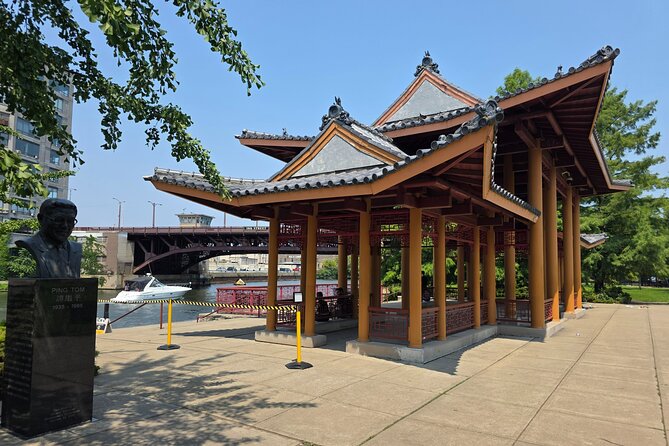
The final stop is Ping Tom Memorial Park, about 30 minutes and free admission. If you’re thinking, great—another wall—don’t worry. This part gives you a break from landmarks and gives you the water-and-skyline side of the trip.
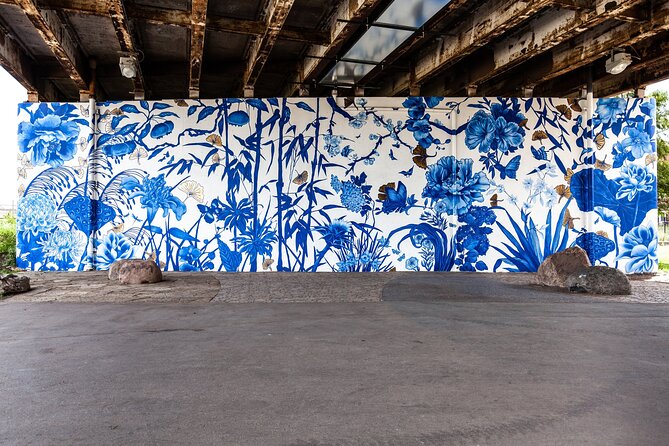
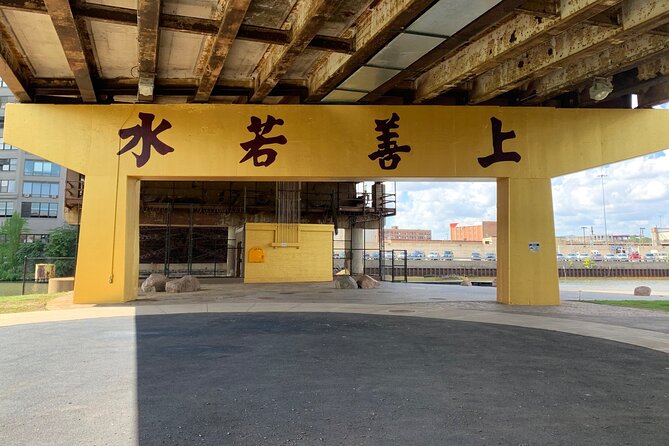
The park has walking trails along the South Branch of the Chicago River. You get views of Chicago’s skyline and historic bridges, which helps you see how Chinatown sits inside a much larger city system. You’ll also find a Pagoda Pavilion, Chinese murals under the 18th Street Bridge, and a children’s playground.
There’s also a practical bonus if you plan to keep moving after the tour: the park is connected to the Chicago Water Taxi service operated by Wendalla, including routes toward Ogilvie Metra Station and Michigan Avenue. That means you can sometimes turn “getting around” into part of the fun instead of a separate chore.
The tour ends back at Chinatown Square Plaza (listed as the end point), but you can also use the time at Ping Tom Memorial Park to relax, take photos, and then head into downtown via the water taxi.
Who should book this Chinatown tour (and who might want more)
This tour is a great fit if you:
- Want a 2-hour overview with stops that are easy to revisit later
- Like photo-friendly landmarks but also want the stories behind them
- Prefer a guided “route plan” instead of figuring everything out on your own
- Appreciate Chinese American culture today as well as older Chinatown visuals (the museum stop helps a lot)
You might want to look elsewhere if you:
- Expect very deep, long-form stories about everyday life, not just quick historical context tied to landmarks
- Want a slower pace with long explanations at each site
The group size cap of 15 helps keep things manageable, but the time limit still shapes the experience.
Tips for getting the most from the route
A few practical moves can help you enjoy the tour without missing the best details:
- Wear shoes that can handle city sidewalks and short bursts of standing for photos. The tour is mostly walking.
- Bring your phone camera, but also leave a moment to look with your eyes first. The dragon and tile details make the photos better when you’ve actually studied them.
- If you’re food-inclined, Chinatown Square and the surrounding area are a good place to grab something before or after the tour. The tour ends with a chance to head back for foods and drinks, which is handy if you’ve worked up an appetite.
- Use the park time well. Even 15 minutes of river-and-bridge views can turn the tour into more than just “buildings and signs.”
Should you book this Chinatown History and Culture Tour?
If you want a smart, low-cost way to get oriented in Chicago’s Chinatown, this is an easy yes. The route hits a good mix of symbolism, architecture, museum culture, and that Beijing-inspired Nine Dragon Wall moment, then finishes with river views at Ping Tom Memorial Park. For $30, you’re paying mostly for the guided connections and the structured walk—not for expensive add-ons.
If you’re the type who wants slow storytelling and lots of personal history, treat this as a starting point rather than the final word. The pacing is brief by design, and you’ll get more value by pairing it with extra independent exploring afterward—especially around the museum and bakery areas.
Bottom line: book it if you like tours that help you read a neighborhood quickly and still come away with specific places you’ll remember.
FAQ
How long is the Chinatown History and Culture Tour?
The tour runs for about 2 hours.
What does the tour cost?
It costs $30.00 per person.
Is the tour offered in English?
Yes, it’s offered in English.
How many people are on the tour at most?
The tour has a maximum of 15 travelers.
Where does the tour start and where does it end?
It starts at 2189 S Wentworth Ave, Chicago, IL 60616 and ends at Chinatown Square Plaza, 2133 S China Pl, Chicago, IL 60616.
What’s included with the tour ticket?
You get an English-speaking tour guide, a souvenir gift from the Chinatown Visitor Center, and a discount for future tours and workshops.
Are there extra costs like gratuities?
Gratuities are not included. A suggested guide gratuity is $6–10 per person or more, and it can be paid via cash, Venmo, or PayPal.
What is the cancellation and weather policy?
You can cancel for free up to 24 hours in advance for a full refund. The experience requires good weather, and if it’s canceled due to poor weather, you’ll be offered a different date or a full refund.