REVIEW · CHICAGO
Walking Tour: Chicago’s Prairie Ave Dist. – Street of the Elite
Book on Viator →Operated by L Stop Tours · Bookable on Viator
Chicago’s Prairie Avenue is where status had an address. This walking tour strings together prairie-era architecture, music history, and docent-led interiors in about four hours. I especially like the small-group size and the way the route balances big-name landmarks with quieter, more local stops. One thing to consider: you’ll spend time on the move and you may need to climb stairs since not every train station has elevator access.
You’ll start downtown at the Chicago Athletic Association, then use Chicago’s L train to reach the Prairie District. Along the way, you’ll get quick training on how to ride the system, so you’re not just walking—you’re learning a practical way to get around town. The total price is $80, which makes more sense when you remember it includes transit and multiple guided museum or church visits.
In This Review
- Prairie Avenue’s “Street of the Elite” and What You’ll Really See
- Start at Chicago Athletic Association, Then Ride the Green Line
- Chess Records: Blues History You Can See in One Stop
- Second Presbyterian Church Mini-Tour: A Docent-Led Interior Moment
- Spoke & Bird Snack Break: Local Food Without the Pressure
- Glessner House Museum: How Elite Living Looked Up Close
- Clarke House Museum: Chicago’s Oldest House and a Contrast in Scale
- Palmer House Hilton Historic Lobby: The Sweet Finish
- Price, Time, and How Much You Get for $80
- Who This Prairie Ave Walk Is Best For
- Should You Book Chicago’s Prairie Ave District Tour?
- FAQ
- Where is the tour meeting point, and where does it end?
- How long is the walking tour?
- What’s included in the price?
- Is food or drinks included?
- How large is the group?
- Is the tour accessible for people who can’t handle stairs well?
Prairie Avenue’s “Street of the Elite” and What You’ll Really See
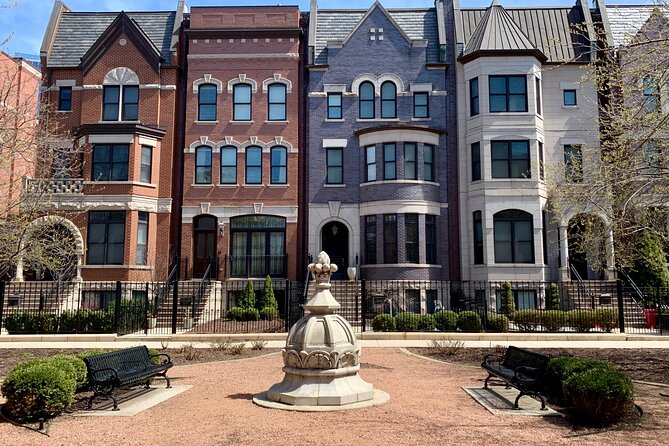
Prairie Avenue earned its reputation for one reason: it concentrated wealth, power, and public-facing prestige along a corridor of impressive homes, institutions, and hotels. The fun part of this tour is that it doesn’t treat that story like a museum label. It shows you how the neighborhood looked and how people moved through it—by rail, by foot, and into grand spaces meant to impress.
What makes it feel authentic is the mix of eras and uses. You’ll go from a famous hotel lobby to a blues-recording landmark, then into churches and houses that were designed to communicate status without saying a word. And yes, you’ll walk enough to get a real sense of scale—wide sidewalks, long blocks, and the kind of street presence that doesn’t show up in photos.
The small-group format matters too. With a cap around 8 to 10 people, the guide can keep the pacing tight and answer your questions without turning it into a lecture hall.
Start at Chicago Athletic Association, Then Ride the Green Line
You meet at the Chicago Athletic Association (12 S Michigan Ave). It’s a great starting point because it instantly sets the tone: this is a building with enough character to make you pay attention before you even hit the sidewalk.
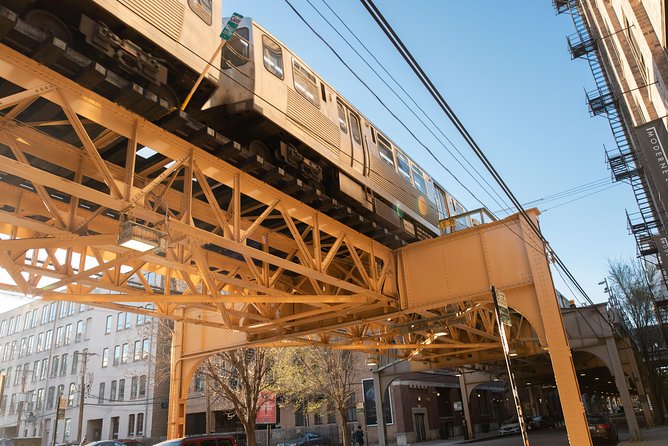
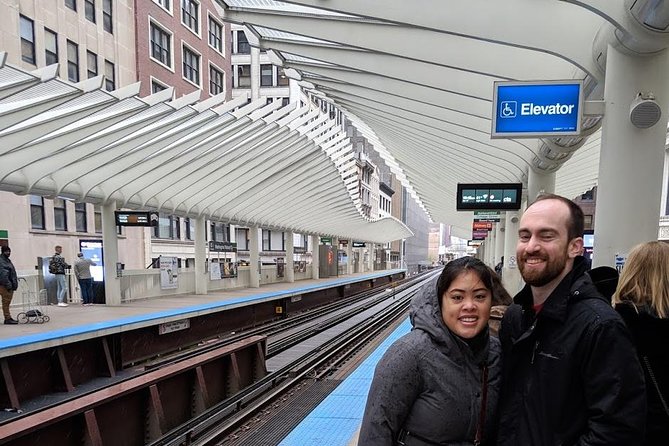
Your guide then takes you through the hotel itself before you head to Washington & Wabash to board the Green Line for the ride to the Prairie District. That train segment isn’t just transit filler. It’s a practical lesson in how to move across the city quickly, and it helps you connect the neighborhood story to real Chicago life.
Why I like this opener: it prevents the usual sightseeing “drop you somewhere and hope for the best” approach. You get orientation downtown, then you arrive in the Prairie District already knowing where you are and why you’re there.
You can also read our reviews of more walking tours in Chicago



Chess Records: Blues History You Can See in One Stop
Next you’ll head toward the Chess Records site near Cermak L. Even if you only know Chess Records from the bigger names it helped launch, seeing the building in person gives it weight. It’s one of those Chicago places where the music history isn’t vague. The structure is part of the story—an actual address tied to real creative output.
This stop is short on purpose. The goal is to give you the key context, then move on so the walk stays lively. If you want to linger for more photos, you’ll have to do it thoughtfully because the tour keeps a steady pace.
Second Presbyterian Church Mini-Tour: A Docent-Led Interior Moment
Then you shift from music to architecture with the Second Presbyterian Church of Chicago. Here you’ll receive a private docent-led mini tour, which is where this experience gets more than just outdoor sightseeing.
Churches like this often tell you how a city’s leaders wanted to be seen: through design, through formality, and through the kind of space that demands attention. You’ll get guided context that helps you read what you’re seeing instead of guessing.
The practical downside: this is one of the portions where you’ll benefit from taking your time, but the tour format means you won’t have hours. Still, a docent-led interior visit is hard to beat for value, especially within a four-hour window.
Spoke & Bird Snack Break: Local Food Without the Pressure
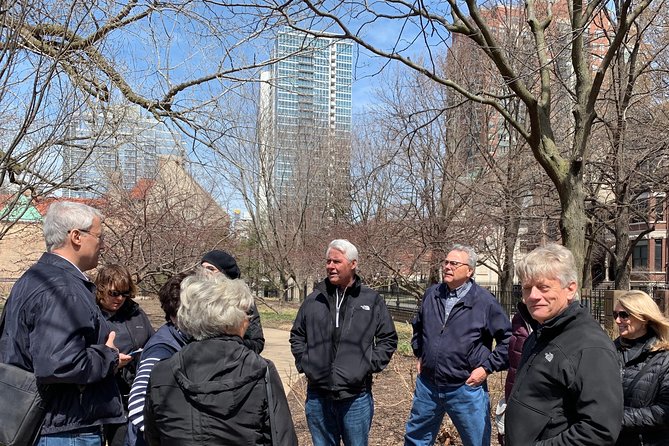
For a breather, you stop at The Spoke & Bird. It’s positioned as a unique employee-owned and woman-owned cafe, and the setup is relaxed: you can grab a snack and drink while you reset.
A key point for your wallet: food and beverages aren’t included. Purchases are optional, so you can keep it light or use the break to try something local.
Why this stop works: it prevents the tour from becoming “all history, no human pace.” It’s also a good reality check. The Prairie District isn’t only surviving from the turn of the 20th century—it has present-day life too.
Glessner House Museum: How Elite Living Looked Up Close
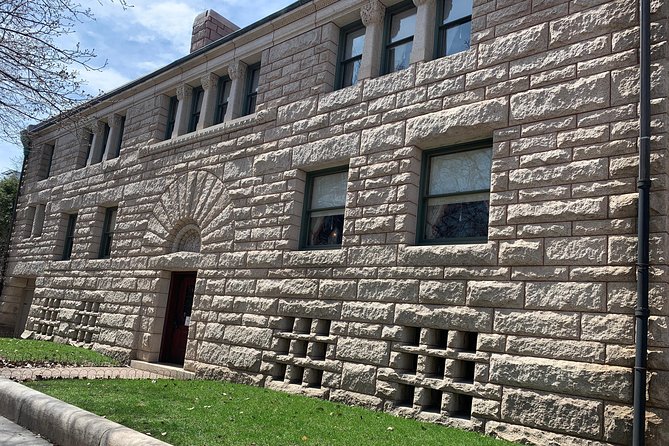
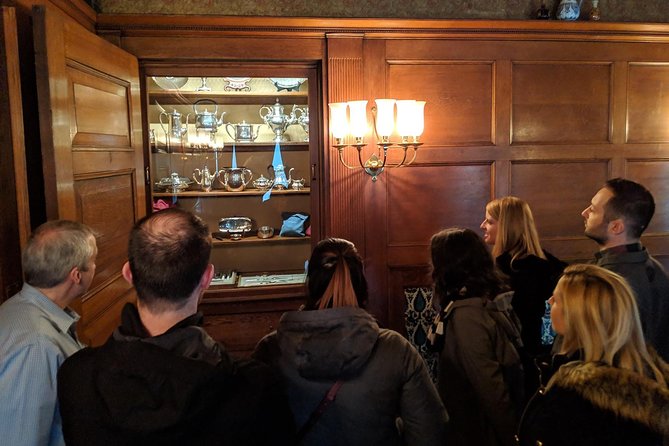
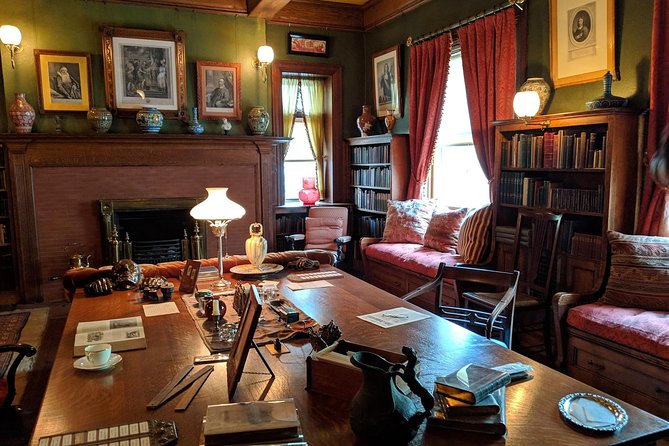
One of the highlights is the Glessner House Museum, where you’ll get a private docent-led mini tour. This is the kind of place that rewards attention. You’ll see how elite Chicagoans organized space—how rooms functioned, how design choices signaled identity, and how daily life played out behind impressive walls.
This stop is also a major value driver because the tour includes the church and Glessner House donation/fee. In plain terms: you’re not just paying for a walk. You’re paying for guided time inside spaces that many visitors can only approach on their own schedule.
The only consideration here is time and energy. Indoors tours can be slower, and if you’re prone to feeling rushed, this is one stop to focus on. I’d treat it like a “main course” and give it your full attention.





Clarke House Museum: Chicago’s Oldest House and a Contrast in Scale
You’ll also visit the Clarke House Museum, with a quick look at what’s described as the oldest house in Chicago. That alone grabs your attention, but the bigger takeaway is contrast.
You’re moving through a neighborhood tied to elite ambition, and then you hit a structure that pulls the story back earlier than most people expect. Even with the shorter stop time, it helps you understand why this area mattered over the long arc—not just in one fashion wave.
If you like architecture and timelines, this part will click. If you mostly came for the mansion-and-hotel wow factor, you’ll still appreciate it, but you may want to keep an eye on the scale differences the house reveals.
Palmer House Hilton Historic Lobby: The Sweet Finish
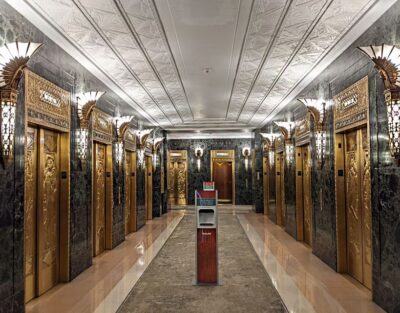
After the museum stops, you ride back to the Loop and end with an exploration of the Palmer House Hilton historic lobby. This is the tour’s finale, and it’s a smart one: the lobby is built for visual impact, and you’ll have time to experience it before you leave.
The tour ends with a sweet treat. In the kinds of feedback this experience gets, people often mention the brownie at the Palmer House as the perfect closing note—part comfort, part Chicago tradition.
Why I think this matters: not every historic tour pays attention to the ending. This one gives you a memorable capstone in a famous building, then lets you depart on a good feeling instead of rushing out right after the last classroom moment.
Price, Time, and How Much You Get for $80
At $80 per person, this isn’t a bargain bus tour. It’s also not priced like a private chauffeured day. The value comes from the structure: transit tickets are included, plus guided access inside key stops like the church and Glessner House (donation/fee included there too).
The experience clocks in at about four hours, starting at 10:00 am. You’ll cover multiple points without it turning into a nonstop sprint. The schedule also gives you at least one planned pause for a cafe snack break, even if you’re paying for your own food and drink.
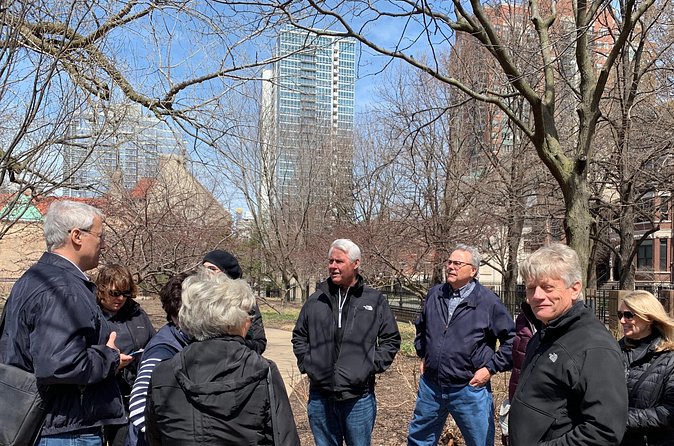
Group size is also part of the value equation. With a maximum stated around 8 and a cap at 10, you’re more likely to get real answers from the guide rather than just listening to the same facts for everyone.
If you’re deciding between this and a more generic walking tour, ask yourself what you care about most. If you want architecture plus guided interiors plus practical transit context, this price starts to feel fair.
Who This Prairie Ave Walk Is Best For
This tour suits you best if you like city history that’s specific—addresses, buildings, and how people used them. It also works well if you want to feel the neighborhood’s vibe without needing to plan your own route.
It’s a strong match for:
- Architecture fans who enjoy learning what design signals meant at the time
- Music history lovers who want Chess Records placed into a broader Chicago story
- People who like guided access to interiors (churches and historic house museums)
It may be less ideal if:
- You hate stairs or tight walking segments. The tour notes moderate physical fitness, and not all stations have elevators.
- You want a long free-roam lunch break. There’s a snack stop, but food isn’t included and time is limited.
One more practical note from past experiences with the operator: guides like Tom are praised for staying sharp on Chicago details while keeping the pacing friendly. That combination is exactly what makes a four-hour walk feel worth it.
Should You Book Chicago’s Prairie Ave District Tour?
If you want a Chicago experience that feels like more than a photo hunt, I’d book it. The route makes sense. The pacing is realistic. And the big selling point is guided access inside important spaces, not just outdoor views.
You should skip it only if you’re looking for a slow, mostly-relaxed wandering day or if stair-heavy transit will be a problem for you. Otherwise, this is a well-shaped afternoon in a part of Chicago many people overlook—where you can see how elite life looked, how blues history sits in the city, and how the Loop links back to the neighborhood through the L.
FAQ
Where is the tour meeting point, and where does it end?
You meet at the Chicago Athletic Association (12 S Michigan Ave, Chicago) and the tour ends at the Palmer House (17 E Monroe St, Chicago).
How long is the walking tour?
The tour runs about 4 hours.
What’s included in the price?
The price includes transit tickets, donation/fee entries for the church and Glessner House, and a local expert guide.
Is food or drinks included?
Food and beverages are not included. There is a cafe snack stop where purchases are optional, and the tour does end with a sweet treat.
How large is the group?
The tour is described as a small group with a maximum of 8 participants, with an overall cap of up to 10 travelers.
Is the tour accessible for people who can’t handle stairs well?
The tour asks for moderate physical fitness and says you should be able to climb stairs because not all train stations have elevators.