REVIEW · CHICAGO
Retro River North Walking Tour
Book on Viator →Operated by Tours by Doorways Of Chicago · Bookable on Viator
Most people think River North is all glass and nightlife. This tour shows the older Chicago underneath.
You’ll get vintage neon signage plus real architectural landmarks in a compact 1 hour 40 minutes to 2 hours. I love that it includes photo moments and short, story-driven stops—so you’re not just looking, you’re learning what you’re looking at. A free ticket with a mobile app for historical photos also makes it easy to remember what you saw.
Two things I especially like: the pace stays walkable, with about 15 minutes per stop, and the route is built around variety—cathedral, mansion museum, artist studios, and late-night music venues. The guide—often led by Ronnie, based on past tour feedback—also brings design and history into the same conversation. One drawback to consider: a couple of the best-known stops are nightlife spots, so if you want to go inside or stay for drinks later, plan on paying separately (the tour ticket itself is free, but you may still spend money that evening).
In This Review
- Key highlights you’ll feel on the walk
- Why this River North walk works at night
- Price and what free really means
- Quick route facts: start, finish, and timing
- Stop 1: St. James Cathedral and the Lincoln connection
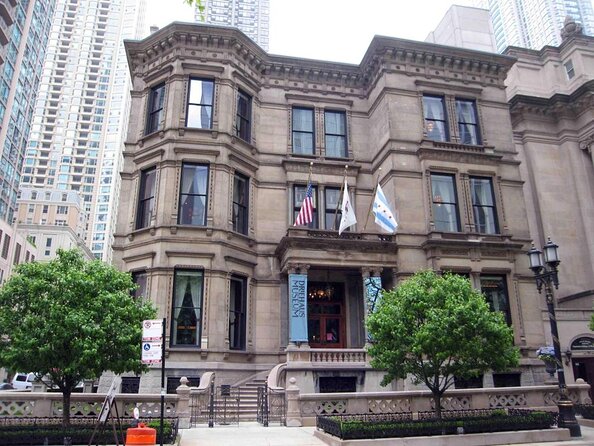
- Stop 2: Richard H. Driehaus Museum in the Nickerson House
- Stop 3: Murphy Auditorium and the Tiffany doorways
- Stop 4: Tree Studio Complex, the Ivy Room, and artists in residence
- Stop 5: P.O.S.H. and the Parisian flea-market feeling
- Stop 6: Redhead Piano Bar and vintage neon after 6 pm
- Stop 7: Hard Rock Cafe Chicago and music memorabilia scale
- Stop 8: House of Blues Chicago and Unity in Diversity
- What the tour app adds (and why it matters)
- Who this walking tour is best for
- Should you book the Retro River North Walking Tour?
- FAQ
- FAQ
- How long is the Retro River North Walking Tour?
- Is the tour free?
- Where does the tour start and end?
- When does the tour run?
- What’s included with the tour?
- Are museum and other admissions included?
- Is alcohol included?
- Is the tour good for people using public transportation?
- Do you need good weather?
- Is there a limit on group size?
Key highlights you’ll feel on the walk
- Neon sign stops mixed with architecture, so the night vibe doesn’t erase the old buildings
- St. James Cathedral tied to Abraham Lincoln and the Great Chicago Fire story
- Driehaus Museum interiors: onyx, marble, glazed tiles, and stained glass in a historic mansion
- Tiffany Studios bronze doors at Murphy Auditorium (plus photo access for interiors)
- Tree Studios history with the Ivy Room and more than 500 artists who worked there
Why this River North walk works at night
River North can feel like a fast-moving blur when you’re just passing through. This tour slows it down on purpose. You start in the early evening and keep moving through landmarks that explain how the neighborhood changed—commercial, cultural, and architectural—without turning the night into a museum lecture.
The best part is that the tour isn’t only about facades. Even when you’re outside, you’re given enough context to understand why a building matters. That “wait, I’ve seen that sign before” moment becomes a “now I get why it exists” moment.
It also helps that the group stays small. With a maximum of 8 travelers, you’re more likely to hear details clearly and get your own questions answered.
You can also read our reviews of more walking tours in Chicago

Price and what free really means
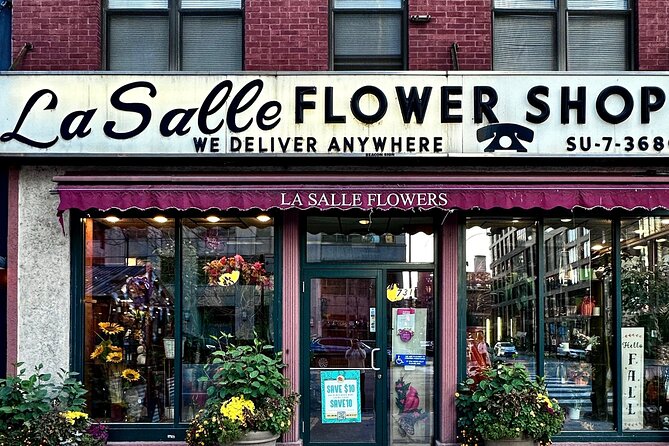
This is listed at $0.00 per person. On paper, that’s the headline. In practice, the value comes from how much access you get for no ticket cost.
- Several stops include free admission (for the time you’re there)
- You also get historical photos of each stop via a free app, which helps you connect the building you see today to the building people experienced back then
What’s not included is equally important. Alcohol is not included, and a few stops are nightlife-focused—so you may spend money if you choose to go inside and order something. The tour ends at a jazz venue area, so it’s easy to tack on dinner or a show after the walk.
If you’re trying to keep a trip budget tight, this tour is a strong choice. If you’re expecting food and drink to be part of the package, plan otherwise.
Quick route facts: start, finish, and timing
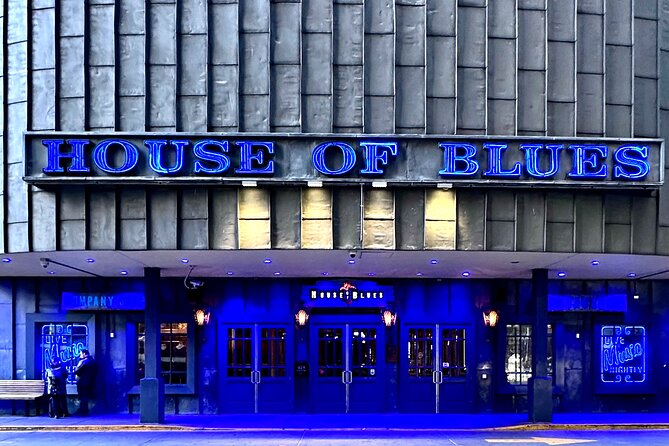
The meeting point is 731 N La Salle Dr, Chicago, IL 60654 with a 6:00 pm start time. The tour ends at Tortoise Supper Club, 350 N State St, Chicago, IL 60654, near the Chicago River by Marina City.
Duration is about 1 hour 40 minutes to 2 hours. That means you’ll want comfortable shoes. There’s walking for the whole stretch, and the pace assumes a moderate fitness level.
Also note the “good weather” requirement. If Chicago decides to rain on your evening, your tour may shift to another date or be refunded.
Stop 1: St. James Cathedral and the Lincoln connection
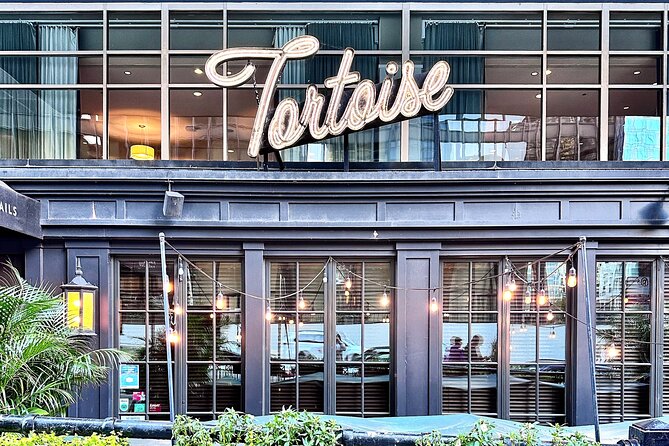
Your first stop sets the tone: Chicago’s big stories, in stone and stained glass. St. James Cathedral ties directly to Abraham Lincoln. After he was elected President in 1860, Lincoln worshipped at St. James shortly after.
Then comes the dramatic Chicago twist. After the Civil War, the church grew. It was enlarged and redecorated on a grander scale, and it was formally rededicated in 1871. A few weeks later, the Great Chicago Fire erupted—leaving the neighborhood with only the stone walls and the bell tower.
The bells matter here. You’re not just hearing about damage; you’re hearing how the bell tower’s bells gave warning to the area during the fire.
What to watch for: if you can see the bell tower clearly from where you gather, it’s worth noting how symbolism and function overlap in older buildings—this is church architecture doing emergency work.
Stop 2: Richard H. Driehaus Museum in the Nickerson House
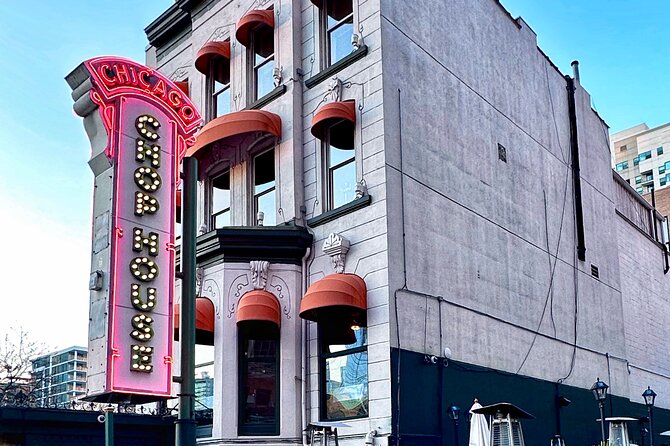
Next is a straight-up wow stop: the Richard H. Driehaus Museum housed in the Samuel M. Nickerson House, built in 1883 for a wealthy Chicago banker.
The mansion was designed by one of Chicago’s earliest prominent architects, Edward J. Burling, working through Burling & Whitehouse. Construction took four years and cost a reported $450,000, which was described as the most expensive and elaborate private residence in Chicago at the time.
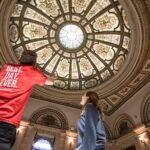
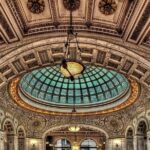
Inside, the materials do the talking. You’ll see interiors featuring marble, onyx, carved woods, glazed tiles, and stained glass. You’re also shown original furnishings from the Nickerson era.
Why this stop is valuable for you: even if you’re not an architecture obsessive, this is a practical lesson in why Chicago mansions became famous. It’s not just size—it’s material choices and craftsmanship, and you get to see those choices laid out in a preserved setting.
Potential drawback: the museum is stunning, but your time is still limited to about 15 minutes. If you want to linger, consider adding personal time before or after the tour.


Stop 3: Murphy Auditorium and the Tiffany doorways
Murphy Auditorium is one of those buildings you notice immediately once you’re told to look for it. It’s a six-story, 32,000-square-foot space built between 1923 and 1926 by the American College of Surgeons.
Two key names show up in the design: Benjamin Marshall and Charles E. Fox of Marshall and Fox. They also designed the Edgewater Beach Apartment building, nicknamed the Pink Palace—so the tour ties one architectural thread to another.
One of the headline moments here is the entrance: a pair of cast bronze doors produced by Tiffany Studios. This is “look with intention” architecture—doors as art, not just hardware.
You also get a bonus. The building was added to the Driehaus Museum’s footprint in 2022, and during the tour you’ll have photos of the interior available.
What to expect: you’ll likely spend your time at key vantage points, focusing on details you’d otherwise miss when walking past.
Stop 4: Tree Studio Complex, the Ivy Room, and artists in residence
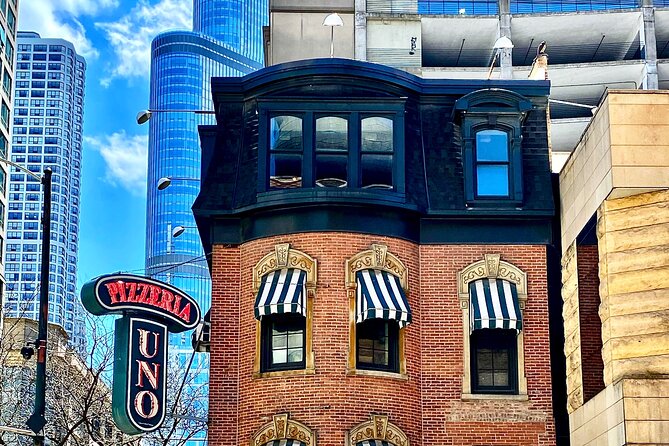
Then you pivot to creativity, not just consumption. The Tree Studio Complex was commissioned in 1894 by Judge Lambert Tree and his wife Anna Field Tree (Anna was the daughter of Marshall Field). The studios were designed as an artists’ residence.
The scale is impressive: it has been home to over 500 artists. You’ll probably recognize one of the most famous spaces here too—the Ivy Room, known for events and weddings.
The tour also names artists connected to the studios, which helps you feel the place as a working creative community rather than a preserved monument. Included among those mentioned are sculptors Albin Polasek and John Storrs; illustrator J. Allen St. John; muralist John Warner Norton; painters like Ruth Van Sickle Ford, John Singer Sargent, and Pauline Palmer; plus actors Peter Falk and Burgess Meredith.
How to make this stop pay off: take note of how the studios connect to the neighborhood around them. This is River North as a creative hub, not just a dining and nightlife zone.
Stop 5: P.O.S.H. and the Parisian flea-market feeling
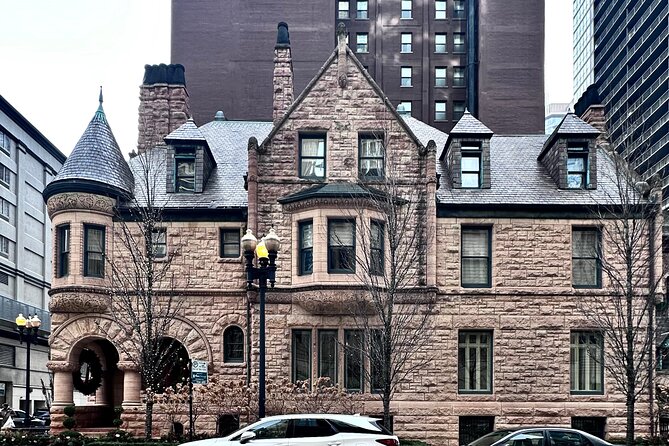
P.O.S.H. is where the tour leans into the “Retro” part of its name. The shop opened in 1997 with a goal of offering something different from mass production.
You step inside and you get a flea-market atmosphere with a Paris-like vibe. The inventory is described as authentic and eclectic, including vintage hotel and estate silver, restaurant china, dinnerware, and a changing mix of European flea market finds.
One nice detail: in the back of the shop you can catch a glimpse into the courtyard of Tree Studios. So even though this stop is retail, it still functions like a bridge to what you just learned.
If you’re a shopper: this is a good place to browse slowly, even if you don’t buy.
If you’re not: you’ll still enjoy it for the visual design and the sense of how “old objects” keep circulating through Chicago life.
Stop 6: Redhead Piano Bar and vintage neon after 6 pm
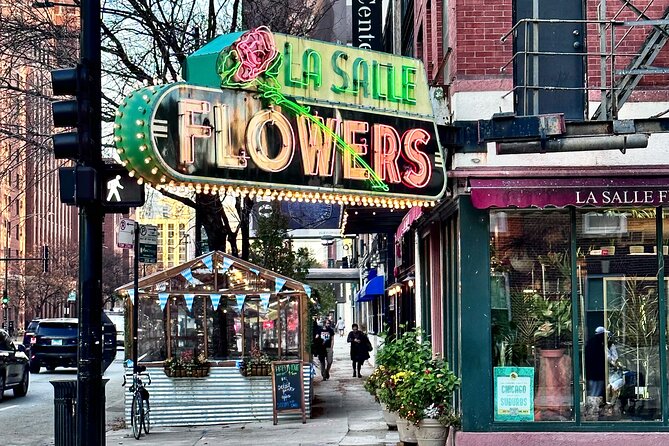
The tour then shifts gears toward nightlife energy—without abandoning the design focus. Redhead Piano Bar is praised for having one of the coolest vintage neon signs in the city.
It’s tucked on Ontario Street and has operated as a neighborhood mainstay since 1993. The bar is known for nightly live piano music, making it a place for upbeat performances, conversation, and meeting people.
This is a cocktail piano bar, dressed up with yesteryear memorabilia. If you like places that feel themed but still local, this is the kind of stop that’s easy to remember later when you’re walking the neighborhood on your own.
Budget tip: the tour says admission here is not included, and alcoholic beverages are not part of the tour package. If you want one drink while you listen, price it into your evening plan.
Stop 7: Hard Rock Cafe Chicago and music memorabilia scale
Hard Rock Cafe Chicago is hard to miss thanks to the giant iconic guitar that illuminates the parking lot.
This location has been around for more than 30 years as a dining, entertainment, and shopping destination. It mixes funky style with legendary food, drinks, live music, and music history. If you’ve seen Hard Rock elsewhere, the vibe will feel familiar—but it still makes sense as a Chicago stop because the tour is tracing how popular culture grew into a landmark category too.
The walls are lined with music memorabilia curated by Hard Rock International, described as the world’s largest curator of music memorabilia. The tour highlights pieces connected to legends like Billy Joel, Buddy Guy, Jimi Hendrix, and Prince.
Why it works on this tour: it shows a different kind of “historic” place—less about 1800s construction and more about how music identity becomes an attraction.
Stop 8: House of Blues Chicago and Unity in Diversity
The last stop turns toward values and community through music. House of Blues Chicago was founded about 30 years ago, with a mantra: Unity in Diversity.
The tour framing focuses on peace, love, community, and acceptance, and how that message keeps evolving. It also highlights the organization’s commitment to advocating for human expression, racial equality, and spiritual harmony.
Even if you don’t stick around for a show, this stop adds context. It’s a reminder that Chicago’s cultural identity isn’t only about architecture and commerce; it’s also about what venues stand for.
What the tour app adds (and why it matters)
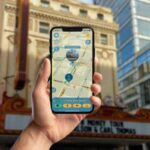
One of the smartest parts here is that the tour includes historical photos through a free app. That matters because River North can look timeless from far away. A photo helps you see what changed and what stayed.
It also gives you a clean way to take notes without writing a novel on your phone. You get to glance, compare, and move on.
If you like your travel experiences to leave you with sharper mental images, this feature makes the tour feel more useful than a simple photo walk.
Who this walking tour is best for
This tour suits you if you want:
- an easy evening plan that mixes architecture and neon signs
- a no-cost way to learn River North’s stories
- a guided walk that keeps stops short (about 15 minutes each)
It also helps if you’re traveling with limited time and want a route that touches several types of places: cathedral, museum, artist studios, and live-music venues.
You might not love it if you only want quiet, strictly academic history. The nightlife stops mean the tour leans into the feeling of River North after dark.
Should you book the Retro River North Walking Tour?
Yes, if you want the best value kind of experience: a free, small-group night walk that teaches you what you’re actually seeing. The mix of St. James Cathedral, the Driehaus Museum interiors, Murphy Auditorium’s Tiffany doors, and the Tree Studios artist legacy gives you variety that feels intentional. Add neon sign stops and live-music neighborhoods, and the whole route feels like Chicago with both decades and energy.
I’d book it particularly if you’re the type who notices design details. If you’re not sure you’ll enjoy museums, don’t panic: the stops are short, and the guide’s style (often praised as energetic and design-focused) keeps the stories moving.
FAQ
FAQ
How long is the Retro River North Walking Tour?
The tour runs about 1 hour 40 minutes to 2 hours.
Is the tour free?
Yes. The price is listed as $0.00 per person.
Where does the tour start and end?
It starts at 731 N La Salle Dr, Chicago, IL 60654 and ends at Tortoise Supper Club, 350 N State St, Chicago, IL 60654 near the Chicago River.
When does the tour run?
The start time listed is 6:00 pm.
What’s included with the tour?
You get historical photos of each stop in a free app.
Are museum and other admissions included?
Some stops list admission as free, including St. James Cathedral, Richard H. Driehaus Museum, the Murphy Auditorium, Tree Studio Complex, and P.O.S.H.
Other stops state admission is not included, including Redhead Piano Bar, Hard Rock Cafe Chicago, and House of Blues Chicago.
Is alcohol included?
No. Alcoholic beverages are not included with the tour ticket.
Is the tour good for people using public transportation?
Yes. The tour is listed as near public transportation.
Do you need good weather?
Yes. The experience requires good weather. If canceled due to poor weather, you’ll be offered a different date or a full refund.
Is there a limit on group size?
Yes. The tour has a maximum of 8 travelers.