REVIEW · CHICAGO
Chicago River Guided Ghost Tour
Book on Viator →Operated by Chicago Boat Company · Bookable on Viator
Spooky stories meet real Chicago landmarks on the river. This guided boat tour is a quick, two-hour mix of history and the city’s darker legends, paced around famous spots like the Great Fire site and the John Hancock area. I love that the guide connects what you see outside the windows to what went wrong in Chicago, and I also like the practical setup onboard: coolers and ice are included, and you can bring your own drinks and food.
One thing to plan for: it runs outdoors on the water, so weather matters. If conditions are poor, the operator may switch dates or refund you, so keep an eye on the forecast for the day you book.
In This Review
- Key Things to Know Before You Go
- Price and what $65 really buys you
- Meeting at Sweet Home Gelato on the Riverwalk
- Onboard comfort: coolers, ice, and a no-glass rule
- The route: where the stories start on the Riverwalk
- Fort Dearborn: the first American settlement site
- Jean Baptiste Point Du Sable’s cottage on the north side
- The John Hancock area: 875 N Michigan Ave and a curse
- The Great Chicago Fire starting point
- A Great Lakes maritime disaster: over 800 perished
- Guides and the vibe: Captain Monica, Kelli, and Paris
- Views, timing, and what you’ll actually see
- Who should book this ghost tour (and who might prefer something else)
- Should you book the Chicago River Guided Ghost Tour?
- FAQ
- How long is the Chicago River Guided Ghost Tour?
- How much does the tour cost?
- What is included in the ticket price?
- Can I bring drinks or snacks?
- Where does the tour start?
- Is the tour offered in English?
- What happens if the weather is bad?
Key Things to Know Before You Go
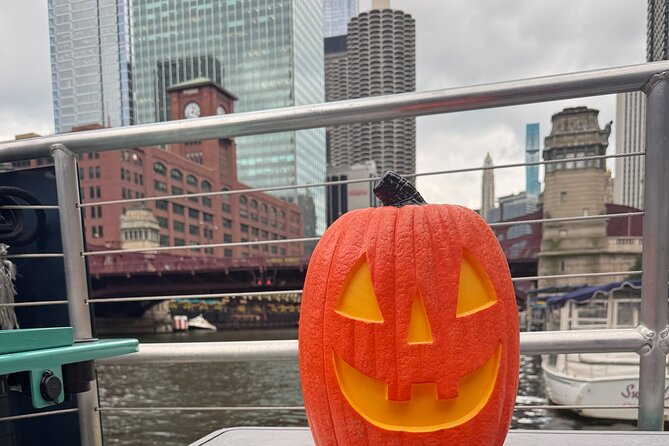
- Small group size (max 18) makes it easier to hear stories and ask questions.
- English-speaking guide keeps the spooky details clear and easy to follow.
- Coolers and ice are included, so you can BYO drinks without doing everything from scratch.
- No-glass rule onboard keeps things safer on a boat.
- Two sides of the river get attention, with stops both north and south.
- Local names show up (like how Chicago locals still call 875 N Michigan Ave the John Hancock).
Price and what $65 really buys you
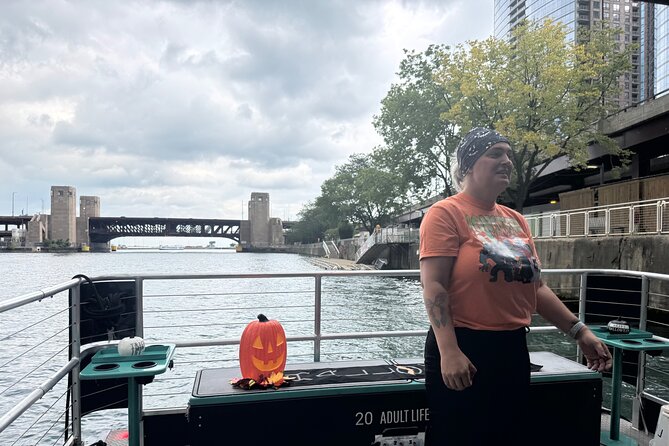
At $65 per person for about two hours, this isn’t the cheapest thing you can do in Chicago. But you’re paying for two values at once: (1) a guide who ties together landmarks and scary backstories, and (2) the simple fact that you’re seeing the city from the river, which you can’t replicate on foot.
Also, the “bring your own” part helps. Drinks and snacks aren’t included, but you’re allowed to bring them aboard as long as you skip glass. With coolers and ice provided, you can keep a beverage cold without hunting for an expensive onboard purchase.
If you like your sightseeing with a point of view, this is a solid price. If you only want quiet, daytime views, a more standard sightseeing cruise may feel more directly aligned with your goals.
You can also read our reviews of more guided tours in Chicago


Meeting at Sweet Home Gelato on the Riverwalk
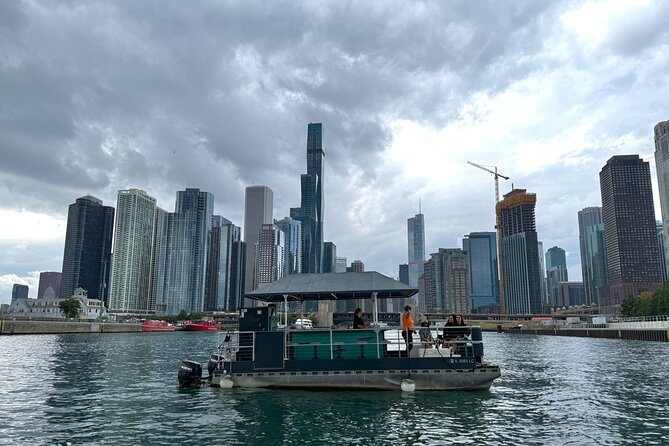
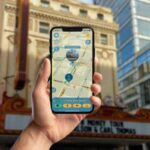
The tour starts at Sweet Home Gelato, 151 W Riverwalk, Chicago, IL 60601. That’s a good location for two reasons: you’re right by the river, and it’s easy to anchor your timing around the Riverwalk area.
Start time is 1:00 pm, and the tour ends back at the meeting point. You’ll get a mobile ticket, and confirmation is sent within 48 hours of booking, depending on availability.
This part is worth doing carefully: arrive a bit early so you can settle in before the captain gets going. On a two-hour tour, minutes add up.
Onboard comfort: coolers, ice, and a no-glass rule
This is the kind of boat experience where small details matter. You’ll be glad to know coolers and ice are included, because you can actually bring drinks and keep them chilled instead of just hoping your cooler skills are top-notch.
You’re welcome to bring:
- Your own drinks
- Your own food/snacks
The rules are simple: no glass onboard. That’s not just bureaucracy. On a moving boat, glass is a risk, so following the rule helps keep the vibe fun and safe.
Also, the experience supports service animals, and it’s described as doable for most travelers. The group size is capped at 18, which usually means less elbow-to-elbow crowding than you’d expect on bigger tours.
The route: where the stories start on the Riverwalk
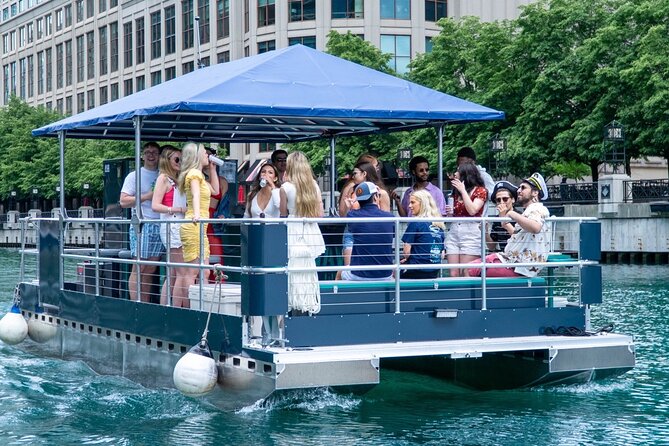
Right away, you cruise past the river area you already recognize: walkable, photo-friendly, and full of weekday energy. The guide doesn’t just tell you what you’re seeing. They also point out the darker side of Chicago’s past, including mass murders and tragic deaths.
Why that matters: it turns the Riverwalk from background scenery into a living timeline. Instead of a one-note “ghost” theme, you get a story that uses the city’s physical geography to guide the mood.
If you’re new to Chicago, this is a smart first lesson. You get the lay of the land fast, and you start noticing how Chicago’s riverfront neighborhoods line up with major events.
Fort Dearborn: the first American settlement site
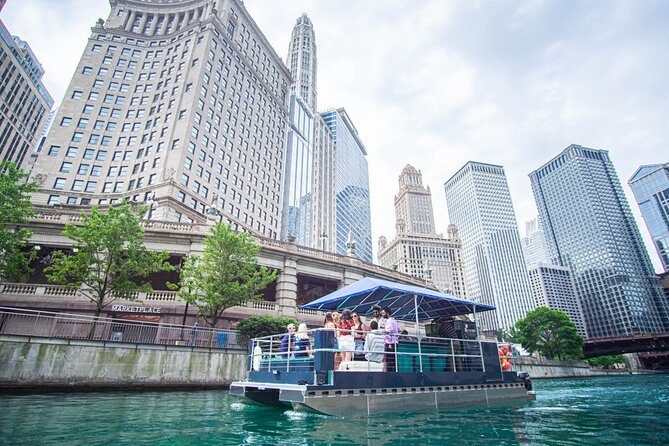
Next, you head to the south side of the river and focus on the site where Fort Dearborn once stood. Even if you don’t know Chicago’s early timeline, this stop helps you understand something important: the river wasn’t just pretty. It was strategic.
From a traveler’s viewpoint, this is one of the best kinds of stops. You’re not just hearing names. You’re learning why the city formed where it did, and how early power decisions shaped what came later.
A small caution: because this is tied to a historical site rather than a preserved building you can walk through on this cruise, part of the experience is visual + interpretive. You’re seeing the location and hearing context, not touring ruins.



Jean Baptiste Point Du Sable’s cottage on the north side
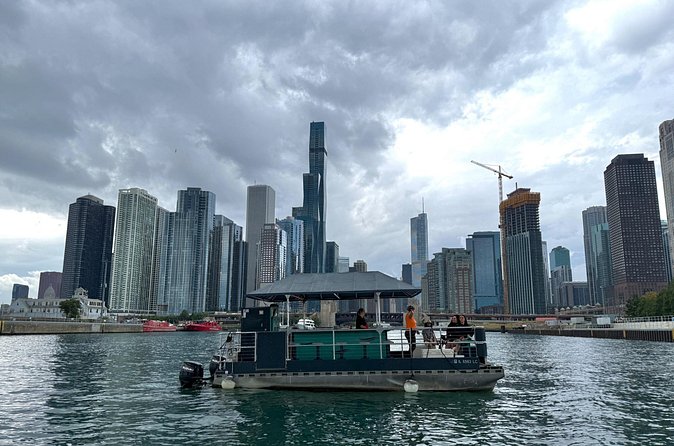
Then the tour shifts to the north side for Jean Baptiste Point Du Sable’s cottage site. Du Sable is a key figure in Chicago’s founding story, and this stop puts a human face on the early era rather than keeping things purely military or disaster-focused.
I like how this balances the tone. After the early settlement stop on the south side, you get a different perspective on who lived here and how the area developed.
Again, you’re not visiting an interior. You’re receiving context from the water and using the skyline and riverbanks as your reference points. If you enjoy learning by looking, this works well.
The John Hancock area: 875 N Michigan Ave and a curse
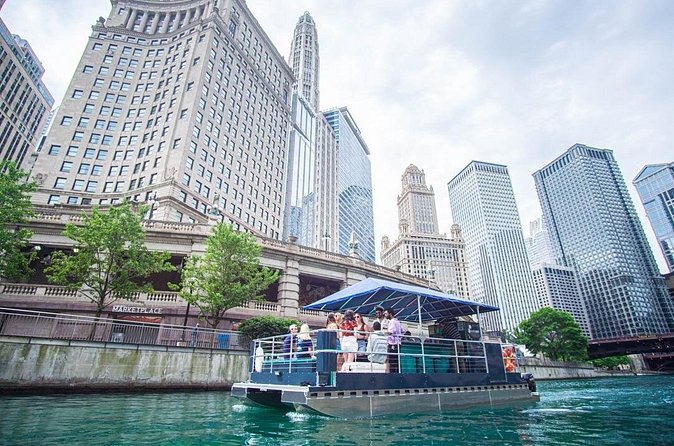
One of the more famous architectural moments on the tour is the area locals still call by nickname: 875 N Michigan Ave, known as the John Hancock. By the Chicago Locks, you get glimpses of a major skyline feature, plus the guide’s take on the stories and superstition attached to the building and the land around it.
Why this stop is fun: it’s where the tour leans more into legend. You’re still grounded in real place names, but the mood shifts toward mystery, and that’s usually what people hope for from a ghost tour.
Possible drawback: if you’re only interested in documented history and facts, the curse theme may feel like seasoning rather than the main course. But it’s also what keeps the tour from being a standard “Chicago landmarks” cruise.
The Great Chicago Fire starting point
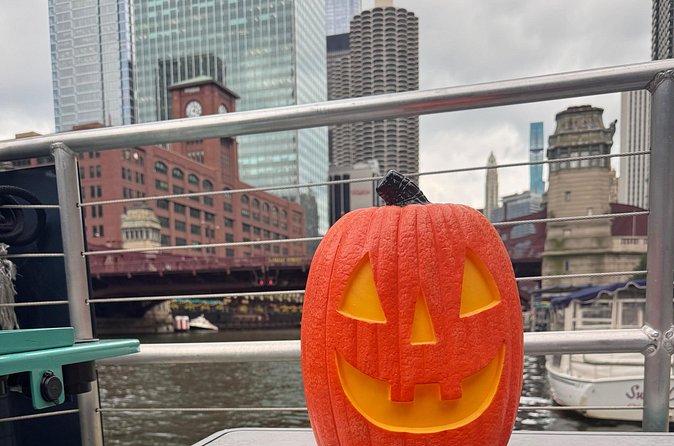
After that, you focus on a site where the 1871 Great Chicago Fire started. This is a heavy moment in the narrative, and the guide’s pacing matters here.
This stop is valuable because the Great Fire is one of those events you hear about in Chicago, but it can stay abstract until you connect it to specific spots. Seeing it from the river makes it easier to picture how quickly the city changed.
If you’re sensitive to tragic themes, you might want to mentally brace for this part. The tour frames it as history with consequences, not as shock value.
A Great Lakes maritime disaster: over 800 perished
The final major historical anchor is the site tied to a disaster sometimes described as the largest maritime disaster on the Great Lakes, where over 800 people perished.
This is the stop that gives the tour its emotional weight. The river and shoreline may look calm, but the story reminds you that water brings danger too, not just scenery.
If you’re the type who likes ghost stories but also wants the “why” behind the eerie feeling, this disaster-based stop can hit harder than purely supernatural claims. It’s the kind of moment where the “ghost” concept becomes metaphor: memory that won’t fade.
Guides and the vibe: Captain Monica, Kelli, and Paris
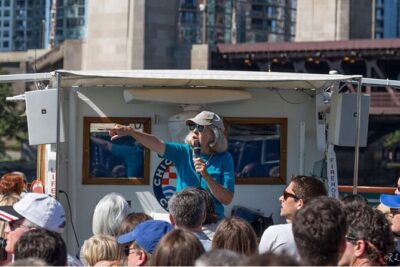
The standout theme in the experience is the way the crew keeps things lively while staying safe. Names you might hear associated with the tour include Captain Monica and Kelli as guide captains, and Paris as a boat driver noted for rapport with passengers.
That combination matters because a ghost tour is only scary if it’s fun enough to keep people listening. A good captain keeps the group calm, helps with spacing on the boat, and makes sure the timing works so everyone catches the landmark views.
From what you’re likely to feel during the cruise, it’s a balanced mix:
- history that gives the stories context
- mystery and mayhem that makes the tour memorable
- enough room for casual conversation so it doesn’t feel like a lecture
Views, timing, and what you’ll actually see
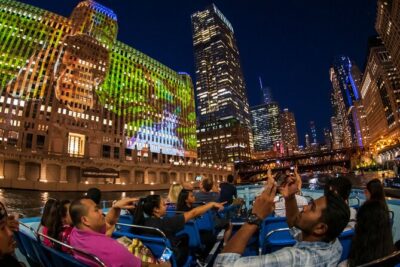
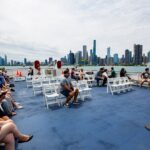
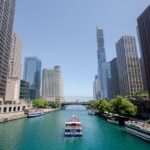
You’ll cruise past major areas of the Chicago Riverwalk, then work your way through both sides of the river for specific sites. Since the total time is around two hours, you’re not doing long transit segments. The tour is built around story stops, quick repositioning, and frequent sightlines.
The sightseeing payoff is straightforward: you get skyline and riverfront angles without needing to plan multiple stops on your own. If you want a Chicago “best-of” that doesn’t eat your whole day, this fits well.
One more practical point: bring layers if you tend to get cold on water, even in nice weather. The tour is weather-dependent, and being comfortable makes the stories land better.
Who should book this ghost tour (and who might prefer something else)
This tour is a great fit if you:
- enjoy guided storytelling tied to real places
- want a Chicago activity that mixes history + mystery
- like the idea of bringing your own snacks and drinks without hunting for a restaurant first
- appreciate small groups (max 18)
You may want to skip it (or choose a different format) if you:
- prefer purely factual history with no curse/legend tone
- dislike boats or open-air rides
- want a long, slow sightseeing day rather than a fast two-hour story circuit
If you’re traveling with friends, it’s also a good social activity. The tone tends to be relaxed, and the best tours in this style make people laugh while they learn.
Should you book the Chicago River Guided Ghost Tour?
I think it’s a strong booking when you want Chicago to feel like a story. The mix of landmark stops—Fort Dearborn, Jean Baptiste Point Du Sable’s cottage site, the John Hancock area by the Chicago Locks, the Great Fire starting point, and a massive Great Lakes tragedy—gives the tour more backbone than a typical “spooky ride.”
Book it if you’ll enjoy a guided narrative and you like the idea of pairing views with the city’s uncomfortable past. If you’re on a tight budget, $65 may sting, so compare it to a standard sightseeing cruise. But if you’ll actually use the BYO setup and enjoy the guide-led mystery, the value gets better fast.
FAQ
How long is the Chicago River Guided Ghost Tour?
It lasts about 2 hours.
How much does the tour cost?
The price is $65.00 per person.
What is included in the ticket price?
Included are coolers and ice plus a local guide. The tour also allows you to bring your own drinks and food aboard.
Can I bring drinks or snacks?
Yes, you can bring your own drinks and snacks/food, but no glass is allowed onboard.
Where does the tour start?
The meeting point is Sweet Home Gelato, 151 W Riverwalk, Chicago, IL 60601. The tour ends back at the same location.
Is the tour offered in English?
Yes, it’s offered in English.
What happens if the weather is bad?
This experience requires good weather. If it’s canceled due to poor weather, you’ll be offered a different date or a full refund.