REVIEW · CHICAGO
Illinois Holocaust Museum Experience360 Admission
Book on Viator →Operated by Illinois Holocaust Museum and Education Center · Bookable on Viator
A VR and hologram lesson you won’t forget. Illinois Holocaust Museum’s Experience360 is a guided run through major moments of the Holocaust and World War II, with 360-style VR and holographic survivor conversations that push you from information into reflection.
I love how it layers storytelling. You start with a Northern Trust Virtual Reality Theater journey through survivors’ childhood hometowns and places of hiding, then you move to the ITW Stories of Survival: Object. Image. Memory exhibition where personal artifacts and written testimonies do the talking. I also like the built-in chance to ask questions during the experience, and the museum’s staff show up with real care, including guides like Tom and presenters such as MJ and Val, plus the kind of family-linked stories you hear from people like Michael.
One consideration: the museum is serious and somber, and it’s not recommended for children under 12, so plan for an emotionally steady pace.
In This Review
- Key things to know before you go
- Why Experience360 feels different from a standard museum visit
- Price and value: what $12 really buys you
- When to schedule it in your Chicago day
- Call-to-Action Gallery: getting your bearings before the technology
- Karkomi Foundation Gallery: the WWII frame and what it helps you notice
- Northern Trust Virtual Reality Theater: survivors’ hometowns and hiding places
- ITW Stories of Survival: Object. Image. Memory and why it matters
- Holographic survivor conversations: interactive, not one-way
- Your museum time after Experience360: access to everything inside
- Accessibility, travel ease, and who can participate
- Staff support and the value of asking questions
- Practical tips so you get more out of the visit
- Who should book Illinois Holocaust Museum Experience360
- Should you book Experience360 at the Illinois Holocaust Museum?
- FAQ
- How long does Illinois Holocaust Museum Experience360 take?
- What does my admission ticket include?
- Is this experience suitable for children?
- What are the opening hours?
- Is it easy to get there without a car?
- Can I cancel for a refund?
Key things to know before you go
- VR first, meaning built in: a panoramic, survivor-centered journey through childhood homes and hiding places
- Hologram conversations you can question: interactive, human-facing storytelling rather than one-way narration
- Objects and testimony, not just dates: ITW Stories of Survival uses artifacts and written accounts to ground the history
- Included museum-wide access: Experience360 admission also gets you into all the museum’s exhibitions
- Flexible timing: expect about 1 to 2 hours, with daily hours from 10:00 AM to 5:00 PM
Why Experience360 feels different from a standard museum visit
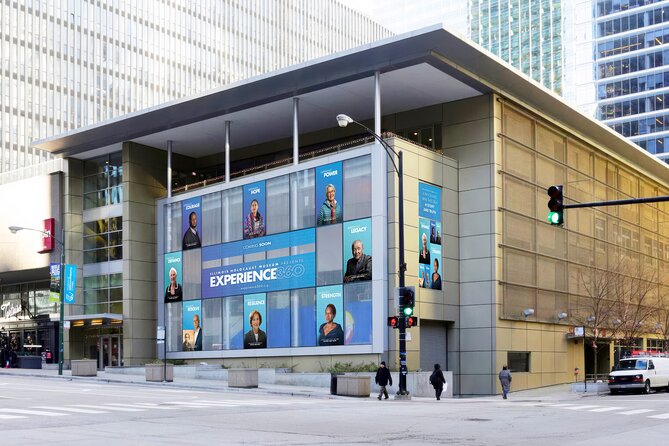
Experience360 at the Illinois Holocaust Museum is built to do more than show you panels and artifacts. It uses technology for a reason: to help you connect. The format moves you through clear sections, then lands you in moments designed to feel personal—like you’re hearing from people, not studying a topic.
At a visit length of about 1 to 2 hours, it’s also realistic. You can fit it into a Chicago day without turning it into your whole schedule. And at $12 per person, it’s priced like an intentional educational stop, not a big splurge.
The biggest win is the mix: VR storytelling + holographic survivor conversations + full museum exhibitions. You don’t have to choose between “learning” and “feeling.” The experience is structured so one supports the other.
You can also read our reviews of more museum experiences in Chicago



Price and value: what $12 really buys you
$12 can’t buy much in many cities. Here, it buys a lot of time in a well-paced sequence: VR, an object-based exhibition, interactive holograms, and then access to the museum’s exhibitions.
What makes it good value is the balance. You’re not paying just for one show. Experience360 is a thread that ties together multiple parts of the museum—so the ticket functions like a full mini-curriculum rather than a quick attraction.
If you’re a history lover, it can also help you avoid the most common museum problem: leaving with facts but no framework. This experience gives you a guided route through the museum’s message, then reinforces it with artifacts and testimony.
When to schedule it in your Chicago day
The museum runs daily from 10:00 AM to 5:00 PM (during the stated operating window). Since the visit is about 1 to 2 hours, I’d treat it like a main event, not a side stop.
If you like calmer mornings, go earlier in the day. If you need a slower emotional landing, give yourself time before or after. The subject matter is heavy, and the experience is designed to be reflective—not a “walk-through and forget” type of visit.
Also, a detail that matters: you’ll get a mobile ticket. Plan to have your phone charged, since you’ll want easy access to your ticket when you arrive.
Call-to-Action Gallery: getting your bearings before the technology
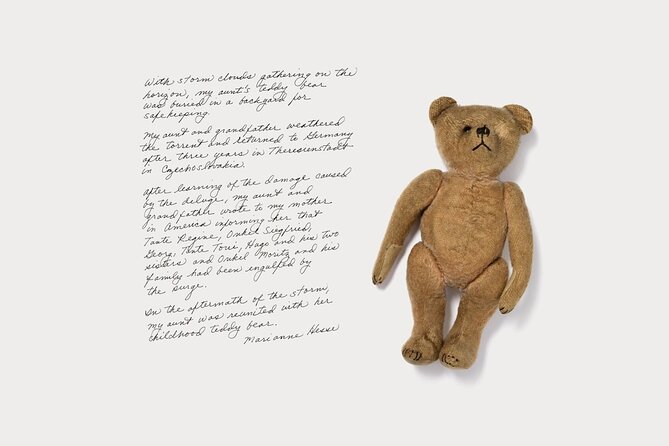
The Experience360 journey starts in a Call-to-Action Gallery, where you learn why a Holocaust Museum was founded in Skokie. That opening matters because it frames the experience in real community terms, not just global history.
Instead of jumping straight into the most emotional scenes, you’re given context first. It’s like getting the map before you enter the maze. You understand why the museum exists, then you can better follow what the later sections are trying to communicate.
If you’re the type who likes to know why a place is set up the way it is, this start will feel purposeful. If you want to jump right to the most intense content, you still won’t feel stuck—the gallery works as a short setup, not a long detour.
Karkomi Foundation Gallery: the WWII frame and what it helps you notice
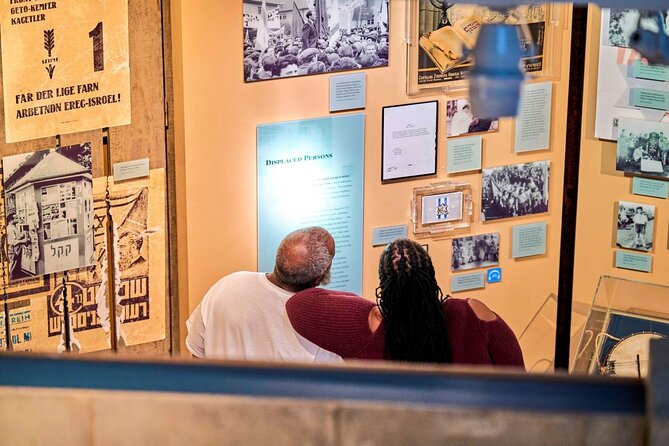
Next comes the Karkomi Foundation Gallery, described as an overview of the Holocaust and World War II. This part gives you the historical backbone for everything that follows.
What I like about this ordering is that it helps your brain organize the rest. VR and holograms are powerful, but they also bring scenes into focus. The gallery context gives you meaning for those scenes—so you’re not just impressed by the tech.
There’s also an emphasis on inviting reflection and respect across backgrounds. One of the best outcomes of this kind of framing is that the museum doesn’t treat the Holocaust as an isolated topic you file away. You’re positioned to think about humanity, memory, and responsibility.






Northern Trust Virtual Reality Theater: survivors’ hometowns and hiding places
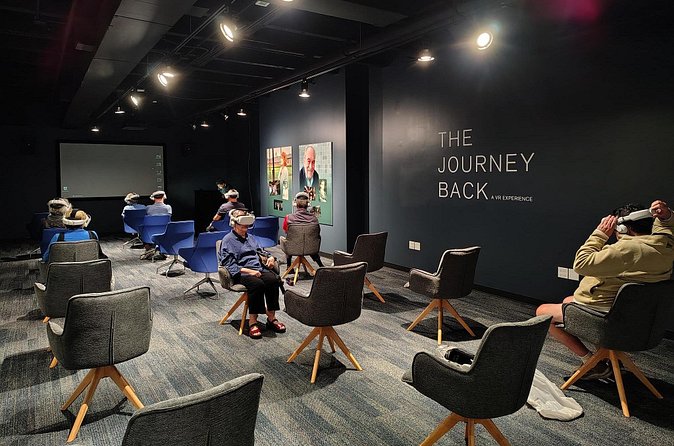
Then you enter the Northern Trust Virtual Reality Theater. This is where Experience360 uses VR to accompany survivors through their childhood hometowns and places of hiding.
VR can be a distraction when it’s used for spectacle. Here, the focus is different: the technology is a tool to create scale and perspective, so you can sense what it means to be in a place where safety is not guaranteed. The goal isn’t to entertain you. It’s to help you understand what survival looked like in lived space and lived time.
After the VR, the experience flows into the museum’s exhibition areas, so the tech doesn’t stand alone. You get a chance to process what you just saw with artifacts and testimony.
ITW Stories of Survival: Object. Image. Memory and why it matters
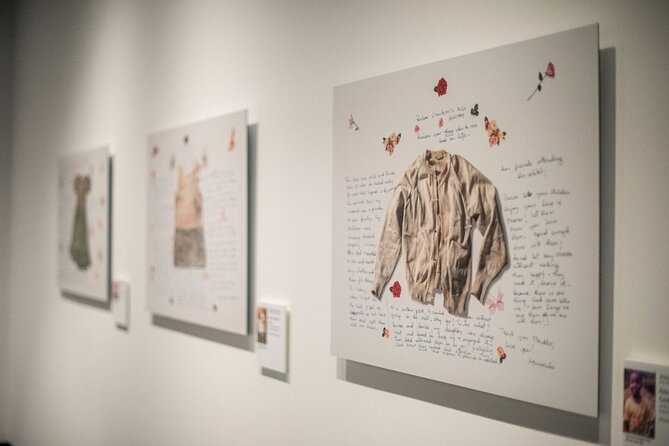
One of the most important parts of the Experience360 arc is ITW Stories of Survival: Object. Image. Memory. This section uses personal artifacts alongside written testimony.
This is where the experience can feel grounding. Dates and structure teach you. Objects teach you differently. A held item, a described image, a written account—those are details that make the story harder to reduce to numbers.
If VR made the history feel present in space, this gallery makes it present in evidence. It’s also where the emotional weight tends to land. People often need a slower pace here, so don’t rush.
And if you’re the kind of visitor who likes to understand how museums balance emotion with proof, this section is worth your time. It’s designed to support empathy and respect while keeping the message anchored.
Holographic survivor conversations: interactive, not one-way
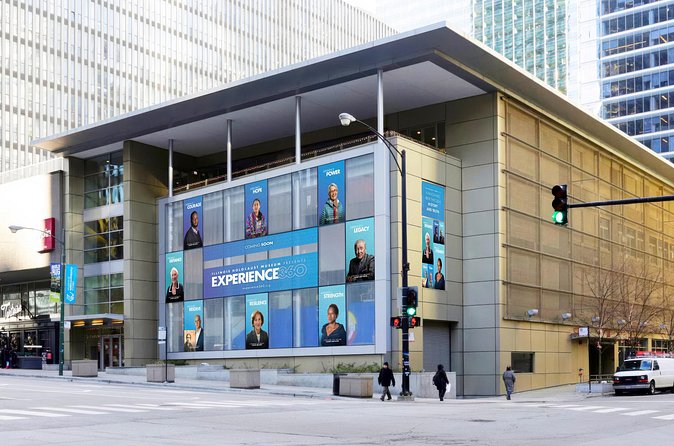
The final major piece is interactive holographic conversations with Holocaust Survivors. This is the part that can feel most human—because it’s structured around communication, including the chance to ask questions.
That interaction changes the tone. Instead of passive consumption, you get a dialogue style. It’s also a practical help: questions can push the experience from general understanding to personal comprehension. You might leave with clearer answers on themes you didn’t even realize you needed to ask about.
This is also where staff support really matters. The experience encourages visitors of all backgrounds to engage, and the staff’s job is to keep you oriented and thoughtful. In the past, presenters such as MJ and Val have been singled out for being informative and kind while handling questions.
And yes, hearing family-linked stories can hit hard. One second-generation survivor experience shared by Michael is an example of how this section can create a direct personal connection, including goosebump moments and silence.
Your museum time after Experience360: access to everything inside
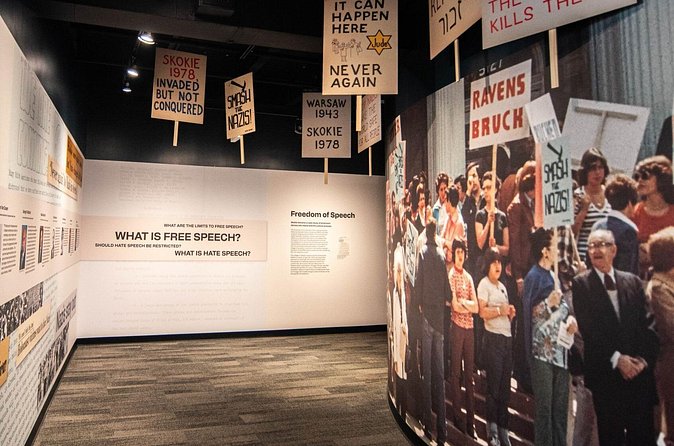
Experience360 admission includes access to all the museum’s exhibitions. That means your visit can grow beyond the tech-driven core.
This is a smart setup for visitors who want both kinds of learning: the fast-moving guided Experience360 sequence and the option to slow down once you understand the museum’s main themes. If you don’t have a lot of time, you can focus on the sections that align with what moved you most in VR and the object exhibit.
A useful note: the museum includes material that can reach beyond the Holocaust alone, helping broaden your understanding of genocide and historical context. If you’re worried about the visit being too narrow, that’s one reason this place works for a wider range of interests.
Accessibility, travel ease, and who can participate
Most visitors can participate, and the museum allows service animals. It’s also near public transportation, which helps if you don’t want to build a car plan into your day.
There’s one age guideline: it’s not recommended for children under 12. That’s not a “short attention span” issue. It’s about the emotional intensity and subject matter.
If you’re going with teens or adults, it’s generally a strong fit. If you’re going with younger kids, you might consider whether another Chicago option would better match the family’s needs.
Staff support and the value of asking questions
A standout theme is the permission to ask. The experience includes lots of opportunities to ask staff questions throughout the journey, and the museum is ready for curious minds.
That matters because questions help you stay active, not swept along. If you’re someone who worries you might ask something “too basic,” don’t. The best learning moments often start there.
Also, if you want a more guided feel, look for guided tours of the main space after the VR experience. Staff-led follow-ups can help tie the technology to the broader museum content.
Practical tips so you get more out of the visit
Bring tissues. The museum experience can be emotionally intense, and it’s completely normal if you feel it.
Plan your pacing. The visit is about 1 to 2 hours, but that doesn’t mean you should rush from room to room. If you need a minute, take it.
If you’re a “photograph everything” type, be mindful that this is a place for reflection. Some areas may be hard to photograph appropriately, and you may find that your best memories are the quiet ones.
Most of all: treat it like a learning and reflection stop, not a quick exhibit check. You’ll get more if you let yourself slow down when you hit the object and hologram sections.
Who should book Illinois Holocaust Museum Experience360
Book this if you want:
- A museum visit that uses VR and holograms in a serious, educational way
- Access to the museum’s full exhibitions, not just a single attraction
- A chance to ask questions and get direct human answers
- A structured path through Holocaust and WWII history that supports reflection
Skip or reconsider if:
- You’re traveling with children under 12
- You want a light, entertainment-only stop
- You’re not ready for emotionally heavy content
This one fits best with adults and teens who are open to learning through both history and personal testimony.
Should you book Experience360 at the Illinois Holocaust Museum?
Yes, if you’re looking for a strong value experience that goes beyond facts on walls. For $12, you get VR, object-based testimony, interactive hologram conversations, and the ability to explore the rest of the museum too. That’s a lot of meaning for a short time.
I’d especially recommend it if you like structure. The museum doesn’t just throw you into exhibits. It guides you through a sequence that helps the story land in your head—and then in your heart.
If you’re unsure whether VR or holograms will feel too intense, remember: the museum pacing and the chance to ask questions can help you stay steady.
FAQ
How long does Illinois Holocaust Museum Experience360 take?
Plan on about 1 to 2 hours for the experience.
What does my admission ticket include?
Your admission includes entry to Illinois Holocaust Museum Experience360 and access to all of the museum’s exhibitions.
Is this experience suitable for children?
It’s not recommended for children under 12.
What are the opening hours?
The museum is open daily from 10:00 AM to 5:00 PM (Monday through Sunday).
Is it easy to get there without a car?
Yes. The museum is near public transportation, and service animals are allowed.
Can I cancel for a refund?
Yes. You can cancel for a full refund if you cancel at least 24 hours before the experience’s start time. If you cancel within 24 hours, the amount paid is not refunded.