
REVIEW · CHICAGO
Chicago Walking Tour: Tiffany Treasures
Book on Viator →Operated by Chicago Architecture Center · Bookable on Viator
Chicago’s stained glass isn’t just pretty, it’s a clue. On this Tiffany Treasures walking tour, I like that you focus on Louis Comfort Tiffany–era glass in real downtown landmarks, not generic museum stuff. I also like the small-group setup (max 10), which makes it easier to ask questions and get close to the details. One drawback to plan for: it’s still city-walking on sidewalks, and you’ll need a moderate pace to stay with the group.
You meet in the morning-of-the-city buzz—afternoon start, short segments, then you wrap at the Marquette Building. Expect mosaics, vaults, domes, and light fixtures, plus a clear explanation of how these works were made and how restoration helps them survive. If you’ve got mobility limits or trouble with moving through busy streets, it’s worth weighing that before you book.
In This Review
- Key Points You’ll Actually Care About
- The Tiffany Treasures Idea: Stained Glass You Can See Without a Ticket Maze
- Meeting at the Chicago Cultural Center: Where the Tour Starts to Make Sense
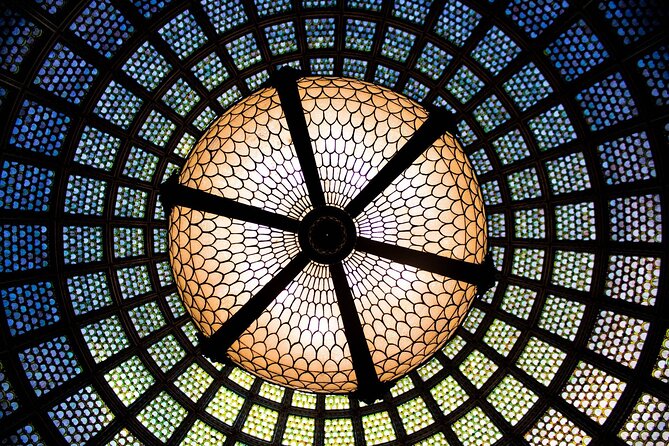
- Stop 1: Chicago Cultural Center and Those Wow-You-Can’t-Believe-It Domes
- Marquette Building Exterior: Post-Fire Chicago’s Taste for Glassy Drama
- Macy’s on State Street: Learning to Spot Tiffany Connections on a Busy Block
- Stop 4: Chicago Architecture Center Galleries—Turn “Cool Facts” into Lasting Memory
- Why the Small-Group Cap (10) Makes the Glass Experience Better
- Walking Pace, Sidewalk Crowds, and the One Real Drawback
- Restoration and Context: What You Learn Beyond the Pretty Colors
- Guides You Might Get: Real People, Real Energy
- Price and Value: $35 for a Focused Architecture Education
- Who This Tour Suits Best (and Who Should Rethink)
- Should You Book Tiffany Treasures?
- FAQ
- How long is the Tiffany Treasures walking tour?
- How much does the tour cost?
- How many people are in the group?
- Where do I meet the guide?
- Where does the tour end?
- What’s included in the ticket price?
- Is the ticket mobile?
- Can I cancel for a full refund?
- Are pets allowed on the tour?
Key Points You’ll Actually Care About

- Max 10 people means you’re not fighting a crowd for a close look at the glass.
- Certified Chicago Architecture Center guide keeps the story grounded in buildings, not just art trivia.
- Tiffany-era details: mosaics, vaults, domes, and light fixtures appear in public spaces.
- You see landmarks beyond the usual photos—the kind most visitors walk past.
- Admission to the Chicago Architecture Center galleries is included so you can keep the momentum after the walk.
- Mobile ticket makes check-in straightforward once you’re standing in the right lobby.
The Tiffany Treasures Idea: Stained Glass You Can See Without a Ticket Maze
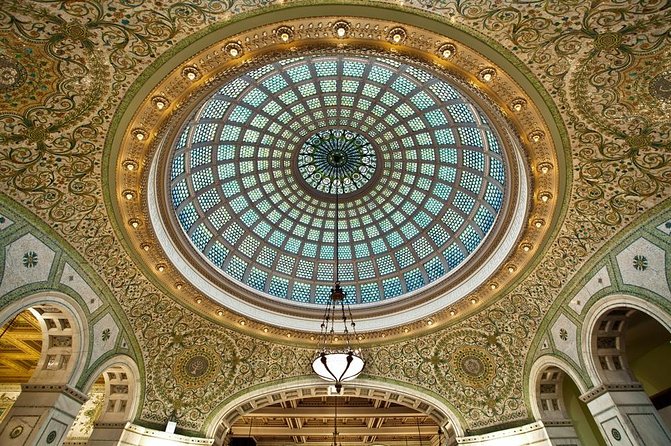
Chicago has a habit of making you look twice. One street corner can hide an entire chapter of late-19th-century design in plain sight. This tour is built around that feeling: you walk to several landmark buildings and focus on the glass works associated with the Tiffany Glass and Decorating Company and Louis Comfort Tiffany’s circle.
The big value is that you’re not just staring at stained glass like it’s a relic. Your guide connects the artwork to the architecture and the city’s evolution—how these pieces shaped rooms meant for everyday public life. That changes the way you notice things when you’re back out on the sidewalks.
You’ll also appreciate the format: a 1 hour 30 minutes walk, short stops, and enough time indoors and at building entrances to keep it from turning into an all-day march. It’s a great “architecture snack” for trips that are already packed.
You can also read our reviews of more walking tours in Chicago



Meeting at the Chicago Cultural Center: Where the Tour Starts to Make Sense
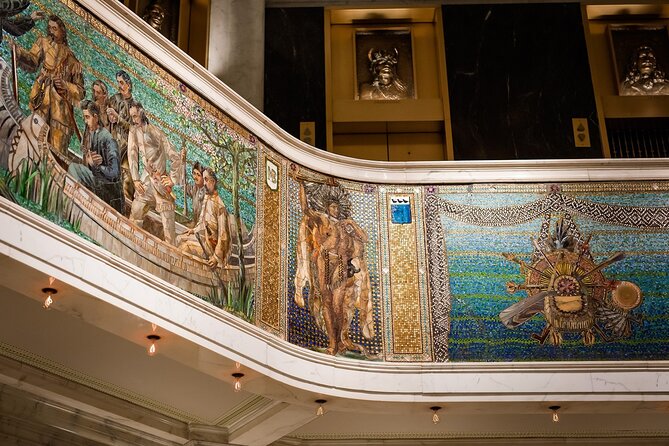
You start at 77 E Randolph St inside the North Lobby of the Chicago Cultural Center. This is a smart choice because the Cultural Center is itself a showpiece—so even before you get into the Tiffany details, you’re already in a building that rewards looking up.
One practical tip: arriving a little early helps. Some people find the exact meeting spot a bit tricky at first, even though it’s only a lobby. If you’re the kind of person who gets flustered by signage, give yourself a 10-minute buffer and scan for your group rather than guessing.
Once you’re with the guide, you get the framework for what you’re about to see: Tiffany-style design isn’t one single look. It’s about color, texture, light, and how glass can soften the hard geometry of big civic buildings. On a good afternoon, you’ll feel like you’ve been given eyes for the rest of Chicago.
Stop 1: Chicago Cultural Center and Those Wow-You-Can’t-Believe-It Domes
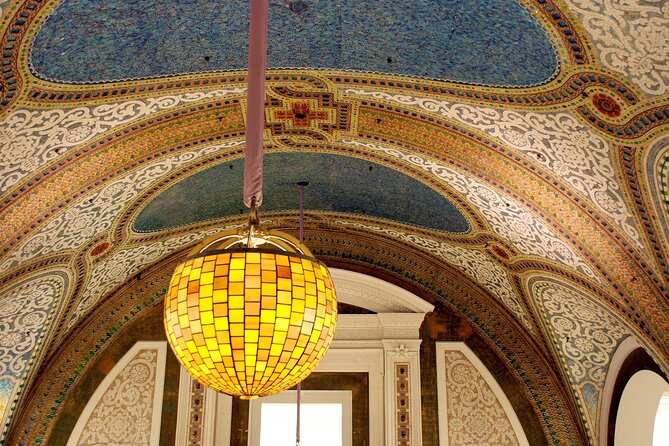
The Cultural Center stop is more than a kickoff photo op. This is where the tour’s Tiffany focus starts to feel real, because the building’s interior character encourages close observation.
You can expect your guide to point out how glass works with the space—how light hits surfaces and how decorative elements (like mosaics and dome-like features) can turn a public interior into something ceremonial. A dome that looks too grand for everyday life is exactly the kind of thing this tour helps you notice and understand.
There’s another bonus here: the tour tends to keep you moving efficiently. Even on colder or rainy days, you’re not trapped outside for long stretches. That matters in Chicago, where the weather can change its mind fast.
Marquette Building Exterior: Post-Fire Chicago’s Taste for Glassy Drama
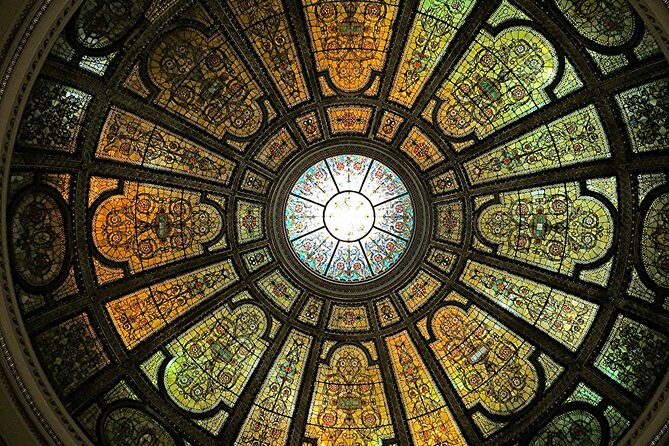
Next up is the Marquette Building. Here, you mainly view the exterior, which changes the vibe. Instead of studying glass from inside rooms, you’re training your eye on how the building’s style reads from street level—and how Tiffany-era design sensibilities fit into the broader story of Chicago rebuilding and reinvention.
The Marquette Building is also a reminder that Tiffany-style glass doesn’t only belong in quiet museums. It belongs in workplaces, civic spaces, and places where people actually live their days. Seeing that connection in passing is useful: after this tour, you’re likely to spot similar design language on your own.
If you’re hoping for a big interior reveal, adjust expectations. This stop is about exterior viewing and context. You’ll get more of the “up close” glass learning at the indoor stops tied to the architecture spaces.
Macy’s on State Street: Learning to Spot Tiffany Connections on a Busy Block
Then you head to Macy’s on State Street for another exterior viewing moment. It’s a fun contrast because you go from quiet architectural spaces to a major retail landmark—still, the guide keeps the Tiffany conversation anchored to design and craftsmanship.
This stop is useful if you want the tour to change how you look at Chicago’s most photographed streets. Once you know what to watch for—how glass, light fixtures, and decorative details work—you start seeing design choices that you would’ve missed as background.
Also, being on State Street means it can feel fast and loud. Keep that in mind for pacing. If you’re easily distracted or you like to linger over details, tell yourself you’ll get a second chance later at the end of the walk when you’re inside the galleries.





Stop 4: Chicago Architecture Center Galleries—Turn “Cool Facts” into Lasting Memory
The tour wraps at the Marquette Building, but you also get something that makes the experience stick: included admission to the Chicago Architecture Center galleries. That’s your chance to slow down after the walk and connect what you saw outside to what you can interpret more comfortably inside.
This is where you can re-check details without time pressure. Maybe you’ll want to compare designs, read about restoration, or just spend time letting your eyes adjust again to glass and color.
A big reason I like this add-on: it’s not trying to replace the walk. It supports it. You come in with questions from the sidewalk, then you get answers in a calmer setting.
Why the Small-Group Cap (10) Makes the Glass Experience Better
A lot of architecture tours claim intimacy. This one actually puts a number on it: up to 10 travelers. That matters for stained glass because the best learning happens when you can see details clearly—color gradations, panel work, and how light behaves.
With a smaller group, you’re less likely to end up stuck behind taller people while the guide points. You’re more likely to get a follow-up question answered. And when the tour includes building interiors or lobbies where space can get tight, smaller groups keep things comfortable.
You’ll also notice the guide’s job gets easier with fewer people. The walking segments can still be brisk, but there’s less chaos when everyone stays together.
Walking Pace, Sidewalk Crowds, and the One Real Drawback
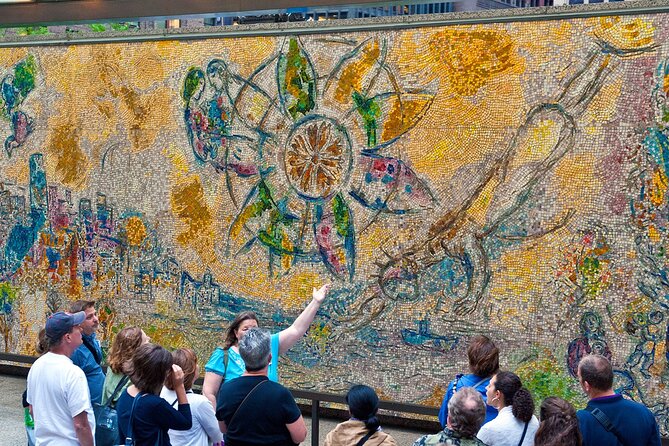
The tour is designed around short stops, so it’s not a marathon. Still, downtown Chicago sidewalks can be crowded, and the group has to cross between landmarks. A couple of people noted that the pace can feel quick at busy moments, and that the leader may be out of direct sight if you fall behind.
Here’s my practical advice: if you have trouble with walking distances or keeping up, don’t treat the duration as the full story. The movement between stops is where the strain happens—busier streets, quick repositioning, and brief waits.
Also, if you’re sensitive to getting separated, plan to stay within a few steps of the guide or the main cluster. It’s an easy fix, and it makes the tour feel calmer.
Restoration and Context: What You Learn Beyond the Pretty Colors
One of the best parts of a Tiffany-focused tour is learning why these pieces still look so alive today. The tour covers the history behind the dramatic art form and mentions recent restoration efforts, which is important for two reasons.
First, it changes how you value the glass. You’re not just admiring. You’re recognizing how much work goes into keeping fragile materials stable over time.
Second, it helps you understand design choices. When restoration is involved, you start asking smarter questions: What does it mean to preserve original effects? How do restorers handle aging and previous repairs?
That context turns your photos from souvenirs into evidence of what you learned.
Guides You Might Get: Real People, Real Energy
The tour is led by a professional and certified guide affiliated with the Chicago Architecture Center. Several guides have been highlighted by name in past experiences—Claudia, Joan, and Priscilla show up in feedback. Across those reports, a common thread is clear: guides connect Tiffany design to the buildings and keep explanations friendly, not stiff.
You’ll likely find the tone is relaxed but structured. The best guides in this style do two things well: they point out the details you’d otherwise skip, and they make you feel comfortable asking questions without slowing the whole group.
Price and Value: $35 for a Focused Architecture Education
At $35 per person, this tour sits in the “worth it” zone for people who want architecture depth without paying museum-level prices. The value comes from three things that actually cost money and effort:
- a professional certified guide delivering a structured Tiffany stained glass narrative
- four landmark visits centered on late-19th-century glass design
- included admission to the Chicago Architecture Center galleries
If you were doing this on your own, you’d likely spend time figuring out where to look and what you were looking at. This turns that effort into guided interpretation in about 90 minutes.
Also, because the group size is limited and the tour books ahead (around 20 days in advance on average), the price can feel even more reasonable when you realize you’re not buying a “just show up anytime” stroll.
Who This Tour Suits Best (and Who Should Rethink)
This is a great match if you:
- love Chicago architecture and want a focused theme
- enjoy looking up—literally and figuratively
- want stained glass stories tied to real buildings, not just a single museum
It’s also ideal if you want something that doesn’t eat your whole day. You get a satisfying arc: start at a major architectural landmark, hit key downtown exteriors, then finish with access to galleries for extra learning time.
Who should rethink it? The tour notes it’s not recommended for young children, and I’d add this for practical reasons: the pacing and the short, controlled viewing stops work best when everyone can move reliably through the city.
Should You Book Tiffany Treasures?
I’d book this if you want a guided Chicago architecture walk that’s actually about craft and design, not generic skyline talk. The standout strength is the focus on Tiffany-era stained glass details in public, real-world locations, backed by a certified Chicago Architecture Center guide and the added value of gallery admission at the end.
If you’re the type who worries about keeping pace in crowds, don’t ignore that. Choose it if you’re comfortable walking and staying with the group through downtown street crossings. If not, you might prefer a slower format.
FAQ
How long is the Tiffany Treasures walking tour?
It’s approximately 1 hour 30 minutes.
How much does the tour cost?
The price is $35.00 per person.
How many people are in the group?
The tour has a maximum of 10 travelers.
Where do I meet the guide?
Meet inside the North Lobby of the Chicago Cultural Center at 77 E Randolph Street.
Where does the tour end?
The tour ends at the Marquette Building (140 S Dearborn St), with the meeting ending outside the building.
What’s included in the ticket price?
You get narration by a professional certified guide, a walking tour of Chicago’s Tiffany art glass landmarks, and admission to the Chicago Architecture Center galleries.
Is the ticket mobile?
Yes. A mobile ticket is used.
Can I cancel for a full refund?
Yes. You can cancel up to 24 hours in advance for a full refund.
Are pets allowed on the tour?
No, pets are not allowed.
If you tell me your travel dates and whether anyone in your group has mobility limits, I can help you judge if the pacing will feel comfortable.