REVIEW · CHICAGO
Chicago Crimes Night Tour
Book on GetYourGuide →Operated by Chicago Crime Tours and Experiences LLC · Bookable on GetYourGuide
Dark Chicago stories, told on a comfortable ride. This 2-hour tour follows the city’s criminal headlines from the past to the modern era, using real locations and live commentary. I like that it mixes big-name cases with street-level sights, including Prohibition-era landmarks and famous landmarks turned case sites.
I especially love the St. Valentine’s Day Massacre stop, plus the off-the-bus walk where you follow the final path of John Dillinger and Hymie Weiss. The second big win for me is the mix of formats: a live guide, historic video footage, a souvenir pamphlet with photos, and an on-tour crime quiz to keep things moving.
One consideration: the bus is not wheelchair accessible, and some stops involve stairs. If you’re bringing mobility gear (or you just want the easiest walking possible), plan for uneven, stop-and-start pacing.
In This Review
- Key highlights I’d plan around
- Where the tour starts: Water Works at the Chicago Public Library
- The luxury coach ride: comfort matters on a 2-hour schedule
- From the Magnificent Mile to Lincoln Park: architecture with a case-study lens
- Biograph Theatre and the courthouse drive-by: where stories gained traction
- Chicago River area + photo stops: mixing the city’s layers
- St. Valentine’s Day Massacre and the walk of Dillinger’s last steps
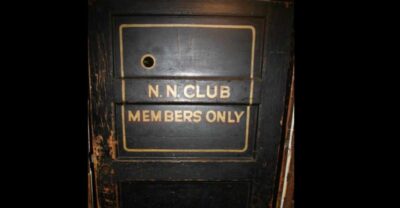
- Frank Nitti’s safe and address book: the mob museum moment
- Neighborhood sweep: River North, Streeterville, Gold Coast, Old Town, the Loop
- Interactive quiz and live guide energy: why the tour doesn’t drag
- Price and value: is $55 worth it for 2 hours?
- Who this tour is best for (and who should skip it)
- Should you book the Chicago Crimes Night Tour?
- FAQ
- FAQ
- How long is the Chicago Crimes Night Tour?
- How much does it cost?
- Where do I meet the tour?
- What neighborhoods and areas will we see?
- Is there a live guide?
- Are audio guides or headphones provided?
- Can I record video during the tour?
- Are food and drinks allowed on the bus?
- Is the tour wheelchair accessible?
- Is gratuity included in the price?
Key highlights I’d plan around
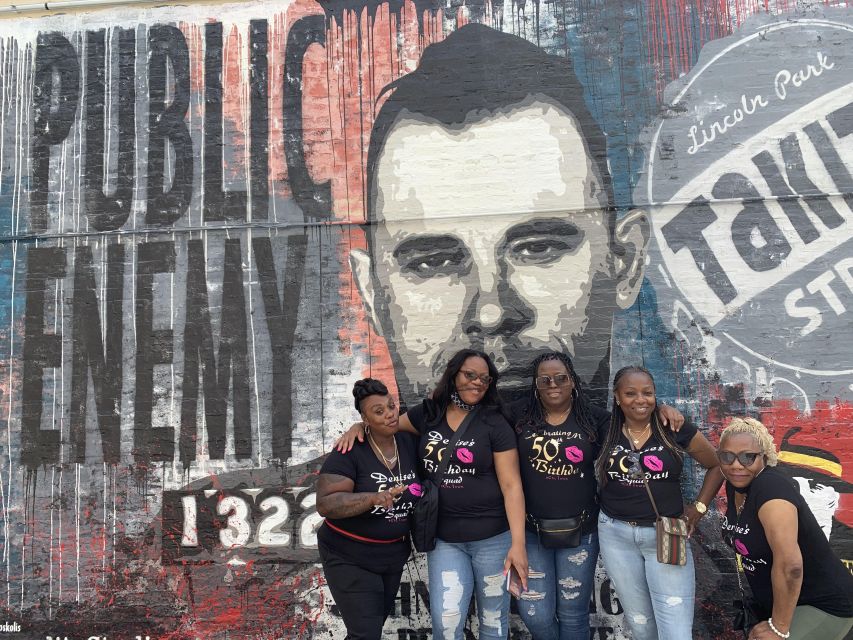
- St. Valentine’s Day Massacre site plus drive-by and photo moments at key locations
- Dillinger’s final steps with an off-the-bus walking segment
- Mini mob museum featuring Frank Nitti’s safe and address book
- Historic criminal courthouse drive-by, tied to major cases that were tried there
- Interactive crime quiz and themed Prohibition-era personality profile
Where the tour starts: Water Works at the Chicago Public Library
You’ll meet at the southeast corner of Pearson and Michigan Ave, outside 163 E. Pearson Street, with the starting point at Water Works, Chicago Public Library. This is a good choice because you’re already near central Chicago, where the sights are easy to picture even before you leave the block.
From there, the tour shifts from “Chicago postcard” mode to “Chicago case file” mode. It’s not just spooky vibes; it’s about how crimes, trials, and neighborhoods shaped the city’s reputation.
You can also read our reviews of more evening experiences in Chicago

The luxury coach ride: comfort matters on a 2-hour schedule
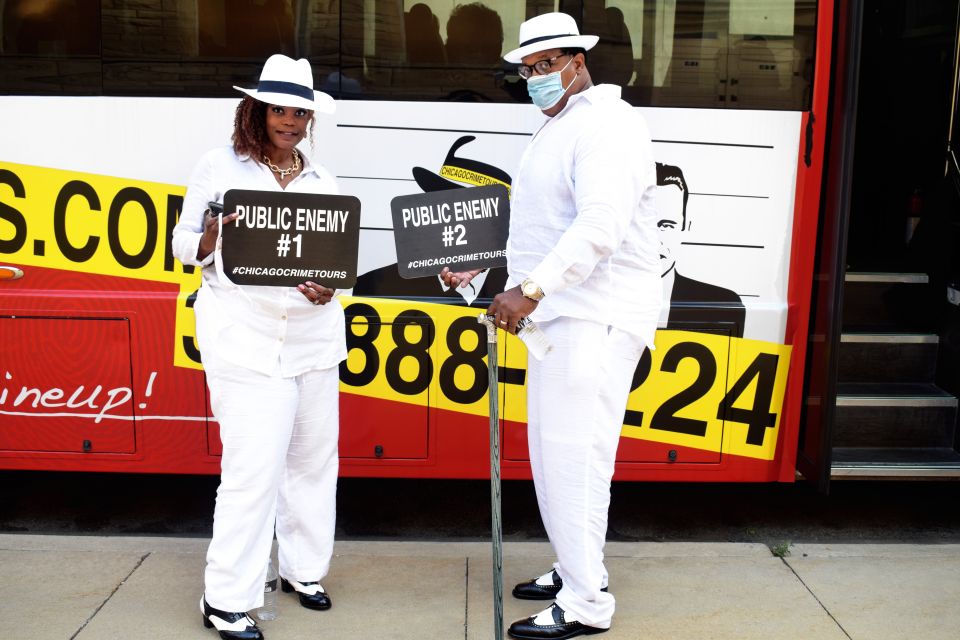
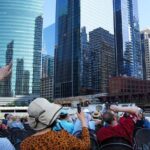
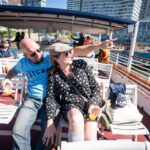
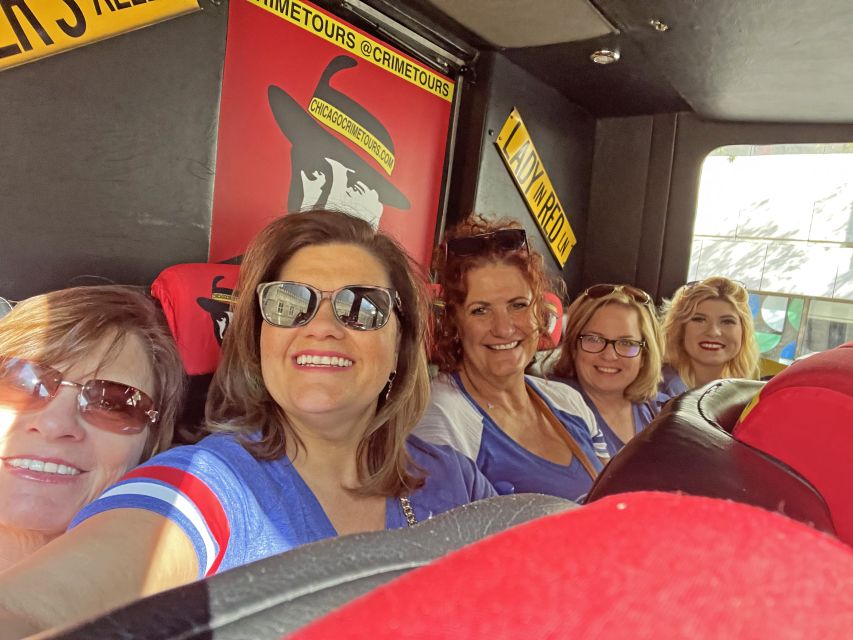
The tour uses a luxury, enclosed, temperature-controlled coach bus. That’s a real plus for an evening activity—especially when you’re hopping between stops and trying to keep everyone on schedule.
A few practical notes that help you enjoy it more:
- You can’t bring food and drinks on the vehicle.
- Video recording isn’t allowed.
- Seating is first-come, first-served, and the bus departs on time—no joining after it leaves.
I also like that the guide is live and interactive in English, so you’re not stuck listening to prerecorded facts. You’ll get prompts and questions, plus the quiz piece later on.
From the Magnificent Mile to Lincoln Park: architecture with a case-study lens
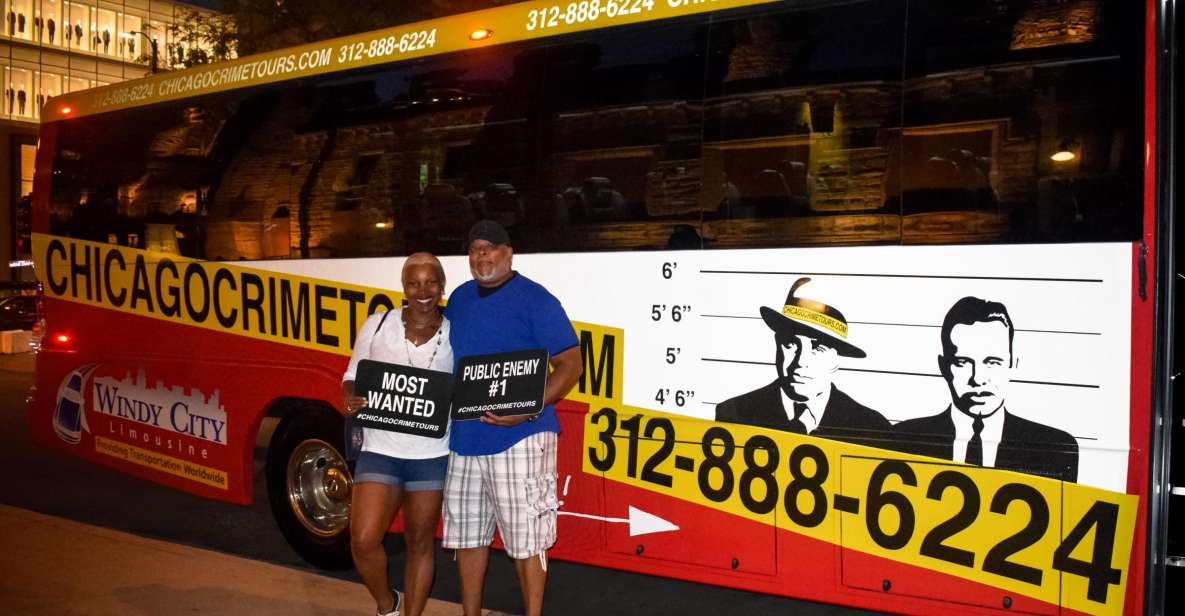
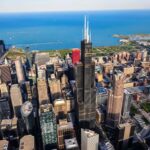
Early on, you’ll pass some of Chicago’s most famous stretches, including the Magnificent Mile and the John Hancock Center area. It’s the kind of skyline you’ve probably seen in photos, but the tour frames it differently: buildings aren’t just pretty here—they’re tied to time periods, industries, and high-profile events.
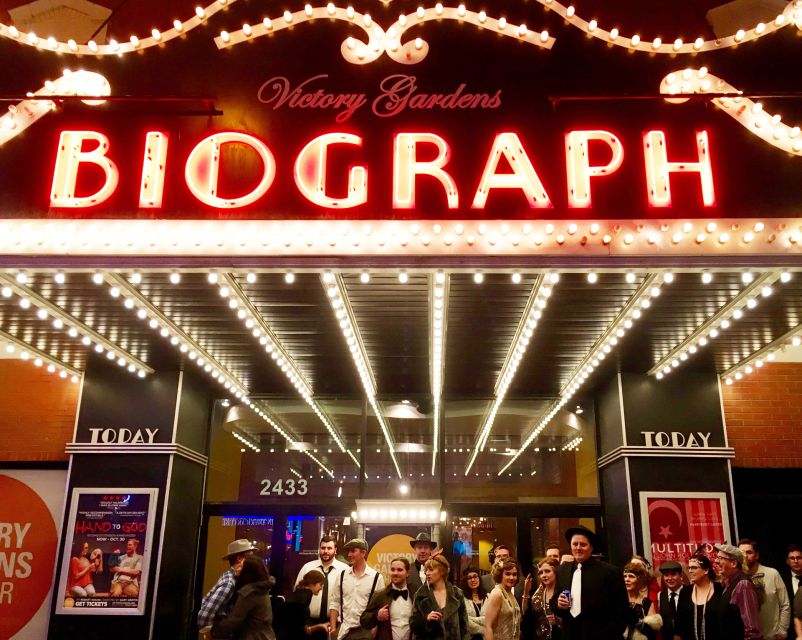
You’ll also pass through Lincoln Park, then head toward a key performance-related stop: the Biograph Theatre photo moment. Even if you don’t know the case details yet, the guide’s pacing helps you connect the dots quickly.
Biograph Theatre and the courthouse drive-by: where stories gained traction
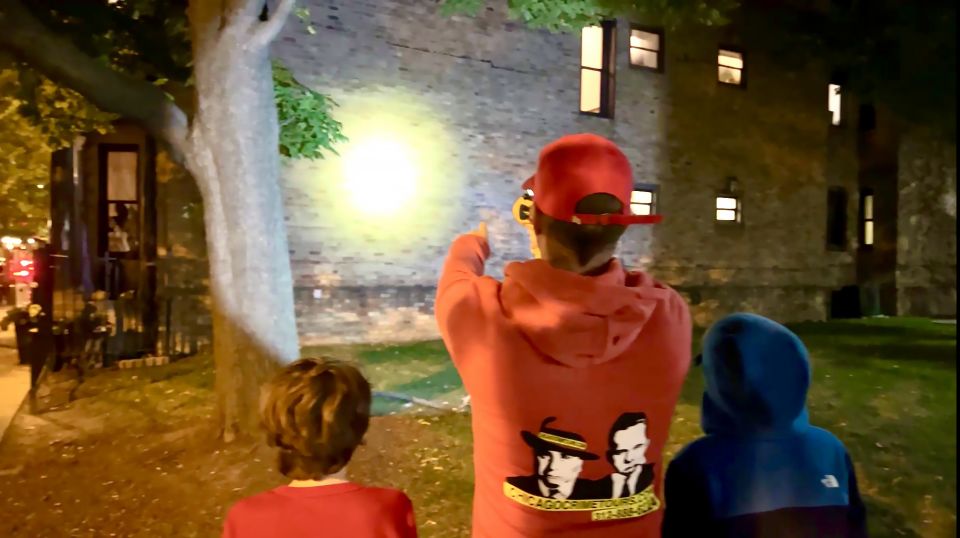
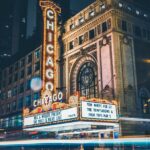
One of the first “stop for photos” moments is at the Biograph Theater. The tour treats it like more than a landmark—this is where famous events and cultural memory intersect, and the guide’s commentary helps you understand why it became part of the crime map people still talk about.
Later, you’ll get a drive-by of the historic criminal courthouse, described as an architectural landmark where notorious cases were tried. I like that format because it gives you something visual even if you don’t get out at every location.
You’ll also see historic video footage during the ride. It’s not there to replace the guide—it supports the story and gives you a sense of period details that are hard to picture just from street names.
Chicago River area + photo stops: mixing the city’s layers
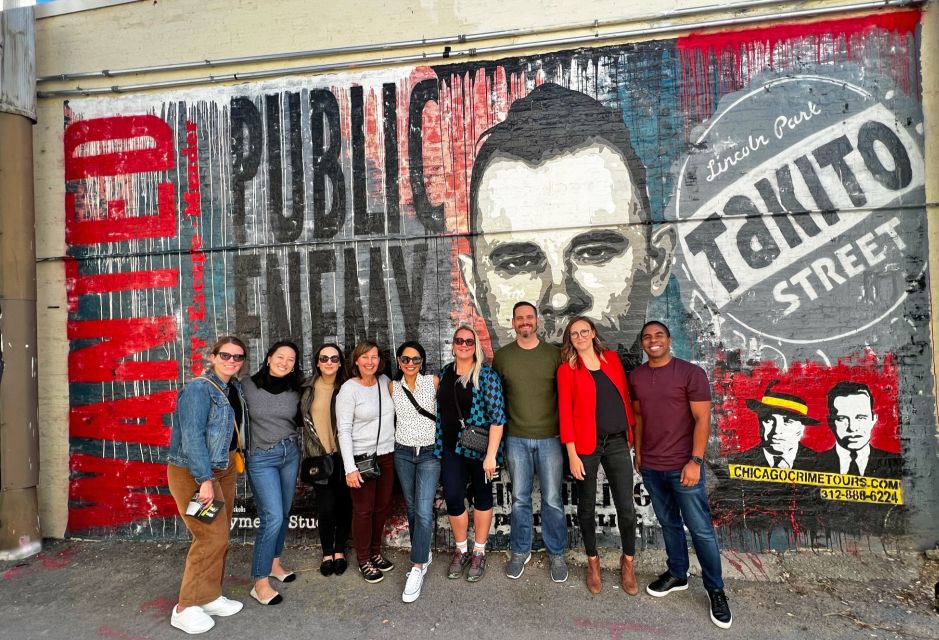
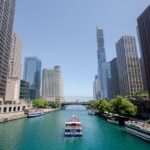
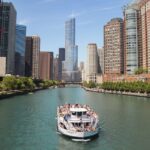
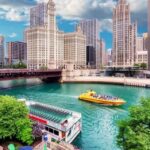
As you move through downtown and near the river, you’ll pass the Chicago River and then make another photo stop at Harry Caray’s Italian Steakhouse. That stop works well because it’s recognizable and stays grounded in everyday Chicago life—restaurants and crowds—but the tour snaps it back to the criminal era context.
You’ll also pass by Holy Name Cathedral. Even though this is a major city landmark, the guide connects it to the broader sweep of the tour’s theme: how different parts of the city influenced where people gathered, moved, and hid—legally or otherwise.
If you’re hoping for wall-to-wall “crime scenes only,” this portion might feel more like Chicago sightseeing with a running criminal thread. For me, that’s actually the point: the city feels real when the stops aren’t all grim-looking storefronts.
St. Valentine’s Day Massacre and the walk of Dillinger’s last steps
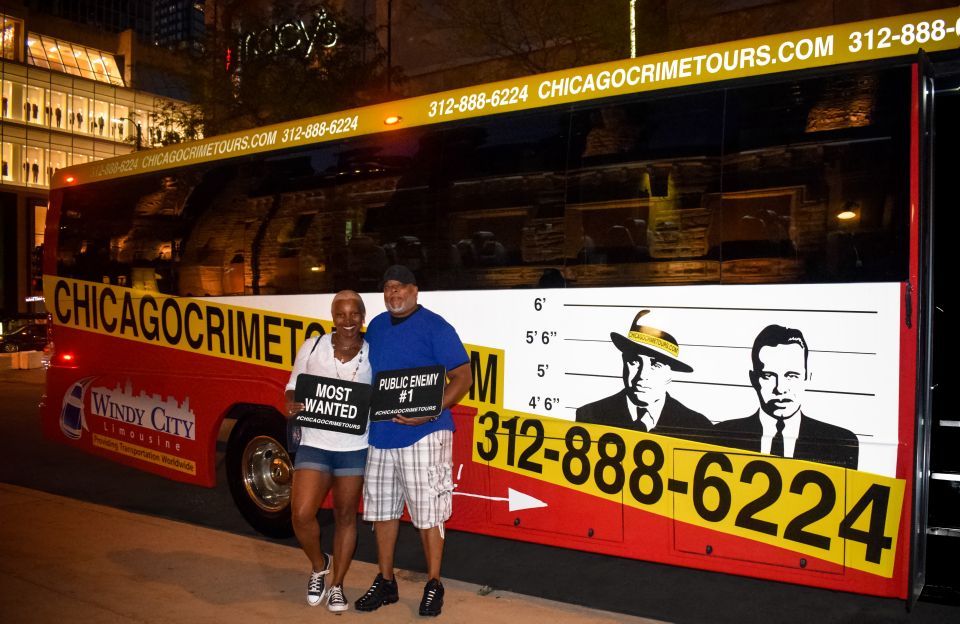
This is the emotional core of the tour. You’ll see the site connected to the St. Valentine’s Day Massacre, one of Chicago’s best-known crime scenes. The guide ties it to the larger mob world so it doesn’t stay trapped as just a headline.
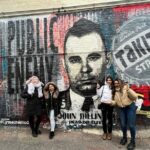
Then you’ll step off the bus and walk the path that John Dillinger and Hymie Weiss followed just before their deaths. That walking segment is short, but it’s the most “hands-on” part of the experience. You can look at the streets and suddenly the story has geography, not just names.
I’d bring your camera and be ready to slow down at intersections. The tour is structured, but this is one of those times where you’ll want to actually see where you are—not just pass through.
Frank Nitti’s safe and address book: the mob museum moment
Between street scenes and walk-bys, you’ll visit a mini mob museum connected to gangster Frank Nitti. The highlight here is Frank Nitti’s safe and address book, which gives you a tangible, object-based view of the era.
I like museum moments on walking tours because they give your brain a break. After enough names and dates, it helps to focus on physical artifacts tied to the people in the stories.
You’ll also get a Prohibition Era personality profile as part of the tour theme. That adds context for why certain criminal networks grew the way they did during that time.
Neighborhood sweep: River North, Streeterville, Gold Coast, Old Town, the Loop
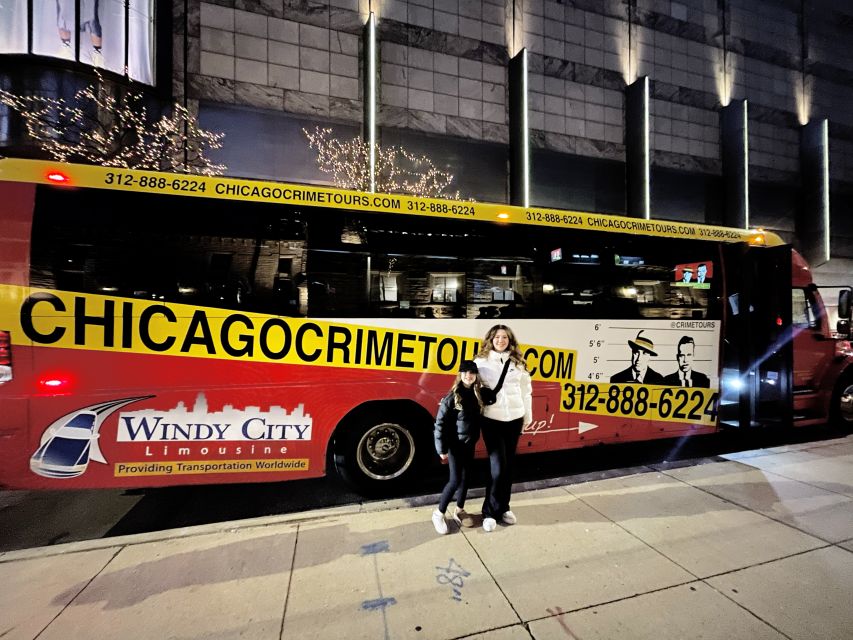
Even with only two hours on the clock, the route covers a lot of Chicago variety. You’ll travel through River North, Streeterville, Gold Coast, Lincoln Park, Old Town, the Loop, and the Magnificent Mile area.
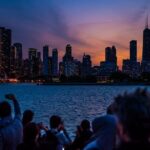
Along the way, the guide points out architectural and street clues—plus views of the lakefront, tree-lined neighborhoods, skyscrapers, and the riverfront. This is a strong match for first-time visitors because you’re stacking a “what to see in Chicago” list on top of your “how crime shaped Chicago” list.
Interactive quiz and live guide energy: why the tour doesn’t drag
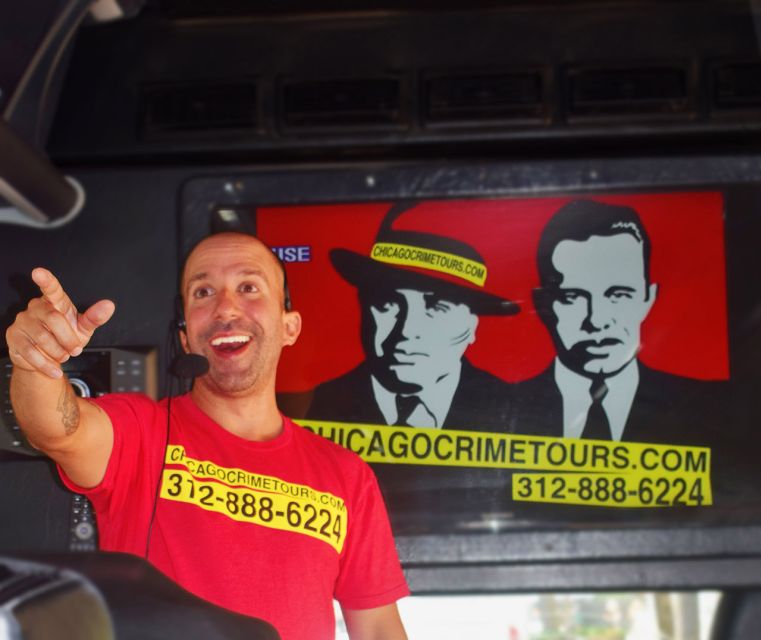
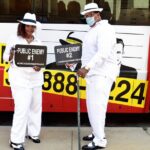
This tour isn’t just a lecture on a bus. You’ll participate in an exclusive crime quiz, and the guide keeps live commentary going about major figures and cases, including Al Capone, the Untouchables, the Chicago Mob, John Dillinger, Terrible Tommy O’Connor, H. H. Holmes, Leopold and Loeb, and bank heists (along with other names mentioned during the tour).
In the tour feedback I reviewed, guides like Javier and John were repeatedly praised for turning the material into a fun narrative. People also noted that the bus ride itself was comfortable, and that the guide had real energy—so if you like your history with momentum, this fits.
There’s also mention of a peek at secret Gangster Era tunnels. The tour doesn’t claim to turn this into a full underground adventure, but it’s clearly part of the guided storytelling package.
Price and value: is $55 worth it for 2 hours?
At $55 per person for a two-hour tour, the value comes from the package, not from any single stop. You’re paying for:
- A climate-controlled coach ride
- Live interactive English commentary
- Historic video footage and a photo-based pamphlet
- A mini museum segment
- Photo stops plus an off-bus walking path
- The quiz and themed Prohibition-era content
For me, this price makes the most sense if you want a guided “starter kit” to Chicago crime stories without spending hours piecing together locations on your own. If you already know every detail and want a more academic or self-directed format, you might prefer a deeper, longer tour elsewhere.
Who this tour is best for (and who should skip it)
This is a great pick if:
- You want a fun nighttime activity that also gives you a clear sense of where the stories happened.
- You’re interested in true crime history tied to real Chicago neighborhoods.
- You like interactive formats like quizzes and live guide storytelling.
It may not be ideal if:
- You need wheelchair-accessible transport. The bus has steps and some stops include stairs, and it’s not equipped with an electronic lift.
- You want a tour that includes audio guides or headphones (there are none).
- You prefer quieter, less interactive experiences; this one is designed to be engaged.
Should you book the Chicago Crimes Night Tour?
If you’re in Chicago for a short stay and you want a memorable, easy-to-follow route through the city’s most infamous crime stories, I’d book it. The combination of major case sites (including St. Valentine’s Day Massacre) plus a walking segment tied to Dillinger’s last steps gives you a real sense of place in just two hours.
If accessibility or step-heavy stops are a concern, double-check your comfort level before booking. And if you’re the kind of traveler who likes to capture everything on camera, note that video recording isn’t permitted on the tour.
FAQ
FAQ
How long is the Chicago Crimes Night Tour?
The tour lasts 2 hours.
How much does it cost?
It costs $55 per person.
Where do I meet the tour?
You meet outside 163 E. Pearson Street at the southeast corner of Pearson and Michigan Ave. The tour starting location is Water Works, Chicago Public Library.
What neighborhoods and areas will we see?
The tour travels through River North, Streeterville, Gold Coast, Lincoln Park, Old Town, the Loop, and the Magnificent Mile area. You’ll also see lakefront and riverfront views.
Is there a live guide?
Yes. The tour has an interactive live tour guide in English.
Are audio guides or headphones provided?
No. There are no audio guides, and there are no headphones provided.
Can I record video during the tour?
No. Audio and video recording isn’t permitted without express written consent from Chicago Crime Tours and Experiences.
Are food and drinks allowed on the bus?
No. Food and drinks are not allowed in the vehicle.
Is the tour wheelchair accessible?
The bus has five steps and some stops include stairs. It is not equipped with an electronic lift and is not wheelchair accessible, though there is limited storage for a folding wheelchair or stroller.
Is gratuity included in the price?
No. Gratuity is recommended at about $5 per person, paid via cash or Venmo.